On this page
- Why Kuching Is Worth Every Day You Give It
- Day 1: Waterfront, Fort Margherita, and the Pulse of the Old Town
- Day 2: Orangutans at Semenggoh and the Trails of Kubah
- Day 3: Sarawak Museum, Satok Weekend Market, and a Proper Farewell Evening
- Where to Eat Across All 3 Days
- Getting Around Kuching Without a Car
- Where to Stay for 3 Nights
- 2026 Budget Breakdown: What 3 Days in Kuching Actually Costs
- Practical Tips Before You Land
- Frequently Asked Questions
💰 Click here to see Malaysia Budget Breakdown
💰 Prices updated: August, 2026. Budget figures are estimates — always verify before travel.
Exchange Rate: $1 USD = RM4.03
Daily Budget (per person)
Shoestring: RM100.00 – RM200.00 ($24.81 – $49.63)
Mid-range: RM180.00 – RM400.00 ($44.67 – $99.26)
Comfortable: RM450.00 – RM1,300.00 ($111.66 – $322.58)
Accommodation (per night)
Hostel/guesthouse: RM20.00 – RM70.00 ($4.96 – $17.37)
Mid-range hotel: RM100.00 – RM350.00 ($24.81 – $86.85)
Food (per meal)
Budget meal: RM15.00 ($3.72)
Mid-range meal: RM35.00 ($8.68)
Upscale meal: RM100.00 ($24.81)
Transport
Single metro/bus trip: RM2.00 ($0.50)
Monthly transport pass: RM150.00 ($37.22)
Why Kuching Is Worth Every Day You Give It
Most first-timers to Malaysian Borneo underestimate Kuching badly. They pencil in two nights as a gateway to Bako or the orangutans, then wonder why every traveller they meet online says three days felt too short. In 2026, with Malaysia Airlines and AirAsia both adding direct connections from Kuala Lumpur’s KLIA2 (flight time: roughly 1 hour 40 minutes), getting here is easier than ever — but the real problem is packing enough in without turning it into a sprint. This itinerary is built for first-timers who want to feel Kuching, not just photograph it. It covers the wildlife, the old town, the food, and the quieter cultural edges that most visitors skip entirely.
Day 1: Waterfront, Fort Margherita, and the Pulse of the Old Town
Start slow. Kuching’s old town core is compact enough to walk end-to-end in under 40 minutes, which means you can cover a serious amount of ground before the midday heat peaks around 33–35°C. The Kuching Waterfront Promenade is the obvious anchor — a 1-kilometre stretch along the Sarawak River where the morning air still carries a faint river-mud coolness before the sun climbs. Get here by 7:30am and you’ll share it with joggers, old men reading Chinese newspapers on wooden benches, and the occasional cat statue (Kuching literally means “cat” in Malay, and the city leans into it).
Morning: Waterfront to Fort Margherita
From the waterfront, take a tambang — the small wooden ferry that crosses the Sarawak River for MYR 1 per person — to the north bank. This is not a tourist boat. It’s how locals have crossed this river for generations, and the 3-minute ride gives you one of the best low-angle views of the Astana (the governor’s residence) and the old colonial buildings lining the south bank. Fort Margherita, built by Rajah Charles Brooke in 1879, sits a short walk from the north bank jetty. The fort reopened after extensive refurbishment in 2024 and now functions as the Brooke Gallery, with well-curated exhibits on the White Rajah era. Entry is MYR 20 for adults. Spend 45–60 minutes here; the hilltop position catches whatever breeze is moving.

Afternoon: Carpenter Street and the Indian Mosque Area
Back on the south bank, Carpenter Street is the old town’s most photogenic lane — a row of pre-war shophouses with painted timber shutters, goldsmiths, and small Chinese temples packed tight enough that the incense smoke drifts across the road. The Tua Pek Kong Temple at the river end dates to the 1840s and is still an active place of worship. Walk further west along Main Bazaar to find the Sunday Market area (active every weekend) and the old India Street Pedestrian Mall, now somewhat quieter but still good for textiles and brassware. In the late afternoon, the light on the Sarawak River turns golden and the tour boats start their evening runs — this is the best time to walk the waterfront without crowds.
Evening: Sunset at the Waterfront Esplanade
End Day 1 at the esplanade’s western end near the Square Tower, where the river bends. The old clock tower and the lit-up Dewan Undangan Negeri (State Legislative Assembly) across the water make for a genuinely striking scene at dusk. Dinner options are a 5-minute walk from here — covered in the food section below.
Day 2: Orangutans at Semenggoh and the Trails of Kubah

This is the day most people come to Borneo for. Set your alarm early — seriously early.
Morning: Semenggoh Wildlife Centre
Semenggoh Nature Reserve sits about 24 kilometres south of Kuching city centre, and the morning feeding session runs at 9:00–10:00am. Whether or not the semi-wild orangutans actually show up depends entirely on fruit availability in the forest — when the forest has plenty of wild fruit, they don’t need the centre’s supplemental feeding and simply don’t come. The rangers will tell you at the gate before you pay. Entry is MYR 10 for foreign visitors, and the walk from the gate to the feeding platform takes about 15 minutes through genuine lowland dipterocarp forest. The smell hits you first — damp leaf litter, soil, the faint sweetness of overripe jungle fruit — and then the sounds, as hornbills move through the canopy overhead. When an adult male orangutan drops from the trees and walks the rope lines directly above the viewing platform, it is one of the most startling wildlife encounters in Southeast Asia. These animals are enormous, and they are completely indifferent to your presence.
Grab an early Grab car from Kuching city (roughly MYR 30–40 one way). Public bus options exist (Sarawak Transport Company Bus 6) but timetables in 2026 remain unreliable for the early session — confirm at your accommodation the night before.
Afternoon: Kubah National Park
Kubah is only 22 kilometres from the city and is one of Sarawak’s most underrated parks. Most visitors coming from Semenggoh can combine both in one day by heading directly northwest. The park is famous for its palms — over 100 species — and its waterfall trails. The Waterfall Trail (3.5km return) leads to a series of natural pools fed by cool rainforest streams. After a humid morning at Semenggoh, submerging in a clear forest pool at Kubah is exactly what your body wants. Pack a dry bag, water, and trail shoes. Entry to Kubah is MYR 20. A combined private transport day trip (Semenggoh + Kubah) can be arranged through most guesthouses for around MYR 150–200 per vehicle.

Evening: Rest and Stalls Near Padungan
After a full outdoor day, you won’t want anything elaborate for dinner. Padungan Road’s hawker stalls are perfect for this — see the food section for specifics. Be in bed by 10pm. Day 3 starts with a market.
Day 3: Sarawak Museum, Satok Weekend Market, and a Proper Farewell Evening
Morning: Satok Weekend Market (Saturday or Sunday Only)
If your Day 3 falls on a Saturday or Sunday — plan for this. The Satok Weekend Market operates from roughly 4am through to midday, though the real energy is between 6am and 9am before the heat builds. This is not a tourist market. It is one of the most authentic produce and trade markets in East Malaysia: jungle ferns, wild boar meat, live turtles (though sale of protected species is increasingly regulated under tighter 2025 wildlife laws), homemade rice wine (tuak), betel nuts, freshwater fish still thrashing in buckets, and vendors from dozens of ethnic groups — Iban, Bidayuh, Malay, Chinese — selling within metres of each other. Budget MYR 20–40 for produce and snacks. Wear clothes you don’t mind getting dirty.
If Day 3 is a weekday, swap Satok for an early walk through the Jubilee Market on Gambier Road — smaller, but alive with a similar energy and open daily from around 5:30am.
Mid-Morning: The Sarawak Museum Quarter
The Sarawak Museum complex (comprising the Old Museum and the newer Tun Abdul Razak Wing) is genuinely one of the best natural history and ethnographic museums in Southeast Asia — and almost no one outside Malaysia knows it exists. The Old Museum building dates to 1891 and was described by Alfred Russel Wallace as one of the finest in Asia during his Borneo travels. The longhouse reconstruction inside the new wing, the Iban textile collection, and the natural history taxidermy galleries are all standouts. In 2026, the museum charges MYR 50 for foreign visitors (an increase from previous years following a facilities upgrade). Allow 2 hours minimum.

Afternoon: Kuching’s Cat Museum and Fort Cunard (Optional)
The Cat Museum at the North Borneo office complex on Jalan Semariang is exactly what it sounds like — entirely dedicated to cats in Kuching culture, history, and legend. It costs nothing to enter and takes about 45 minutes. Strange, slightly surreal, and worth it for the sheer specificity. Fort Cunard, a smaller Brooke-era fortification on the north bank accessible again by tambang, is good for a final river crossing before you pack up.
Evening: A Send-Off Along the Waterfront
Your last Kuching evening deserves the waterfront again, this time with intent. The Kuching Waterfront Night Market (open Thursday to Sunday evenings) sets up along the esplanade with grilled seafood, local kuih, and fresh sugar cane juice. The river at night, with the lit Astana reflected in the water and the sounds of a live acoustic set drifting from one of the bars on Carpenter Street, is the Kuching image you’ll carry home.
Where to Eat Across All 3 Days
Kuching’s food identity is distinct from Peninsula Malaysia — you’ll notice the differences immediately. Here’s where to eat, broken down by meal and location.
Breakfasts and Kopitiams
Chong Choon Café on Padungan Road is the city’s most-discussed kaya toast and soft-boiled egg spot. Arrive before 8am or queue. The coffee arrives in ceramic cups and hits with a dark, slightly bitter Sarawak robusta edge. Top Spot Food Court on Jalan Padungan opens for lunch and dinner but several stalls nearby start at 7am for laksa. Sarawak laksa — with its coconut milk, tamarind, and sambal base — is the essential first-morning meal. It looks like a bowl of contradictions and tastes completely coherent.

Lunch Spots
Abell Road Food Court near the waterfront is the go-to for a no-fuss, air-conditioned lunch. Kolo mee (springy noodles in a light lard-and-shallot dressing), umai (the Melanau raw fish salad with lime and chilli), and midin belacan (wild jungle fern stir-fried with shrimp paste) are the three dishes to look for across any hawker venue in the city. Jalan Song Food Court in the newer suburbs is where locals eat — further from the old town but worth the MYR 12–15 Grab ride for a more residential-Kuching experience.
Dinner and Night Eating
Top Spot Food Court on the rooftop of a car park on Jalan Padungan is Kuching’s most famous dinner institution. Grilled seafood — stingray, tiger prawns, clams — is ordered by weight and cooked over charcoal. Prices are honest: expect MYR 60–100 for two people with drinks. Tribal Stove near the Sarawak Museum area offers Iban and Orang Ulu dishes (pansoh chicken cooked in bamboo, wild boar with herbs) in a sit-down setting — prices are mid-range at MYR 35–60 per person. For a late snack after 10pm, the 24-hour mamak-style stalls near the waterfront bus terminal stay open for roti and teh tarik.
Getting Around Kuching Without a Car
Kuching in 2026 remains a low-public-transport city by Malaysian standards. The MRT and LRT networks that serve Kuala Lumpur have no equivalent here. Here’s what actually works:
- Grab: Reliable, well-priced, and the primary way to move between the old town and destinations like Semenggoh or Kubah. Average city trip: MYR 8–18. Airport to city: MYR 25–35.
- Walking: The old town, waterfront, Carpenter Street, and the Sarawak Museum are all within a comfortable 20-minute walk of each other. In the morning (before 10am) and evening (after 5pm), walking is pleasant.
- Tambang ferry: MYR 1 per crossing, runs between the south waterfront and the north bank jetties. Essential for Fort Margherita.
- Rental car/scooter: For Day 2’s national park combination, a private car (arranged through your guesthouse or via Grab Car rental) is the most flexible option. Car rental from Kuching Airport starts at MYR 120/day for a basic compact in 2026.
- Public buses: Sarawak Transport Company operates routes to Semenggoh and Damai Beach. Useful for budget travellers willing to wait, but schedules are not app-visible — confirm at the main bus terminal on Jalan Khoo Hun Yeang.

Kuching Airport (KCH) is 12 kilometres south of the city. A Grab from arrivals takes 20–25 minutes and costs MYR 25–35. There is a fixed-rate coupon taxi counter in the arrivals hall charging MYR 45–55.
Where to Stay for 3 Nights
Budget (MYR 60–130/night)
Singgahsana Lodge on Carpenter Street is the best-positioned budget pick in the city — a converted shophouse with dorm and private room options, walking distance to everything on Day 1. Threehouse Boutique Hostel near the waterfront offers similar range with a good social atmosphere for solo travellers. Air conditioning, reliable Wi-Fi, and basic breakfast are standard at this price point in 2026.
Mid-Range (MYR 180–320/night)
Mövenpick Hotel Kuching (connected to the Bintang Megamall) offers corporate-standard rooms with city views and a pool — a strong choice if you want comfort after the Day 2 outdoor session. Hotel Grand Margherita sits directly on the waterfront and is arguably the best-positioned mid-range hotel in the city for the itinerary described here. Breakfast included rates regularly available through their direct booking portal.

Luxury (MYR 450–800+/night)
The Ranee Boutique Suites on the waterfront occupies a beautifully restored colonial building — only 10 rooms, heavy on character. Pullman Kuching in the civic district offers international luxury-tier facilities including a rooftop pool. In 2026, the Pullman remains the highest-rated large luxury hotel in the city on most booking platforms.
2026 Budget Breakdown: What 3 Days in Kuching Actually Costs
These are honest, current 2026 figures based on how most first-time visitors travel.
Budget Traveller (MYR 120–180/day)
- Accommodation: MYR 65–90 (hostel dorm or budget private room)
- Food: MYR 30–50 (hawker meals, kopitiams)
- Transport: MYR 15–30 (Grab + tambang + occasional bus)
- Attractions: MYR 10–20 (Semenggoh MYR 10, Fort/Gallery MYR 20)
Mid-Range Traveller (MYR 300–480/day)
- Accommodation: MYR 180–280 (mid-range hotel with breakfast)
- Food: MYR 70–100 (mix of hawker and sit-down restaurants)
- Transport: MYR 40–70 (Grab, private park transfers)
- Attractions: MYR 50–90 (museum, parks, optional guided experience)
Comfortable/Splurge Traveller (MYR 600–1,000+/day)
- Accommodation: MYR 450–750 (boutique or 5-star hotel)
- Food: MYR 120–180 (mix of fine dining, hawker, and one good seafood dinner)
- Transport: MYR 80–150 (private car hire for Day 2, Grab for city)
- Attractions + guided tours: MYR 100–200 (private orangutan guide, museum premium)
A reasonable 3-day total for a mid-range first-timer: MYR 900–1,440, not including flights. Kuching is notably more affordable than Penang or KL for accommodation and food.
Practical Tips Before You Land
Visas and Entry
Sarawak operates a separate immigration system from Peninsular Malaysia — even Malaysian citizens from the peninsula need to show ID at the airport. Foreign visitors from most countries receive a standard entry stamp for 30–90 days, but confirm the current rules for your nationality before travel. In 2026, the Malaysia Digital Arrival Card (MDAC) system remains mandatory — fill it in online within 3 days of arrival.
Weather and What to Wear
Kuching is humid year-round (26–35°C). The wettest months are November through January, when afternoon downpours are frequent and trail conditions at Kubah deteriorate. Light, moisture-wicking clothing, a compact rain jacket, and trail shoes for Day 2 are sufficient. Sunscreen is non-negotiable.

SIM Cards and Connectivity
Pick up a Maxis, Celcom, or U Mobile tourist SIM at Kuching Airport arrivals for MYR 30–50 (10–20GB data, 30-day validity). Coverage in the old town and Padungan is excellent. Inside Semenggoh and Kubah, signal drops to nothing — download offline maps before you leave the city.
Safety
Kuching is among the safest cities in Malaysian Borneo for tourists. Petty theft exists but is uncommon. The waterfront is busy and well-lit at night. Standard precautions apply: don’t leave bags visible in Grab cars, and use ATMs inside malls rather than standalone street machines. The emergency number in Malaysia is 999.
Tipping and Local Customs
Tipping is not customary at hawker stalls or kopitiams. At mid-range and upmarket restaurants, 5–10% is appreciated but not expected. A 6% service tax and 10% service charge are increasingly applied at licensed restaurants following Malaysia’s 2024–2025 tax restructuring — check your bill. When visiting temples on Carpenter Street, remove shoes at the entrance and dress modestly.
Water
Tap water in Kuching is treated but most visitors and locals drink filtered or bottled water. Bottled 1.5L water is MYR 1.50–2.50 at convenience stores. Bring a refillable bottle and use it at your hotel where filtered water is standard.
Frequently Asked Questions
How many days do I need in Kuching?
Three full days is the minimum to cover the old town, at least one national park or wildlife experience, and the food scene properly. Four days allows you to add Bako National Park — one of Sarawak’s best — without rushing. Five days opens up a river cruise or an overnight at Batang Ai. Most first-timers wish they’d booked one extra day.
Is Kuching worth visiting if I’ve already been to Penang?

Completely different experience. Penang is denser, louder, and more food-competitive. Kuching is quieter, has genuine rainforest within 30 minutes of the city centre, and the cultural mix — Malay, Chinese, Iban, Bidayuh, and more — produces a character you won’t find anywhere on the peninsula. The food is also distinct enough to feel like a new country.
Can I see orangutans at Semenggoh on every visit?
No guarantee. When the forest has abundant wild fruit (typically March–September), the orangutans may not appear at the feeding platform. Rangers will advise at the gate before you pay. In the lean season (October–February), sightings are more reliable. Even without an orangutan appearance, the walk through the forest is worthwhile.
What is the best way to get from Kuala Lumpur to Kuching?
Flying is the only practical option. Malaysia Airlines and AirAsia both operate multiple daily flights from KLIA and KLIA2 respectively. Flight time is approximately 1 hour 40 minutes. In 2026, fares range from MYR 89 (budget, one-way, booked early) to MYR 400+ (last-minute, full-service). There is no road or rail connection between the peninsula and Borneo.
Is Kuching suitable for solo travellers?
Very much so. The old town is compact and walkable, Grab is reliable for solo travel logistics, and the hostel scene on Carpenter Street and near the waterfront has a genuine social infrastructure. Solo female travellers report Kuching as one of the more comfortable cities in Malaysia. The main practical challenge is cost-splitting for private transport to parks — joining a group tour for Day 2 solves this and typically costs MYR 80–120 per person.
Explore more
The Ultimate Guide to Kuching Nightlife: Bars, Clubs & Live Music
The Ultimate Kuching Shopping Guide: Malls, Markets & Must-Buy Souvenirs
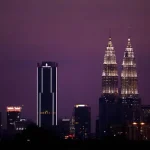
📷 Featured image by lastmayday on Unsplash.