On this page
- Why Ipoh Rewards Slow Eaters
- Which Ipoh Neighbourhood Fits Your Appetite
- Beyond the Plate: Ipoh’s Top Sights
- Where to Eat in Ipoh
- Getting to and Around Ipoh
- Five Day Trips with a Food Stop
- Ipoh After Dark
- Shopping in Ipoh
- Where to Sleep
- When to Visit
- Practical Tips
- 2026 Budget Breakdown
- Frequently Asked Questions
💰 Click here to see Malaysia Budget Breakdown
💰 Prices updated: October, 2026. Budget figures are estimates — always verify before travel.
Exchange Rate: $1 USD = RM4.08
Daily Budget (per person)
Shoestring: RM100.00 – RM180.00 ($24.51 – $44.12)
Mid-range: RM250.00 – RM450.00 ($61.27 – $110.29)
Comfortable: RM500.00 – RM1,000.00 ($122.55 – $245.10)
Accommodation (per night)
Hostel/guesthouse: RM30.00 – RM60.00 ($7.35 – $14.71)
Mid-range hotel: RM110.00 – RM200.00 ($26.96 – $49.02)
Food (per meal)
Budget meal: RM15.00 ($3.68)
Mid-range meal: RM35.00 ($8.58)
Upscale meal: RM100.00 ($24.51)
Transport
Single metro/bus trip: RM2.00 ($0.49)
Monthly transport pass: RM50.00 ($12.25)
Visit Malaysia Year 2026 is pushing more travellers up the highway from Kuala Lumpur, and many of them make the same mistake: they treat Ipoh as a quick stop, arrive at 2pm, and find half the best kopitiam already closed. Ipoh runs on a morning-and-early-evening rhythm. Plan around that and this small Perak city becomes one of the best-value food destinations in Southeast Asia. Plan badly and you eat in a mall. This guide shows you how to do it properly.
Why Ipoh Rewards Slow Eaters
Ipoh sits about 200 km north of Kuala Lumpur, in a valley ringed by limestone hills. It grew rich on tin mining, and the money left behind shophouses, grand colonial buildings, and a Cantonese and Hakka community with high standards for breakfast. Today the city feels like a big town that never got the memo about rushing. Locals sit in kopitiam for an hour over one cup of coffee, and nobody hurries them.
That pace is the appeal. At 7.30am in the Old Town, the air smells of charcoal-roasted coffee beans and frying shallots. Old marble tables fill with uncles reading Chinese newspapers, while kettles hiss behind the counter. By lunchtime the same streets are packed with queues for bean sprout chicken. By dinner the heat drops, neon signs flicker on, and supper stalls open.
The food here is cheaper than in Kuala Lumpur or Penang, the portions are fair, and the standards are high. Most visitors need two full days to eat well. Three is better.
Which Ipoh Neighbourhood Fits Your Appetite
Ipoh is spread out, but the food zones are easy to understand. Pick your base by how you like to eat.
Old Town
This is the heart of the city, around Jalan Bandar Timah, Jalan Sultan Yussuf and the lanes near the river. It holds the famous white coffee houses, heritage shophouses, Concubine Lane (Lorong Panglima), and the railway station. It suits first-timers, walkers, and anyone who wants breakfast a five-minute stroll away.
New Town
Across the Kinta River, New Town is where locals eat lunch. Jalan Yau Tet Shin and the streets around it are packed with chicken rice, bean sprout chicken, and noodle shops. It is less photogenic and more practical, with cheaper hotels and easy parking. It suits food-focused travellers who do not care about postcard views.
Ipoh Garden
A residential area to the north with a different feel. Here you find neighbourhood coffee shops, family-run dim sum halls, and a pasar malam (night market) on certain evenings. It suits repeat visitors and those who want to eat where locals eat after work.
Greentown
Newer and calmer, with cafes, brunch spots, and independent coffee roasters. Eat here if you want a break from kopitiam fare, or if you are travelling with someone who needs a flat white.
Tambun
Northeast of the centre, Tambun is known for its pomelo orchards, limestone scenery, and hot springs resorts. It is a base for quiet stays and nature, though you will drive into town for most meals.
Beyond the Plate: Ipoh’s Top Sights
You will eat well in Ipoh, but between meals there is plenty to see, and most of it is free or cheap.
- Ipoh Railway Station: Locals call it the “Taj Mahal of Ipoh” for its white Moorish-style arches. It was built in 1917 and still handles trains today. Walk through the front hall even if you are not travelling.
- Concubine Lane (Lorong Panglima): A narrow heritage lane lined with souvenir stalls, old-style coffee counters, and painted shopfronts. Go before 10am to avoid tour groups.
- Street art trail: Murals by Ernest Zacharevic and other artists are scattered around the Old Town. A loop takes about 90 minutes at a relaxed pace.
- Han Chin Pet Soo: A former Hakka miners’ club turned museum and event space. It explains how tin shaped the city and where all those shophouses came from.
- Cave temples: Perak Tong, Sam Poh Tong, and Kek Lok Tong are carved into the limestone hills on the edge of town. Cool air, incense, and giant Buddha statues make a calm contrast to the heat outside.
- Gunung Lang Recreational Park: A lake park with limestone cliffs and walking paths, good for late afternoon when the light turns golden.
Where to Eat in Ipoh
This is the section to bookmark. Opening hours change, so treat these as starting points and check recent Google Maps updates before you walk across town.
Kopitiam and Breakfast
Nam Heong on Jalan Bandar Timah is the best-known white coffee house in the Old Town. Expect marble tables, a long queue on weekends, and coffee served thick and smooth. Order it with kaya toast and soft-boiled eggs. A coffee runs about RM 4–6.
Sin Yoon Loong, a few doors away, is the quieter rival. Locals argue about which one is better, and the only way to settle it is to try both on the same morning.

Thean Chun, also on Jalan Bandar Timah, is a high-ceilinged kopitiam with a row of stalls inside. You can pick curry mee, chicken rice, or a bowl of noodle soup, and get toast and coffee from the counter. It is the easiest place for a mixed group to share a table.
Bean Sprout Chicken (Tauge Ayam)
Head to Jalan Yau Tet Shin in New Town. Lou Wong and Onn Kee sit almost opposite each other and both serve poached chicken with fat, crunchy bean sprouts and silky kuey teow. A set meal costs roughly RM 12–18. Lou Wong is bigger and faster. Onn Kee is slightly quieter. Visit both if you have the stomach.
Dim Sum Halls
Ipoh’s dim sum scene is old-school: trolley carts, noisy halls, and steam baskets stacked high. Foh San is the best-known, and you should arrive before 8am to avoid a long wait. Baskets cost around RM 4–9 each. Try the chicken feet, the glutinous rice in lotus leaf, and the crispy yam puff.
Sweet Stops
Funny Mountain Soya on Jalan Theatre is the place for warm soy milk and silky tau fu fah (soft tofu pudding with syrup). It is the sweet end to a morning. Expect to pay RM 3–6.
Indian and Malay Options
Ipoh has a strong nasi kandar tradition. The shops around New Town, including Nasi Kandar Ayam Merah and Nasi Ganja, serve rice with curry gravy and fried chicken from about RM 10–16. Hot and heavy, they are good for lunch before a nap. Muslim travellers should look for halal certificates at the door, since many Chinese kopitiam serve pork.
Night Food
After dark, head back to Jalan Yau Tet Shin for second helpings, or find a pasar malam. These night markets rotate between neighbourhoods on different days, so ask your hotel which one is running tonight. Expect grilled skewers, fried kuey teow, and cold sugarcane juice. The smoke from the charcoal grills and the glare of bare bulbs make it feel like the real Ipoh.

Getting to and Around Ipoh
From Kuala Lumpur: The ETS (Electric Train Service) from KL Sentral to Ipoh takes roughly 2 hours 20 minutes to 2.5 hours. Fares typically run RM 40–70 depending on the service and time, and tickets sell out on weekends, so book on the KTMB app a few days ahead. Buses from TBS (Terminal Bersepadu Selatan) cost about RM 20–35 and take around 2.5–3 hours. Driving is quicker if traffic is kind, but Friday evenings on the North-South Expressway can be brutal.
By air: Sultan Azlan Shah Airport has limited domestic routes. Most visitors fly into KLIA or Penang and continue by road or rail.
In the city: The Old Town is compact and walkable, though the heat makes anything longer than 20 minutes tiring. Between Old Town and New Town, the distance is short enough for a Grab ride that costs RM 6–12. Grab is the easiest way to reach Ipoh Garden, Greentown, and the cave temples. Ipoh has run a free city bus service in the past, but routes and frequency change, so check locally before depending on it.
If you want to visit Tambun, Kellie’s Castle, or Kuala Kangsar, rent a car. Rates start around RM 120–180 per day, and parking in the Old Town is easy outside peak hours.
Five Day Trips with a Food Stop
1. Cave Temples and Gunung Lang (half day)
Perak Tong and Sam Poh Tong are about 10–15 minutes by Grab from the centre. Combine both with Gunung Lang for a morning outing, then return for lunch.
2. Tambun (half day)
About 20 minutes northeast, Tambun is known for its pomelo orchards and hot springs. Buy fresh pomelo from roadside stalls and soak at one of the thermal pools. A good plan is to go late afternoon, then return for dinner.
3. Batu Gajah and Kellie’s Castle (half day)
Around 25–30 minutes south, Batu Gajah has the half-finished Kellie’s Castle, an unfinished mansion built by a Scottish planter. It is atmospheric and a little eerie. Eat at one of the small town kopitiam afterwards.
4. Kuala Kangsar (full day)
About 50 km north, around 45 minutes by car. This is Perak’s royal town, with the gold-domed Ubudiah Mosque and the Perak Royal Museum area. Try the local laksa Kuala Kangsar, a different style from Penang’s, then head back before dusk.
5. Taiping or Cameron Highlands (full day)
Taiping is roughly an hour from Ipoh and is known for its Lake Gardens, old rain trees, and cendol stalls. Cameron Highlands is about two hours up winding roads and works better as an overnight stay than a day trip. If you only have one long day, choose Taiping.
Ipoh After Dark
Be honest with yourself: Ipoh is not a party city. The nightlife is low-key and best suited to people who enjoy a long conversation over a drink. That is part of the charm.
- Kong Heng Square and nearby lanes: Restored shophouses with craft cafes, small bars, and live acoustic nights on some weekends. Check social media for event schedules.
- Heritage venues: Spaces like Han Chin Pet Soo occasionally host evening events, talks, and gatherings.
- Supper culture: This is the real nightlife. After 9pm, locals gather around charcoal stalls and open-air kopitiam for late bowls of noodles, grilled seafood, and iced drinks.
- Rooftop bars: A few hotels have rooftop spots, but the scene is small. Do not come to Ipoh expecting Bukit Bintang.
The city quiets down by 11pm, and the streets empty quickly. That is a good thing if you plan to be at a kopitiam by 7.30am.
Shopping in Ipoh
Shopping here is mostly about edible souvenirs. Ipoh’s best gifts fit in a suitcase and survive a flight.
- White coffee: Buy packs of 3-in-1 white coffee from the Old Town. Old Town White Coffee is a national brand, but local cafes also sell their own blends, usually RM 15–30 per pack.
- Heong peah and biscuits: Ipoh’s flaky, sweet “fragrant biscuits” are sold in bakeries across the Old Town. Look for fresh trays rather than boxes that have sat in the sun.
- Tambun biscuits: Soft, sweet pastries with a golden crust, a classic Ipoh gift.
- Pomelo: Seasonal, heavy, and best eaten before you leave.
- Concubine Lane stalls: Souvenirs, tea, and old-style toys. Quality varies, so look closely before you buy.
- Malls: Ipoh Parade and Aeon Kinta City suit you if you need air conditioning, pharmacies, or a quick fix of familiar brands.
Look for small craft shops and cafes around the heritage lanes for locally made ceramics and prints. Prices are fixed in shops but you can bargain gently at lane stalls.
Where to Sleep
Ipoh’s hotel stock is smaller than Penang’s or KL’s, so weekends and school holidays fill up quickly. Book ahead in 2026, especially around public holidays.
Budget (RM 60–130 per night)
Hostels and guesthouses in the Old Town and New Town. Expect basic rooms, fans or air-conditioning, and a fair chance of hearing the street at 6am. Good for solo travellers who plan to spend little time in their room.
Mid-range (RM 150–320 per night)
Boutique hotels in restored shophouses, plus business hotels around New Town. The Majestic Station Hotel, set inside the railway station building, and Sekeping Kong Heng in the Old Town are well-known choices for atmosphere. Many mid-range places include breakfast, though you will want to skip it and eat out.
Luxury (RM 400–1,500+ per night)
Resorts in the Tambun area, including Banjaran Hotsprings Retreat, offer private pool villas, spa treatments, and thermal water. They sit away from the centre, so budget for transport. Rates swing widely by season.
Note that foreign guests pay a tourism tax of RM 10 per room per night, which most hotels add at check-in.
When to Visit
Ipoh is hot and humid all year, with daytime highs of 32–34°C and nights around 24–25°C. The drier months run from roughly January to February and June to August. Rain peaks around March to May and again from October to November, usually as sharp afternoon downpours rather than all-day drizzle.
Festival timing in 2026:
- Chinese New Year (17 February): Many Chinese-run kopitiam close for several days. Book hotels early, and expect crowds of returning families.
- Ramadan (roughly 18 February to 19 March) and Hari Raya Aidilfitri (around 20 March): Muslim-run stalls close during the day, but Chinese kopitiam stay open. Evening Ramadan bazaars are excellent for kuih, grilled chicken, and drinks.
- Cheng Beng (early April): Locals visit cemeteries, and some businesses open late.
- Mid-Autumn Festival (late September): Mooncakes appear in bakeries across the city.
- Deepavali (around 8 November): Indian eateries offer festive menus.
For a balance of weather and quiet streets, aim for the shoulder weeks in late January or June. Avoid the long school holidays and public holiday weekends if you hate queues.
Practical Tips
- Cash and QR: Most places accept DuitNow QR, and tourists can use e-wallet apps linked to foreign cards in some cases. Small stalls and some old kopitiam are cash only, so carry notes.
- Halal and dietary needs: Ipoh’s Chinese kopitiam often serve pork, and lard may be used in cooking. Look for a halal certificate if you need one. Vegetarians can find vegetarian stalls but should ask about shrimp paste and meat broth.
- Closing hours: This is Ipoh’s version of a siesta. Many traditional shops close between 2pm and 5pm, or shut for the day by 3pm. Check hours before you go.
- Language: English works in hotels and tourist areas. Cantonese is the local Chinese language, with Malay and Hokkien also common. A smile and a pointed finger work everywhere.
- SIM and data: Buy a SIM or eSIM from Maxis, Celcom, or U Mobile before arriving or at KL Sentral. Coverage in the city is reliable.
- Water: Tap water is treated, but most travellers stick to bottled water. Ice in established restaurants is generally fine.
- Safety: Ipoh is calm. Watch your bag in crowded markets and be careful crossing the road, since drivers rarely stop for pedestrians.
- Tipping: Not expected at kopitiam or hawker stalls. Restaurants may add a service charge, and since the 2025 expansion of the service tax, some larger venues add 6–8%.
2026 Budget Breakdown
Prices below are per person per day, excluding flights. Ipoh remains cheaper than Penang and far cheaper than Kuala Lumpur for the same quality of food.
Budget: RM 120–200
- Hostel or basic guesthouse: RM 60–100
- Food (kopitiam breakfast, hawker lunch, supper): RM 30–50
- Local transport: RM 10–20
- Attractions: free or RM 5–10
Mid-range: RM 300–550
- Boutique hotel: RM 150–320
- Food (mix of kopitiam and sit-down restaurants): RM 70–120
- Grab rides and one day trip: RM 40–80
- Attractions and a coffee or drinks: RM 30–50
Comfortable: RM 700–1,600
- Resort or luxury hotel: RM 400–1,200
- Food (including better restaurants and tasting menus): RM 150–250
- Private driver or car hire: RM 150–250
- Spa, hot springs, and activities: RM 100–200
A single street-food meal, such as bean sprout chicken, a bowl of noodles, or a plate of nasi kandar, costs RM 10–18. A full day of eating at kopitiam and hawker stalls rarely goes above RM 50.
Frequently Asked Questions
How many days do you need in Ipoh for food?
Two full days cover the essentials: white coffee, bean sprout chicken, dim sum, and a supper stop. Three days lets you add a day trip to Kuala Kangsar or Taiping and eat at a slower pace. One day is possible, but you will have to choose carefully.
What is Ipoh famous for eating?
Ipoh is best known for white coffee, bean sprout chicken with silky kuey teow, dim sum, and soft tofu pudding. Locals also love curry mee, nasi kandar, and Hakka-style noodles. Most of these are easy to find within walking distance in the Old Town and a short Grab ride in New Town.
Is Ipoh cheaper than Penang?
Generally yes. Hotels, kopitiam meals, and Grab rides cost less in Ipoh, and portions are fair. A hawker meal is usually RM 8–15, while Penang’s busier tourist areas can cost more. Ipoh also has fewer tourist-priced menus, though prices have risen slightly since 2024.
Is Ipoh worth visiting for a weekend from Kuala Lumpur?
Yes. The ETS train takes about 2.5 hours, and a Friday night to Sunday stay covers the food, murals, and a cave temple or hot springs. Book trains and hotels early for weekends. Many travellers stay Saturday night and eat a long Sunday breakfast before leaving.
Is Ipoh good for Muslim travellers?
Yes, with some planning. The city has many halal nasi kandar, Malay, and Indian restaurants, plus Ramadan bazaars during the fasting month. Chinese kopitiam often serve pork, so check for a halal certificate at the entrance. Ask your hotel for current recommendations near your stay.
Explore more
Must-Try Dishes in Penang: A Culinary Checklist for Foodies
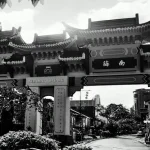
📷 Featured image by Faan Wunsing on Unsplash.