On this page
- Why TAR Park Deserves More Than a Half-Day
- The Five Islands — What Each One Actually Offers
- Getting to the Park — Jetty, Boats, and What It Costs in 2026
- Snorkelling and Diving — Where the Reefs Are Actually Worth It
- Beach Life Without the Crowds — Timing and Tactics
- What to Eat and Drink on the Islands
- Overnight Stays — Camping and Chalets Inside the Park
- 2026 Budget Breakdown — Full Day Trip Costs in MYR
- Practical Essentials — Permits, Rules, Safety, and What to Pack
- Frequently Asked Questions
💰 Click here to see Malaysia Budget Breakdown
💰 Prices updated: August, 2026. Budget figures are estimates — always verify before travel.
Exchange Rate: $1 USD = RM4.03
Daily Budget (per person)
Shoestring: RM100.00 – RM200.00 ($24.81 – $49.63)
Mid-range: RM180.00 – RM400.00 ($44.67 – $99.26)
Comfortable: RM450.00 – RM1,300.00 ($111.66 – $322.58)
Accommodation (per night)
Hostel/guesthouse: RM20.00 – RM70.00 ($4.96 – $17.37)
Mid-range hotel: RM100.00 – RM350.00 ($24.81 – $86.85)
Food (per meal)
Budget meal: RM15.00 ($3.72)
Mid-range meal: RM35.00 ($8.68)
Upscale meal: RM100.00 ($24.81)
Transport
Single metro/bus trip: RM2.00 ($0.50)
Monthly transport pass: RM150.00 ($37.22)
Tunku Abdul Rahman Park sits literally minutes from Kota Kinabalu‘s waterfront, yet plenty of visitors still spend their entire trip staring at it from the shore instead of actually going. In 2026, the park’s management tightened its daily visitor cap per island — a move that was long overdue but means you now need to plan your trip differently than the old walk-up approach allowed. This guide covers everything you need to make a full day (or longer) out of KK’s most accessible marine park.
Why TAR Park Deserves More Than a Half-Day
Tunku Abdul Rahman Marine Park — named after Malaysia’s first Prime Minister — is an archipelago of five islands scattered across roughly 49 square kilometres of the South China Sea, all within 3 to 8 kilometres of KK’s city centre. The park was gazetted in 1974, making it one of Malaysia’s oldest protected marine areas, and despite decades of tourism pressure, the coral reefs around several islands remain genuinely healthy.
What surprises most first-time visitors is the variety. These five islands are not interchangeable. Each has a different character, a different reef system, different facilities, and a different crowd. Treating the park as a single destination — heading to whichever island your guesthouse recommends and leaving after lunch — means you’re missing the point entirely.
In 2026, Sabah Parks introduced an updated visitor management system using a QR-based entry permit that you purchase in advance through their online portal. Daily quotas per island are now strictly enforced, particularly on weekends and Malaysian public holidays. If you arrive at Jesselton Point Jetty without a pre-booked permit for Sapi or Manukan — the two most popular islands — you may find the day’s quota already filled by 8am. This is new behaviour compared to 2024, when walk-up visitors could usually get on a boat without any booking.
The Five Islands — What Each One Actually Offers
Pulau Gaya
The largest island in the park at roughly 1,500 hectares, Gaya is the one most day-trippers ignore — which is exactly why it’s worth paying attention to. The island has a resident community in its water village on the eastern side, proper jungle trails through intact dipterocarp forest, and Police Beach on the western shore, which is large, sheltered, and rarely packed. If you want to actually walk through forest canopy, hear hornbills, and have a stretch of sand to yourself, Gaya is the island. The trail from Police Beach to the interior takes about 45 minutes and involves real climbing — wear shoes, not flip-flops.
Pulau Sapi
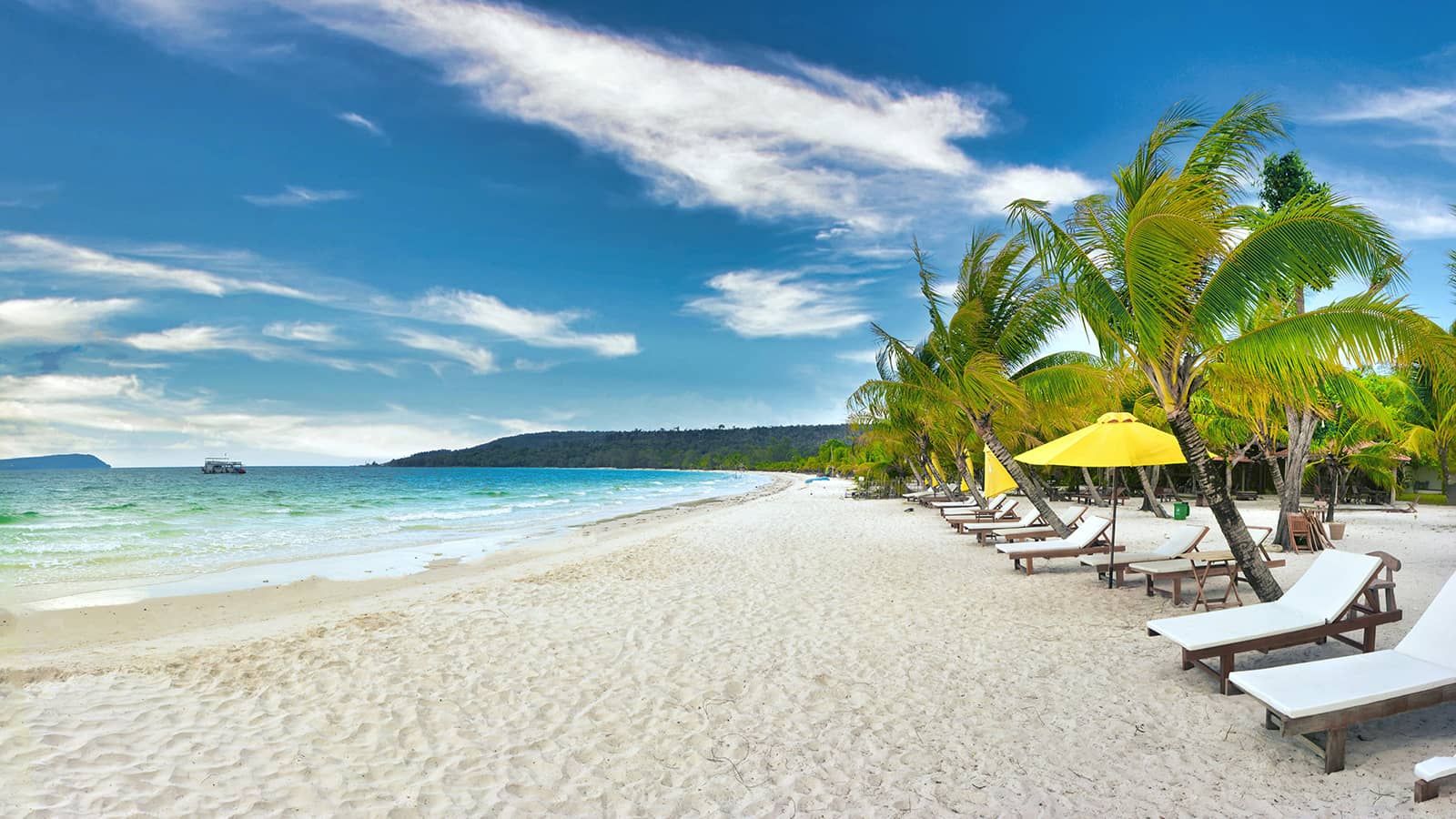
Sapi is where the action is concentrated. At just 10 hectares, it has a compact beach that fills quickly, good snorkelling directly off the sand on its eastern side, a flying fox zipline across to Gaya (one of Southeast Asia’s longest water-crossing ziplines at around 170 metres), and basic food stalls. The coral closest to shore here is patchy, but 30 metres out from the beach the reef picks up considerably. Sapi suits energetic day-trippers who want facilities, activities, and easy snorkelling without needing to hire a boat to reach reef sites.
Pulau Manukan
The most developed island in the park and the one most tour operators default to. Manukan has a resort (Sutera Sanctuary Lodges), proper restaurants, water sports rental, a swimming pool that resort guests can access, and the longest beach in the park. The eastern reef is accessible without a guide and has consistent coral coverage. Because it has the most facilities, it also draws the largest crowds. If you’re travelling with children or want guaranteed food and toilets, Manukan works well. For anyone wanting a quieter experience, it’s the wrong choice on a weekend.

Pulau Mamutik
The smallest island, covering about 6 hectares, Mamutik is the underrated gem. The beach is narrow but the water is clear, and the reef that wraps around the southern tip of the island is consistently rated as the best snorkelling in the park by the dive operators who work here. There’s a small basic shelter, toilets, and a modest food stall, but nothing more. The lack of facilities keeps casual tourists away, which means the reef gets significantly less foot traffic. Serious snorkellers and freediving beginners should come here first.
Pulau Sulug
The furthest island from the mainland and the hardest to reach without chartering a private boat, Sulug has almost no tourist infrastructure. There’s a basic beach, no permanent food stalls, and no organised activities. Boats don’t run scheduled services here; you need to negotiate with a boat operator at Jesselton Point or arrange through a dive operator. The payoff is complete solitude. In 2026, Sulug is still off the radar for most package tourists, and a day spent here — bringing your own snacks and snorkel gear — feels genuinely remote despite being less than 10 kilometres from the KK skyline.
Getting to the Park — Jetty, Boats, and What It Costs in 2026
All public boats to TAR Park depart from Jesselton Point Ferry Terminal, located in central KK about 1 kilometre north of Gaya Street. The terminal underwent renovation works that completed in early 2026, and the new departure hall is significantly better organised than before — licensed boat operators are now assigned numbered counters, which reduces the aggressive tout situation that was a real problem in 2023–2024.

Boat transfers are operated by licensed private companies — there is no government-operated ferry schedule to the islands. You book your boat transfer directly with operators at the terminal counters. Return transfers per person typically cost:
- Manukan: MYR 35–40 return
- Sapi: MYR 35–40 return
- Mamutik: MYR 35–40 return
- Gaya (Police Beach): MYR 35–45 return
- Sulug (charter only): MYR 200–350 for the whole boat, typically seats 6–10 people
Island hopping packages — where one boat covers two or three islands in a single day — cost around MYR 65–85 per person and are worth it if you want to visit multiple islands without rebooking at each stop. The boat will usually wait at each island for an agreed time before moving on.
On top of boat transfer, you pay the Sabah Parks entrance fee separately: MYR 10 per person per day for foreign visitors, MYR 5 for Malaysian citizens. This covers entry to all five islands for the calendar day. Snorkel gear rental is available on most islands for around MYR 15–20 for mask, fins, and vest.
First boats depart around 7:30am. Last return boats leave the islands at approximately 5:30pm, though operators adjust based on demand and weather. Don’t cut it too close to the last departure, especially on Mamutik and Sulug where options are more limited.
Snorkelling and Diving — Where the Reefs Are Actually Worth It
The honest answer is that snorkelling quality in TAR Park varies significantly by island and by how far you’re willing to swim from shore. Right off the beach at Manukan and Sapi, the coral has taken years of damage from boat anchors, sunscreen runoff, and careless snorkellers standing on formations. It’s not dead — there’s life here — but it’s not the pristine reef the brochure photos suggest.
The best snorkelling within swimming distance of a beach is at Mamutik’s southern tip, where the reef drops away and current brings clearer water. You’ll see parrotfish, trumpetfish, grouper, and if you’re patient, reef sharks in the deeper sections. Water visibility on a calm day runs 8–15 metres.

For scuba diving, the park has several deeper sites accessed by boat. Coral Garden off Gaya’s western coast sits at 12–18 metres and has good hard coral coverage. The site off Sulug’s northern point — locally called Sulug Point — has the strongest marine biodiversity in the park, with occasional sightings of turtles and large pelagic fish. Most KK-based dive operators run day trips to these sites; a two-dive package including boat, guide, and equipment hire typically costs MYR 280–380 per person.
If you’ve never snorkelled before, the calmer, shallower reef at Sapi’s eastern side is a good starting point — it’s shallow enough to stand up in emergencies and the current is minimal. The water is warm year-round, sitting between 27°C and 30°C depending on season.
Beach Life Without the Crowds — Timing and Tactics
Get the first or second boat departure from Jesselton Point — 7:30am or 8:00am. The islands between 7:30am and 10am are genuinely peaceful. The white sand at Sapi in early morning, with the humidity not yet at full force and the water catching the low eastern sun, has a quality that afternoon arrivals simply don’t experience.
Tuesday through Thursday are substantially quieter than weekends across all islands. If you have flexibility in your KK itinerary, this is the most effective way to manage crowds. Malaysian school holidays — check the 2026 Sabah school calendar before you book — create the most intense pressure periods. The weeks around Hari Raya, Chinese New Year, and the August school break see all islands running near full daily quota.

Visiting two islands in one day — catching the morning quiet on one and crossing to another after the day-tripper boats have begun heading back around 3pm — is an underused strategy. The late afternoon light on Mamutik’s beach with almost no one else around is a version of this park that many visitors never see.
What to Eat and Drink on the Islands
Food options inside the park are simple and should not be your primary meal plan for the day. That said, what’s available is functional and reasonably priced.
Manukan has the best food options — the Sutera resort restaurant serves proper meals including grilled fish, nasi goreng, and sandwiches. Expect to pay MYR 25–45 for a main course here. There’s also a smaller stall near the beach offering cold drinks, instant noodles, and fried snacks in the MYR 5–12 range.
Sapi has two or three basic stalls selling drinks, coconut water (MYR 8–10 for a fresh coconut), instant noodles, and simple fried items. Mamutik has a single small stall with drinks and very basic snacks. Sulug has nothing.
The practical approach is to eat a proper breakfast in KK before you depart — the hawker stalls around Jesselton Point and along Jalan Pantai serve nasi lemak, roti canai, and kopi from around 6:30am. Bring a refillable water bottle and snacks if you’re heading to Mamutik or Gaya for a full day. The island food is fine for a top-up but not a substitute for real meals.
Overnight Stays — Camping and Chalets Inside the Park
Most people treat TAR Park as a day trip, which means the overnight experience is almost entirely crowd-free and completely different in character.
Camping is permitted on designated sites on Mamutik, Sapi, and Gaya. You must obtain a camping permit through Sabah Parks in advance, and you bring all your own gear. The permit fee is nominal — around MYR 5 per person per night — but availability requires planning. Camping on Mamutik means waking up on the beach before any day-trip boats arrive, swimming in water you have largely to yourself, and watching the KK city lights reflect across the channel at night. It requires self-sufficiency but rewards it.

Sutera Sanctuary Lodges operates the only formal accommodation inside the park, located on Manukan. Chalets and rooms range from MYR 480 to MYR 950 per night depending on the room type and season. The price is steep but includes direct beach access, resort facilities, and the experience of having the island to yourself in the early morning and late evening after day visitors have gone. Sutera also operates accommodation on Mamutik (more basic, lower price point). Bookings in 2026 need to be made months ahead for weekend or holiday periods.
2026 Budget Breakdown — Full Day Trip Costs in MYR
Here’s what a realistic day trip to TAR Park costs per person in 2026, broken across three spending levels.
Budget (MYR 80–120 per person)
- Boat return transfer to one island: MYR 35–40
- Sabah Parks entrance fee: MYR 10
- Snorkel gear rental (own mask recommended): MYR 15–20
- Food on island (basic stall): MYR 15–25
- Breakfast at Jesselton Point hawker stall before departure: MYR 8–10
Mid-Range (MYR 180–280 per person)
- Island hopping package (two or three islands): MYR 65–85
- Sabah Parks entrance fee: MYR 10
- Guided snorkelling tour with gear: MYR 80–120
- Lunch at Manukan resort restaurant: MYR 35–50
- Cold drinks and coconut water: MYR 20–30
Comfortable (MYR 380–600+ per person)
- Private charter boat (split across group): MYR 350–600 for boat, per person cost depends on group size
- Two-dive scuba package with equipment: MYR 280–380
- Meals at Manukan resort: MYR 80–120
- Sabah Parks fee: MYR 10
Overnight stays add MYR 5 (camping permit) to MYR 950 (Sutera chalet) on top of the above.
Practical Essentials — Permits, Rules, Safety, and What to Pack
Park Permits and Rules in 2026
The Sabah Parks QR permit system introduced in 2026 requires online registration before arrival. Visit sabahparks.org.my, select your island and date, pay the MYR 10 fee (foreign visitor), and download your QR code. Staff at the jetty scan it before you board. If you’re visiting multiple islands in one day, the single daily fee covers all of them — you don’t repay at each island.
Feeding fish is prohibited and actively enforced. Collecting shells, coral, or any marine material is illegal. Underwater drones and spearfishing are banned throughout the park. Disposable plastic bottles are technically banned within the park boundary as of a 2025 rule update — inspections are inconsistent but the intent is real, so bring reusables.
Safety
The crossing between Jesselton Point and the islands takes 15–30 minutes depending on island and sea conditions. The South China Sea between the mainland and the islands can develop short, choppy swells quickly when afternoon winds pick up. If you’re prone to seasickness, a short-acting remedy taken before boarding is practical. Boats operating in the park are licensed and life vests are provided, though enforcement varies on whether everyone wears them during the crossing.
Rip currents are not a significant hazard at most island beaches, but Sulug and sections of Gaya’s western shore can have stronger current during tidal changes. Check with your boat operator about conditions before swimming in unfamiliar spots.
What to Pack
- Reef-safe sunscreen only — standard chemical sunscreen is harmful to coral and you will be judged for using it by anyone who knows
- Rash guard or UV shirt — the equatorial sun at sea level between 10am and 3pm is punishing
- Dry bag for your phone, cash, and documents on the boat crossing
- Cash in Malaysian Ringgit — island stalls do not accept cards
- Snacks and a refillable water bottle, especially for Mamutik and Sulug
- Waterproof sandals or water shoes for reef walking areas
- Your Sabah Parks QR permit screenshot saved offline in case connectivity at the jetty is patchy
Medical and Facilities
There are no medical facilities on any of the islands. Manukan has a basic first aid kit at the resort. For anything serious, you need to get back to KK, where Queen Elizabeth Hospital and several private clinics along Jalan Damai can handle diving-related issues including decompression sickness. The nearest recompression chamber is at the hospital — confirm its availability with your dive operator before diving.
Frequently Asked Questions
How far are the TAR Park islands from Kota Kinabalu city?
The closest island, Sapi, is about 3 kilometres from Jesselton Point Ferry Terminal — roughly a 15-minute boat ride. Manukan is about 8 kilometres away and takes 20–25 minutes. Sulug is the furthest at around 10 kilometres. All five islands are within practical day-trip distance from central KK.
Do I need to book a boat in advance or can I just show up?
In 2026, you should book both your Sabah Parks entry permit online in advance and confirm boat departure times with an operator. Permits for popular islands like Sapi and Manukan sell out on weekends and public holidays. Walk-up boat bookings at the terminal are still possible on quieter weekdays, but pre-booking the park permit is now mandatory and can’t be done on-site.
Which island is best for snorkelling in TAR Park?
Mamutik consistently offers the best accessible snorkelling, particularly around its southern tip where the reef is healthiest and less disturbed by foot traffic. For beginners, Sapi’s eastern beach has calm, shallow conditions. For serious reef diving, the boat-access sites off Sulug Point and Gaya’s Coral Garden offer the park’s best underwater visibility and biodiversity.
Is it worth staying overnight in Tunku Abdul Rahman Park?
Yes, if your priority is avoiding crowds and experiencing the islands without day-tripper pressure. Camping on Mamutik is the most affordable option and genuinely rewarding — early morning swims with no other visitors, quiet evenings watching the city lights across the water. Sutera Sanctuary Lodges on Manukan is more comfortable but expensive. Both require advance booking, especially for weekends.
What is the best time of year to visit TAR Park?
March through October offers the calmest sea conditions and best underwater visibility. November through February is the northeast monsoon season — seas can be rougher and boat services occasionally cancelled on bad weather days. Even during the wet season, the park usually operates normally, but have a flexible backup day in your itinerary. The absolute best underwater clarity is typically in April and May.
Explore more
Kota Kinabalu City Centre: Your Ultimate Guide to the Heart of KK
Getting Around Kota Kinabalu: Your Ultimate Transport Guide