On this page
- Getting Your Bearings in Kota Kinabalu
- Mount Kinabalu and Highland Adventures
- Island Hopping in Tunku Abdul Rahman Marine Park
- Kota Kinabalu’s Food Scene: Markets and Local Flavors
- Cultural Experiences and Museums
- Waterfront and City Center Activities
- Day Trips Beyond the City
- Nightlife and Evening Entertainment
- Budget Planning for Kota Kinabalu
- Frequently Asked Questions
Kota Kinabalu has transformed dramatically since 2024, with new flight connections making Sabah’s capital more accessible than ever. The city’s expanded waterfront development and improved public transport system now make exploring this Gateway to Borneo significantly easier, though navigating the blend of urban attractions and natural wonders still requires insider knowledge.
Getting Your Bearings in Kota Kinabalu
Kota Kinabalu International Airport sits 8 kilometres southwest of the city center. The new Airport Link bus service launched in 2025 runs every 20 minutes to the city center for MYR 5, taking about 25 minutes depending on traffic. Taxis cost MYR 25-35, while ride-hailing apps like Grab charge MYR 20-30.
The city center revolves around Jesselton Point, the main ferry terminal for island trips. From here, the waterfront stretches north past Signal Hill Observatory to Sutera Harbour. Most hotels cluster around the city center and waterfront, within walking distance of restaurants and attractions.
Public transport improved significantly with the expanded city bus network in 2025. Routes 1A and 3 connect major areas for MYR 1.50 per journey. The hop-on hop-off tourist bus now covers 15 stops including the State Museum and Sabah Tea Garden for MYR 45 per day.
Rent a car only if planning extensive day trips beyond the city. Traffic congests heavily during rush hours (7-9am, 5-7pm), and parking downtown costs MYR 2-5 per hour. Many attractions lie within walking distance or short taxi rides from the center.
Mount Kinabalu and Highland Adventures
Mount Kinabalu dominates the horizon 90 kilometres east of Kota Kinabalu. The mountain’s accessibility improved with the new sealed road completed in late 2024, reducing travel time to Kinabalu Park headquarters to 2 hours by car or bus.
Climbing Malaysia’s highest peak requires advance booking through Sabah Parks. The two-day climb costs MYR 314 for Malaysians, MYR 408 for foreigners, including park fees, guide, and mountain hut accommodation. Book 2-3 months ahead during peak season (June-August, December-January).

The summit climb starts at Timpohon Gate (1,866m) and reaches Laban Rata rest house (3,272m) on day one. The pre-dawn push to Low’s Peak (4,095m) begins at 2am on day two. The granite face glows golden at sunrise, offering views across Borneo on clear mornings.
Non-climbers enjoy Kinabalu Park’s nature trails, botanical garden, and canopy walkway. The headquarters area features easy walks through montane forest where pitcher plants and orchids thrive in the cool mountain air.
Island Hopping in Tunku Abdul Rahman Marine Park
Five tropical islands lie 15 minutes by boat from Jesselton Point jetty. The marine park’s crystal-clear waters and coral reefs make perfect day trips from the city’s heat and humidity.
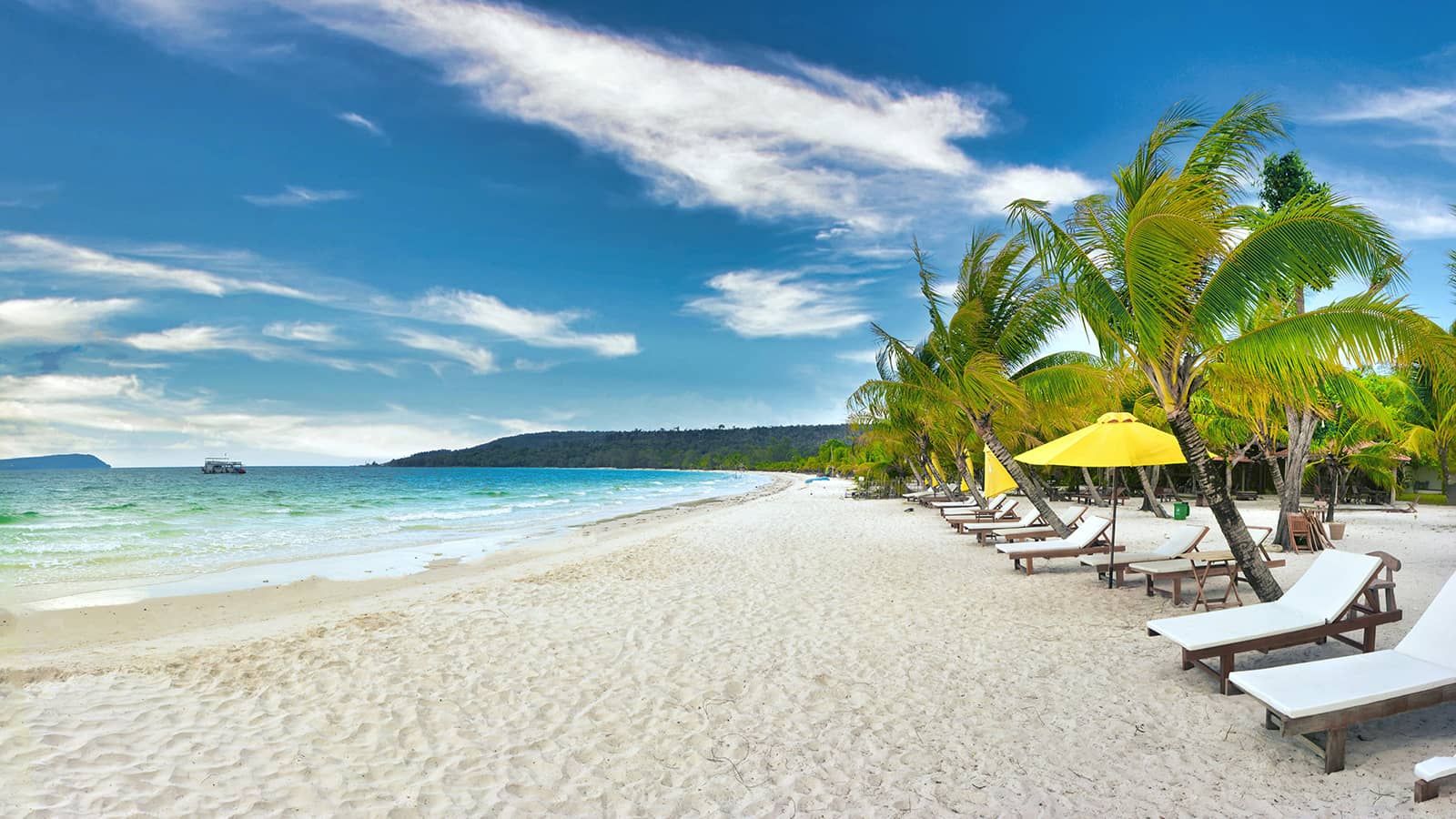
Sapi Island offers the best beaches and snorkeling. The white sand beach stretches 200 metres, backed by coastal forest where long-tailed macaques swing through the trees. Snorkel gear rental costs MYR 15, with underwater visibility often exceeding 10 metres.
Manukan Island, the largest and most developed, features restaurants, changing rooms, and water sports facilities. Parasailing costs MYR 80 per ride, while banana boat rides cost MYR 25 per person. The island’s coral reefs suffered some bleaching in 2024 but remain colorful on the deeper sections.
Mamutik and Sulug islands stay quieter with basic facilities. Gaya Island houses the Gayana Marine Resort and research station. Day trips typically include 2-3 islands, snorkel equipment, and lunch for MYR 35-50 per person.
Boats depart Jesselton Point every 30 minutes from 9am-4pm. Individual island transfers cost MYR 23 return to Sapi, MYR 28 to Manukan. Island entrance fees cost MYR 5 per island for Malaysians, MYR 10 for foreigners.
Kota Kinabalu’s Food Scene: Markets and Local Flavors

The aroma of grilled seafood and spices fills the evening air at the Night Market along Jalan Tun Fuad Stephens. Local vendors fire up charcoal grills at 5pm, serving fresh catch from Sabah’s waters until midnight.
Sabah’s signature dish, hinava (raw fish salad), features ultra-fresh mackerel “cooked” in lime juice with onions, chilies, and grated coconut. The tangy, spicy flavors wake up your palate better than any appetizer. Try the best version at Kedai Kopi Fook Yuen for MYR 12 per portion.
The Handicraft Market transforms into a food court after 6pm. Steam rises from bamboo baskets filled with sio bee (pork dumplings) and nga choy gao (seafood dumplings). The stalls serve Hakka and Hokkien specialties rarely found outside Sabah.
For breakfast, head to Kedai Kopi Yee Fung on Jalan Pantai for ngiu chap (beef noodle soup) and fresh roti canai. The coffee shop’s been family-run since 1948, serving thick, aromatic local coffee that rivals anything in Peninsular Malaysia.
Central Market’s wet market section operates from 6am-2pm. Vendors sell exotic fruits like tampoi, tarap, and bambangan alongside standard tropical varieties. The adjoining food court serves authentic Kadazan-Dusun dishes including pinasakan (fish cooked in bambangan) and tuhau (wild ginger salad).
Cultural Experiences and Museums
The Sabah Museum complex sprawls across 17 hectares in Bukit Istana Lama, showcasing Borneo’s cultural diversity. The main building’s traditional Rungus and Murut longhouse architecture houses exhibits on 32 ethnic groups calling Sabah home.
Interactive displays explain head-hunting traditions, animist beliefs, and the arrival of Islam and Christianity. The ethnobotany section demonstrates how indigenous groups use over 200 plant species for medicine, food, and crafts. Entry costs MYR 15 for adults.
Mari Mari Cultural Village, 25 minutes from the city, recreates traditional houses of five major ethnic groups. Watch Bajau horsemen, Lundayeh blowpipe demonstrations, and Murut bamboo cooking. The cultural show includes traditional dances and a feast of ethnic dishes for MYR 180 per adult.

The Atkinson Clock Tower, built in 1902, stands as Kota Kinabalu’s oldest structure. This simple wooden building survived World War II bombing that destroyed most of the old town. Climb Signal Hill Observatory next door for panoramic city and sea views, especially beautiful during sunset.
Gaya Street Sunday Market transforms the historic street into a cultural showcase. Local artisans sell handwoven textiles, traditional weapons, and carved masks alongside street food. The market runs 6am-1pm every Sunday, rain or shine.
Waterfront and City Center Activities
The expanded Kota Kinabalu Waterfront stretches 2.5 kilometres from the Hyatt Regency to Sutera Harbour. Wide walkways with shade trees make pleasant evening strolls as fishing boats return with the day’s catch against the backdrop of purple mountains.
Imago Shopping Mall anchors the waterfront district with international brands, local boutiques, and the largest food court in East Malaysia. The top floor’s cinema complex shows Hollywood blockbusters and Malaysian films in air-conditioned comfort during the hottest part of the day.
Centre Point Sabah, the city’s main shopping mall, connects directly to hotels via covered walkways. The basement supermarket stocks international groceries and local specialties like Tenom coffee and Beaufort peanuts perfect for gifts.
The State Mosque (Masjid Negeri Sabah) welcomes visitors outside prayer times. The blue-domed structure blends Islamic and contemporary architecture, surrounded by reflecting pools that mirror the building’s graceful lines. Modest dress and covered shoes required for entry.
Likas Sports Complex offers public swimming pools, tennis courts, and jogging tracks. The pools cost MYR 3 entry and provide welcome relief from humidity. The adjacent wetland reserve attracts 24 bird species including purple herons and white-bellied sea eagles.
Day Trips Beyond the City

The Crocker Range National Park, 45 minutes southeast, protects montane rainforest between 500-2,000 metres elevation. The park’s Rafflesia Information Centre showcases the world’s largest flower when specimens bloom unpredictably between March-December.
Klias River, 2 hours south, offers evening wildlife cruises through mangrove swamps. Proboscis monkeys with bulbous noses gather in riverside trees before sunset. The cruise costs MYR 120 including transfers and dinner, with 80% success rate for monkey sightings.
Tempasuk Plain, 1.5 hours north, features traditional Bajau villages and paddy fields stretching to distant mountains. The Sunday tamu (market) in Kota Belud showcases handicrafts, livestock trading, and water buffalo races during festival periods.
Tamparuli town, 40 minutes north, serves as the gateway to Ranau district and Mount Kinabalu. The famous hanging bridge spans the Tuaran River, though the original bamboo structure was replaced with concrete in 2023 for safety reasons.
Tuaran district, 30 minutes north, produces some of Sabah’s best mee tuaran (wok-fried noodles). Stop at Restoran Yew Siang for the most authentic version, served with prawns and char siu in sweet-savory sauce that defines comfort food in this region.
Nightlife and Evening Entertainment
The waterfront comes alive after sunset as street food vendors set up along the esplanade. The night market’s seafood barbecue stalls serve grilled stingray, tiger prawns, and fish with rice for MYR 15-25 per plate while traditional musicians play acoustic sets.
Beach Street Pub offers live music Thursday-Saturday with local and Filipino bands covering rock classics and contemporary hits. The outdoor seating area catches sea breezes, making it comfortable even on humid nights. Beer costs MYR 12-15 per bottle.
Shangri-La’s Tanjung Aru Resort hosts sunset cocktails at the Sunset Bar, where the sun drops behind offshore islands creating Instagram-worthy silhouettes. Cocktails cost MYR 35-45, but the view justifies the price for special occasions.

Shenanigan’s Irish Pub attracts expatriates and tourists with imported beers, live sports coverage, and pub quiz nights. The fish and chips actually taste authentic, a rarity in Malaysia. Open until 2am Friday-Saturday.
Local young people gather at coffee shops along Jalan Pantai for late-night drinks and conversation. These unpretentious venues serve beer, soft drinks, and simple snacks while staying open past midnight in a relaxed, friendly atmosphere.
Budget Planning for Kota Kinabalu
Budget Range (MYR 80-150 per day): Hostels cost MYR 25-45 per night for dormitory beds, MYR 80-120 for private rooms. Eat at local coffee shops and food courts for MYR 8-15 per meal. Use public buses (MYR 1.50 per ride) and walk when possible. Free activities include beaches, hiking trails, and window shopping at markets.
Mid-Range (MYR 200-400 per day): Three-star hotels charge MYR 120-200 per night. Mix local restaurants (MYR 12-25 per meal) with occasional air-conditioned cafes (MYR 25-40 per meal). Take taxis for convenience (MYR 15-30 per ride) and join island-hopping tours (MYR 35-50). Include paid attractions like Mari Mari Cultural Village.
Comfortable Range (MYR 500+ per day): Four and five-star hotels cost MYR 300-800 per night. Dine at hotel restaurants and international establishments (MYR 50-120 per meal). Use private transport and guided tours. Include Mount Kinabalu climbing packages (MYR 400+ per person) and premium experiences like sunset sailing.
Peak season (June-August, December-January) increases accommodation prices by 30-50%. Book well in advance during these periods. Shoulder seasons offer the best value with good weather and reasonable prices.
Frequently Asked Questions
How many days do you need in Kota Kinabalu? Three to four days covers city attractions, island hopping, and one day trip. Add two days for Mount Kinabalu climbing or extend for multiple day trips to wildlife areas and cultural sites.

Is Kota Kinabalu safe for tourists? Yes, Kota Kinabalu is very safe with low crime rates. Take normal precautions with valuables and avoid isolated areas at night. The city center and tourist areas have good lighting and police presence.
When is the best time to visit Kota Kinabalu? March to May and September to November offer the best weather with less rain and comfortable temperatures. Avoid October-February’s monsoon season, though brief afternoon showers occur year-round in this tropical climate.
Can you drink tap water in Kota Kinabalu? Tap water meets safety standards but many visitors prefer bottled water due to different mineral content and taste. Hotels provide filtered water, and bottled water costs MYR 1-2 per liter at convenience stores.
Do you need a visa to visit Kota Kinabalu? Citizens of most countries receive 90-day visa-free entry to Malaysia. Check current requirements as policies updated in 2025. Sabah has separate immigration from Peninsular Malaysia, so keep your passport when traveling between states.
Explore more
Unforgettable Things to Do in Kota Kinabalu
The Ultimate Guide to Things to Do in Kota Kinabalu
The Ultimate Guide to Unforgettable Things to Do in Kota Kinabalu
📷 Featured image by Muhammad Faiz Zulkeflee on Unsplash.