On this page
- Why Kuching Surprises Budget Travelers
- Free and Nearly-Free Things to Do in Kuching
- Where to Eat Well Without Spending Much
- Getting Around Kuching Cheaply
- Budget Accommodation Areas in Kuching
- Affordable Day Trips from Kuching
- How to Time Your Visit to Spend Less
- Shopping Smart in Kuching
- 2026 Budget Breakdown: What Things Actually Cost
- Practical Tips for Keeping Costs Down
- Frequently Asked Questions
💰 Click here to see Malaysia Budget Breakdown
💰 Prices updated: October, 2026. Budget figures are estimates — always verify before travel.
Exchange Rate: $1 USD = RM4.08
Daily Budget (per person)
Shoestring: RM100.00 – RM180.00 ($24.51 – $44.12)
Mid-range: RM250.00 – RM450.00 ($61.27 – $110.29)
Comfortable: RM500.00 – RM1,000.00 ($122.55 – $245.10)
Accommodation (per night)
Hostel/guesthouse: RM30.00 – RM60.00 ($7.35 – $14.71)
Mid-range hotel: RM110.00 – RM200.00 ($26.96 – $49.02)
Food (per meal)
Budget meal: RM15.00 ($3.68)
Mid-range meal: RM35.00 ($8.58)
Upscale meal: RM100.00 ($24.51)
Transport
Single metro/bus trip: RM2.00 ($0.49)
Monthly transport pass: RM50.00 ($12.25)
Most travelers assume Sarawak is expensive to explore — the flights from Peninsular Malaysia aren’t cheap, and the orangutan sanctuaries and national parks come with real entrance fees. That assumption stops a lot of people from making the trip. But Kuching itself, the city where most visits begin and end, is genuinely one of the most affordable urban destinations in Malaysia. Once you’re here, your daily spend can easily stay under MYR 100 if you know where to put your money. This guide breaks down exactly how to do that in 2026, including a few things that have changed since the post-pandemic tourism surge reset prices across Sarawak.
Why Kuching Surprises Budget Travelers
Kuching doesn’t try to be Kuala Lumpur. There’s no towering mall district, no relentless upscale hotel corridor, no sense that the city is trying to extract money from you at every corner. The waterfront is free. The old town is free. The weekend market is free to walk through. Much of what makes Kuching worth visiting — the layered architecture, the river life, the mixed cultural energy of Malay, Iban, Chinese, and Indian communities — costs nothing to experience.
The city is compact enough to walk between most attractions in the central area. That alone cuts transport costs significantly. Street food here is among the cheapest in East Malaysia, and the local kopitiam culture means you can have a full breakfast with coffee for under MYR 10. For a city with genuine character and strong cuisine, that’s a remarkable deal in 2026.
Free and Nearly-Free Things to Do in Kuching
Kuching’s best experiences cost very little, and several of them cost nothing at all.
Kuching Waterfront Esplanade
The Kuching Waterfront stretches about 1 kilometre along the Sarawak River and is completely free to walk. In the early evening, the air carries the faint smell of river water and satay smoke from nearby stalls, and the far bank shows a line of white colonial buildings reflected in the water. It’s one of the most pleasant free walks in any Malaysian city. The view of the Astana (the governor’s residence) from here costs nothing.
Sarawak Museum Complex
The Old Sarawak Museum, one of the oldest museums in Southeast Asia, was closed for renovation for years and partially reopened in 2025. Entry is free for Malaysians and a token MYR 5 for foreign visitors in 2026. The ethnographic collections covering Dayak, Iban, and Orang Ulu cultures are genuinely world-class. Allow at least two hours.

Square Tower and Fort Margherita
Fort Margherita reopened as a museum and is accessible via the free public ferry (tambang) across the Sarawak River. The round trip costs MYR 1 per person. The fort itself has a small entrance fee of around MYR 5. The tambang ride alone, with the river breeze and the skyline behind you, is worth doing even if you skip the fort.
Sunday Market (Pasar Minggu)
The Satok Weekend Market runs Saturday evening through Sunday morning and is entirely free to wander. It’s vast — jungle produce, live animals, handmade crafts, exotic fruits. No pressure to buy anything.
Cat Statues and Street Art
Kuching means “cat” in Malay, and the city leans into it. The giant cat statues scattered around town — the most famous sits near the Hilton on Jalan Padungan — are free photo stops. The street art along Jalan Carpenter and around the old town is similarly cost-free and genuinely creative.
Where to Eat Well Without Spending Much
Kuching has its own food identity, distinct from Peninsular Malaysia, and much of it is priced for locals rather than tourists.
Top End Hawker and Kopitiam Spots
Chong Choon Café on Jalan Padungan is one of the most reliable kolo mee spots in the city. A bowl runs MYR 7–9 in 2026. The noodles arrive at the table dry-tossed in lard and spring onions with a side of clear soup — simple, filling, and genuinely good. The coffee here is thick and dark, around MYR 3.50 a cup.
Top Spot Food Court on Jalan Bukit Mata Kuching is the go-to for seafood at reasonable prices — not the cheapest meal in Kuching, but seafood cooked well for MYR 25–40 per person is significantly cheaper than equivalent options in KL or Penang. Order midin (wild jungle fern) stir-fried with belacan; it’s a Sarawak-specific vegetable you won’t find easily elsewhere.
Jalan Song Food Court in the Kuchingnites residential area is where locals go for cheap evening meals. A full dinner with drinks here rarely exceeds MYR 15.
Mamak and Muslim Stalls
Nasi campur stalls near the Masjid India area on Jalan Masjid serve rice with multiple lauk (side dishes) for MYR 6–9. The Malay-style bubur (rice porridge) sold at morning stalls near the waterfront is around MYR 4–5 and extremely filling.

Night Market Food
The Satok Weekend Market has cooked food stalls from Saturday evening — grilled meats, fried snacks, fresh sugarcane juice (MYR 3). The smells of charcoal and palm sugar hit you before you even reach the stalls, and eating here while watching the market come alive is one of the more atmospheric free experiences in Kuching.
Getting Around Kuching Cheaply
Kuching has no MRT or LRT system. Public transport here is fundamentally different from West Malaysia, and understanding that saves money and frustration.
Walking
The central area — waterfront, old town, Jalan Carpenter, Jalan Padungan, the museum — is walkable in good shoes. Most of these are within a 15–20 minute walk of each other. Heat and humidity are real factors; walk in the morning or evening to avoid the worst of it.
Grab
Grab is the dominant rideshare platform in Kuching in 2026. A typical in-city ride rarely exceeds MYR 12–15. From Kuching International Airport to the city centre is approximately 10–12 kilometres and costs around MYR 18–22 by Grab. Metered taxis still operate but Grab is almost always cheaper and more predictable.
Public Buses
Kuching has a limited public bus network run by Sarawakian Transport Company (STC) and a few smaller operators. Routes connect the city centre to outlying areas including Damai Beach and Santubong. Fares are very cheap — typically MYR 2–4 — but schedules are irregular and the network doesn’t cover many tourist destinations directly. Best used for getting to Satok Market or the suburban food courts.
Tambang (River Ferry)
The tambang is the traditional small wooden boat that crosses the Sarawak River between the main waterfront and the north bank. Cost: MYR 1 each way. It runs during daylight hours roughly every 15–20 minutes. This is both the cheapest and most atmospheric way to cross the river.
Airport Transfer
There’s no dedicated airport bus in 2026. Grab remains the most practical option at MYR 18–22. Avoid airport taxi touts who charge fixed rates of MYR 35–45 for the same trip.
Budget Accommodation Areas in Kuching
Where you stay in Kuching shapes both your daily costs and how much you walk versus paying for transport.
Jalan Carpenter and the Old Town
This is the sweet spot for budget travelers. Several well-reviewed hostels and guesthouses operate from renovated shophouses along and around Jalan Carpenter, Jalan Wayang, and Jalan India. You’re within walking distance of the waterfront, the museums, and the best cheap eats. Expect to pay MYR 35–60 per night for a dorm bed, or MYR 90–140 for a private room in a good guesthouse.

Jalan Padungan
Slightly removed from the main tourist core, Jalan Padungan has a cluster of mid-budget guesthouses and small hotels. It’s a livelier neighbourhood at night with more local restaurants and cafes. Private rooms here run MYR 120–180 for decent quality in 2026.
Near Jalan Song and the Suburbs
If you’re on an extended stay or visiting Kuching as a base for day trips, the residential areas around Jalan Song and Tabuan Jaya have budget hotels and serviced apartments at significantly lower rates than the tourist core — MYR 80–110 per night. The trade-off is that you’ll need Grab for most trips into town.
Affordable Day Trips from Kuching
The national parks around Kuching are the main draw for most visitors. They’re not free, but the costs are manageable with planning.
Bako National Park
Bako is the most accessible park from Kuching and the best chance to see proboscis monkeys in the wild. Getting there involves a bus to Kampung Bako (around MYR 3.50) then a boat to the park (MYR 20–25 per person). Park entry is MYR 20 for foreigners. If you go as an independent traveler rather than booking an organised tour (which typically costs MYR 120–180 per person), you save significantly. Allow a full day. The park opens at 8am and the last boat back leaves around 4pm.
Semenggoh Wildlife Centre
The Semenggoh Orangutan Rehabilitation Centre is 24 kilometres south of Kuching. Entry is MYR 10 for foreigners in 2026. Getting there independently by Grab costs around MYR 25–30 each way; splitting with 2–3 people makes this very affordable. Feeding sessions happen at 9am and 3pm — book entry in advance through the Sarawak Forestry Corporation website as capacity is capped.
Kubah National Park
Less visited than Bako, Kubah is about 22 kilometres from Kuching and offers excellent jungle walks and frog watching at night. Entry is MYR 10. A Grab there and back (sharing costs with others) is MYR 40–50 total. There’s no regular public transport, so either self-drive, grab a ride, or join a small group tour.
Sarawak Cultural Village
This living museum near Damai Beach showcases traditional longhouse architecture and cultural performances. Adult entry is MYR 90 in 2026 — not cheap, but it’s a full half-day experience with cultural shows included. Budget travelers often split the cost of a day trip combining this with Damai Beach to maximise value.
How to Time Your Visit to Spend Less
Kuching doesn’t have extreme seasonal price swings like Langkawi or Perhentian, but timing still matters for budget travelers.
Avoid Malaysian school holidays — June, August, and December see higher hotel rates and busier parks. In 2026, the June school holidays run from the last week of May through mid-June. Book early or avoid these weeks entirely.
The driest months in Kuching are June and July, when Sarawak receives less rainfall. However, even during the wetter months (November through January), rain tends to come in short intense bursts rather than all-day grey. The upside of visiting in the wetter shoulder season is lower accommodation prices — you can find decent guesthouses 20–30% cheaper in November than in July.
Rainforest World Music Festival usually happens in July at the Sarawak Cultural Village. It’s a major international festival and genuinely worth timing around, but it does push hotel rates up in that week. Day tickets in 2026 run around MYR 120. If you want the festival without the peak accommodation prices, consider staying further from Damai and Grabbing out for the evening.
Shopping Smart in Kuching
Kuching has some of the best craft shopping in Malaysia, and you don’t have to pay tourist-trap prices if you know where to go.
Main Bazaar (Jalan Main Bazaar) along the waterfront has a dense row of souvenir and craft shops. Prices here are negotiable, particularly if you’re buying multiple items. Pua kumbu fabric, hand-carved wooden masks, beaded jewellery, and Sarawak pepper are the items worth buying. A 50-gram box of Sarawak white pepper costs MYR 8–15; the same item in Kuala Lumpur airport costs three times that.
Satok Weekend Market is the better option for Sarawak pepper in bulk, local honey, dried jungle herbs, and produce. Prices are not inflated for tourists because most customers are locals. Bring cash.
Tun Jugah Foundation on Jalan Tunku Abdul Rahman sells authentic Iban textiles with certification — not the cheapest place, but if you want a genuine pua kumbu rather than a machine-made imitation, this is where to buy with confidence.
Spring Shopping Mall and The Waterfront Hotel Mall are for practical needs — pharmacy, grocery runs, SIM top-ups. Hock Lee Centre is another option. Prices are standard Malaysian retail.
2026 Budget Breakdown: What Things Actually Cost
Here’s what a realistic daily budget looks like in Kuching in 2026, based on current local prices.
Budget Traveler — MYR 80–120 per day
- Accommodation: Dorm bed in a good hostel — MYR 35–55
- Breakfast at kopitiam (kolo mee + kopi): MYR 8–10
- Lunch at hawker stall: MYR 7–12
- Dinner at food court: MYR 12–18
- Transport (walking + 1–2 Grab rides): MYR 10–15
- Snacks, drinks, entrance fees: MYR 10–20
Mid-Range Traveler — MYR 180–280 per day
- Accommodation: Private room in guesthouse or budget hotel — MYR 100–160
- Meals mixing hawker and sit-down restaurants: MYR 50–70
- Transport including occasional Grab: MYR 20–30
- Entrance fees or a half-day tour: MYR 30–60
Comfortable Traveler — MYR 350–550 per day
- Accommodation: Boutique hotel or 3-star property — MYR 200–320
- Mix of restaurants and hawker meals: MYR 80–120
- Guided day trips (e.g., Bako tour): MYR 120–180
- Shopping, drinks, extras: MYR 50–100
Practical Tips for Keeping Costs Down
Get a Sarawak SIM card at the airport. Celcom, Maxis, and U Mobile all have counters at Kuching International Airport. A prepaid SIM with 30–50GB data costs MYR 30–50 in 2026. You need a working SIM immediately for Grab.
Use e-wallets for small purchases. Touch ‘n Go eWallet and GrabPay are widely accepted in Kuching even at hawker centres and markets — though Satok Market remains mostly cash. Reload through your banking app to avoid fees.
Tap water in Kuching is not safe to drink. Buy a large 1.5L bottle of mineral water at any 7-Eleven or supermarket for MYR 1.50–2. Refillable filter bottles with built-in purification are worth bringing to reduce plastic and cost.
Book Semenggoh in advance. The orangutan feeding sessions fill up fast, especially in peak season. The Sarawak Forestry Corporation online system allows advance booking — don’t rely on showing up at the gate.
Don’t tip in hawker stalls or kopitiam. Tipping is not standard practice at street-level eateries in Sarawak. Mid-range and upscale restaurants may include a 10% service charge. Check your bill before adding extra.
Weather and what to carry. Kuching sits near the equator. Humidity stays high year-round and afternoon heat can be intense. Carry water, use sunscreen, and keep a light rain jacket — sudden downpours are common especially between October and January.
Safety. Kuching is one of the safer cities in Malaysia. Petty theft exists but is not common in tourist areas. The main risk is bag snatching on motorcycles, mostly in areas away from the waterfront. Keep bags on your front and phone in your pocket in busy street areas.
Frequently Asked Questions
How much does it cost to visit Kuching on a budget per day?
A realistic budget for a frugal traveler in Kuching in 2026 is MYR 80–120 per day. This covers a hostel dorm bed, three hawker meals, a couple of short Grab rides, and basic entrance fees. Budget more — around MYR 150–200 — on day-trip days to Bako or Semenggoh.
Is Kuching cheaper than Kuala Lumpur?
Yes, for daily living costs Kuching is meaningfully cheaper than KL. Street food and accommodation in the old town are both lower priced than equivalent options in KL’s tourist areas. However, getting to Kuching from West Malaysia requires a flight, which adds a fixed cost that you don’t face when traveling within the peninsula by bus or train.
What is the cheapest way to get from Kuching Airport to the city?
Grab is the cheapest practical option in 2026, running MYR 18–22 for the roughly 12-kilometre journey. There is no dedicated public airport bus route. Avoid the fixed-rate airport taxi booths, which charge MYR 35–45 for the same trip.
Can you visit Bako National Park independently without a tour?
Yes. Take a local bus from Kuching to Kampung Bako (MYR 3.50), then hire a boat to the park entrance (MYR 20–25 per person). Pay park entry of MYR 20 at the gate. Independent visits are significantly cheaper than organised tours, which typically cost MYR 120–180 per person. The trade-off is that you manage your own timing and don’t have a guide for wildlife spotting.
When is the best time to visit Kuching on a budget?
November through early March is the shoulder season with lower hotel rates — typically 20–30% less than peak season. Rain is more frequent during these months but rarely ruins a full day. Avoid June school holidays and the Rainforest World Music Festival week in July if minimising accommodation costs is a priority.
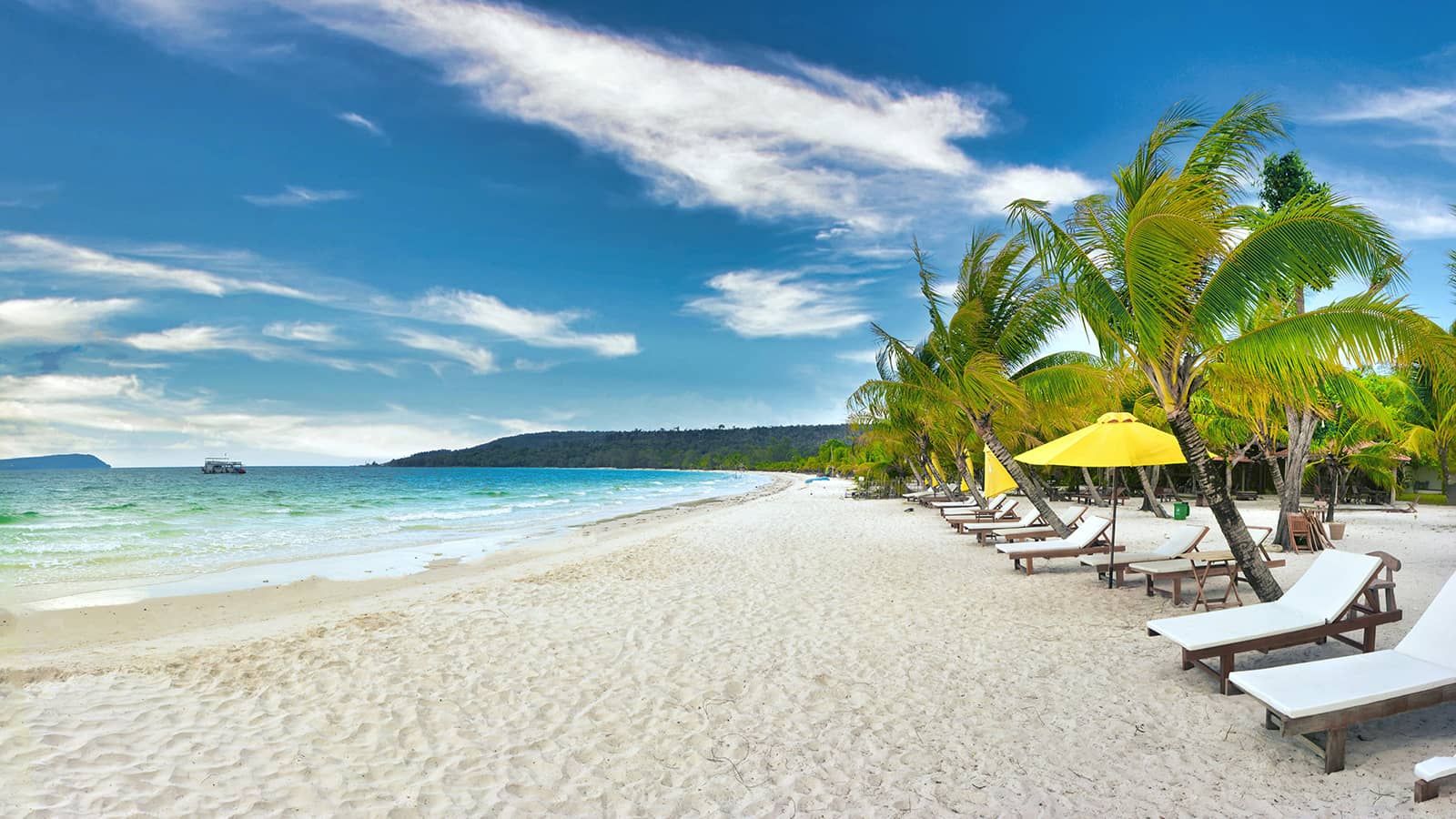
📷 Featured image by Muhamed Sukry on Unsplash.