On this page
- Long-Term Stays in Malaysia: Finding Your Perfect Digital Nomad Home
- The DE Rantau Visa: Your Legal Gateway to Long-Term Stays
- Understanding Malaysia’s Tax Rules as a Foreign Remote Worker
- What Renting an Apartment Actually Costs in 2026
- Health Insurance: What You Need Before You Arrive
- Setting Up Your Financial Life in Malaysia
- 2026 Budget Reality: Monthly Cost of Living Breakdown
- Frequently Asked Questions
Long-Term Stays in Malaysia: Finding Your Perfect Digital Nomad Home
Malaysia keeps appearing at the top of every digital nomad list, and in 2026, more remote workers are arriving with serious intentions — not just a two-week trial run. The frustration most people hit is that travel blogs describe the lifestyle without explaining the paperwork. You land in Kuala Lumpur, love the food markets with their humid spice-thick air and the sound of a dozen languages overlapping at a hawker stall, and then you start Googling visa rules at midnight and get three conflicting answers. This guide covers the actual logistics: the visa, taxes, rent, insurance, and banking — in one place, with current 2026 figures.
The DE Rantau Visa: Your Legal Gateway to Long-Term Stays
Malaysia’s DE Rantau Digital Nomad Pass is the correct visa for remote workers earning income from outside Malaysia. It is not a tourist visa workaround — it is a dedicated permit administered by the Malaysia Digital Economy Corporation (MDEC). In 2026, the programme has been running long enough that the process is well-established, though it still has specific requirements that trip people up.
Who Qualifies
- Employed by a company registered outside Malaysia, or
- Freelance/self-employed with clients based outside Malaysia
- Minimum monthly income of USD 24,000 per year (USD 2,000/month) — this threshold was confirmed and maintained in 2026
- Valid passport with at least 14 months of validity remaining
- Active health insurance that covers Malaysia
The Application Process
Applications go through the MDEC DE Rantau portal. You submit employment proof or freelance contracts, three months of bank statements showing the income threshold, a passport copy, and your health insurance certificate. Processing typically takes 3 to 5 weeks in 2026. The visa is issued for 12 months and is renewable once, giving you a potential 24-month stay. The application fee is MYR 1,000 for the first year. Dependants (spouse and children) can be added at MYR 500 per person.
What the Visa Does Not Do
The DE Rantau Pass does not authorise you to work for a Malaysian company or take local clients. It also does not automatically make you a tax resident — that is determined by days spent in Malaysia, covered in the next section. If you arrive on a social visit pass (standard tourist stamp), you cannot convert it to a DE Rantau in-country; you must apply before arrival or exit and re-enter once the pass is approved.
Understanding Malaysia’s Tax Rules as a Foreign Remote Worker
Tax is where most digital nomads operating in Malaysia get confused, and it is worth understanding clearly because the difference between resident and non-resident status is significant.
The 183-Day Rule
Under Malaysian tax law, you become a tax resident if you spend 182 days or more in Malaysia within a single calendar year. Once you cross that threshold, you are taxed on a progressive scale on Malaysian-sourced income. As a remote worker earning from foreign sources, your foreign income remitted into Malaysia has been tax-exempt since the 2022 exemption was extended. In 2026, this exemption remains in force for individuals — foreign-sourced income brought into Malaysia is not taxed for Malaysian tax residents who are individuals.
Non-Resident Tax Rate
If you spend fewer than 183 days in Malaysia in a given calendar year, you are a non-resident for tax purposes. Non-residents are taxed at a flat rate of 30% on any Malaysian-sourced income. For DE Rantau holders earning entirely from abroad, this is typically a non-issue because you have no Malaysian-sourced income. But if you ever take on a local client or contract, that income is taxable at 30% as a non-resident.
Getting a Malaysian Tax Identification Number (TIN)
Malaysia’s Inland Revenue Board (LHDN) requires most foreign nationals staying long-term to register for a Tax Identification Number. You can register online through the MyTax portal or in person at any LHDN office. You will need your passport, DE Rantau Pass, and Malaysian address. Registration itself is straightforward and takes one day in person. Having a TIN is useful for opening bank accounts and dealing with any formal financial transactions during your stay.
What Renting an Apartment Actually Costs in 2026
Rental costs vary significantly across Malaysia’s main nomad cities. The figures below are based on current 2026 market rates for furnished apartments suitable for remote work — meaning reliable air conditioning, decent internet, and a workspace. These are monthly figures.
Kuala Lumpur
Kuala Lumpur offers the widest range of apartment types. A studio or one-bedroom in areas close to MRT or LRT stations runs between MYR 1,800 and MYR 3,500 per month for a furnished unit. The Putrajaya-Cyberjaya MRT3 Circle Line extension, completed in late 2025, has made previously less-connected suburbs more accessible and slightly shifted rental demand. Two-bedroom apartments in established residential towers range from MYR 3,000 to MYR 5,500 monthly. Expect to pay a two-month deposit plus one month advance rent upfront.
Penang
George Town remains popular with longer-stay nomads who prefer a smaller-city pace. A furnished one-bedroom apartment in a mid-range condo runs MYR 1,500 to MYR 2,800 per month. Penang’s rental market has tightened slightly since 2024 due to increased demand, but it remains cheaper than KL for comparable quality. Internet infrastructure has improved significantly, with most modern condos offering fibre connections from Unifi or Maxis.
Langkawi and Kota Kinabalu
These cities attract nomads who prioritise natural surroundings. In Langkawi, monthly rentals for furnished apartments range from MYR 1,200 to MYR 2,500, though the choice of modern, well-connected units is narrower than KL or Penang. Kota Kinabalu in Sabah offers furnished one-bedrooms from MYR 1,400 to MYR 2,600, with better fibre internet availability in 2026 than in previous years following Sabah’s digital infrastructure investment programme.
How to Find Rentals
PropertyGuru, iProperty, and Mudah.my are the primary platforms. For short-to-medium-term furnished rentals (one to six months), Facebook Marketplace groups for expats in each city are active and often list units not on formal portals. Month-to-month leases are negotiable in most cases, though landlords typically prefer a minimum three-month commitment for furnished units.
Health Insurance: What You Need Before You Arrive
Health insurance is not optional for DE Rantau applicants — it is a hard requirement of the application. But even if it were not mandated, arranging proper coverage before arriving is essential. Malaysia has an excellent private hospital network, particularly in KL and Penang, but costs without insurance are significant.
What Your Policy Must Cover
MDEC requires that your health insurance explicitly covers medical treatment in Malaysia. Some international policies exclude certain Southeast Asian countries or have a vague “Asia” coverage clause that MDEC does not accept. Your certificate must state Malaysia by name or show a clear regional coverage that includes Malaysia. Minimum coverage expected is inpatient treatment; outpatient coverage is strongly recommended but not technically mandated.
Typical Premium Ranges in 2026
For a healthy adult under 40, a solid international health insurance policy covering Malaysia with reasonable inpatient and outpatient limits costs approximately MYR 4,800 to MYR 9,600 per year (MYR 400 to MYR 800 per month). Providers commonly used by nomads in Malaysia include AXA, Cigna Global, and Pacific Cross. Premiums increase with age and with the level of coverage. A basic plan covering inpatient only can come in closer to MYR 3,000 to MYR 4,500 annually for younger applicants.
Using Malaysia’s Private Healthcare System
Private hospitals in KL such as Pantai, Gleneagles, and Prince Court operate at international standards. A GP consultation at a private clinic runs MYR 60 to MYR 150 without insurance. An emergency room visit at a private hospital can reach MYR 500 to MYR 2,000 before any treatment. These numbers make clear why walking around uninsured is a poor decision, regardless of whether you feel healthy.
Setting Up Your Financial Life in Malaysia
A local bank account makes daily life considerably easier — paying rent, receiving deposits back, paying utilities, and transacting in MYR without constant currency conversion fees. The challenge is that Malaysian banks have historically been restrictive with non-citizen accounts, but the process has a workable path in 2026.
Opening a Local Bank Account
With a DE Rantau Pass, you can open a personal account at most major Malaysian banks including Maybank, CIMB, and RHB. You will need your passport, DE Rantau Pass, proof of Malaysian address (a rental agreement works), and your TIN. Some branches require an appointment; others serve walk-ins. The process takes one to two days in most cases. Maybank has a specific process for foreign pass holders that is well-documented and generally smooth.
Digital Banking and Transfers
Many nomads use Wise or Revolut to move money from abroad into Malaysia at competitive exchange rates, then transfer to their local account as needed. In 2026, Wise operates in Malaysia with MYR as a supported currency, making the conversion step clean. GrabPay and Touch ‘n Go eWallet are widely used for everyday transactions and can be loaded from a local bank account.
SIM Cards and Internet
A local SIM from Maxis, Celcom, or U Mobile is inexpensive and available at airports and convenience stores. Unlimited data plans run MYR 50 to MYR 80 per month. For home internet, Unifi fibre packages start at MYR 79 per month for 300Mbps, with higher-tier plans up to 1Gbps at MYR 149 per month. Activation for a new subscriber in a leased apartment typically requires your passport and the landlord’s agreement, and takes three to seven working days.
2026 Budget Reality: Monthly Cost of Living Breakdown
The numbers below represent realistic monthly costs for a single remote worker in Malaysia. These are based on 2026 market conditions and assume a furnished apartment already secured.
Budget Tier (MYR 3,500 – MYR 5,000/month)
- Rent: MYR 1,500 – MYR 2,000 (smaller city or basic KL unit)
- Food: MYR 600 – MYR 900 (hawker meals and occasional restaurant)
- Transport: MYR 150 – MYR 250 (public transit, occasional Grab)
- Utilities and internet: MYR 200 – MYR 350
- Health insurance: MYR 350 – MYR 500
- Miscellaneous: MYR 400 – MYR 600
Mid-Range Tier (MYR 5,500 – MYR 8,000/month)
- Rent: MYR 2,500 – MYR 3,800 (good KL or Penang location)
- Food: MYR 900 – MYR 1,400 (mix of hawker, restaurants, and groceries)
- Transport: MYR 300 – MYR 500
- Utilities and internet: MYR 300 – MYR 450
- Health insurance: MYR 500 – MYR 700
- Miscellaneous (gym, entertainment, travel within Malaysia): MYR 700 – MYR 1,200
Comfortable Tier (MYR 9,000 – MYR 14,000/month)
- Rent: MYR 4,500 – MYR 7,000 (premium KL apartment or fully serviced unit)
- Food: MYR 1,500 – MYR 2,500 (frequent restaurants, cafes, international dining)
- Transport: MYR 500 – MYR 800 (Grab regularly, occasional short-haul flights)
- Utilities and internet: MYR 400 – MYR 600
- Health insurance: MYR 700 – MYR 1,000 (comprehensive plan)
- Miscellaneous: MYR 1,200 – MYR 2,000
For context, Malaysia’s cost of living remains substantially lower than Singapore, Hong Kong, or major European cities. A mid-range lifestyle in KL costs roughly what a budget lifestyle costs in London or Sydney in 2026. The affordability is real — the nasi lemak you eat at a morning market, the aromatic pandan and coconut rice wrapped in banana leaf for MYR 3 to MYR 5, underscores a broader truth about daily life here: quality food, transport, and basic services remain accessible at prices that simply do not exist in most Western cities.
Frequently Asked Questions
Can I apply for the DE Rantau Pass while already in Malaysia on a tourist stamp?
No. The DE Rantau Pass must be applied for before arriving in Malaysia, or you need to exit the country and re-enter after approval. Attempting to convert a social visit stamp to a DE Rantau in-country is not an accepted process. Apply through the MDEC portal before your intended arrival date, accounting for the 3–5 week processing time.
Does the DE Rantau visa allow my spouse to work remotely too?
Your spouse can be added as a dependant on your DE Rantau Pass, but a dependant pass does not independently authorise remote work for clients outside Malaysia unless the spouse also meets the income threshold and applies separately. In practice, many dependant spouses who work remotely for foreign employers do so under their own qualifying status, so each person should apply individually if both are remote workers.
How does the 183-day tax residency rule work if I travel in and out of Malaysia?
The 183 days do not need to be consecutive. They are counted across the full calendar year (January to December). Days of departure and arrival are typically counted as days present. If you travel frequently and are not sure where you stand, an LHDN-registered tax agent can calculate your residency status accurately. This matters most if you have any Malaysian-sourced income.
Is Malaysia’s internet infrastructure reliable enough for full-time remote work?
In Kuala Lumpur and Penang, fibre internet in modern condominiums is consistently reliable for video calls, cloud work, and large file transfers. Speeds of 300Mbps to 1Gbps are standard in new residential buildings. In Langkawi and Kota Kinabalu, infrastructure has improved noticeably since 2024, but connection quality is more building-specific — always confirm fibre availability with the landlord before signing a lease.
What happens after my 24-month DE Rantau Pass expires?
The DE Rantau Pass is renewable once for a second 12-month period, giving a maximum of 24 months total. After that, there is no direct renewal path within the same programme as of 2026. Some nomads transition to the Malaysia My Second Home (MM2H) programme for longer-term residence, though MM2H has significantly higher financial requirements. Others cycle through DE Rantau, leave for a period, and monitor any programme updates from MDEC regarding future options.
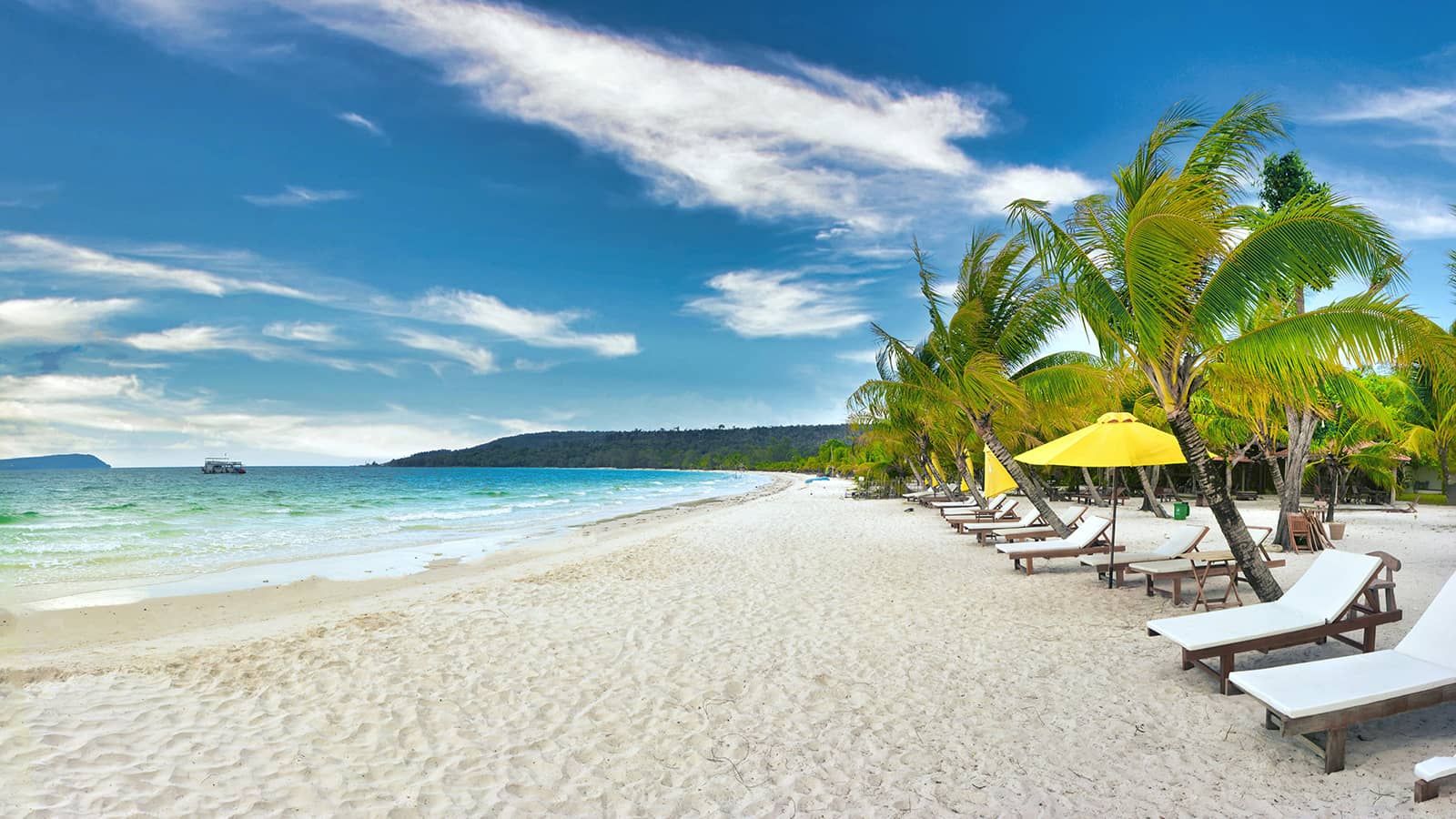
📷 Featured image by Khaleelah Ajibola on Unsplash.