On this page
💰 Click here to see Malaysia Budget Breakdown
💰 Prices updated: August, 2026. Budget figures are estimates — always verify before travel.
Exchange Rate: $1 USD = RM4.03
Daily Budget (per person)
Shoestring: RM100.00 – RM200.00 ($24.81 – $49.63)
Mid-range: RM180.00 – RM400.00 ($44.67 – $99.26)
Comfortable: RM450.00 – RM1,300.00 ($111.66 – $322.58)
Accommodation (per night)
Hostel/guesthouse: RM20.00 – RM70.00 ($4.96 – $17.37)
Mid-range hotel: RM100.00 – RM350.00 ($24.81 – $86.85)
Food (per meal)
Budget meal: RM15.00 ($3.72)
Mid-range meal: RM35.00 ($8.68)
Upscale meal: RM100.00 ($24.81)
Transport
Single metro/bus trip: RM2.00 ($0.50)
Monthly transport pass: RM150.00 ($37.22)
With Langkawi prices creeping toward Thai resort territory and the Redang luxury market expanding fast in 2026, many travellers are looking again at the Perhentian Islands — the pair of small islands off Terengganu’s northeast coast that have somehow kept their raw, barefoot charm while everywhere else got expensive. That charm comes with trade-offs, and this guide is honest about both.
What Makes Perhentian Different From Malaysia’s Other Islands
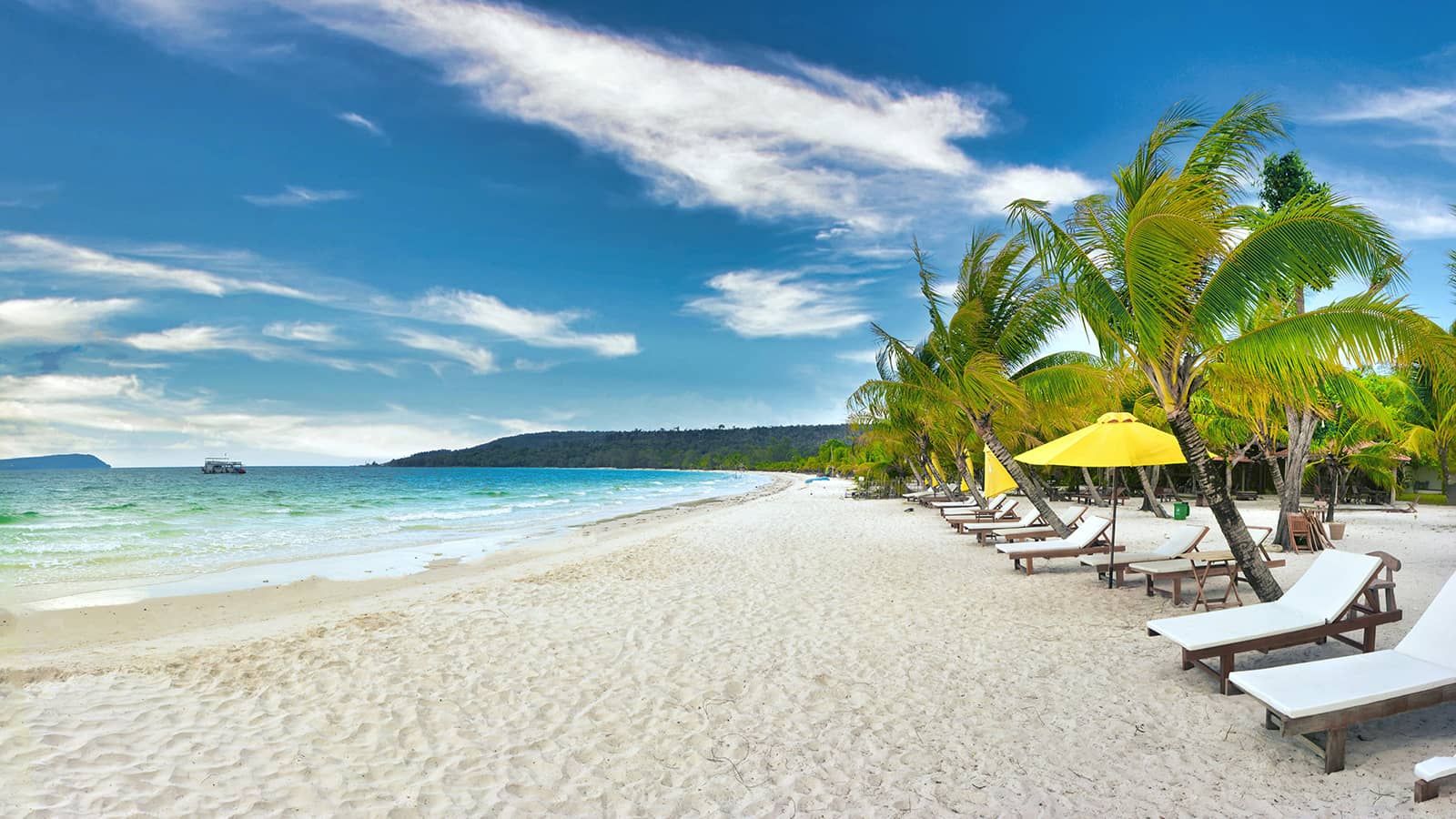
The Perhentians are not polished. There are no five-star infinity pools, no beach clubs with cocktail menus, and no air-conditioned shopping arcades. What they have instead is something increasingly rare in Malaysia‘s island scene: water so clear you can see the sand ripple 6 metres below your snorkel, and a pace of life that genuinely slows you down within hours of arriving.
The islands sit inside the Terengganu Marine Park, which means strict rules on fishing, coral collection, and development. That marine park status is the single biggest reason the Perhentians still look the way they do. Boats anchor offshore rather than directly over reefs. Plastic bag use is actively discouraged at most chalets and restaurants. The islands still run on generators for parts of the day — a minor inconvenience that keeps the Instagram crowd thin and the atmosphere authentic.
What you feel on arrival is the heat of the South China Sea air — thick, salt-heavy, and immediate — as the speedboat engine cuts and you drift toward a wooden jetty with jungle rising steeply behind it. This is not a curated arrival experience. It is just the island, unchanged in its essentials.
Kecil vs. Besar — Choosing the Right Island for You
The Perhentians are two islands: Pulau Perhentian Kecil (Small Island) and Pulau Perhentian Besar (Large Island). They are separated by a narrow strait and share the same ferry connection from the mainland, but they attract very different travellers.
Pulau Perhentian Kecil
Kecil is the backpacker island. Long Beach (Pasir Panjang) is its main strip — a 500-metre stretch of white sand lined with budget chalets, small restaurants, and the kind of easy social scene where you share a table with strangers and swap snorkelling stories. Coral Bay on the western side is quieter and more family-friendly, with calmer water for swimming. If you are travelling solo, on a tight budget, or simply want the loose, social energy that Koh Tao had fifteen years ago, Kecil is your island.
Pulau Perhentian Besar
Besar is larger, more spread out, and noticeably quieter. Accommodation here runs slightly more expensive and tends toward small resorts rather than backpacker chalets. The beaches are less crowded, and the atmosphere is genuinely peaceful — couples and families with young children tend to gravitate here. Turtle Beach on Besar’s northern tip is one of the best spots in Malaysia to see green turtles feeding in the shallows, especially in the early mornings between May and August.
The Underwater World
The Perhentians have some of the most accessible marine life in Malaysia, and that is not marketing language. You do not need a boat for the best snorkelling — Long Beach’s southern end and Coral Bay’s reef fringe are within swimming distance from shore. Blacktip reef sharks patrol the sandy bottom at several sites. Hawksbill turtles are sighted regularly. Schools of bumphead parrotfish, lionfish hovering near coral heads, and the occasional whale shark passing through deeper water between May and July — the diversity here is legitimate.
Scuba diving is well-established on both islands. The main dive sites — D’Lagoon, Sugar Wreck, and Tokong Laut — are all within a short boat ride. In 2026, several dive operators on Kecil have upgraded their equipment and now offer PADI Open Water courses starting from around MYR 900, which remains competitive compared to Redang and Tioman. Advanced courses and fun dives for certified divers run from MYR 130 to MYR 180 per dive depending on the operator and site.
Where to Eat on the Perhentians
Food on the Perhentians is simple and largely confined to the restaurant attached to your chalet or a short walk along the beach. There are no hawker centres, no mamak stalls at midnight, and no food delivery apps. What exists is a small circuit of open-air restaurants serving reliable Malaysian standards — nasi goreng, mee goreng, fresh grilled fish, and chicken rice — alongside Western backpacker staples like banana pancakes and pasta.
The standout meal on Kecil is fresh grilled reef fish ordered by weight, typically served with plain rice and a simple salad. The fish comes off the grill with a char that carries the smell of the sea right to your table, and eating it with your feet in the sand as the tide comes in at dusk is one of those experiences that stays with you longer than the photos. Expect to pay MYR 25–45 for a whole fish depending on size and species.
Alcohol is available at most restaurants on both islands despite this being a Terengganu state destination — the tourist zone operates with pragmatic flexibility. A cold Carlsberg or Tiger runs MYR 12–15. Juices and fresh coconuts are cheaper and frankly more refreshing in the heat.
Getting There in 2026
The gateway to the Perhentians is Kuala Besut jetty in Terengganu, about 18 kilometres from Pasir Puteh. The speedboat crossing to the islands takes approximately 45 minutes and runs regularly from around 7:30am to 5:30pm daily during the open season (roughly mid-March to late October). Return boat fare in 2026 is around MYR 70–80 per person depending on the operator.
From Kuala Lumpur, you have two realistic options. Flying is the faster route — AirAsia and Batik Air operate flights from KLIA2 to Sultan Mahmud Airport in Kuala Terengganu, from where a taxi or grab to Kuala Besut takes around 1.5 to 2 hours and costs MYR 80–110. Flight prices fluctuate but budget fares start from MYR 99 one-way if booked early.
The bus option is long but cheap. Several companies run overnight buses from TBS (Terminal Bersepadu Selatan) in KL directly to Kuala Besut, arriving in time for the morning boats. The journey runs 7–8 hours and costs MYR 35–55 depending on the operator and seat class. In 2026, Transnasional and a handful of smaller operators still service this route reliably.
Day Trip or Overnight?
The Perhentians are not a day trip destination. A day trip is technically possible from Kota Bharu — it is closer than Kuala Terengganu — but after the boat crossing, marine park fees, and the time needed to actually get into the water, you would have perhaps three hours on the island before turning around. It is not worth it.
Three nights is the sweet spot for most travellers. You get two full days in the water, enough time to explore both Kecil and Besar by water taxi if you want to compare them, and a relaxed departure morning. The islands reward slowing down — rushing them defeats the purpose. If you have four or five nights, you will not be bored, especially if you are doing a dive course.
2026 Budget Reality
The Perhentians remain genuinely affordable by Malaysian island standards, though prices have risen modestly since 2024 — particularly for accommodation after the 2025 tourist season saw near-full occupancy across both islands.
- Budget (MYR 60–120/night): Fan-cooled chalet with shared or private bathroom on Kecil’s Long Beach. Basic but clean. Bunk dorm beds on some properties run MYR 35–55 per bed.
- Mid-range (MYR 150–280/night): Air-conditioned chalet with ensuite bathroom, usually on Kecil’s Coral Bay or the smaller beaches on Besar. Most include breakfast.
- Comfortable (MYR 300–550/night): The better-appointed resorts on Besar, including Bubu Resort and Perhentian Island Resort, which have sea-view rooms, pools, and on-site dive centres.
Beyond accommodation, daily costs are manageable. Budget travellers who cook nothing (the islands have no kitchens for guests) typically spend MYR 40–70 per day on food and drinks. Add snorkelling gear rental at MYR 15–25 per day and marine park entry at MYR 30 per person (payable on the boat), and an all-in daily spend of MYR 120–150 is realistic at the budget end without dive activities.
Practical Tips Before You Go
The Perhentians are closed to tourists from approximately early November to mid-March due to the northeast monsoon. Seas become dangerously rough, boats stop running, and most accommodation shuts entirely. Do not plan a visit outside the open season — the islands will simply be inaccessible.
ATMs do not exist on the islands. Bring enough cash in Malaysian Ringgit from the mainland. Some mid-range and higher properties accept card payment, but connectivity is unreliable and you should not count on it. The nearest ATM is in Kuala Besut town, just before the jetty.
Mobile data works on both islands but is patchy. Celcom and Maxis tend to have the most consistent signal on Kecil. Digi and U Mobile users often find coverage drops entirely in certain parts of Besar.
Dress codes are not enforced at the beach, but both islands are in Terengganu — a more conservative state — and covering up when walking through the village areas of Besar is respectful and appreciated. Bikinis on the beach are fine; bikinis at the local kedai are not.
Sunscreen matters more than anywhere else because the equatorial sun over open water is brutal. Reef-safe formulations only — several dive operators and accommodation providers on both islands have started actively turning away guests using chemical sunscreens, and marine park rangers have the authority to enforce this under updated 2025 guidelines.
Frequently Asked Questions
When is the best time to visit the Perhentian Islands?
May through September offers the calmest seas and best underwater visibility — often 15 to 20 metres. July and August are peak season and accommodation fills quickly, so book at least 6 weeks ahead. Late March to early May and October are shoulder months with fewer crowds and reasonable conditions, though seas can be unpredictable at the edges of the season.
Do I need to pay a marine park entry fee?
Yes. In 2026, the Terengganu Marine Park Conservation Fee is MYR 30 per person. It is collected on the speedboat from Kuala Besut — the boat operator will ask for it during the crossing. The fee is valid for your entire stay, not per day. Keep your receipt as rangers do occasionally check for it at popular snorkelling sites.
Are the Perhentians suitable for families with young children?
Yes, particularly Coral Bay on Kecil and the main beach on Besar, where water is calm and shallow enough for children to play safely. Some budget accommodation on Long Beach involves uneven terrain and rustic facilities that are less practical with very young kids. The mid-range properties on Besar are better equipped for families.
Is it safe to snorkel directly from the beach?
Generally yes, at the calmer bays like Coral Bay and the southern end of Long Beach. Always wear fins for reef protection and your own stability. Be aware of boat traffic lanes — speedboats cross close to some beaches and you should stay within visible distance of shore. Flying a surface marker buoy (SMB) is not required but makes you more visible to boat operators.
How do I get from Perhentian back to Kuala Lumpur in one day?
It is possible but tight. Take the earliest boat from the island to Kuala Besut (around 7:30–8:00am), then either a pre-booked taxi to Kuala Terengganu Airport for a midday flight, or catch a bus from Kuala Besut toward KL for an afternoon arrival. Allow at least 30 minutes buffer at every connection — the boat can run slightly late and there is no recovery time if you miss a transfer.
📷 Featured image by engin akyurt on Unsplash.