On this page
- Why Bako Deserves More Than a Passing Visit
- Getting to Bako National Park from Kuching
- Park Entry, Permits, and What to Book in Advance
- The Best Trails for Day Trippers
- Wildlife You Can Actually Expect to See
- Where to Eat at Bako
- What to Pack for a Day Trip
- Swimming, Beaches, and Non-Hiking Activities
- 2026 Budget Breakdown
- Practical Tips for a Smooth Visit
- Frequently Asked Questions
💰 Click here to see Malaysia Budget Breakdown
💰 Prices updated: August, 2026. Budget figures are estimates — always verify before travel.
Exchange Rate: $1 USD = RM4.03
Daily Budget (per person)
Shoestring: RM100.00 – RM200.00 ($24.81 – $49.63)
Mid-range: RM180.00 – RM400.00 ($44.67 – $99.26)
Comfortable: RM450.00 – RM1,300.00 ($111.66 – $322.58)
Accommodation (per night)
Hostel/guesthouse: RM20.00 – RM70.00 ($4.96 – $17.37)
Mid-range hotel: RM100.00 – RM350.00 ($24.81 – $86.85)
Food (per meal)
Budget meal: RM15.00 ($3.72)
Mid-range meal: RM35.00 ($8.68)
Upscale meal: RM100.00 ($24.81)
Transport
Single metro/bus trip: RM2.00 ($0.50)
Monthly transport pass: RM150.00 ($37.22)
Why Bako Deserves More Than a Passing Visit
Most travelers in Kuching in 2026 face the same problem: they have one free day, a list of things to see, and no idea whether Bako National Park is worth the effort to get there. The logistics look complicated on paper — a bus, then a boat, then a jungle — and the question is always whether the wildlife and scenery actually deliver. The honest answer is yes, but only if you go in with the right expectations and a bit of preparation. Bako is not a zoo. It is Sarawak’s oldest national park, and it behaves like one.
Bako sits at the end of a peninsula where the Bako and Kuching rivers meet the South China Sea, about 37 kilometres from the city. In a single day you can walk through seven distinct vegetation types, watch proboscis monkeys feed in the late afternoon, sit on a deserted beach, and be back in Kuching for dinner. That combination — genuine wilderness within reach of a mid-sized city — is rare anywhere in Southeast Asia. What has changed in 2026 is that the Sarawak Forestry Corporation has tightened its advance booking system, meaning you cannot simply show up and expect to get on a boat. Planning matters now more than it ever did.
Getting to Bako National Park from Kuching
The journey is a two-leg trip: a bus ride to Kampung Bako, followed by a short boat ride to the park headquarters. Neither leg is difficult, but they need to connect properly or you waste hours waiting.
By Public Bus
Kuching’s Sarawak Transport Company (STC) Bus 1 runs from the Kuching Waterfront Bus Terminal to Kampung Bako. In 2026, buses depart roughly every 45 minutes starting from around 7:00am. The fare is MYR 3.50 each way. The ride takes about 50 minutes depending on traffic. This is the cheapest option and perfectly reliable for an early start, which is strongly recommended.
By Taxi or Grab
A Grab to Kampung Bako runs between MYR 35–55 depending on traffic and time of day. It takes 35–40 minutes. This makes sense if you are traveling in a group of three or four and want to maximize time in the park by arriving early without waiting for buses.
The Boat from Kampung Bako
At the jetty in Kampung Bako, shared boats take you to the park headquarters. The ride takes 20–25 minutes across open water and through mangroves — and on a clear morning, the red and orange sea stacks rising out of the water are the first sign that this place is genuinely dramatic. Boats are shared and depart when they have enough passengers (usually 5–6 people). The boat fare is MYR 25 per person each way in 2026. Private boats cost MYR 120–150 return for the whole boat, worth it for small groups who want departure flexibility.
Return boats from the park back to Kampung Bako run until around 5:30pm. Miss that last boat and your options are expensive. Factor this into your planning.
Park Entry, Permits, and What to Book in Advance
Since 2024, the Sarawak Forestry Corporation has required all visitors to register and pay park fees online before arrival. In 2026, this system is firmly established and non-negotiable for foreign visitors. Turning up without a booking during peak season — June to August and Malaysian school holidays — risks being turned away at the jetty.
How to Book
Go to the official Sarawak Forestry online portal (forestry.sarawak.gov.my) to register and pay. You will need your passport number, entry date, and intended trails. Bookings open 30 days in advance. For popular weekends in June and July, book as early as possible.
Entry Fees in 2026
- Foreign adult: MYR 20 per person
- Foreign child (6–17 years): MYR 7
- Malaysian citizen adult: MYR 5
- Camera fee: MYR 5 for professional cameras (smartphone cameras are free)
There is no guide requirement for standard day trails, but a licensed park guide is compulsory for longer or more remote trails. Guide fees start at MYR 80–120 for a half-day. The park ranger station at headquarters can arrange guides on the day, but if you want a specific trail or a morning wildlife walk, book a guide in advance through the forestry portal or contact the park office directly.
The Best Trails for Day Trippers
Bako has 16 marked trails covering everything from 15-minute walks to full-day jungle crossings. For a day trip, you are realistically looking at completing two to three shorter trails, or one medium trail with time left for the beach.
Telok Paku Trail (Lintang + Telok Paku Loop) — Best Overall Day Trip Route

Distance: About 3.5 km loop. Time: 2–2.5 hours. This is the most popular combination for a reason. The Lintang Loop takes you through multiple vegetation zones including kerangas heath forest and pitcher plant territory, while the Telok Paku extension leads to a beach. Moderate difficulty — some uneven roots and a few steep sections. Well-marked with colour-coded posts.
Telok Assam Trail
Distance: 0.5 km. Time: 20 minutes return. This flat, easy walk starts right at headquarters and leads to a small beach where you are almost guaranteed to see long-tailed macaques. Good for families or anyone who wants a shorter option. The beach itself is clean and quiet on weekday mornings.
Ulu Serait / Bukit Gondol Trail
Distance: 5–7 km depending on route. Time: 3.5–5 hours. This is for fitter hikers who want elevation and panoramic views over the park’s sea stacks and coastline. The climb is steep in sections but the view from the top is among the best in all of Sarawak. Start this one no later than 9:00am to avoid hiking back in the hottest part of the day.
Pitcher Plant Trail (Jalan Lintang)
Bako is one of the best places in Borneo to see wild pitcher plants without a specialist guide. The kerangas section of the Lintang Loop passes through low, scrubby vegetation where Nepenthes pitcher plants grow in the sandy soil. You will smell the slightly sweet, slightly fermented air around them before you see them.
Wildlife You Can Actually Expect to See
Bako’s star attraction is the proboscis monkey — the large, pot-bellied primate with an absurdly oversized nose that is endemic to Borneo. Bako has a reliable population, and the best time to see them is late afternoon between 4:00pm and 5:30pm near the mangroves around the park headquarters and along the boardwalk toward Telok Assam. In the early morning, check the trees near the canteen and the main jetty area.
Long-tailed macaques are everywhere and completely unafraid of humans. Keep your bag zipped and do not leave food unattended — they are faster and bolder than they look. Silver leaf monkeys (also called silvered langurs) are shyer but seen regularly on the Lintang Loop.
Other wildlife you can reasonably expect on a day visit:
- Monitor lizards (large water monitors patrol the beach and headquarters area openly)
- Bearded pigs wandering through the campsite at dusk
- Numerous hornbill species, especially in the early morning
- Kingfishers along the mangrove edges during the boat ride in and out

The Bornean pygmy elephant and orangutan do not live in Bako — this is a common misconception. For orangutans near Kuching, the Semenggoh Wildlife Centre is the correct destination.
Where to Eat at Bako
There is exactly one food option inside the park: the canteen at headquarters. It serves basic Malaysian meals — nasi goreng, mee goreng, rice with simple sides, and instant noodles. It is functional, not exciting. In 2026 a plate of rice with two side dishes costs around MYR 10–15. The canteen opens at 7:30am and closes by 6:00pm. It also sells cold water, soft drinks, and basic snacks like biscuits and instant noodles in packets.
Most experienced visitors pack their own lunch. A roti canai and teh tarik breakfast before you leave Kuching, plus a packed lunch of sandwiches or economy rice from a Kuching market, saves both money and disappointment. There are no convenience stores or restaurants anywhere outside the headquarters building.
Fresh drinking water is available free at the park headquarters taps. The water is treated and safe. Refill your bottles before heading out on any trail — this is not optional in Sarawak’s humidity.
What to Pack for a Day Trip
The park provides nothing beyond basic trail markers and the canteen. Everything you need for comfort and safety comes with you from Kuching.
- Water: Minimum 2 litres per person. More if you are doing longer trails.
- Footwear: Proper trail shoes or hiking sandals with grip. Flip-flops are genuinely dangerous on the root-covered trails. Several visitors twist ankles every month.
- Insect repellent: DEET-based, applied to ankles, wrists, and neck. The park has mosquitoes, sand flies near the beaches, and leeches after rain.
- Leech socks: Sold in Kuching outdoor shops for around MYR 8–15 a pair. Worth every ringgit if it has rained recently.
- Rain jacket or packable poncho: Afternoon storms arrive fast and without much warning.
- Swimwear: If you plan to swim at any of the beaches, wear it under your clothes.
- Sunscreen and a hat: The beach sections have zero shade.
- Dry bag or waterproof pouch: For your phone and passport on the boat ride — spray can come over the sides in choppier conditions.
- Snacks and packed food: As discussed above.
Swimming, Beaches, and Non-Hiking Activities
Bako is not purely a hiking destination. Several beaches are accessible on foot from headquarters, and they are genuinely beautiful — isolated, backed by jungle, with the distinctive iron-red sandstone cliffs that make Bako’s coastline look unlike anywhere else in Malaysia.

Telok Assam beach is the closest and accessible in under 30 minutes from headquarters. The water is calm enough to wade and swim safely in dry season. Telok Paku beach, reached via the trail of the same name, takes about 1.5 hours and is quieter still.
Swimming is permitted at designated beaches. Check with park rangers on the day about current jellyfish or crocodile activity — estuarine crocodiles are present in Bako’s rivers and mangroves, and rangers will tell you if there has been recent sightings near swimming areas. This is not alarmist; it is standard park protocol.
The boat ride itself is one of the underrated highlights. The 20-minute journey through the river mouth passes sea stacks, red cliffs, and mangrove edges. On the way back in the late afternoon, the light hits the rock formations at a low angle and the water turns gold. Sit at the front of the boat if you can.
2026 Budget Breakdown
Here is a realistic cost breakdown for a solo traveler doing a full day trip from Kuching to Bako and back in 2026.
Budget Tier (Public Transport + Self-Catering)
- STC Bus 1 return (Kuching to Kampung Bako): MYR 7
- Shared boat return (Kampung Bako to park): MYR 50
- Park entry fee (foreign adult): MYR 20
- Canteen lunch: MYR 15
- Water and snacks from Kuching before departure: MYR 10
- Total: approximately MYR 102 per person
Mid-Range Tier (Grab + Guide)
- Grab each way (split 2 ways): MYR 40
- Private boat return (split 2 ways): MYR 75
- Park entry fee: MYR 20
- Half-day guide: MYR 100
- Canteen meals and drinks: MYR 30
- Total: approximately MYR 265 per person
Comfortable Tier (Private Transfer + Guide + Overnight Option)
Some visitors choose to arrive the day before on a late afternoon boat, stay in park accommodation (chalets start at MYR 120/night), and do the early morning wildlife walk before day-trippers arrive. Add private car transfer (MYR 100–130 each way), a full-day guide (MYR 180–220), and chalet accommodation, and you are looking at MYR 550–700 for the full experience. This is the version that serious wildlife watchers choose.
Practical Tips for a Smooth Visit
Timing Your Day
Arrive at the park by 9:00am at the very latest for a full day trip. Wildlife activity drops sharply between 11:00am and 3:00pm when it is hottest. Use that window for the canteen, beach swimming, or shorter flat trails. Resume hiking after 3:30pm and position yourself near the mangroves by 4:30pm for the proboscis monkey afternoon feeding.

Leeches After Rain
Bako gets significant rainfall year-round. Within 24 hours of rain, land leeches appear on leaf litter and low vegetation along the trails. They are harmless but alarming if you are unprepared. Leech socks pulled over your hiking trousers, DEET on exposed skin, and a salt sachet in your pocket (to remove any that get through) are the standard approach.
Mobile Signal
There is limited Maxis and Celcom signal at headquarters in 2026, but it drops to nothing on most trails. Download the trail map from the park’s forestry website or take a screenshot before you leave the jetty. Do not rely on Google Maps inside the forest.
Monkey Safety
Long-tailed macaques have raided daypacks, grabbed food from hands, and on one recent occasion in 2025 opened a visitor’s unzipped bag while she was photographing pitcher plants. Keep bags closed, do not make eye contact or smile at them (bared teeth read as aggression), and never feed them — it is illegal and makes them more aggressive toward the next visitor.
Weather Windows
The driest and most reliable period for Bako is April through September. October through December brings the northeast monsoon and rougher seas, which can cancel boat services. January and February can also be wet. Even in dry season, afternoon storms are common. Check the PRAASA weather service for Kuching before you go and build your schedule around an earlier rather than later return to the jetty.
What to Do If You Miss the Last Boat
Park accommodation is available at headquarters — chalets, hostel dorms, and camping. If weather or timing means you cannot get back, the park will accommodate you. Dorm beds cost around MYR 20–30 per night. Call the park office in advance if you think your plans might be flexible: +60 82-248088.
Frequently Asked Questions
How long does it take to get from Kuching to Bako National Park?
The full journey takes about 1.5 hours from central Kuching. The bus from Kuching Waterfront to Kampung Bako takes roughly 50 minutes, and the boat from the jetty to park headquarters takes 20–25 minutes. Grab or private taxi cuts the road section to about 35 minutes.
Do I need to book Bako National Park in advance in 2026?
Yes. The Sarawak Forestry Corporation requires advance online registration and fee payment for foreign visitors. During peak season — June, July, August, and Malaysian school holidays — the park can reach daily capacity. Book through the official forestry portal at least a week ahead, ideally earlier.

Can I see proboscis monkeys at Bako National Park on a day trip?
Yes, and fairly reliably. The best viewing times are early morning (7:30–9:00am) and late afternoon (4:00–5:30pm) near the mangroves around park headquarters. Arriving early and staying until at least 5:00pm maximizes your chances of seeing them actively feeding in the trees above the boardwalk.
Is Bako National Park suitable for children?
Yes, with the right trail choices. The Telok Assam trail is flat, short, and ends at a beach — suitable for children from about age five upward. Avoid longer or steeper trails with young children. Bring insect repellent, sun protection, and plenty of water. The macaques can be intimidating for small children, so keep food out of sight.
What is the best time of year to visit Bako National Park?
April through September is the driest and most reliable period. Boat services are less likely to be disrupted by rough seas, and trails dry out faster after rain. July and August are the busiest months due to school holidays — the park experience is better but booking is more competitive. Shoulder months of April, May, and September offer good weather with smaller crowds.
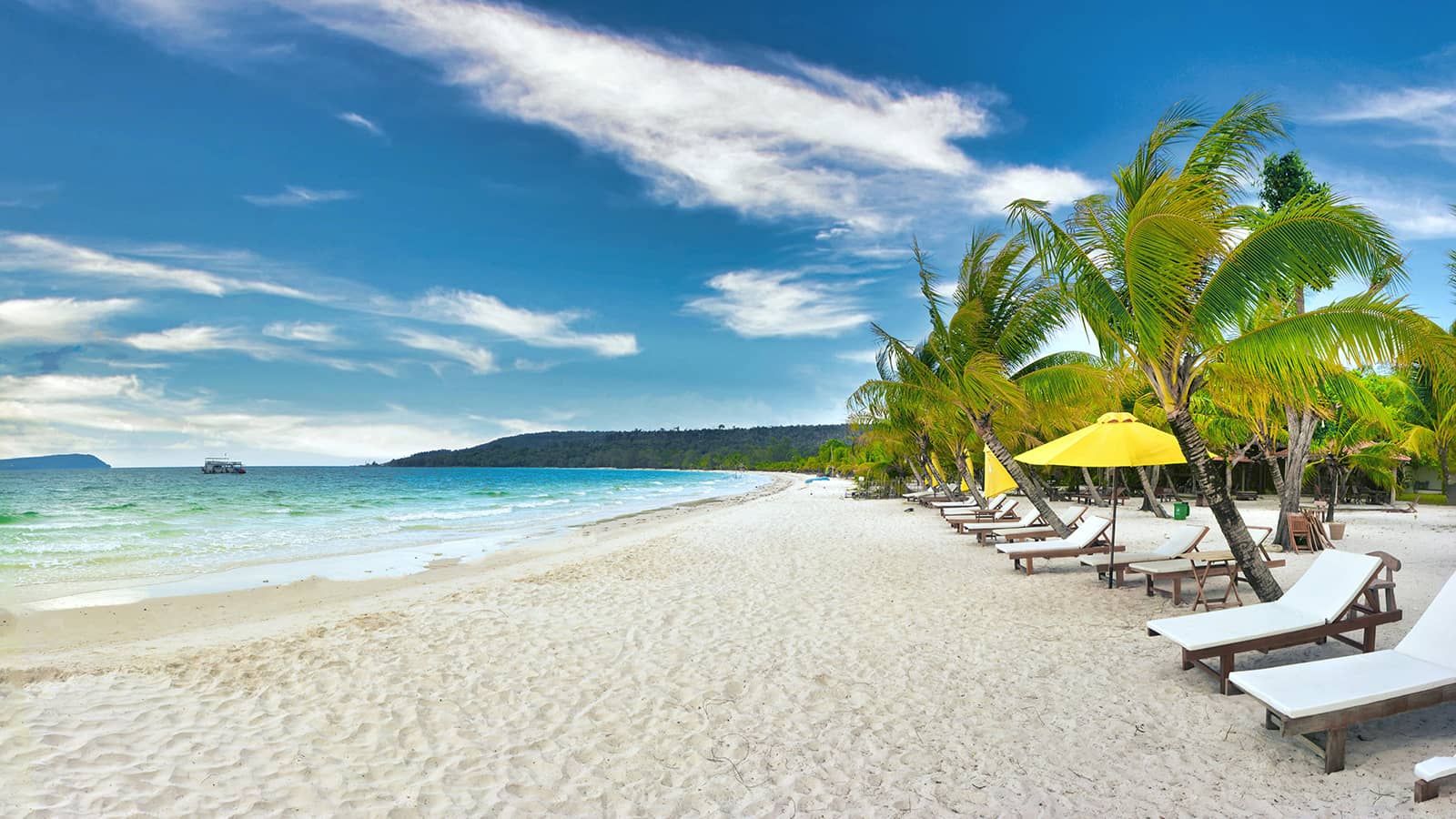
📷 Featured image by Muhamed Sukry on Unsplash.