On this page
- Do You Actually Need a Car in Malaysia?
- What You Need Before You Pick Up the Keys
- Choosing and Booking Your Rental Car
- Malaysian Road Rules Every Tourist Must Know
- Tolls, Fuel, and Parking: The Hidden Costs of Driving in Malaysia
- 2026 Budget Reality: What Car Rental Actually Costs
- When to Skip the Car: Public Transport and Grab as Real Alternatives
- Common Mistakes Tourists Make When Renting in Malaysia
- Frequently Asked Questions
In 2026, Malaysia‘s road network is better than ever — but so is the confusion around whether tourists actually need a rental car. With ride-hailing so cheap, trains running to Penang and Ipoh, and budget flights connecting the peninsula to Borneo, many travellers book a car out of habit rather than necessity. This guide cuts through that. Whether you’re planning a Cameron Highlands loop, a coastal road trip up the East Coast, or just trying to get from the airport without paying through the nose, here’s exactly what you need to know about renting and driving in Malaysia in 2026.
Do You Actually Need a Car in Malaysia?
This question matters because the answer is genuinely split depending on your itinerary. If your trip is built around Kuala Lumpur, Penang’s Georgetown, or Johor Bahru city centre, a car will mostly cause you grief — parking is expensive, traffic is brutal, and Grab does the job for a fraction of the stress.
But if you want to reach Cameron Highlands at your own pace, drive the scenic Kelantan coast, explore Sabah’s interior, or stop at the rubber estate villages between towns, a car changes everything. Families with luggage and groups of four or more also find that a rental quickly becomes more cost-effective than booking multiple Grab rides or train tickets.
The clearest cases for renting:
- Multi-stop road trips across Peninsular Malaysia
- East Coast beach destinations like Cherating or Kelantan
- Cameron Highlands, Tanah Rata, and Brinchang
- Exploring rural Sabah or Sarawak where public transport is thin
- Families or groups of 3–5 people splitting costs
The clearest cases against renting:
- Kuala Lumpur city stays (MRT and Grab are faster and cheaper)
- Solo travellers on a tight budget
- Anyone not comfortable driving on the left-hand side of the road
- Short trips where intercity buses or ETS trains connect your dots
What You Need Before You Pick Up the Keys
Malaysian car rental counters will turn you away without the right documents, so sort these before you arrive at the desk.
International Driving Permit (IDP): If your licence was issued outside an ASEAN country, you need an IDP alongside your national driving licence. Get this from your home country’s motoring authority before you travel — Malaysia does not issue them to foreigners. Travellers from Singapore, Thailand, Indonesia, and other ASEAN nations can use their national licence directly.
Age requirements: Most companies require drivers to be at least 21 years old. Drivers under 25 often face a young driver surcharge. Some companies set an upper limit of 65–70 years old, so check this if it applies to you.

Credit card in the driver’s name: This is non-negotiable. A Visa or Mastercard is needed for the security deposit, which typically runs MYR 200 to MYR 1,000 depending on the vehicle class. Debit cards are not accepted for deposits at most rental companies.
Passport: For identification. Keep it with your IDP and licence for the duration of your trip.
Insurance: Basic Third-Party Liability is usually bundled into the quoted price. Collision Damage Waiver (CDW) is an add-on that reduces your financial exposure if the car is damaged — highly recommended. Full coverage (Super CDW) costs an additional MYR 20–50 per day and removes liability almost entirely.
Choosing and Booking Your Rental Car
Book in advance during Malaysian school holidays, public holidays, and the June–August peak season. Walk-in rates at airport counters during these periods are significantly higher.
For booking, you have two routes. International platforms like Rentalcars.com and Expedia aggregate prices across companies and make comparison easy. Direct local operators — Mayflower, Hawk Rent A Car, Hertz, Avis, and Europcar all have a footprint in Malaysia — sometimes offer better rates or more flexible pickup options.
Vehicle types and what they suit:
- Small cars (Perodua Myvi, Proton Saga): Best for couples or solo travellers, easy to park, fuel-efficient. Good for city edges and highway driving.
- Mid-size sedans (Honda City, Toyota Vios): Comfortable for 3–4 people on longer drives, handles expressways well.
- SUVs and MPVs: Best for families, mountain roads like Cameron Highlands, or carrying significant luggage. Higher ground clearance handles the occasional potholed rural road.
Most rentals operate on a full-to-full fuel policy — pick it up with a full tank, return it full. Failing to do so triggers a surcharge that is always above market fuel price. Fill up before returning, even if that means stopping 5 kilometres from the depot.
Malaysian Road Rules Every Tourist Must Know
Malaysia drives on the left-hand side of the road, with the steering wheel on the right. If you’re coming from the US, Europe, or much of Asia, this takes 20–30 minutes of active concentration before it becomes instinctive.

Speed limits:
- Expressways: 110 km/h
- Federal and state roads: 90 km/h
- Urban areas: 60 km/h
Speed enforcement uses fixed cameras and mobile units across expressways. Fines are issued automatically and can appear on your rental company’s system — they’ll charge your card after you return home if you rack up fines.
Seatbelts: Mandatory for all passengers, front and rear. No exceptions.
Mobile phones: Handheld phone use while driving is illegal. Mount your phone on a dashboard holder before you leave the rental lot — you’ll need it for Waze or Google Maps.
Motorcycles: This is where Malaysian roads genuinely differ from what most Western tourists are used to. Motorcycles are everywhere. They filter between lanes in slow traffic, appear suddenly at intersections, and often ride close to the left kerb. At roundabouts and traffic lights, bikes cluster at the front in dedicated boxes. Always check your left mirror before turning or changing lanes. The smell of exhaust and the buzz of a hundred engines at a Kuala Lumpur junction is an experience that catches first-time visitors off guard — it’s not chaos, it’s just a different rhythm. Give motorcyclists space and you’ll be fine.
Expressways: Generally excellent condition, well-signposted in English and Bahasa Malaysia. Rural roads vary — some are perfectly sealed, others narrow with occasional potholes. Waze updates in real time and is widely used by Malaysian drivers, making it more reliable than Google Maps for traffic conditions locally.
Tolls, Fuel, and Parking: The Hidden Costs of Driving in Malaysia
These three costs catch tourists off-guard because they’re invisible in rental quotes but very real on the road.
Touch ‘n Go card for tolls: Malaysian expressways are cashless. You need a Touch ‘n Go card — buy one at any 7-Eleven, MyNEWS convenience store, or petrol station for MYR 10 (card cost). Top it up at the same locations, ATMs, or self-service kiosks. For an intercity trip, load MYR 50–100 before you leave — a Kuala Lumpur to Penang run (approximately 350 km) costs around MYR 40–50 in tolls alone. The Touch ‘n Go eWallet app also lets you top up from your phone.
Fuel: Petrol stations are plentiful — Petronas, Shell, Caltex, Petron, and BHPetrol are everywhere on expressways and in towns. Rental cars typically use RON97 petrol, as RON95 is subsidised for Malaysian citizens and not generally available to foreigners or for rental vehicles. RON97 is projected at around MYR 3.47 per litre in 2026, though this tracks global oil prices and can shift. Pay at the pump by card or via the station’s app, or prepay cash at the counter.
Parking: Shopping malls and hotels charge MYR 1–5 per hour with daily maximums of MYR 10–20. Street parking in cities is paid and increasingly managed through apps like Flexi Parking, JomParking, or EZPark — many of which are integrated into the Touch ‘n Go eWallet. You register your rental car’s plate number in the app and pay digitally. Some older areas still use physical scratch-and-display coupons available from nearby shops. Ignoring parking rules leads to fines of MYR 100–300 — and wheel clamps in KL are real.
2026 Budget Reality: What Car Rental Actually Costs
Here’s what you should budget per day for the vehicle alone, before fuel, tolls, parking, or insurance add-ons:
- Budget tier — Small car (Perodua Myvi, Proton Saga): MYR 80–150 per day
- Mid-range — Sedan (Honda City, Toyota Vios): MYR 150–250 per day
- Comfortable — SUV or MPV: MYR 200–400+ per day
Add CDW insurance at MYR 20–50 per day. Security deposits run MYR 200–1,000 held on your credit card (released on return). Fuel for a Kuala Lumpur–Penang return trip in a mid-size sedan runs approximately MYR 100–130. Tolls for the same route add around MYR 80–100 return.
For a family of four on a 7-day Peninsular road trip, total driving costs — car, fuel, tolls, parking, and CDW — realistically land between MYR 2,500 and MYR 4,000 for the week, split across the group. Compared to four train tickets plus Grab rides plus baggage handling across multiple stops, it often works out comparable or cheaper.
When to Skip the Car: Public Transport and Grab as Real Alternatives
Malaysia’s public transport has improved substantially, and for city-heavy itineraries, it genuinely beats driving.
In Kuala Lumpur: The MRT (Kajang Line, Putrajaya Line) and LRT (Kelana Jaya, Ampang, Sri Petaling lines) cover most tourist areas. The KL Monorail connects Bukit Bintang to KL Sentral. Fares run MYR 1–5 per trip. The same Touch ‘n Go card used for road tolls works across all Rapid KL services. Bus fares are MYR 1–3. The MRT3 Circle Line is under construction in 2026 with partial sections nearing completion, which will eventually close gaps in the network.
Intercity by train: KTM’s ETS (Electric Train Service) connects KL Sentral to Ipoh (MYR 36–46) and Butterworth for Penang (MYR 79–99). Book through the KTM Mobiliti app or at www.ktmb.com.my — seats sell out on weekends and public holidays. KTM Komuter connects KL to Batu Caves for MYR 2.60.
Long-distance buses: Transnasional and KKKL are major operators. KL to Penang runs MYR 40–70; KL to Johor Bahru MYR 35–50. Book through BusOnlineTicket.com or Easybook.com. Depart from Terminal Bersepadu Selatan (TBS) for southern and eastern routes, Hentian Duta for northern routes.
Grab: Download the Grab app and register before you arrive. A 5km ride within KL costs MYR 7–15 depending on demand. Airport transfers from KLIA to the city centre run MYR 65–85. Pay by linked card, GrabPay eWallet, or cash. Grab is available in every major Malaysian city and most large towns.
KLIA Ekspres: The fastest airport-to-city link. KL Sentral to KLIA takes 28 minutes, to KLIA2 takes 33 minutes. One-way fare is MYR 55, return MYR 100. Runs every 15–20 minutes during peak hours. Book at www.kliaekspres.com or buy at the station.
Ferries: Kuala Kedah to Langkawi (Kuah Jetty) takes about 1 hour 15 minutes and costs MYR 23–26 one-way. Kuala Perlis to Langkawi is around 1 hour. Book at the jetty or through www.langkawiferryline.com.
Common Mistakes Tourists Make When Renting in Malaysia
Not loading the Touch ‘n Go card before hitting the expressway. Without it, you cannot use toll lanes and will face chaos at booths. Buy and top up before you leave the city.
Assuming RON95 is available for their rental car. It usually isn’t. Fill with RON97 to avoid engine issues and rental contract violations.
Skipping the vehicle inspection. Always photograph every panel and the interior before driving off — even small pre-existing scratches can become your liability without documented evidence.
Underestimating KL traffic. Even with Waze, Kuala Lumpur during morning or evening rush hour (roughly 7:30–9:30am and 5:00–8:00pm) can turn a 10km drive into 45 minutes. Plan around this or use MRT instead.
Not factoring in parking costs for city days. If you rent a car for a road trip but also plan city days in KL or Penang, you’ll pay MYR 20–40 per day just to park. It adds up quickly and a Grab is often smarter for those legs of the journey.
Forgetting to check age and IDP requirements. Showing up at a rental counter without an IDP if required — or being under 21 — means no car, regardless of what platform you booked through.
Frequently Asked Questions
Do I need an International Driving Permit to rent a car in Malaysia?
Yes, if your licence was issued outside an ASEAN country. You must carry both your IDP and your national driving licence at all times while driving. ASEAN country licence holders (Singapore, Thailand, Indonesia, etc.) can use their national licence directly. Get your IDP from your home country’s motoring authority before travelling — Malaysia does not issue them.
Can tourists use RON95 petrol in rental cars in Malaysia?
Generally no. RON95 is subsidised and intended for Malaysian citizens. Rental cars are typically required to use RON97, which is available at all major petrol stations — Petronas, Shell, Caltex, Petron, and BHPetrol. Check your rental agreement to confirm the correct fuel type before filling up to avoid penalties.
What is the Touch ‘n Go card and why do I need it?
The Touch ‘n Go card is a prepaid contactless card used for expressway tolls across Malaysia. All highway toll lanes are cashless in 2026, so without a topped-up card you cannot use the expressway properly. The same card also works for MRT, LRT, and Rapid KL buses in Kuala Lumpur. Buy one at any 7-Eleven or petrol station for MYR 10.
Is it safe to drive in Malaysia as a tourist?
Yes, but there’s an adjustment period. Malaysia drives on the left, expressways are in excellent condition, and roads are well-signposted in English. The main challenge is the density of motorcycles, especially in cities — they filter through traffic and require constant mirror checks. Use Waze for real-time navigation and avoid driving in Kuala Lumpur during peak rush hours.
How do I book intercity train tickets in Malaysia in 2026?
Use the KTM Mobiliti app or the official website at www.ktmb.com.my for ETS and intercity KTM trains. Book as early as possible for weekend and public holiday travel — popular routes like KL Sentral to Butterworth (Penang) sell out well in advance. Tickets can also be purchased at station counters, though availability will be more limited.
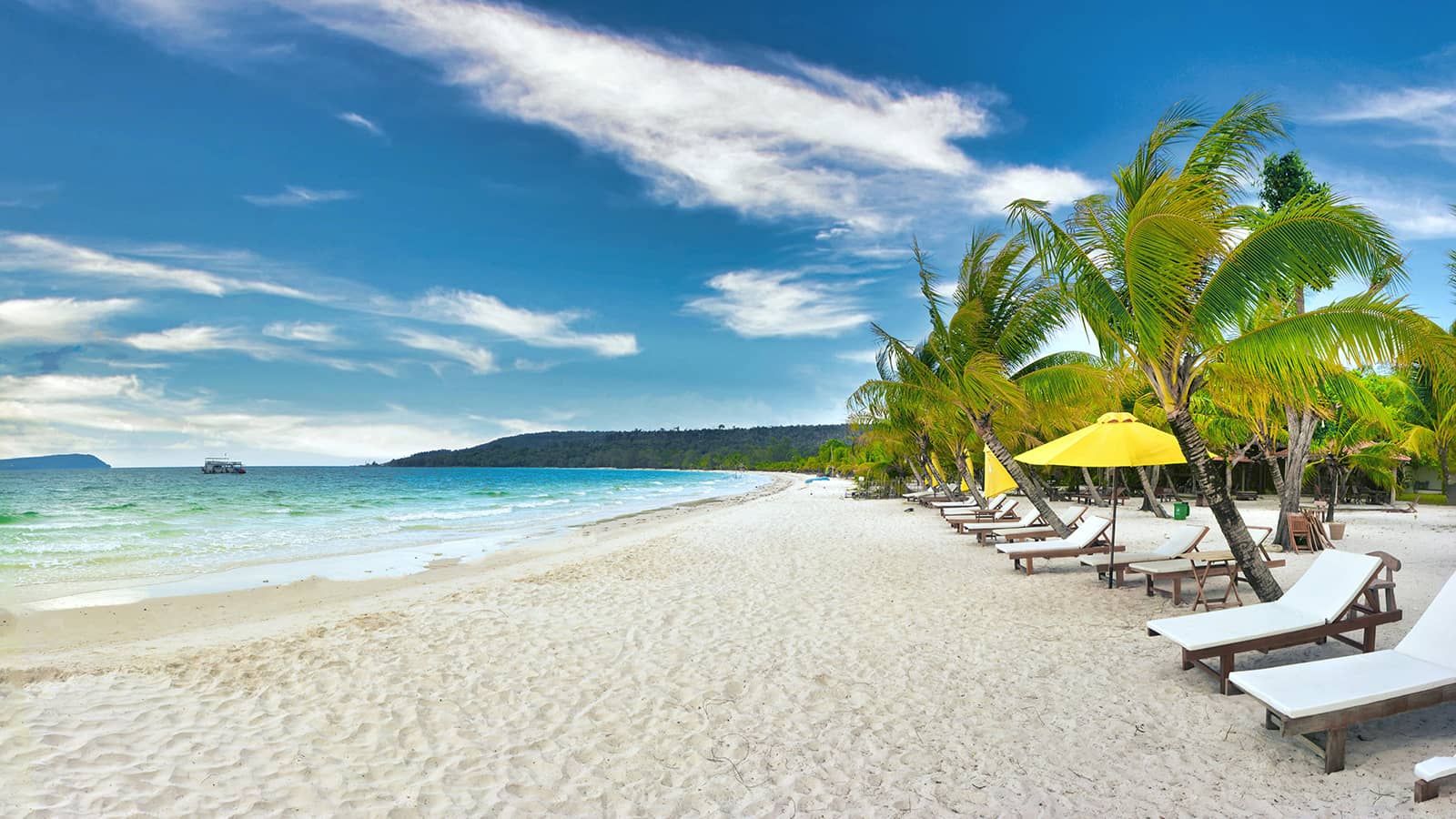
📷 Featured image by Mubashir Shoukat on Unsplash.