On this page
- What Malaysian Public Holidays Actually Are
- How Holidays Shift Travel Conditions Across the Country
- The Cultural Heart of Each Major Holiday
- State-Specific Holidays That Catch Travellers Off Guard
- 2026 Budget Reality: Holiday vs Non-Holiday Travel Costs
- How to Travel Smart During Peak Celebrations
- Frequently Asked Questions
Planning a trip to Malaysia in 2026 without checking the public holiday Calendar is one of the most common mistakes foreign visitors make. A hotel that costs MYR 180 on a Tuesday in March can hit MYR 420 the following Friday if it lands near a long weekend. Buses sell out. Highways jam. Temples and mosques fill past capacity. But the flip side is equally true — travelling during a Malaysian public holiday, if you know what you are doing, puts you inside some of the most vivid cultural moments the country offers.
What Malaysian Public Holidays Actually Are
Malaysia operates on two layers of public holidays: federal holidays, which apply nationwide, and state holidays, which vary by state and are often tied to the ruler’s birthday or a locally significant religious observance.
In 2026, Malaysia observes 12 gazetted federal public holidays. These include:
- New Year’s Day — 1 January
- Thaipusam — late January/early February (federal in Kuala Lumpur, Selangor, Penang, and Perak only)
- Chinese New Year — two days, dates shift annually
- Labour Day — 1 May
- Wesak Day — Buddhist calendar, typically May
- Yang di-Pertuan Agong’s Birthday — first Monday of June
- Hari Raya Aidilfitri — two days, Islamic calendar
- Hari Raya Aidiladha — Islamic calendar
- Awal Muharram — Islamic New Year
- National Day (Hari Merdeka) — 31 August
- Malaysia Day — 16 September
- Prophet Muhammad’s Birthday (Maulidur Rasul) — Islamic calendar
- Christmas Day — 25 December
- Deepavali — October/November, Hindu calendar
Islamic holidays follow the Hijri lunar calendar, which means their Gregorian dates shift roughly 10 to 11 days earlier each year. In 2026, Hari Raya Aidilfitri falls in late March, making it overlap dangerously close to school holidays — a combination that creates one of the busiest travel surges Malaysia sees all year.
Since 2025, Malaysia’s government has maintained a policy allowing Monday substitution holidays when a gazetted holiday falls on a Sunday, ensuring workers and travellers consistently face four-day weekends rather than isolated Sundays. This policy directly inflates accommodation and transport demand.
How Holidays Shift Travel Conditions Across the Country
The practical impact of a Malaysian public holiday is not uniform. It depends heavily on which holiday it is, where you are, and how it aligns with school terms.
During Hari Raya Aidilfitri, the mass exodus from cities to kampung (villages) is genuinely staggering. An estimated 4 to 5 million Malaysians travel intercity in the week surrounding the holiday. PLUS Sentral in Kuala Lumpur operates at over 150% of normal passenger volume. KTM Intercity trains between KL and Ipoh, Penang, and Johor Bahru sell out weeks in advance. The North-South Expressway moves at a crawl — sometimes a 6-hour journey becomes 11 hours.

During Chinese New Year, the dynamic partially reverses. Kuala Lumpur empties as Chinese Malaysian families return to their hometowns in Penang, Ipoh, and smaller towns. Hotels in KL sometimes drop prices. But Penang, Ipoh, and Malacca fill to capacity as domestic tourists flood heritage towns.
During National Day and Malaysia Day (31 August and 16 September), Kuala Lumpur itself becomes the destination. The Dataran Merdeka parade draws tens of thousands, and hotels within 3 kilometres of the city centre spike in price and occupancy simultaneously.
The Cultural Heart of Each Major Holiday
Understanding what is actually happening during these celebrations transforms a logistical obstacle into something worth experiencing.
Hari Raya Aidilfitri marks the end of Ramadan — a month of fasting from dawn to dusk. The two official holiday days are just the beginning. Open houses (rumah terbuka) are held by families, corporations, and even the Prime Minister, where guests of all backgrounds are welcomed with rendang, ketupat (compressed rice cakes wrapped in coconut leaves), lemang (glutinous rice cooked in bamboo), and kuih raya (festival biscuits). The scent of lemongrass and galangal drifting from a neighbour’s kitchen is as much a part of Raya as the takbir prayers echoing from the mosque at dawn.
Chinese New Year spans 15 days, culminating in Chap Goh Mei. The atmosphere in the days leading up to it is electric — lion dances crash through shopping malls and shopfronts, the air carries the sharp sulphur smell of firecrackers in areas where they are permitted, and families gather for reunion dinners on New Year’s Eve. Yee sang (a raw fish salad tossed with loud enthusiasm for prosperity) appears at nearly every table.
Thaipusam at Batu Caves, observed every January or February, is one of the most visually extraordinary events in Southeast Asia. Devotees carry kavadi — elaborate metal frames decorated with flowers and peacock feathers — sometimes attached directly to their skin with metal skewers, as an act of devotion to Lord Murugan. The 272 steps of Batu Caves are lined with pilgrims and curious visitors. Arriving before 5:00 in the morning is the only way to experience it without being completely swallowed by the crowd.
Deepavali transforms Little India in KL’s Brickfields neighbourhood into a corridor of light and colour. Strings of oil lamps and LED garlands frame every shopfront. The smell of fresh jasmine garlands mixes with the rich butter-and-cardamom warmth of freshly made murukku and ladoo from sweet shops working double shifts.
State-Specific Holidays That Catch Travellers Off Guard
This is where most travel plans quietly unravel. Many travellers arrive in Johor on a day that is a normal workday in KL, only to find banks closed, local buses on reduced schedules, and restaurants locked up.
Each of Malaysia’s 13 states and 3 federal territories observes its own additional public holidays. Common examples:
- Johor: Sultan of Johor’s Birthday (observed in March), Hol of Almarhum Sultan Iskandar
- Kelantan and Terengganu: Closed on Fridays (the weekend is Friday–Saturday, not Saturday–Sunday), which means Thursday evenings see early closures
- Penang: George Town Heritage Celebration Day and Thaipusam are both gazetted holidays
- Sarawak: Gawai Dayak (1–2 June), celebrating the harvest — one of the most joyful community festivals in Malaysian Borneo
- Sabah: Harvest Festival (Tadau Kaamatan) on 30–31 May
Kelantan and Terengganu deserve special mention for international visitors. The working week runs Sunday through Thursday. If you cross into Kelantan on a Thursday afternoon, you are effectively entering a long weekend. Plan resupply, banking, and transport around this — not against it.
2026 Budget Reality: Holiday vs Non-Holiday Travel Costs
Prices across accommodation, transport, and attractions shift dramatically during gazetted holidays and their surrounding weekends. Here is what to expect in 2026:
Accommodation
- Budget (hostels, budget hotels): MYR 45–80 per night off-peak; MYR 90–160 during major holidays
- Mid-range (3-star, boutique): MYR 150–250 per night off-peak; MYR 280–450 during peak periods
- Comfortable (4-star): MYR 300–450 per night off-peak; MYR 500–750 or higher during Hari Raya and CNY peak
Intercity Transport
- KTM/ETS train (KL to Penang): MYR 55–75 standard seat off-peak; sold out or MYR 90–110 premium seats during peak holidays
- Bus (KL to Malacca or Ipoh): MYR 12–25 off-peak; MYR 30–45 during peak, if seats remain
- Domestic flights: Budget carriers like AirAsia and Batik Air regularly offer sub-MYR 100 fares 6–8 weeks out; the same routes hit MYR 250–500 during holiday long weekends booked last-minute
Attractions
Most government-run attractions hold fixed prices regardless of the season. Theme parks and privately run attractions like Legoland Malaysia and Sunway Lagoon operate dynamic pricing in 2026 — weekend and holiday rates run approximately 15–25% higher than weekday rates.
How to Travel Smart During Peak Celebrations
The goal is not to avoid public holidays — it is to move with them rather than against them.
Book transport before accommodation. During Hari Raya and CNY, trains and buses fill before hotel rooms. Lock in your intercity travel first, then find a place to stay near your destination.
Travel counter-flow. When everyone is leaving KL for Penang and Ipoh during Hari Raya, KL itself quiets down. The city’s roads clear, parking is free in many areas, and popular spots like Perdana Botanical Garden and the National Museum are uncrowded. This is actually one of the better windows to explore KL at a relaxed pace.
Use the MRT and LRT without hesitation during holidays. The Klang Valley MRT network completed its Putrajaya Line Phase 2 extension in 2025, and the system now reaches Cyberjaya and the southern suburbs with higher frequency on public holidays to manage foot traffic. Trains run until midnight on most gazetted holidays.
Understand which businesses actually close. During Hari Raya, many Chinese-owned businesses stay open. During Chinese New Year, many Malay-owned businesses continue operating. Malaysia’s multi-ethnic commercial landscape means a total shutdown almost never happens — you just need to know where to look.
Embrace the open house culture. If you are staying in a guesthouse or homestay and your host invites you to their Raya or Deepavali gathering, accept. These are not tourist performances. They are real family celebrations, and the generosity extended to guests is one of the most distinctly Malaysian experiences available to any traveller.
Frequently Asked Questions
Do Malaysian public holidays affect visa or immigration processing times?
Yes. Immigration offices, embassies, and government service counters are closed on all gazetted federal public holidays and relevant state holidays. If your visa or eNTRI pass expires near a holiday, renew it at least three working days ahead. Online evisa renewals via the Immigration Department portal remain active 24 hours a day.
Are shops and restaurants open on Malaysian public holidays?
It depends on the holiday and the ethnic background of the business owner. Shopping malls typically stay open on all public holidays — they are among the busiest venues on those days. Hawker stalls and small family-run restaurants often close during their own community’s celebrations. Expect reduced operating hours rather than a complete shutdown in most urban areas.
How far in advance should I book travel around Hari Raya Aidilfitri?
For 2026, with Hari Raya falling in late March near school holidays, book intercity trains and buses at least three to four weeks ahead. Popular routes like KL–Penang and KL–JB on KTM ETS are commonly sold out within days of the 60-day advance booking window opening. Domestic flights should be booked six to eight weeks out for reasonable fares.
Do all Malaysian states observe the same public holidays?
No. Federal holidays apply nationwide, but each state adds its own gazetted holidays — typically the ruler’s birthday and one or two locally significant events. Kelantan and Terengganu also observe a Friday–Saturday weekend instead of Saturday–Sunday. Always check the specific state’s holiday calendar before planning travel, especially for business-related visits.
Is it safe and respectful to visit during religious celebrations like Thaipusam or Hari Raya?
Completely. Malaysian celebrations are notably open to visitors of all backgrounds. At Thaipusam, non-Hindu visitors are welcome at Batu Caves — dress modestly, remove shoes before entering the temple areas, and avoid photographing devotees in trance states without permission. During Hari Raya, accepting food offered by hosts is considered polite; declining repeatedly can seem rude.
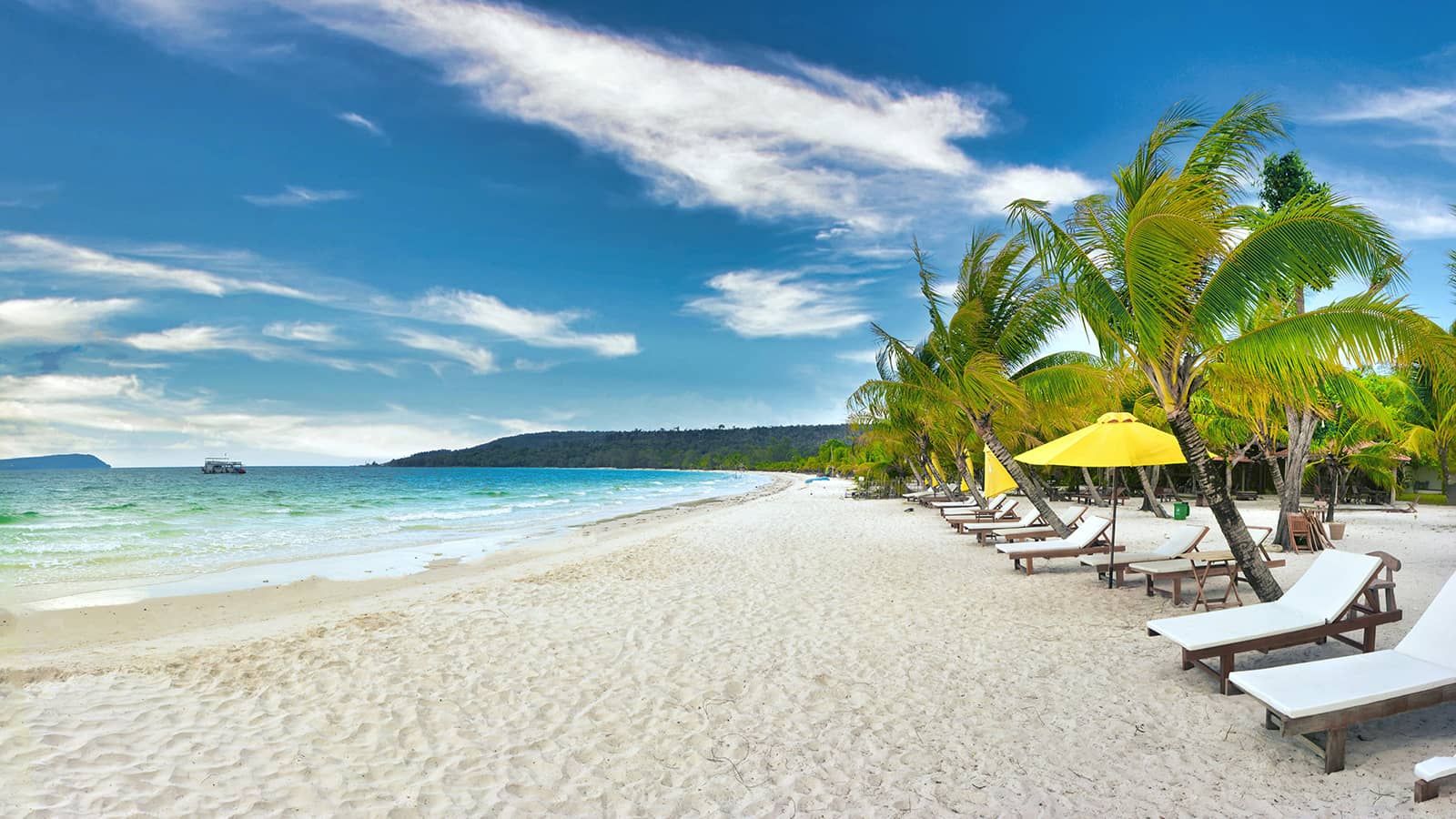
📷 Featured image by Kelvin Zyteng on Unsplash.