On this page
- The Penang Nomad Community in 2026: What to Expect Before You Arrive
- Who Makes Up the Penang Nomad Community Right Now
- The DE Rantau Visa: Your Legal Foundation for Long-Term Stays
- How Nomads Actually Find and Join the Community in Penang
- The Social Culture: How Connections Actually Form
- Long-Term Accommodation in Penang: What to Know Before You Sign
- 2026 Budget Reality: Actual Costs for Living and Working in Penang
- Healthcare and Insurance: What Penang-Based Nomads Need to Sort
- Frequently Asked Questions
The Penang Nomad Community in 2026: What to Expect Before You Arrive
Penang has been attracting remote workers for years, but 2026 looks noticeably different from even two years ago. The island’s nomad population has matured — people are staying longer, networks are more organised, and the community has moved well past the hostel-common-room phase. At the same time, the DE Rantau Digital nomad visa has created a clearer legal pathway for remote professionals, which means the informal grey-zone approach of chaining tourist visas is largely behind us. If you are seriously considering Penang as your base for the next three to twelve months, this guide covers the community side of that decision: who is here, how the legal framework actually works, how people connect, and what things genuinely cost in 2026.
Who Makes Up the Penang Nomad Community Right Now
The Penang nomad scene in 2026 is not a single tribe. It is a layered mix of people at different stages of their remote-work lives, and understanding that mix helps you set realistic expectations before you land.
The largest group is Southeast Asian regional nomads — Singaporeans, Indonesians, Filipinos, and Thais who use Penang as a stable, affordable base within their own time zone (UTC+8). They tend to stay three to six months and are often the most practically useful people to know when you arrive, because they have already figured out the systems.
The second significant group is Western professionals — primarily from Germany, the Netherlands, the United Kingdom, Canada, and Australia — who came for the lower cost of living and stayed because the lifestyle worked. Many hold DE Rantau visas. Some have transitioned to longer-term arrangements, including Malaysia My Second Home (MM2H) applications, particularly the newer Sarawak and Sabah variants that have attracted applicants who originally arrived through Penang.
There is also a growing cohort of Indian tech professionals, many working for global SaaS companies or running their own consultancies. Penang’s strong Tamil cultural heritage makes the city genuinely comfortable for Tamil-speaking professionals in a way that is hard to replicate elsewhere in Southeast Asia.
The community skews toward people aged 28 to 45, working primarily in software development, design, content, marketing, finance, and online education. It is not a party-travel crowd. Most people here are working full days and treating Penang as a home, not a backdrop for social media content.
The DE Rantau Visa: Your Legal Foundation for Long-Term Stays
Before you think about anything else — meetups, accommodation, community — you need to sort your legal right to be in Malaysia as a working remote professional. The DE Rantau Digital Nomad Pass is the correct instrument for this in 2026, and it has been refined significantly since its 2022 launch.
As of 2026, the DE Rantau pass is issued for twelve months and is renewable. To qualify, you need to demonstrate a minimum monthly income of MYR 15,000 (approximately USD 3,200 at mid-2026 exchange rates) from a foreign employer or foreign clients. Malaysian-sourced income does not count toward this threshold. You also need a valid passport, proof of health insurance with coverage in Malaysia, and proof of employment or contracts.
The application is handled through the Malaysia Digital (MDeC) portal. Processing time in 2026 runs approximately three to five weeks for complete applications. Incomplete applications — particularly missing health insurance documentation — are the most common reason for delays. The application fee is MYR 1,060 for the primary applicant. Dependants (spouse and children under 14) can be added for MYR 530 each.
One point that catches people off guard: the DE Rantau pass does not automatically make you a Malaysian tax resident. Tax residency under Malaysian law is determined by the 183-day rule — if you spend 183 or more days in Malaysia in a calendar year, you are considered a tax resident and are taxed on a progressive scale (currently 0–30% depending on chargeable income). If you spend fewer than 183 days, you are classified as a non-resident and taxed at a flat rate of 30% on any Malaysian-sourced income. For most DE Rantau holders earning entirely from foreign sources, Malaysian income tax exposure is minimal, but you should register a tax identification number (MyTax portal, administered by the Inland Revenue Board of Malaysia, LHDN) within your first year to establish your record. This process takes one to two weeks online.
How Nomads Actually Find and Join the Community in Penang
The Penang nomad community does not have a single front door. It operates across several overlapping channels, and new arrivals typically plug in through two or three of them simultaneously before settling into a regular social orbit.
Online Groups Before You Land
The most active pre-arrival communities in 2026 are Facebook groups (search “Penang Digital Nomads” and “DE Rantau Penang”) and Telegram channels. The Telegram channels in particular have become the operational layer of the community — people share apartment leads, ask about SIM card deals, flag visa appointment slots, and organise impromptu dinners. Search for “Penang Nomads” and “Remote Workers Penang” on Telegram. Most groups have a pinned welcome message with current house rules and a short intro format that members use when joining.
LinkedIn also functions as a professional connector in this community in a way that feels more genuine than in most cities. Penang-based nomads tend to be active on LinkedIn precisely because their client relationships are remote and they use the platform for actual professional maintenance, not just job hunting. If you post that you are arriving in Penang and looking to connect with other remote professionals, you will typically get several responses within a day or two from people already on the island.
Arrival Meetups and Regular Events
Several informal but consistent meetup formats run in Penang in 2026. There are weekly casual dinners that rotate through George Town’s restaurant scene — no agenda, no speakers, just a table of 8 to 20 people who happen to work remotely. There are monthly professional skill-share sessions where members present for 20 minutes on something they know well, followed by open conversation. These events are almost always announced through the Telegram channels and Facebook groups mentioned above.
The Georgetown Festival in August has developed a specific nomad-adjacent programme since 2024, with panels and workshops that attract both the local creative professional community and the nomad population. It is an unusually good moment to arrive if you want a fast introduction to both groups at once.
There is also a monthly DE Rantau holder meetup that MDeC facilitates across Malaysia, including in Penang. These are less socially fluid than the informal dinners but useful for visa-related questions and for meeting professionals who came through the official programme — a slightly different demographic from the long-term informal nomads.
The Social Culture: How Connections Actually Form
One thing that surprises many new arrivals is how quickly genuine professional relationships form in Penang, compared to bigger nomad hubs like Bali or Chiang Mai. The island is small enough — George Town’s walkable core is perhaps 4 kilometres across — that you will keep running into the same people. That repetition builds real familiarity faster than structured networking events ever could.
The smell of freshly grilled char kway teow from a hawker stall on Lorong Baru drifting through a warm evening, a table of six laptops and six different nationalities over roti canai and teh tarik at 8am — these are the textures of daily life here, and they become the backdrop to genuine friendships rather than transactional networking. People are here because they chose to be here, and that shared decision creates an immediate conversational shortcut.
Collaborations do emerge from the community. Designers find copywriters, developers find product consultants, content creators find editors. But these happen organically over weeks and months, not through formal matchmaking. Penang’s nomad culture is not accelerator-style or hustle-coded. People work seriously during the day and live well in the evenings and weekends. That balance is part of why many people extend their original stay.
One cultural note worth understanding: Penang’s local professional community — Malaysian designers, architects, restaurateurs, and tech entrepreneurs rooted in George Town — is increasingly integrated with the nomad scene rather than separate from it. Several of the most useful people you will meet are Penangites who have built businesses here and have a decade of local knowledge. The community is healthier because of this integration, and it means Penang avoids the insular nomad-bubble dynamic that makes some other Asian hubs feel disconnected from their host city.
Long-Term Accommodation in Penang: What to Know Before You Sign
Housing is where Penang diverges most sharply from cities like Chiang Mai or Bali. The rental market here is a genuine real estate market, not a serviced-apartment-for-nomads market. That means better value and more authentic living arrangements, but also more friction in the process.
Most nomads staying three months or longer rent directly through PropertyGuru Malaysia, iProperty, or Facebook Marketplace. Airbnb and short-term platforms are useful for the first two weeks while you look for a proper monthly rental, but the price difference between short-term and monthly rates in Penang is significant enough that committing to a direct monthly lease is almost always worth it.
Lease terms in Penang typically start at three months for furnished apartments, though many landlords prefer six or twelve months and will discount the monthly rate accordingly. A standard three-month lease requires a two-month security deposit plus one month advance rent. You will need your passport and DE Rantau pass documentation. Some landlords ask for a letter of employment or client contracts as financial verification — this is normal and not a red flag.
The most in-demand areas for nomads in 2026 are George Town’s UNESCO zone and the adjacent districts of Pulau Tikus, Gurney, and Tanjung Tokong. Each has a different character, and your choice will depend on whether you want a walkable heritage neighbourhood, proximity to malls and supermarkets, or a quieter residential feel with faster road access to the mainland-facing parts of the island.
2026 Budget Reality: Actual Costs for Living and Working in Penang
Penang is consistently one of the three most affordable major cities in Southeast Asia for remote workers with foreign income. Here is what the numbers look like in 2026.
Accommodation (monthly, unfurnished to furnished)
- Budget: MYR 900–1,400 — a studio or small one-bedroom in Ayer Itam or Bayan Baru, older building, functional but basic
- Mid-range: MYR 1,500–2,500 — a comfortable one-bedroom in George Town or Pulau Tikus, furnished, usually with air conditioning and decent internet infrastructure in the building
- Comfortable: MYR 2,600–4,500 — a larger one-bedroom or two-bedroom in a newer development in Gurney or Tanjung Tokong, with gym, pool, and reliable fibre connection to the unit
Food and Daily Living (monthly estimate)
- Budget: MYR 800–1,200 — eating primarily at hawker centres and kopitiams, cooking occasionally at home
- Mid-range: MYR 1,400–2,200 — a mix of hawker meals and regular restaurant dinners, grocery shopping at Jaya Grocer or Cold Storage
- Comfortable: MYR 2,500–3,500 — frequent restaurant meals, imported groceries, regular weekend activities
Internet and Phone
A local SIM with an unlimited data plan (Maxis, Celcom, or U Mobile) costs MYR 50–80 per month. Fibre home broadband (100Mbps to 500Mbps) is typically included in mid-range to comfortable apartment rentals; if it is not, standalone fibre plans run MYR 99–139 per month through TIME or Maxis.
Transport
Penang’s Rapid Penang bus network has improved since the 2024 route rationalisation, but most nomads either walk within George Town or use Grab for anything beyond 2 kilometres. Monthly Grab spend typically runs MYR 150–300 for people without their own vehicle. Motorcycle rental for those who want more independence costs MYR 350–500 per month.
Total Monthly Cost Estimates
- Budget nomad (lean lifestyle): MYR 2,500–3,500
- Mid-range (comfortable working life): MYR 4,500–6,500
- Comfortable (no significant compromises): MYR 7,000–10,000
Healthcare and Insurance: What Penang-Based Nomads Need to Sort
Penang is, by some margin, the best city in Malaysia for healthcare outside of Kuala Lumpur. Penang Adventist Hospital, Gleneagles Penang, and Island Hospital are all internationally accredited private hospitals with English-speaking staff and short wait times. The standard of care at these facilities is high, and many medical tourists from neighbouring countries come specifically to Penang for procedures.
The DE Rantau visa requires health insurance as a condition of approval, but the minimum coverage threshold is relatively low. For practical protection in 2026, nomads in Penang should look for international health insurance with at least MYR 500,000 (approximately USD 107,000) annual coverage, inpatient and outpatient cover, and coverage for emergency evacuation. Plans from AXA, Pacific Cross, and Cigna are commonly held by the Penang nomad community. Annual premiums for a healthy 30–40 year old run approximately MYR 4,800–9,600 depending on the plan level and deductible structure.
Malaysia’s public hospital system (government hospitals) is technically accessible to DE Rantau visa holders, but as a foreigner you pay non-subsidised rates, and the wait times at public facilities make private care the practical default for anyone with insurance. Penang General Hospital (Hospital Pulau Pinang) handles genuine emergencies well, but for routine care and GP consultations, private clinics charge MYR 50–150 per visit, which is affordable enough that most nomads pay out of pocket for minor consultations and save insurance claims for anything significant.
One 2026 update worth knowing: several of Penang’s private hospitals now have dedicated international patient desks that handle insurance pre-authorisation directly, which removes the administrative burden of filing claims yourself. Ask specifically for the international patient coordinator when you register at Gleneagles or Adventist for the first time — they will set up your file in a way that makes future visits smoother.
Frequently Asked Questions
How long does it take to get properly connected in the Penang nomad community after arriving?
Most people find their social footing within two to three weeks. Joining the active Telegram groups before you arrive, attending one or two informal dinners in your first week, and simply being a regular face at shared spaces accelerates this significantly. The community is not cliquey — new arrivals are genuinely welcomed because the network benefits from fresh energy.
Can I apply for the DE Rantau visa while already in Penang on a tourist entry?
Yes. You can apply from within Malaysia on a valid tourist entry stamp. However, your DE Rantau pass must be approved and collected before your tourist entry permission expires. Given the three to five week processing time in 2026, apply immediately upon arrival or, better, before you depart your home country. You collect the physical pass from an Immigration Department of Malaysia office or MDeC office in Penang.
Is Penang better than Kuala Lumpur as a nomad base?
Depends on your priorities. Penang offers lower rent, a smaller and more socially cohesive nomad community, a more relaxed daily pace, and genuinely exceptional food. Kuala Lumpur offers more professional networking depth, better direct flight connections for client travel, and faster internet infrastructure in newer buildings. Many nomads use both — a month in KL, several months in Penang.
What internet speeds can I realistically expect in a Penang apartment rental?
In newer buildings (post-2018 construction) in George Town, Gurney, and Tanjung Tokong, fibre connections of 300Mbps to 1Gbps are standard. Older shophouse conversions in the UNESCO heritage zone vary widely — some have excellent fibre, others are still on shared building connections that degrade during peak hours. Always ask specifically about internet infrastructure before signing a lease, and test the connection during your viewing.
Do I need to speak Malay or Mandarin to function well in the Penang nomad community?
No. English is the working language of the nomad community and is widely understood across Penang’s service sector, government offices, banks, and healthcare facilities. You will encounter Malay in official documents and Penang Hokkien in hawker stalls, but for day-to-day nomad life — administration, community participation, professional relationships — English is entirely sufficient. Learning a few phrases in Malay is appreciated socially but not functionally required.
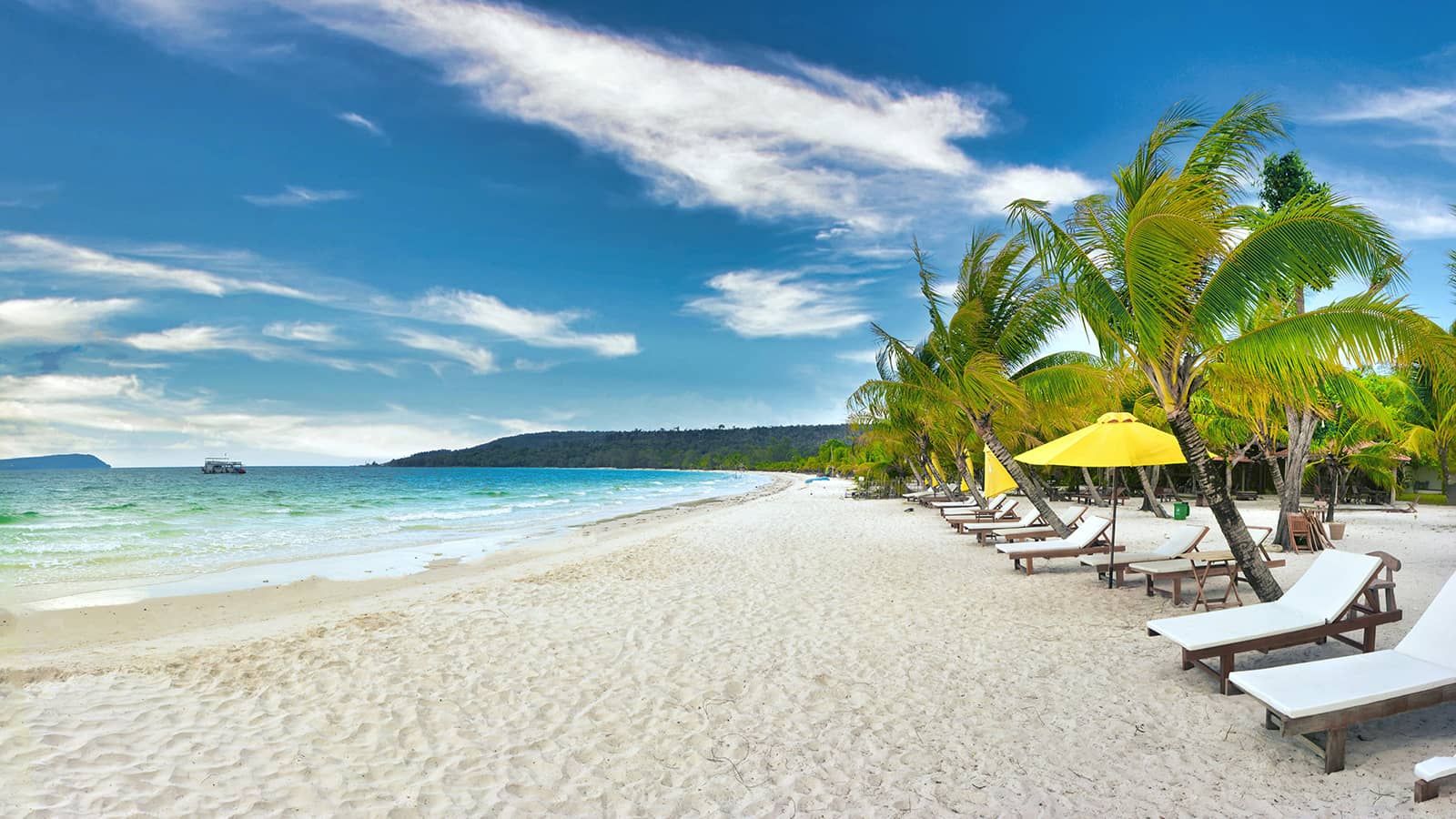
📷 Featured image by Karl Ostroski on Unsplash.