On this page
- Where to Eat in Kuah Town
- Pantai Cenang’s Eating Scene — Where Locals Actually Eat
- Night Markets (Pasar Malam) — Weekly Schedule and What to Buy
- Seafood by the Water — Jetty-Side Spots and Fresh Catches
- Breakfast and Kopi Culture in Langkawi
- Drinks: Langkawi’s Duty-Free Advantage
- 2026 Budget Reality: What Eating in Langkawi Actually Costs
- Frequently Asked Questions
💰 Click here to see Malaysia Budget Breakdown
💰 Prices updated: August, 2026. Budget figures are estimates — always verify before travel.
Exchange Rate: $1 USD = RM4.03
Daily Budget (per person)
Shoestring: RM100.00 – RM200.00 ($24.81 – $49.63)
Mid-range: RM180.00 – RM400.00 ($44.67 – $99.26)
Comfortable: RM450.00 – RM1,300.00 ($111.66 – $322.58)
Accommodation (per night)
Hostel/guesthouse: RM20.00 – RM70.00 ($4.96 – $17.37)
Mid-range hotel: RM100.00 – RM350.00 ($24.81 – $86.85)
Food (per meal)
Budget meal: RM15.00 ($3.72)
Mid-range meal: RM35.00 ($8.68)
Upscale meal: RM100.00 ($24.81)
Transport
Single metro/bus trip: RM2.00 ($0.50)
Monthly transport pass: RM150.00 ($37.22)
Langkawi‘s food scene confuses a lot of first-time visitors in 2026. The island gets millions of tourists a year, which means the Pantai Cenang strip is lined with overpriced, watered-down versions of Malaysian classics aimed squarely at people who don’t know better. Meanwhile, genuinely good food — the kind locals eat every day — is sitting just a few kilometres away, completely ignored. This guide skips the tourist traps and tells you exactly where to go.
Where to Eat in Kuah Town
Kuah is Langkawi’s main town, and most visitors pass through only to catch a ferry or buy duty-free liquor. That’s a mistake. The town has the island’s densest concentration of real local food, from proper Malay nasi campur counters to Chinese kopitiams that have been open since before the island became a tourist destination.
Nasi Campur Warung Kuah on Jalan Kelibang is the kind of place you walk into not knowing what you’ll eat. You point at whatever looks good — braised chicken, sambal petai, stir-fried long beans — and it lands on your rice. The sambal here has a deep, almost smoky sweetness from dried shrimp that you don’t find at beach-area restaurants. A full plate with two lauk and a teh tarik runs around MYR 8–11.
For Chinese food, the shophouses along Jalan Persiaran Putra near the waterfront are worth a slow walk. Look for the older kopitiams with wooden chairs and ceiling fans — these are the ones still cooking char kway teow on cast-iron woks over flame, not gas. The wok hei (that slightly charred, breath-of-the-wok flavour) makes a real difference and you can taste it immediately when it’s done right.
On Friday and Saturday evenings, a cluster of Malay stalls sets up near the Dataran Lang roundabout. Grilled fish wrapped in banana leaf, nasi dagang, and murtabak are all here. It’s not a formal market — more of an informal gathering that locals know about and tourists mostly don’t.

Pantai Cenang’s Eating Scene — Where Locals Actually Eat
Pantai Cenang’s main road is full of restaurants that look good in photos and charge accordingly. Most of it is forgettable. But the area does have some genuinely worthwhile spots — you just need to know which side of the street to be on.
Warung Makan Hasnah, tucked on a small lane off the main road behind a batik shop, serves home-style Malay cooking for lunch only. The cook changes her menu daily based on what’s fresh. Her asam pedas ikan merah — a sour-spicy fish curry with torch ginger and tamarind — is the kind of dish that makes you reconsider every other fish curry you’ve eaten. It’s not listed on any major app. You find it because a local told you about it.
For something more relaxed, Fatimah’s near the Underwater World end of Cenang serves nasi lemak that comes wrapped in proper banana leaf, not polystyrene. The coconut rice has the right amount of richness — fragrant but not cloying — and the sambal anchovy has enough heat to wake you up properly.
The international restaurants along Cenang aren’t all bad. A handful of Thai and Indian places have been operating for over a decade and have local regulars. If you’re eating Western food in Langkawi, you’re mostly paying for air-conditioning and the view. That’s fine — just go in with realistic expectations about the food itself.

Night Markets (Pasar Malam) — Weekly Schedule and What to Buy
Langkawi’s pasar malam circuit is one of the best ways to eat cheaply and well. The markets rotate across different areas of the island on a weekly schedule, and the spread of food is noticeably different from what you’ll find at beach restaurants.
- Monday: Padang Matsirat, near the airport area
- Tuesday: Bohor Tempoyak, on the east side of the island
- Wednesday: Kuah Town, near the main commercial area
- Thursday: Kedawang, southwest Langkawi
- Saturday: Pantai Kok, northwest side
- Sunday: Kuah Town again, larger than the Wednesday market
The Wednesday and Sunday Kuah markets are the biggest and most worth the trip. Come between 5:30 PM and 7:30 PM — the best stalls sell out before 8 PM, particularly the grilled corn, the apam balik (crispy peanut pancakes), and anything involving freshly fried keropok lekor.
Don’t skip the kuih section. Langkawi’s pasar malam kuih stalls carry things you won’t see everywhere else — pulut panggang (grilled glutinous rice in banana leaf with dried fish filling), onde-onde still warm from being rolled, and dodol in thick slabs cut to order. The smell of coconut and palm sugar from these stalls carries across the whole market.
Prices at the night market are roughly MYR 1–5 per item. Bring small change. Most vendors don’t carry a lot of notes for change, and asking them to break a MYR 50 note for a MYR 2 purchase creates awkward situations.
Seafood by the Water — Jetty-Side Spots and Fresh Catches
Langkawi is surrounded by sea and should be a seafood paradise. It partly is — but you need to know where the fish actually comes from and where the cooking is honest.
Jeti Kuah (Kuah Jetty) has a strip of seafood restaurants right on the water, aimed mostly at ferry passengers and day-trippers from Penang and Phuket. The fish is fresh — you can see the tanks — but pricing is flexible in a way that doesn’t favour you. Always confirm prices per 100g before ordering whole fish, and make sure you know what size the fish is before the kitchen takes it. A 600g red snapper prepared three ways is reasonable. A vague “big fish” that turns into a MYR 180 bill is not.

A better approach is the cluster of seafood restaurants along the road toward Teluk Baru on the island’s south side. These are less visible to tourists and serve the same quality fish at more predictable prices. Steamed siakap (barramundi) with ginger and soy is the most popular order. Done well, the flesh is clean and firm, and the sauce doesn’t overpower the fish. Pair it with kangkung belacan and white rice and you’re eating well for MYR 35–50 for two people.
For something more casual, the fishing villages around Kampung Tok Senik and Padang Lalang have small eateries where the menu is literally whatever came in that morning. No menu board, no English translations. Point, smile, and trust the cook.
Breakfast and Kopi Culture in Langkawi
The best breakfast on the island has nothing to do with buffets. It’s the first hour at a proper kopitiam, when the kopi is freshly brewed and the roti bakar is still warm enough to melt the kaya and butter through the toast.
Kedai Kopi Soon Heng in Kuah has been running for decades and still does mornings the old way. Kopi-o (black coffee) arrives in thick ceramic cups, not paper. The kaya is house-made — darker and more eggy than the commercial versions — and the half-boiled eggs come out exactly right: whites barely set, yolks still running, seasoned with white pepper and dark soy. The morning light through the louvred windows and the sound of old Chinese pop on the radio make it feel genuinely unhurried.

In the Pantai Cenang area, Warung Pak Cik Ali opens around 6:30 AM for the local workers before the tourist circuit starts. Nasi lemak with ayam goreng berempah (spiced fried chicken), teh tarik with a serious froth, and roti canai served with a darker, thicker dal than you’d get at most mamak chains. It typically wraps up by 10:30 AM — arrive early or you’ll miss the chicken.
If you want something lighter, several newer cafés near Pantai Tengah serve decent espresso drinks. These are the places where digital nomads and long-stay travellers tend to gather in the mid-morning. Coffee quality has improved noticeably on the island since 2024, partly because a few Penang-based specialty roasters started supplying to Langkawi directly.
Drinks: Langkawi’s Duty-Free Advantage
Langkawi is one of Malaysia’s duty-free islands, which means alcohol is significantly cheaper here than anywhere on the peninsula. This is one of the most practical and genuinely useful things about eating and drinking on the island, especially if you’re staying for more than a few days.
The main bottle shops are concentrated in Kuah Town, particularly around the duty-free shopping complex near the Dataran Lang waterfront. You’ll find full-size bottles of international spirits, wine, and beer at prices that are roughly 40–60% cheaper than in Kuala Lumpur or Penang. A standard 750ml bottle of decent blended Scotch that would cost MYR 120–150 on the peninsula runs around MYR 55–70 here. Imported wine starts from around MYR 25 a bottle at the budget end.
Beer at restaurants and beach bars is still priced above what you’d pay at a bottle shop, but it’s still cheaper than the peninsula. A large bottle of Tiger or Carlsberg at a beach bar in Pantai Cenang in 2026 typically costs MYR 12–18, compared to MYR 18–28 in Kuala Lumpur. The smartest move if you’re self-catering or have a hotel mini-fridge is to buy from the bottle shops and stock up on arrival.

For beach bars worth visiting, La Sal at the Casa Del Mar near Cenang remains one of the more pleasant spots to have a sundowner without feeling like you’re in a spring break movie. The bar faces west, and on a clear evening the light hits the Andaman Sea in a way that is genuinely difficult to describe without sounding like a postcard. Drinks are priced higher than the local beach bars — cocktails run MYR 30–45 — but the setting earns it.
The local favourite for an inexpensive beer with a view is still the open-air bars along the south end of Pantai Cenang, where you’re sitting on actual sand and the ambience is low-key. These are the spots where dive instructors and boat captains end their day, which is usually a good sign.
2026 Budget Reality: What Eating in Langkawi Actually Costs
Food prices in Langkawi have risen noticeably since 2024, partly driven by higher ferry and logistics costs for goods that come from the peninsula, and partly because of increasing demand in the peak tourist zones. Here’s what you can realistically expect to spend in 2026:
Budget (MYR 20–40 per day on food)
- Nasi campur or nasi lemak breakfast: MYR 5–9
- Pasar malam dinner (mix of stalls): MYR 8–15
- Teh tarik or kopi: MYR 2–3.50
- Street-side roti canai with curry: MYR 3–5
Mid-Range (MYR 60–120 per day on food)
- Lunch at a proper local restaurant (rice + 2–3 dishes + drinks): MYR 20–35 per person
- Seafood dinner at a mid-tier waterfront restaurant: MYR 45–70 for two
- Café coffee and light breakfast: MYR 18–28
- One or two cold beers at a beach bar: MYR 25–36

Comfortable (MYR 150–300+ per day on food and drinks)
- Resort restaurant dinner: MYR 80–150 per person
- Cocktails at a hotel bar: MYR 30–50 each
- Fine-dining set menu: MYR 120–200 per person
- Private seafood dining experience with a guide: MYR 200–350 for two
The most important cost-saving move in Langkawi: eat breakfast and lunch like a local (kopitiam, pasar malam, warung) and splurge only on one proper dinner. You’ll eat better overall and spend significantly less than tourists who default to the beach-strip restaurants for every meal.
Frequently Asked Questions
What is the best area to eat in Langkawi?
Kuah Town has the widest selection of genuine local food at the best prices. Pantai Cenang is convenient if you’re staying nearby, but requires more selective choices to eat well. For seafood, the south-side restaurants near Teluk Baru and the fishing village eateries offer the most honest pricing and freshest catches.
Is Langkawi good for vegetarians and vegans?
Manageable but not exceptional. Malay food often uses belacan (shrimp paste) and dried anchovies as background flavours, even in dishes that look vegetarian. Chinese kopitiams have vegetable dishes cooked in separate woks on request. Indian restaurants in Kuah and Cenang offer the most reliable fully vegetarian menus. In 2026, several Cenang cafés now label vegan options clearly.
When do the Langkawi night markets operate?
The pasar malam circuit runs every day of the week across different locations. The largest markets are on Wednesday and Sunday evenings in Kuah Town, starting around 5 PM and winding down by 9 PM. Arrive before 7 PM for the best selection. The Saturday market at Pantai Kok is smaller but close to the Cenang and Tengah areas.
Is alcohol easy to find in Langkawi?
Yes. Langkawi is a duty-free island, so alcohol is widely available and significantly cheaper than mainland Malaysia. Most beach bars, hotels, and tourist-facing restaurants serve beer, wine, and spirits. Bottle shops in Kuah sell takeaway alcohol at duty-free prices. Muslim-run restaurants and warungs do not serve alcohol, as is standard across Malaysia.
How much should I budget for food per day in Langkawi in 2026?
Budget travellers eating local can manage well on MYR 30–50 per day. Mid-range travellers mixing local meals with occasional restaurant dinners should budget MYR 80–130 per day. Those eating at resort restaurants and hotel bars regularly should allow MYR 200–350 per day. Duty-free alcohol significantly reduces drink costs compared to the rest of Malaysia.
Explore more
Things to Do in Langkawi: Your Complete Guide to Malaysia’s Jewel of Kedah
What to Do in Langkawi: Your Ultimate Guide to Malaysia’s Jewel Island
What to Do in Langkawi? Your Ultimate Guide to Island Adventures
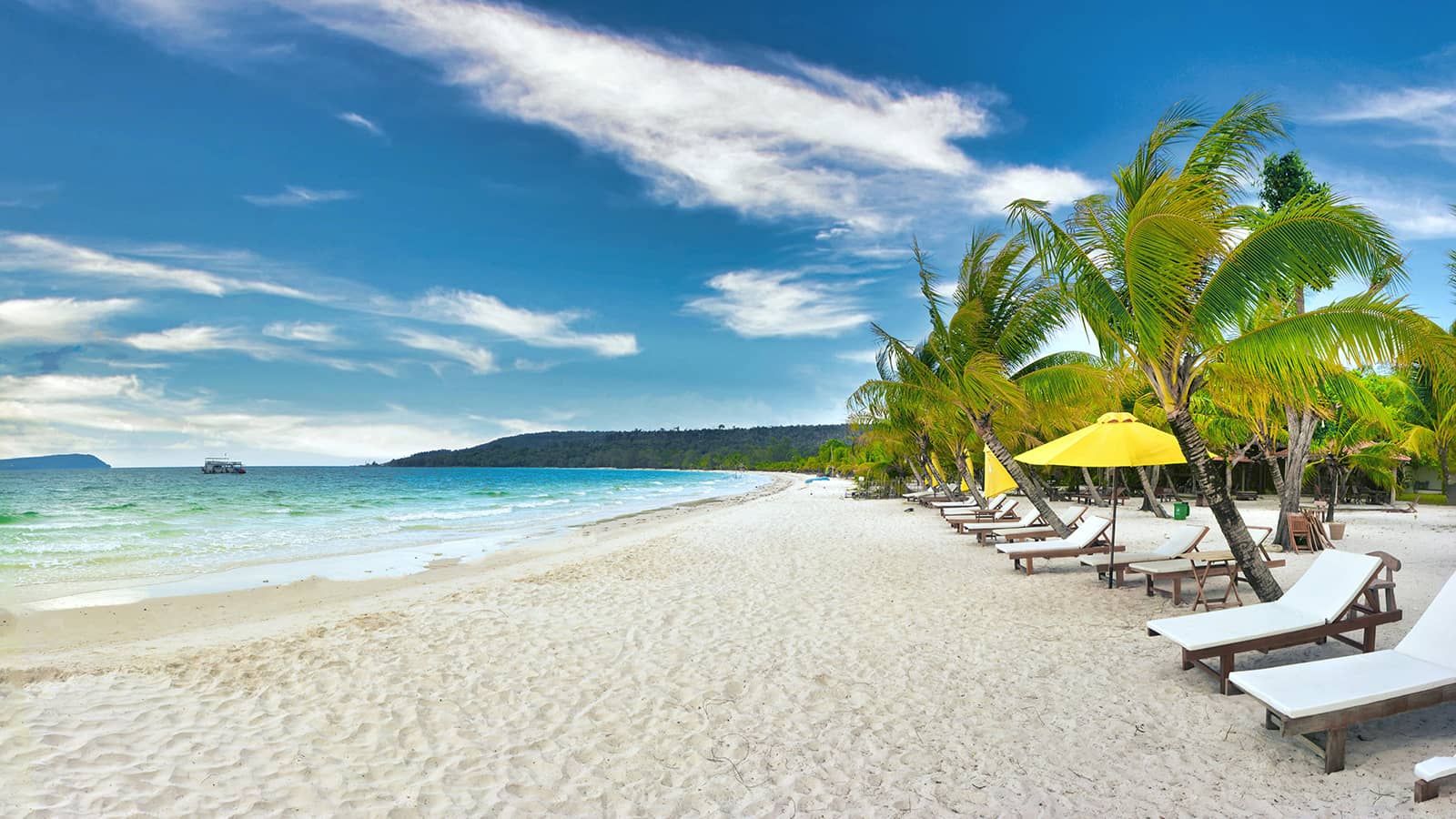
📷 Featured image by Kelvin Zyteng on Unsplash.