On this page
- Island-Hopping Adventures: Cable Cars and Hidden Beaches
- Langkawi’s Shopping Scene: Duty-Free Deals and Local Markets
- Water Sports and Marine Adventures
- Cultural Experiences and Local Villages
- Nature and Wildlife Encounters
- Langkawi’s Food Trail: Where to Eat Like a Local
- Budget Breakdown: What Things Actually Cost in 2026
- Frequently Asked Questions
💰 Click here to see Malaysia Budget Breakdown
💰 Prices updated: October, 2026. Budget figures are estimates — always verify before travel.
Exchange Rate: $1 USD = RM4.08
Daily Budget (per person)
Shoestring: RM100.00 – RM180.00 ($24.51 – $44.12)
Mid-range: RM250.00 – RM450.00 ($61.27 – $110.29)
Comfortable: RM500.00 – RM1,000.00 ($122.55 – $245.10)
Accommodation (per night)
Hostel/guesthouse: RM30.00 – RM60.00 ($7.35 – $14.71)
Mid-range hotel: RM110.00 – RM200.00 ($26.96 – $49.02)
Food (per meal)
Budget meal: RM15.00 ($3.68)
Mid-range meal: RM35.00 ($8.58)
Upscale meal: RM100.00 ($24.51)
Transport
Single metro/bus trip: RM2.00 ($0.49)
Monthly transport pass: RM50.00 ($12.25)
Langkawi‘s tourism boom has reached new heights in 2026, with the island welcoming record numbers of visitors following the completion of the new underwater tunnel attraction and expanded duty-free zones. While this means more activities than ever before, it also means savvy planning is essential to avoid crowds and inflated prices at tourist traps.
Island-Hopping Adventures: Cable Cars and Hidden Beaches
The Langkawi Cable Car remains the island’s crown jewel, but the 2026 upgrades have transformed the experience entirely. The new glass-bottom gondolas offer breathtaking views as you ascend Mount Mat Cincang, with the forest canopy spreading beneath your feet like a green carpet dotted with limestone outcrops.
At the top station, the recently opened SkyBridge extension now stretches 125 metres across the valley, suspended 100 metres above the rainforest. The gentle sway as you walk across, combined with panoramic views of the Andaman Sea, creates an unforgettable rush. Early morning visits before 9 AM offer the clearest views and smallest crowds.
For island-hopping, the traditional tour to Pulau Dayang Bunting (Pregnant Maiden Lake) and Eagle Watching remains popular, but the real gems lie off the beaten path. Pulau Beras Basah offers pristine white sand beaches with crystal-clear water perfect for snorkelling. The coral reefs here recovered significantly during the pandemic closure, and you’ll spot colourful parrotfish and angelfish just metres from shore.
Private longtail boat charters cost around MYR 300-400 for a half-day trip to three islands, including stops at hidden lagoons accessible only at high tide. The local boat operators at Pantai Cenang know secret spots where you can swim in emerald pools surrounded by towering limestone cliffs.
Langkawi’s Shopping Scene: Duty-Free Deals and Local Markets

Langkawi’s duty-free status makes it a shopping paradise, especially after the 2026 expansion that added luxury brands and electronics to the tax-free list. Kuah Jetty’s shopping complex has doubled in size, now housing everything from Swiss watches to Japanese cameras at prices significantly lower than Kuala Lumpur.
For alcohol and tobacco, the savings are substantial – imported whisky costs about 30-40% less than mainland Malaysia. The new Teow Soon Huat duty-free megastore near the airport stocks over 200 liquor brands, plus local specialties like coconut candy and dodol that make perfect gifts.
Night markets offer a completely different shopping experience. Pasar Malam Kuah operates Wednesday and Saturday evenings, where the aroma of grilled satay mingles with incense from handicraft stalls. Local artisans sell hand-woven songket fabric, pewter items, and traditional wood carvings at fraction of hotel gift shop prices.
Pantai Cenang’s beachfront shops specialize in batik clothing and beach accessories. The quality varies dramatically – look for batik with intricate hand-drawn patterns rather than machine-printed designs. Genuine hand-batik sarongs cost MYR 60-80, while machine versions sell for MYR 20-25.
For authentic local products, visit the farmers market at Temoyong on Saturday mornings. This is where locals shop for fresh tropical fruits, spices, and traditional snacks. You’ll find rare fruits like cempedak and durian belanda, plus homemade keropok (fish crackers) that taste nothing like the mass-produced versions.
Water Sports and Marine Adventures
Langkawi’s waters have become a world-class destination for water sports, with new operators offering everything from kitesurfing lessons to deep-sea fishing charters. The consistent southwest monsoon winds from May to September create ideal conditions for sailing and windsurfing along the main beaches.
Jet skiing around the mangrove channels provides an adrenaline rush while exploring hidden waterways. The guided tours through Kilim Karst Geoforest Park reveal limestone caves and eagle nesting sites accessible only by water. The afternoon tours often include stops at floating restaurants where you can enjoy fresh seafood while watching fish eagles dive for their catch.

Scuba diving has exploded in popularity since the artificial reef project completed in 2025. The sunken ships off Pulau Payar create artificial reefs teeming with marine life. Visibility typically ranges 15-25 metres, and certified divers regularly spot reef sharks, stingrays, and massive schools of barracuda.
For beginners, parasailing offers spectacular aerial views without requiring special skills. The tandem flights launch from Pantai Cenang beach, lifting you 150 metres above the turquoise waters for 10-12 minutes of pure exhilaration. The gentle landing on the beach platform makes it accessible for most fitness levels.
Stand-up paddleboarding has gained traction among visitors seeking calmer adventures. The protected lagoons near Datai Bay offer mirror-like conditions perfect for SUP yoga sessions or leisurely exploration of mangrove creeks where you might spot otters playing in the shallow water.
Cultural Experiences and Local Villages
Beyond beaches and duty-free shopping, Langkawi offers authentic cultural experiences that most tourists miss entirely. The village of Padang Matsirat preserves traditional Malay architecture, with wooden houses on stilts and communal areas where elderly residents still practice traditional crafts.
Rice Garden Restaurant and Museum showcases Langkawi’s agricultural heritage through interactive displays and traditional farming demonstrations. Visitors can try their hand at rice planting in authentic paddy fields, learning techniques passed down through generations. The attached restaurant serves farm-to-table cuisine using ingredients grown on-site.
Temurun Waterfall offers more than just natural beauty – it’s considered sacred by local communities. The 200-metre hike through primary rainforest leads to a multi-tiered waterfall where locals believe the water has healing properties. The natural pool at the base maintains a refreshing temperature year-round, perfect for a cooling dip after the jungle trek.

Atma Alam Batik Art Village provides hands-on batik workshops where you create your own fabric art using traditional wax-resist techniques. The two-hour sessions teach the basics of pattern design and dyeing, resulting in a unique souvenir that carries personal memories of your visit.
Local fishing villages like Kampung Kilim offer homestay experiences where visitors join fishing families for traditional meals and learn about sustainable fishing practices that have supported communities for centuries. These authentic interactions provide insights into island life far removed from resort bubble experiences.
Nature and Wildlife Encounters
Langkawi’s designation as a UNESCO Global Geopark highlights its exceptional geological and biological diversity. The Kilim Karst Geoforest Park protects ancient limestone formations and mangrove ecosystems that support incredible wildlife populations.
Eagle watching tours reveal why Langkawi earned its name – “helang” means eagle in Malay. The boat trips through mangrove channels provide opportunities to observe Brahminy Kites, White-bellied Sea Eagles, and the rare Grey-headed Fish Eagle in their natural habitat. Guide boats attract eagles by tossing fish scraps, creating spectacular aerial displays as dozens of birds swoop within metres of passengers.
The mangrove forests shelter proboscis monkeys, smooth otters, and over 200 bird species. Early morning tours offer the best wildlife viewing opportunities when animals are most active. The still water reflects towering limestone cliffs, creating mirror images that photographers dream about.
Crocodile Cave (Gua Buaya) combines adventure with natural history. The limestone cave extends deep underground, with chambers large enough to accommodate tour groups safely. Stalactites and stalagmites create cathedral-like spaces illuminated by carefully positioned LED lighting that preserves the cave’s delicate ecosystem.
For serious nature enthusiasts, guided night walks in Datai rainforest reveal nocturnal wildlife rarely seen during daylight hours. Flying squirrels glide between trees, while fruit bats emerge from cave roosts to feed in fruiting fig trees. The symphony of insects and night birds creates an immersive soundscape that defines tropical nights.

Langkawi’s Food Trail: Where to Eat Like a Local
Langkawi’s food scene extends far beyond resort restaurants, with local eateries serving exceptional Malay and Thai-influenced cuisine at fraction of hotel prices. The island’s position near the Thai border creates unique fusion flavors found nowhere else in Malaysia.
Nasi Kandar Tomato in Kuah serves legendary curry dishes that draw lines of locals throughout the day. Their signature curry fish head swimming in thick, aromatic gravy delivers intense heat balanced by coconut milk richness. The restaurant’s no-frills atmosphere – plastic chairs and marble-topped tables – focuses attention entirely on the extraordinary food.
For authentic Thai-Malay fusion, Wonderland Food Store near Pantai Cenang offers tom yam fried rice that perfectly balances sour, spicy, and sweet elements. The smoky wok hei (breath of the wok) adds depth impossible to replicate in home kitchens, while fresh herbs provide bright counterpoints to the rich, oily base.
Night food courts along Jalan Pantai Cenang come alive after sunset with dozens of stalls grilling fresh seafood caught that morning. The aromas of charcoal-grilled stingray slathered in sambal and banana leaf-wrapped fish create an intoxicating atmosphere that epitomizes Southeast Asian street food culture.
Hidden gem Warung Pak Mat serves the island’s best laksa lemak – creamy coconut curry noodles with fresh prawns and cockles. Located in a residential area away from tourist zones, this family-run stall attracts taxi drivers and locals who consider it the gold standard for traditional Malay comfort food.
Fresh tropical fruits reach peak flavor in Langkawi’s climate. Roadside vendors sell perfectly ripe mangosteen, rambutan, and langsat at incredibly low prices. The sweet, perfumed flesh of tree-ripened mangoes here surpasses anything available in supermarkets worldwide.

Budget Breakdown: What Things Actually Cost in 2026
Understanding Langkawi’s pricing structure helps maximize your budget while avoiding tourist traps that charge inflated rates for standard services.
Budget Range (MYR 80-120 per day):
- Guesthouse accommodation: MYR 40-60 per night
- Local restaurant meals: MYR 8-15 per meal
- Local bus transportation: MYR 2-5 per journey
- Beach activities (snorkeling gear rental): MYR 15-20 per day
- Night market shopping and snacks: MYR 15-25 per evening
Mid-Range (MYR 200-350 per day):
- 3-star hotel with breakfast: MYR 120-180 per night
- Mix of local and tourist restaurants: MYR 25-40 per meal
- Taxi or ride-share transport: MYR 15-25 per trip
- Cable car and major attractions: MYR 60-80 per activity
- Island hopping tour: MYR 80-120 per day
Comfortable Range (MYR 500+ per day):
- 4-5 star resort accommodation: MYR 300-600 per night
- Resort and upscale restaurant dining: MYR 60-120 per meal
- Private car rental or driver: MYR 100-150 per day
- Premium activities (helicopter tours, luxury yacht): MYR 300-800 per activity
- Spa treatments and premium experiences: MYR 200-400 per session
Duty-free alcohol represents genuine savings – imported spirits cost 30-40% less than mainland Malaysia, while local beer prices remain similar to other Malaysian destinations.
Frequently Asked Questions
How many days do you need in Langkawi?
Three to four days provide sufficient time to experience major attractions, enjoy water activities, and explore local culture without feeling rushed. Seven days allow for deeper exploration and relaxation.
What’s the best time to visit Langkawi in 2026?
December through March offers the driest weather and calmest seas, though prices peak during this period. May through September provides good weather with fewer crowds and better deals.
Do you need a car to get around Langkawi?
While not essential, renting a car provides maximum flexibility for exploring hidden beaches and local villages. Taxis and ride-sharing services cover main tourist areas adequately for shorter visits.
Is Langkawi suitable for families with young children?
Absolutely. The island offers calm beaches, family-friendly resorts, and activities suitable for various ages. Most restaurants accommodate children, and medical facilities provide adequate care for minor issues.
What should I buy in Langkawi’s duty-free shops?
Focus on imported alcohol, Swiss watches, and electronics for the best savings. Local specialties like coconut candy, dodol, and handwoven textiles make excellent gifts while supporting local artisans.
Explore more
Langkawi Adventures: The Best Things to Do on Malaysia’s Island Paradise
What to Do in Langkawi? Your Ultimate Guide to Island Adventures
What to Do in Langkawi: Your Essential Guide to Island Exploration
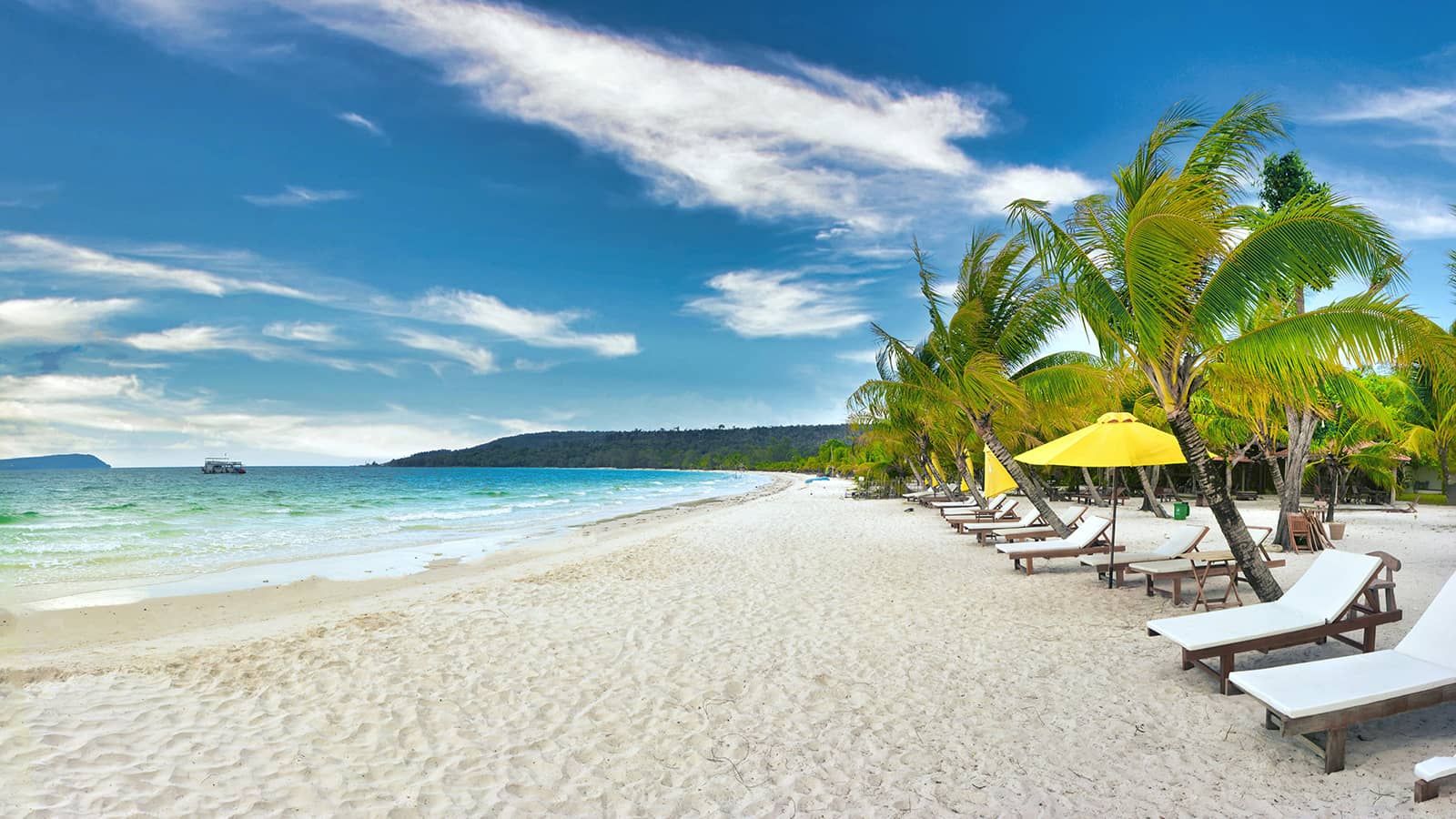
📷 Featured image by Kelvin Zyteng on Unsplash.