On this page
- Mount Kinabalu: The Trip That Defines Everything Else
- Tunku Abdul Rahman Marine Park: Five Islands, One Morning
- Gaya Street Sunday Market: KK’s Best Morning Ritual
- Signal Hill Observatory & KK City Mosque: Free Landmarks Worth Your Hour
- Sepilok & Sandakan: The Wildlife Day Trip That Justifies a Flight to KK
- Poring Hot Springs: Thermal Pools After Kinabalu
- Rafflesia Viewing: The World’s Largest Flower in the Wild
- Mari Mari Cultural Village: Longhouse Life Without the Overnight Commitment
- Kota Belud Tamu: The Market Most Visitors Skip
- White-Water Rafting on the Kiulu and Padas Rivers
- Sabah State Museum: More Than a Rainy Day Option
- Sunset at the Waterfront Esplanade: The Daily Ritual
- Night Markets & After-Dark Street Food
- Getting Around KK and Practical 2026 Logistics
- Manukan Island in Detail: The Best Single Island for First-Timers
- Budget Breakdown: What KK Costs in 2026
- Frequently Asked Questions
💰 Click here to see Malaysia Budget Breakdown
💰 Prices updated: August, 2026. Budget figures are estimates — always verify before travel.
Exchange Rate: $1 USD = RM4.03
Daily Budget (per person)
Shoestring: RM100.00 – RM200.00 ($24.81 – $49.63)
Mid-range: RM180.00 – RM400.00 ($44.67 – $99.26)
Comfortable: RM450.00 – RM1,300.00 ($111.66 – $322.58)
Accommodation (per night)
Hostel/guesthouse: RM20.00 – RM70.00 ($4.96 – $17.37)
Mid-range hotel: RM100.00 – RM350.00 ($24.81 – $86.85)
Food (per meal)
Budget meal: RM15.00 ($3.72)
Mid-range meal: RM35.00 ($8.68)
Upscale meal: RM100.00 ($24.81)
Transport
Single metro/bus trip: RM2.00 ($0.50)
Monthly transport pass: RM150.00 ($37.22)
Kota Kinabalu has a problem — and it works in your favour. Despite sitting on the edge of some of Southeast Asia’s most biodiverse terrain, it still gets a fraction of the tourist pressure that Penang or KL absorbs. In 2026, with Malaysia MDAC (Malaysia Digital Arrival Card) now fully embedded in the entry process and AirAsia’s direct routes from Tokyo and Seoul expanding, more first-timers are arriving with a blank itinerary and genuinely no idea where to start. This guide cuts through the noise. These are the twenty things worth your actual time, ordered by how they cluster geographically and logistically — not by which operator pays for top placement.
Mount Kinabalu: The Trip That Defines Everything Else
You don’t have to climb it. That distinction matters more than most guides admit. Mount Kinabalu, at 4,095 metres, is Southeast Asia’s highest peak, and a full summit attempt requires a permit booked weeks — sometimes months — in advance through Sutera Sanctuary Lodges. In 2026, daily summit permits are capped at 135 climbers and often sell out three to four months ahead, particularly for June and July.
But even if you never lace up a pair of hiking boots, Kinabalu Park deserves at least a day of your trip. The park entrance sits at around 1,500 metres elevation, and the temperature drop alone — from KK’s coastal humidity to cool mountain air smelling faintly of pine and wet soil — is worth the 2-hour drive. The Kinabalu Park Botanical Garden trail is a flat 45-minute loop that introduces you to carnivorous pitcher plants in their natural habitat, some large enough to trap a frog.
For those who do want to summit, the two-day climb costs approximately MYR 1,200–1,600 all-in, including mandatory guide fees, park levy, accommodation at Laban Rata (around 3,300 metres), and meals. Budget this separately from your general trip spend. The summit route is not technical, but altitude sickness is real — one night at Laban Rata helps acclimatisation before the 2am pre-dawn push to Low’s Peak.
Tunku Abdul Rahman Marine Park: Five Islands, One Morning
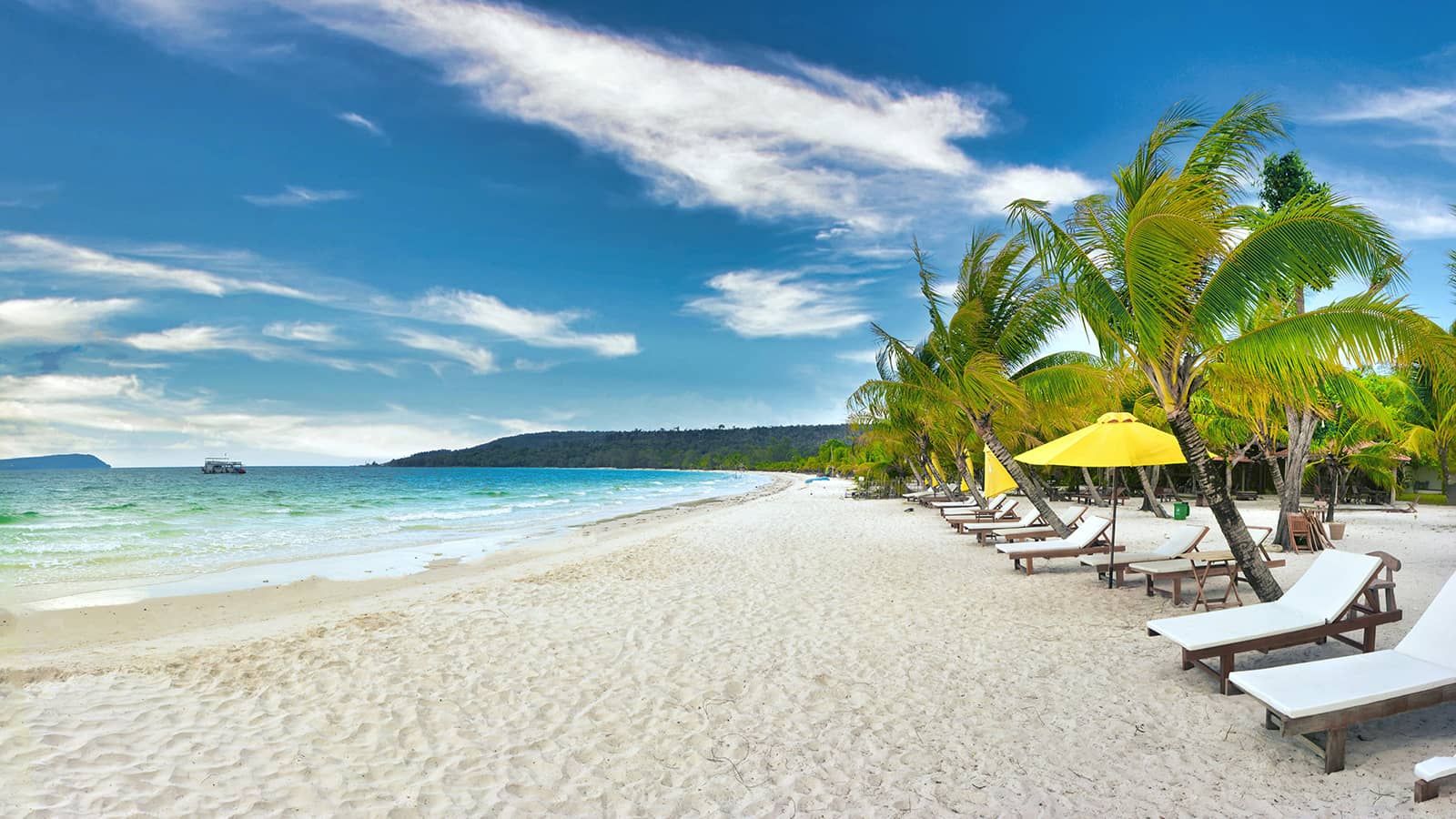
Five minutes of looking at a KK map and you’ll see them — Gaya, Sapi, Manukan, Mamutik, and Sulug Islands sitting a short boat ride from the city’s Jesselton Point Ferry Terminal. Together they form Tunku Abdul Rahman Marine Park, and they represent one of the most accessible marine parks in Malaysia.
Jesselton Point is where you buy your boat tickets. Return boat fares run approximately MYR 30–40 per person per island depending on which boat company you use, and there are multiple licensed operators. The park charges a conservation fee of MYR 10 per person on top. Most visitors combine two islands in a single day — Manukan and Sapi are the classic pairing. Manukan has the best snorkelling infrastructure, with rental gear available on-island for around MYR 25–30. Sapi is smaller and better for those who just want to swim and relax on white sand without too much company.
The water clarity in the park is genuinely striking — visibility of 8–12 metres is common on calm mornings, and reef fish and sea turtles are regular sightings around Manukan’s eastern beach. Go before 10am to beat the day-trip crowds, which peak between 11am and 2pm.
Gaya Street Sunday Market: KK’s Best Morning Ritual
Every Sunday morning, Gaya Street closes to traffic and fills with over 400 stalls stretching for nearly a kilometre through KK’s old town. This is the single most atmospheric thing you can do on a Sunday in Kota Kinabalu, and it starts early — stalls are set up by 6am and the best produce and street food goes quickly.

The market mixes Sabahan crafts, jungle produce, live plants, traditional textiles, and an enormous amount of food. Look for tapai (fermented rice wine in bamboo) sold by Kadazan-Dusun vendors, wild honey in recycled bottles, woven rattan baskets, and fresh buah tarap — a jackfruit relative with a creamy, vanilla-forward flesh that you simply cannot find in peninsular Malaysia. The smell of grilling barbecued pork and fresh-cut durian mingles with the morning air as early as 7am.
The market officially runs until around noon, but the energy is best between 7am and 9am. Bring cash (small denominations), wear comfortable shoes, and expect crowds by 9:30am. Gaya Street itself is in the heart of KK’s walkable city centre, close to most budget and mid-range accommodation.
Signal Hill Observatory & KK City Mosque: Free Landmarks Worth Your Hour
Signal Hill Observatory Tower sits above the city centre and offers a 360-degree view over KK’s waterfront, the islands of the marine park, and — on clear mornings — the full silhouette of Mount Kinabalu in the distance. Entry is free, it’s a short 10-minute drive or a steep 20-minute walk from the city centre, and the view at sunrise is genuinely one of the best free experiences in Sabah.
KK City Mosque (Masjid Bandaraya Kota Kinabalu) sits at the city’s edge near the waterfront and is built partially over the sea, designed so that at high tide it appears to float. Non-Muslim visitors are welcome outside of prayer times with appropriate dress (robes are provided at the entrance). The architecture is striking — white domes against blue water — and the mosque is walkable from the waterfront esplanade. Admission is free.

Sepilok & Sandakan: The Wildlife Day Trip That Justifies a Flight to KK
If you’ve flown all the way to Sabah and you don’t get to a wildlife sanctuary, you’ve left the best part behind. Sepilok Orangutan Rehabilitation Centre, the Bornean Sun Bear Conservation Centre, and the Proboscis Monkey Sanctuary at Labuk Bay are all clustered near Sandakan on Sabah’s east coast — about 5.5 hours by road from KK, or a 45-minute flight on MASwings from KK Airport to Sandakan.
The smarter move for first-timers is to fly to Sandakan, spend two nights, hit all three sanctuaries, and fly back to KK. Sepilok’s morning feeding sessions at 10am and afternoon sessions at 3pm are the primary viewing windows for semi-wild orangutans swinging down to the feeding platform through rainforest canopy. The Sun Bear Centre next door is a 10-minute walk and admission is MYR 60 per adult in 2026. Labuk Bay’s proboscis monkeys — those strange, pot-bellied Borneo endemics with bulbous noses — are viewed from an elevated boardwalk at feeding times (9:30am and 5:30pm).
For those who can’t spare two nights, there are organised day tours from KK by road. These make for very long days (departing 7am, returning by 10pm) but they are doable and cost around MYR 250–350 per person including transport and entrance fees.
Poring Hot Springs: Thermal Pools After Kinabalu
Most itineraries pair Kinabalu Park with Poring Hot Springs in a single day, and for good reason — Poring sits about 43 kilometres from the park’s main gate on the lower, warmer side of the mountain. The hot springs are run by Sabah Parks and consist of outdoor thermal bathing pools fed by natural sulphuric springs. You can rent a private tub or use the communal pools for MYR 15–25 per person.

Beyond the pools, Poring has a canopy walkway suspended in the forest, and it’s one of the easier places in Sabah to see Rafflesia (see below). The botanical garden here also has pitcher plant collections and butterfly habitat. It’s a low-key, genuinely relaxing contrast to a morning at altitude in Kinabalu Park.
Rafflesia Viewing: The World’s Largest Flower in the Wild
Rafflesia arnoldii — the world’s largest individual flower, reaching up to 1 metre in diameter — blooms only for five to seven days before rotting back into the rainforest floor. Several guides in the villages near Tambunan and Ranau maintain an informal network of trackers who monitor active blooms. When one is open, guides post updates to Facebook groups and WhatsApp networks, and day tours from KK can be arranged within 24 hours for around MYR 150–200 per person including transport and guide fees.
This is not a guaranteed sighting — it’s a nature experience, and that’s exactly what makes it remarkable. If a bloom is active during your stay in KK, it’s worth rescheduling your day around it. The flower is genuinely alien — a massive, mottled red-and-white bowl with a putrid smell designed to attract pollinating flies — and seeing one in a living jungle rather than a photograph is unforgettable.
Mari Mari Cultural Village: Longhouse Life Without the Overnight Commitment
About 25 kilometres north of KK city, Mari Mari Cultural Village offers a half-day cultural experience inside five reconstructed traditional longhouses representing Sabah’s major indigenous groups: Kadazan-Dusun, Bajau, Murut, Rungus, and Lundayeh. Unlike some cultural villages in Malaysia that feel performative, Mari Mari does this with genuine craft knowledge — the demonstrations of fire-making with bamboo friction, blowpipe construction, rice wine fermentation, and traditional tattooing technique are run by community members from those ethnic groups.

Tours are guided and run approximately 2.5 hours. Admission in 2026 is MYR 175–195 per adult depending on whether you include lunch. Book ahead — the village runs a maximum group size to keep the experience from feeling like a theme park. It’s a 30-minute drive from KK; your hotel or a Grab can get you there easily.
Kota Belud Tamu: The Market Most Visitors Skip
Every Sunday morning, Kota Belud — a small town 77 kilometres north of KK — hosts a tamu (weekly indigenous market) that draws Bajau horsemen, Kadazan farmers, and traders from across the interior. Unlike Gaya Street, this is not a tourist market. It exists for the surrounding community, and the stalls sell livestock, jungle produce, handmade tools, dried fish, and local snacks that never appear on any city menu.
Getting here requires a rental car or a private transfer (about MYR 120–150 return, or MYR 60 each way by minivan from KK’s Padang Merdeka Bus Terminal). The market is best before 10am. On occasion — particularly during festivals — you’ll see Bajau horsemen in traditional silver-fringed regalia, which is the cultural image that Sabah Tourism has used in promotional material for decades. Seeing it spontaneously at a real market is something else entirely.
White-Water Rafting on the Kiulu and Padas Rivers
Sabah has two primary rafting rivers, and they are very different experiences. The Kiulu River, about 45 minutes from KK, is Grade 1–2 and ideal for families or first-timers. It’s a gentle float through rice paddy scenery and secondary jungle, and the half-day trip costs approximately MYR 100–130 per person.
The Padas River, which requires a 2-hour KTM Sabah Railway journey from Beaufort to Tenom before the river section, is Grade 3–4 and a genuine white-water experience. The full-day Padas trip from KK costs MYR 250–300 per person including transport, guide, equipment, and lunch, and involves Class 3 rapids with names like “Headhunter” and “Man Eater” that are no longer just marketing — they hit hard. The scenic gorge views from the train to the put-in point are a bonus.

Sabah State Museum: More Than a Rainy Day Option
The Sabah State Museum complex on Bukit Istana Lama is one of the most underrated institutions in East Malaysia. The main museum covers Sabah’s natural history, ethnology, and colonial history with genuine depth — the section on Borneo’s indigenous ceramic trade routes alone is worth 30 minutes. The adjoining Heritage Village has full-scale traditional longhouses, including a Murut longhouse with a spring-loaded dance floor (called a lansaran) built exactly as the originals were.
Entry is MYR 15 for adults in 2026. Allow at least 2 hours. The museum complex also includes a Science and Technology Centre and an Art Gallery. It’s about 2 kilometres from KK city centre — walkable in the morning, or a short Grab ride.
Sunset at the Waterfront Esplanade: The Daily Ritual
KK faces due west over the South China Sea, which means the sunsets here are among the most reliably spectacular in Malaysia. The Waterfront Esplanade stretches along the seafront from the KK Ferry Terminal northward, lined with restaurants, food stalls, and open-air seating. By 6pm, locals and visitors alike are perched on the seawall watching the sky turn orange over the islands.
There’s no entry fee, no ticket, no tour operator needed. The sunset here has an almost communal quality — the sound of children playing in the park behind you, the low hum of motorcycle engines on the coast road, the smell of grilling seafood drifting from the open-air restaurants nearby. Grab a cold Milo Ais or a freshly blended fruit juice from one of the stalls and just stay until the sky goes dark.

Night Markets & After-Dark Street Food
KK’s night market circuit has three main stops worth knowing:
- Gaya Street Night Bazaar (Fri & Sat): Not the same as the Sunday morning tamu. Weekend nights see Gaya Street reopen with food stalls, grilled corn, and local snacks running from around 6pm until midnight.
- Filipino Market (Pasar Filipino): Open nightly near the waterfront. This is where you eat grilled seafood — pick fresh fish, prawns, and shellfish by weight, hand it to the grill operator, and eat at the communal tables with sambal belacan and lime. Messy, smoky, excellent. Budget MYR 30–50 per person.
- KK Waterfront Night Market: The newer, more organised stretch near Sutera Harbour area, better for families, with more variety including Sabahan local dishes like hinava (raw fish cured in lime juice), ngiu chap (beef noodle soup), and tuaran mee (crispy egg noodles).
Getting Around KK and Practical 2026 Logistics
KK city centre is walkable for most waterfront and shopping areas, but almost every activity outside the city requires either a rental car, a Grab, or a booked tour. There is no MRT or LRT here — KK is smaller and slower-paced than KL, and that’s part of the appeal.
- Grab: Works well within KK city. Surge pricing applies during rain. A ride across the city centre costs MYR 8–15.
- Rental car: Recommended if you’re visiting Kinabalu Park, Poring, Kota Belud, or anywhere inland. International licences are accepted. Daily rates start from MYR 90–120 for a basic compact. Driving is on the left.
- Airport: Kota Kinabalu International Airport (BKI) is about 7 kilometres from the city centre. A Grab or taxi costs MYR 20–35. There is no dedicated rail link as of 2026, though a light rail connection has been in the planning phase since 2024.
- MDAC: Malaysia’s Digital Arrival Card must be completed online before arrival — this replaced the paper immigration card. Complete it at least 3 days before flying in.
- SIM Cards: Celcom, Maxis, and Digi all sell tourist SIMs at the airport from MYR 30–50 with data packages. Grab a SIM as soon as you land — you’ll need data for navigation outside the city.

Manukan Island in Detail: The Best Single Island for First-Timers
If you only have time for one island in Tunku Abdul Rahman Marine Park, go to Manukan. It has the most developed facilities, the cleanest snorkelling reef closest to shore, and a beach long enough to find a quiet patch even on busy weekends. The island resort (Manukan Island Resort) has a pool, restaurant, and accommodation if you want an overnight, but the day-trip boat from Jesselton Point runs every 30–45 minutes from 7:30am onwards.
The snorkelling on the eastern side of the beach reveals hard coral gardens with clownfish, parrotfish, and the occasional hawksbill sea turtle. The water is warm (28–30°C), and visibility is best before 10am before boat traffic disturbs the sediment. Snorkel gear rental from the on-beach operators costs MYR 25–30. Life jackets are available for non-swimmers at no extra charge.
Budget Breakdown: What KK Costs in 2026
Kota Kinabalu is one of the most affordable international gateways in Southeast Asia at the budget and mid-range level. Here’s a realistic daily spend:
Budget Tier (MYR 100–180/day)
- Hostel dorm or basic guesthouse: MYR 35–60/night
- Street food and hawker meals: MYR 8–15 per meal
- Grab rides in the city: MYR 8–12
- Free or low-cost attractions: Signal Hill, waterfront, markets
Mid-Range Tier (MYR 280–450/day)
- 3-star hotel or boutique guesthouse: MYR 150–220/night
- Mix of hawker and sit-down meals: MYR 20–50 per meal
- Day tours (Kinabalu Park, island hopping): MYR 80–150
- Car rental or regular Grab use: MYR 60–90/day

Comfortable Tier (MYR 600–1,000+/day)
- 4–5 star hotel (Shangri-La Tanjung Aru, Sutera Harbour): MYR 350–600/night
- Restaurant dining and seafood meals: MYR 80–200 per meal
- Private tour transfers: MYR 200–400/day
- Mount Kinabalu summit: MYR 1,200–1,600 total (budget separately)
Frequently Asked Questions
How many days do I need in Kota Kinabalu?
A minimum of four full days covers the city highlights, one island in TAR Marine Park, and a day trip to Kinabalu Park. If you’re adding the Sepilok wildlife sanctuaries or a Mount Kinabalu summit attempt, plan for six to eight days total. Most first-timers underestimate how much there is and leave wishing they’d stayed longer.
Is it safe to travel to Kota Kinabalu in 2026?
KK city and the main tourist areas — Kinabalu Park, TAR Marine Park, Sepilok — are safe and well-visited. The eastern Sabah coastal areas near Lahad Datu and the Sulu Sea corridor have a different security profile; the Malaysian government maintains travel advisories for those specific zones. Check Malaysia’s official travel advisories before heading to the far east coast.
What is the best time of year to visit Kota Kinabalu?
March to October is generally drier and best for Mount Kinabalu, island hopping, and diving. The wettest months are November to February, when northeast monsoon conditions bring heavy afternoon rain. December and January see the most rainfall. That said, rain in KK is typically short and intense — not the kind that ruins entire days — and the shoulder months (March–April, September–October) offer good weather with fewer crowds and lower accommodation rates.
Do I need to book Mount Kinabalu in advance?
Yes, absolutely. Summit permits are strictly limited to 135 climbers per day and must be booked through Sutera Sanctuary Lodges, which also manages the only accommodation at Laban Rata (mandatory overnight). For June and July, book at least three to four months ahead. For September through November, six to eight weeks may be sufficient. Walk-ins are not accepted at the park gate as of 2026.
Can I drink the tap water in Kota Kinabalu?
Tap water in KK is technically treated, but most locals and long-term visitors drink bottled or filtered water. In city hotels and restaurants, filtered water is standard. When visiting rural areas, Kinabalu Park, or Poring, carry a 1.5-litre bottle. Bottled water is widely available for MYR 1–2 per litre. Refillable filter bottles (such as LifeStraw or LARQ) are increasingly practical for eco-conscious travellers.
Explore more
The Ultimate Guide to Kota Kinabalu Nightlife: Bars, Clubs & More
Your Ultimate Guide to Shopping in Kota Kinabalu: Malls, Markets & More
What Souvenirs Should You Buy in Kota Kinabalu? A Traveler’s Checklist
The Ultimate Guide to Kota Kinabalu Day Trips & Excursions