💰 Click here to see Malaysia Budget Breakdown
💰 Prices updated: November, 2026. Budget figures are estimates — always verify before travel.
Exchange Rate: $1 USD = RM4.05
Daily Budget (per person)
Shoestring: RM80.00 – RM160.00 ($19.75 – $39.51)
Mid-range: RM180.00 – RM350.00 ($44.44 – $86.42)
Comfortable: RM500.00 – RM1,000.00 ($123.46 – $246.91)
Accommodation (per night)
Hostel/guesthouse: RM30.00 – RM60.00 ($7.41 – $14.81)
Mid-range hotel: RM110.00 – RM200.00 ($27.16 – $49.38)
Food (per meal)
Budget meal: RM15.00 ($3.70)
Mid-range meal: RM35.00 ($8.64)
Upscale meal: RM100.00 ($24.69)
Transport
Single metro/bus trip: RM2.00 ($0.49)
Monthly transport pass: RM50.00 ($12.35)
Most parents planning Borneo worry about the same things: long drives, jungle heat, and a toddler who melts down at hour three. Kuching is the answer to most of those worries. In 2026, the city is easier than ever, with a growing network of new autonomous rapid transit (ART) lines, direct flights from several Southeast Asian cities, and a clean riverfront built for strolling. Wildlife, culture, and mild local food all sit close by, so you can see real orangutans without a week of trekking.
Why Kuching Works So Well for Families
Kuching is calm. It is the capital of Sarawak, but it feels more like a friendly river town than a big city. Locals of Malay, Chinese, Iban, and Bidayuh backgrounds live side by side, and strangers often smile at kids, hand them sweets, or offer to carry a stroller up steps.
The city is also compact. Most central sights sit within a 15-minute walk of the Sarawak River. The rainforest is only 30 to 60 minutes away, which matters when your child can only handle short car rides. Prices are lower than in Kuala Lumpur or Singapore, so a family trip does not drain your budget.
One thing has changed since 2024: foreign visitors must complete the Malaysia Digital Arrival Card (MDAC) online before arrival, and this includes children. Fill in one for each child before you fly. Sarawak also runs its own immigration checks, so even travellers coming from Peninsular Malaysia carry passports.
Best Neighborhoods for Families
Waterfront and Main Bazaar
This is the easiest base for first-time visitors. The Waterfront promenade has shade, benches, playgrounds, and ice-cream stalls. The Main Bazaar shophouses sit right behind it. Families with strollers should know the pavements are mostly flat here, though some five-foot ways (covered walkways) have uneven tiles.
Padungan
Padungan is a short Grab ride from the Waterfront and full of cafes, bakeries, and restaurants. It suits families with older kids who like variety. The area gets noisier at night, so choose a hotel on a side street if your child sleeps lightly.
Damai and Santubong
About 35 km north, this beach area has resorts, a quiet shoreline, and mountain views. It suits families who want pool days and a slower pace. You will need a car or regular Grab rides to get back to the city.
Tabuan Jaya and Batu Lintang
These are residential districts with malls, supermarkets, and local food courts. They suit longer stays and parents who want a pharmacy, laundry, and groceries nearby. They are less scenic but practical.

Top Kid-Friendly Attractions in the City
Start with the Kuching Waterfront. Walk the promenade in the late afternoon, when the heat eases and the river turns copper. Cross the curved Darul Hana Bridge, a pedestrian bridge that kids love because it twists and has plenty of space to run. Small boats called tambang ferry people across the river for about RM1 per person. A five-minute ride feels like an adventure to a six-year-old.
On the north bank, climb up to Fort Margherita, a white fort from the 1800s that now houses the Brooke Gallery. It is a short walk and the views over the river are worth it. Check opening hours before you go, as they can change.
The Sarawak Museum Campus reopened in recent years after a large renovation and has free entry. Its displays on rainforest animals, longhouses, and traditional costumes hold children’s attention longer than most museums. Give it 90 minutes and stop for a snack break.
Kuching loves cats. The city’s name is often linked to the Malay word for cat, and you will spot large cat statues around town, including the famous white cats on Carpenter Street. Make it a game: let your kids count how many they find. The Cat Museum at the North City Hall has had periods of closure and renovation, so confirm it is open before planning a visit.
For nature without leaving town, try the Sama Jaya Nature Reserve. It has shaded walking paths and a small patch of forest, and it is good for toddlers who need to burn off energy. Bring repellent.
Eating Out with Children
Local food in Kuching is kinder to young palates than many parents expect. The rule: look for dry noodles, grilled meat, and rice dishes, and ask for sambal on the side.
Choon Hui Cafe on Jalan Ban Hock is a reliable kopitiam for Sarawak laksa, with a creamy, tangy broth and thin rice noodles. Ask for it mild. Kids who like soup tend to love it. For kolo mee, the springy dry noodles tossed in light sauce with sliced pork and a few drops of sesame oil, almost any morning kopitiam works. A bowl runs RM6 to RM9.
Top Spot Food Court is on a rooftop on Jalan Padungan. You choose fresh seafood from the counters, and the stalls cook it to order. The smell of garlic butter prawns and grilled stingray drifts through the open-air space as the sun drops. Order the midin (jungle fern) stir-fried with garlic for vegetables. A family dinner here costs RM100 to RM180.

Lau Ya Keng Food Court on Carpenter Street is a good midday stop. The mix of noodles, rice, and snacks lets everyone pick something different. It is covered and has ceiling fans, but it is not air-conditioned, so go before noon.
On weekends, visit the Satok Weekend Market, which runs from Saturday afternoon into Sunday morning. You can buy fried bananas, layered cakes, fresh fruit, and jungle produce while kids stare at stacks of bamboo shoots and bright tropical fruit. Fruit stalls cut pineapple and papaya into cups for RM3 to RM5.
Getting Around with Kids
Kuching has no MRT or LRT, but the city has been building its own system. The Autonomous Rapid Transit (ART), a rubber-tyred, rail-free tram powered by hydrogen, has started operating in the city in stages. Lines and schedules keep expanding, so check current routes on the day. For most family itineraries, you will still depend on Grab for door-to-door ease.
From the airport: Kuching International Airport is about 11 km from the centre. A Grab or airport taxi costs around RM25 to RM40 and takes 20 to 30 minutes. Direct flights now serve Kuala Lumpur, Johor Bahru, Penang, Kota Kinabalu, Miri, and Singapore, plus a few other regional routes. Check your airline for the latest schedule.
Grab: Short rides in the city cost RM8 to RM15. Car seats are not guaranteed on Grab. Malaysian law requires children under 10 and below 1.35 m to use a child restraint, so bring a lightweight booster or portable seat if you plan to use ride-hailing often.
Rental cars: If you want to visit Bako, Semenggoh, and Bau at your own pace, rent a car with a child seat for one or two days. Expect RM150 to RM250 per day plus RM10 to RM20 for the seat. Roads are good and traffic is light compared with KL.

Walking: The Waterfront and Chinatown are walkable, but heat and humidity tire little legs fast. Plan walks before 10am or after 4pm.
Day Trips from Kuching
Semenggoh Wildlife Centre (half day)
Semenggoh is 24 km south of the city, about 40 minutes by car. Rehabilitated orangutans roam the forest, and rangers put out fruit at feeding times, usually around 9am and 3pm. Wait quietly on the path, listen to the rustle of branches overhead, and watch a huge orange shape swing down from the canopy. Entry is roughly RM10 for adults and less for children, but check Sarawak Forestry’s current rates. Sightings are not guaranteed, especially when wild fruit is plentiful in the forest.
Sarawak Cultural Village (half day to full day)
At Damai, about 35 km north, this living museum has real-size houses from Sarawak’s main ethnic groups, including an Iban longhouse, a Bidayuh baruk, and a Melanau tall house. Children can try blowpipes, watch craftspeople at work, and see a dance show. Foreign adults pay about RM60 and children about RM30, with lower rates for Malaysians. Allow three hours. Pair it with a swim at Damai Beach afterwards.
Bako National Park (full day)
Bako is the best wildlife day out but needs planning. It is 37 km from Kuching, followed by a 20-minute boat ride from Kampung Bako. You can spot proboscis monkeys, bearded pigs, and silver-leaf monkeys near the park headquarters. Pick short trails such as Telok Paku or Telok Pandan Kecil. Skip the long hikes with kids under eight. Park entry is roughly RM20 for foreign adults and RM7 for children, and boats cost around RM90 to RM110 per boat for the return trip, which seats up to five. Book online through Sarawak Forestry in advance, because boat slots and park access can sell out on weekends.
Fairy Cave and Wind Cave, Bau (half day)
The drive to Bau takes about an hour. Fairy Cave has a steep stairway of roughly 100 steps, leading into a large chamber with a natural skylight. It suits kids over five. The Wind Cave Nature Reserve nearby has a flat boardwalk and a cool river. Wear shoes with grip, as the floors are damp.

Borneo Highlands (full day)
About 60 km from the city, this resort sits at around 1,000 m, so the air is cooler. Families can take short forest walks and enjoy mountain views. It suits parents who want a break from city heat, though the winding road can upset sensitive stomachs.
Evenings and Entertainment
Kuching evenings suit families because the city goes quiet early and the riverfront stays lively. Watch the sky go pink over the Sarawak River as the call to prayer drifts from nearby mosques, grilled satay smoke rises from stalls, and the lights switch on across Darul Hana Bridge. The Waterfront also has a musical fountain that runs in the evening, so check the current schedule.
Carpenter Street in the Chinatown area comes alive with lanterns, small shops, and cafes. Kids can chase cat statues while you sip kopi.
Sarawak River cruises run in the early evening and last about an hour. They are relaxing for families, with a chance to spot the Astana, Fort Margherita, and the old shophouses from the water. Prices are usually RM40 to RM60 per adult with lower fares for kids.
In June or July, the Rainforest World Music Festival takes place at the Sarawak Cultural Village. It has daytime workshops that kids can join, and there is a children’s area. Confirm the 2026 dates and ticket rules early, because accommodation fills fast.
Parents who want a drink after bedtime can head to Padungan’s bars once kids are asleep, but most hotels do not allow leaving children alone. Ask the front desk about family-friendly babysitting options, or choose a hotel with a lounge bar on the property.
Shopping
Main Bazaar, along Jalan Main Bazaar, is lined with craft shops selling beadwork, woven baskets, and carved wooden masks. Kids like the small hornbill carvings and keychains. Haggle politely, but accept that fixed-price shops are common.
Sarawak layer cakes (kek lapis) are the best edible souvenir. Colourful, patterned slices cost RM8 to RM20 depending on size. Buy from a stall where you can see the pattern before paying. Sarawak black pepper and laksa paste also pack easily into a suitcase.
For rainy days, malls help. The Spring and Vivacity Megamall have air-conditioning, food courts, and play areas for younger children. Plaza Merdeka in the city centre is good for clothes and basics. Pharmacies such as Watsons and Guardian stock nappies, formula, sunscreen, and paracetamol for children at reasonable prices.

Accommodation Areas by Budget
Budget (RM150 to RM250 per night for a family room): Look at guesthouses and small hotels around Main Bazaar and Padungan. Rooms are simple but often have two beds, and you will be close to cheap food. Check that the room has a window and a working fan or air-conditioner.
Mid-range (RM300 to RM550): Hotels along the Waterfront and in Padungan offer family rooms, pools, and breakfast buffets. Properties like the Grand Margherita and Riverside Majestic sit close to the river and make strolling easy.
Luxury (RM600 to RM1,200 and up): The Hilton Kuching, Pullman Kuching, and beachfront resorts at Damai offer bigger pools, kids’ clubs in some cases, and connecting rooms. For beach time and views, Damai is the better pick. For walkability, stay central.
Tourism tax rules for foreign guests (currently RM10 per room per night in Malaysia) and the Sarawak service tax may be added to your bill, so check whether quoted rates include taxes.
Best Time to Visit
Kuching is warm and humid all year, with daytime temperatures around 24 to 33°C. It rains often, even in the “dry” months.
- June to August: The driest period, which is good for Bako and jungle trails. It is also busy during school holidays, so book early.
- March to May and September to October: Fewer crowds, mixed weather, and often lower prices.
- November to February: The wet season, with heavy rain especially in December and January. Boat trips to Bako can be cancelled when the sea is rough, and trails get slippery.
Time your trip around Gawai Dayak on 1 June, when Dayak communities celebrate the harvest with music, food, and open houses. Chinese New Year brings lanterns and lion dances to the old town but many shops close for several days.
Practical Tips
- Safety: Kuching is one of Malaysia’s safest cities. Watch out for scooter traffic when crossing roads, and hold small hands near the Waterfront steps.
- Language: English is widely understood, and Bahasa Malaysia and Hokkien are common. A simple “terima kasih” (thank you) earns smiles.
- Tipping: Not expected. Hotels and restaurants often add a service charge. Rounding up a Grab fare or tipping a tour guide RM10 to RM20 is appreciated.
- SIM cards: Buy a tourist SIM or eSIM at the airport or in a mall. Expect RM25 to RM50 for 7 to 15 days of data. Coverage is strong in the city and weaker in remote park areas.
- Water: Drink bottled or boiled water. Ice in restaurants is generally made from treated water and is safe in most places.
- Nap times: Midday heat peaks between 12pm and 3pm. Plan indoor visits or hotel rest during that window and save outdoor activities for morning and late afternoon.
- Health: Pack insect repellent, sunscreen, hats, rehydration salts, and any child medicines you rely on. Dengue exists, so cover arms and legs at dawn and dusk.
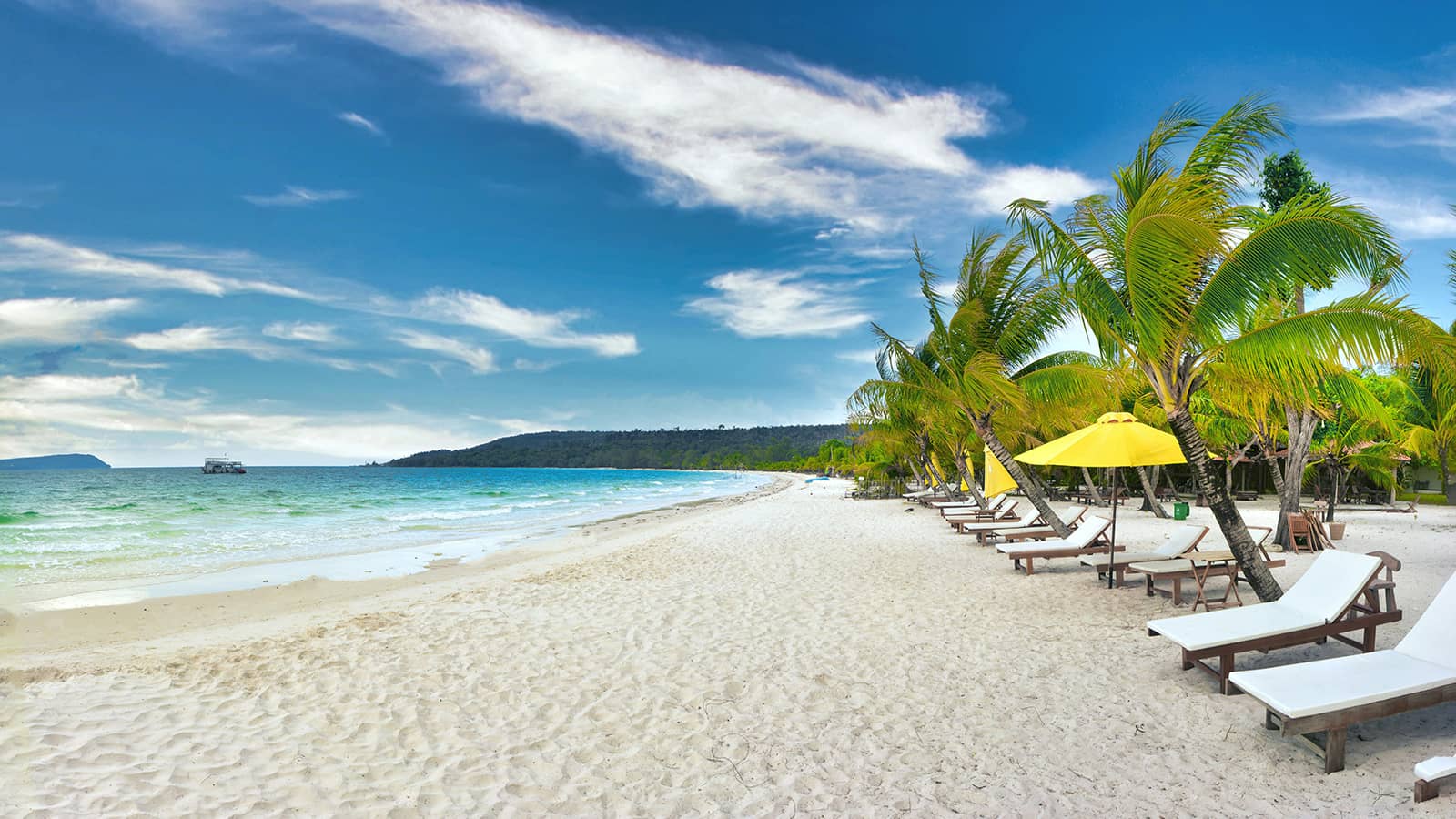
📷 Featured image by Muhamed Sukry on Unsplash.