On this page
- Why November Suits City and Culture Trips
- Kuala Lumpur: Deepavali and the City After Dark
- George Town, Penang: Heritage Streets and Hawker Food
- Ipoh and Melaka: Slower Heritage Towns
- Kuching: A Different Side of Malaysian Culture
- What to Skip in November
- Moving Between Cities
- November 2026 Budget Reality
- Frequently Asked Questions
Planning a Malaysia trip for late 2026 means dealing with a real problem: which parts of the country are worth visiting in November, and which are shut down by monsoon weather? Malaysia has also promoted 2026 as Visit Malaysia Year, so popular spots can feel busier than usual. The answer is to focus on cities and cultural sites. November is a strong month for them, as long as you plan around the rain.
Why November Suits City and Culture Trips
November sits between the wetter and drier parts of the year on the west coast. Expect hot, humid days of roughly 30–33°C, with heavy afternoon thunderstorms that often arrive between 2 pm and 5 pm. The rain usually clears within an hour or two, and the evenings feel noticeably cooler and fresher.
That pattern suits urban travel. Museums, malls, temples with covered halls and food courts are all easy to move between when the sky turns grey. The main tourist crush of the year-end holidays usually builds later, in December, although Malaysian school holidays typically begin around the end of November. Check the official school calendar for 2026 before you lock in dates, because crowds at family-friendly places such as Penang and Melaka rise sharply once schools break.
Kuala Lumpur: Deepavali and the City After Dark
Deepavali, the Hindu festival of lights, is expected to fall around 8 November 2026. Confirm the exact public holiday on the official Malaysian government calendar closer to your trip. It is a national holiday, so some shops and offices close for a day or two, but tourist areas and malls generally stay open.
The best place to feel the festival is Brickfields, KL’s Little India. Around Deepavali, the streets near Jalan Tun Sambanthan fill with lights, garlands, bangles and sweet stalls. Stand near a sweet shop and you smell ghee, cardamom and hot sugar syrup from the frying trays, mixed with jasmine from the flower sellers. Many Malaysian Indian families hold open houses during the festival, and visitors are sometimes welcomed by invitation, so accept politely if you are asked.
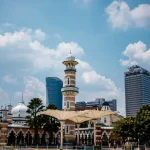
Outside the festival, KL rewards a simple routine. Spend mornings at places like Batu Caves, Central Market and the colonial-era buildings around Merdeka Square, when the air is clearer. Use the afternoon rain window for a mall, a museum or a long lunch. Then head out at dusk. As the call to prayer drifts across the skyline, street vendors on Jalan Alor light their charcoal grills and the smell of satay smoke settles over the road. The Petronas Twin Towers glow well after dark, and the park below them is a pleasant place to walk once the heat drops.

Getting around KL
The city’s established LRT, MRT and monorail network covers most tourist areas, and a Touch ‘n Go card or compatible payment card makes it easy to tap in. Grab, the ride-hailing app, works well when a storm hits. Fares are cheap compared with taxis at the airport.
George Town, Penang: Heritage Streets and Hawker Food
George Town is a UNESCO World Heritage city, and it works well in November because most of it is compact and walkable, with plenty of shaded five-foot ways (covered walkways) in front of old shophouses. Start with street art, Armenian Street and the clan houses. Khoo Kongsi, a richly decorated Chinese clan temple, and the Cheong Fatt Tze Mansion, the famous blue-walled heritage house, are the two most popular heritage stops. Both are well suited to rainy hours.
Food is the other reason to go. Penang’s hawker culture is known across Asia. A bowl of assam laksa arrives sour and spicy from tamarind and torch ginger, with a fishy depth and a sharp bite of fresh mint. Char kuey teow is stir-fried over a fierce flame, and you can smell the wok smoke before you reach the stall. Ask locals which stalls they queue at and go slightly before or after the main lunch rush to avoid long waits.
The Clan Jetties, the old wooden waterfront settlements, are better visited in the morning, when it is calmer and the light is better. The Penang ferry between Weld Quay and Butterworth is a long-running, inexpensive way to see the strait.
Ipoh and Melaka: Slower Heritage Towns
If you want a break from big-city pace, Ipoh in Perak is a good, low-key choice. It is known for old kopitiam (coffee shops), white coffee, and limestone cave temples set in the hills outside town. The old town has colonial buildings, mural-lined lanes and small cafes. The KTM electric train service (ETS) between KL and Ipoh is a long-established option, and a common choice for travellers who do not want to drive.

Melaka is a very different heritage experience. Its Portuguese, Dutch, British and Peranakan history shows up in the old fort remains, red Stadthuys building and the riverside shophouses. Jonker Street’s night market is typically busiest on Friday to Sunday evenings, so check current opening days before you plan around it. Try Nyonya dishes such as ayam pongteh and cendol, and expect strong coconut and pandan aromas in the shops along the lanes. Melaka gets crowded on weekends and school holidays, so a weekday visit gives you more space.
Kuching: A Different Side of Malaysian Culture
Kuching, in Sarawak on Borneo, offers a cultural mix you will not find on the peninsula. The city’s waterfront, old bazaar, Chinese temples and Malay and Indigenous heritage make it easy to explore on foot. Sarawak’s food is distinct too. Try Sarawak laksa and kolo mee, a springy noodle dish usually served with minced pork or beef.
Be aware that Sarawak is generally wetter from around November onwards, so pack for rain and keep your schedule flexible. Cultural attractions such as museums and longhouse-themed visits work well in this weather. If you want to visit a traditional Indigenous longhouse, go with a reputable local guide rather than arriving unannounced.
What to Skip in November
The northeast monsoon typically affects Malaysia’s east coast from around November, bringing rough seas and heavy rain to places such as Terengganu, Kelantan and parts of Pahang. Popular islands like the Perhentians and Redang usually close or run very limited services for much of the monsoon season. If beaches and snorkelling are essential, look at the west coast instead and check conditions before booking.
Moving Between Cities
For KL to Penang or Ipoh, trains and long-distance coaches are well-established choices, and flights between major cities are frequent. KL to Kuching requires a flight. The KLIA Ekspres connects the main airport to KL Sentral, which is the simplest airport transfer into the city centre. In November, build in buffer time. Heavy rain can cause road delays, and holiday travel increases demand on trains and buses, so book popular departures a week or two ahead where possible.

November 2026 Budget Reality
These are estimated daily ranges per person, excluding international flights. Prices vary by city, and Penang and KL hotels climb during festivals and school holidays.
- Budget (RM150–250 per day): A hostel bed or basic guesthouse (RM50–110), hawker meals (RM8–15 each), public transport, and a few free or low-cost sights.
- Mid-range (RM350–650 per day): A three- or four-star hotel (RM180–350), a mix of hawker and sit-down restaurant meals (RM30–60 per meal), ride-hailing for short trips, and paid heritage attractions.
- Comfortable (RM800+ per day): A five-star or boutique heritage hotel (RM450 and up), upmarket dining, private drivers or guides, and domestic flights.
Short Grab rides within a city often cost around RM10–25, depending on traffic and weather. Check live prices when you book.
Frequently Asked Questions
Is November a good time to visit Malaysia?
Yes, for cities and cultural sites on the west coast and in Sarawak. Expect heat, humidity and afternoon rain, but morning sightseeing is usually fine. It is not ideal for east coast beaches or islands, where the northeast monsoon often brings rough seas and closures.
When is Deepavali in Malaysia in 2026?
Deepavali is expected around 8 November 2026. Malaysia observes it as a public holiday, though exact dates can shift depending on the official announcement. Check the government holiday calendar before travelling, because some local businesses close for a day or two, especially outside tourist areas.
Which Malaysian city is best for culture in November?
George Town in Penang is the strongest all-round choice for heritage and food, and it is easy to walk. Kuala Lumpur is better for Deepavali atmosphere and variety. Melaka suits history lovers, while Kuching gives you Borneo culture. Combining two cities works well in a week.
How much rain should I expect in Kuala Lumpur in November?
Rain is common, often as a heavy afternoon thunderstorm lasting one to two hours. Many days still have dry mornings. Pack a light rain jacket or compact umbrella, plan outdoor activities early, and keep indoor options ready, such as museums, malls and covered food courts.
Are the Perhentian Islands open in November?
Usually not fully. The Perhentians and other east coast islands typically reduce or stop operations during the northeast monsoon, which affects boat services and resort availability. If island time is important, choose west coast alternatives and confirm current conditions with operators before booking any transport or accommodation.
Explore more
Preparing for Malaysia’s October Showers: Traveler Tips
Top Experiences in Malaysia This October 2026
Malaysia’s Festival of Lights: Deepavali in October 2026
📷 Featured image by Kelvin Zyteng on Unsplash.