On this page
- Thaipusam: Batu Caves in Gold, Yellow and Silver
- Chinese New Year: Red Lanterns, Lion Dances and Open Streets
- Hari Raya Aidilfitri: Green, Gold and the Open House Tradition
- Deepavali: Kolam Floors and Festival Lights
- Borneo’s Harvest Festivals: Kaamatan and Gawai Dayak
- Music and Arts: Rainforest World Music Festival and George Town Festival
- 2026 Festival Calendar at a Glance
- 2026 Budget Reality: What Festival Travel Costs
- Joining In Respectfully: Practical Rules for Visitors
- Frequently Asked Questions
Plenty of travellers arrive in Malaysia in 2026 and realise too late that their trip missed the country’s biggest celebrations, or landed in the middle of one with fully booked hotels and doubled taxi fares. With the Visit Malaysia 2026 campaign bringing more visitors, planning around festivals matters more than ever. This guide covers the most colourful events, what you will see, and how to join in without stress.
Thaipusam: Batu Caves in Gold, Yellow and Silver
Thaipusam is a Hindu Festival honouring Lord Murugan. In 2026 it falls around 1 February. Devotees carry kavadi, heavy decorated frames, as acts of thanks or penance. The main event is at Batu Caves, just north of Kuala Lumpur, where pilgrims climb 272 rainbow-painted steps beside the 42.7-metre golden Murugan statue.
The atmosphere hits you before the visuals do. Drums beat a steady rhythm, the air smells of incense and crushed coconut, and the chant of “Vel, Vel” rolls up the limestone cliff. Many people carry brass pots of milk on their heads. Others wear small hooks and spears as part of their vow.
The procession starts the night before from a temple in central KL and travels about 15 kilometres to the caves. Watching from the roadside is free and often calmer than the caves themselves. Wear light, modest clothing and expect to remove your shoes at the temple.
Chinese New Year: Red Lanterns, Lion Dances and Open Streets
Chinese New Year in 2026 starts on 17 February and opens the Year of the Horse. Celebrations last 15 days, ending with Chap Goh Mei. The first night is the family reunion dinner, and the following days bring visits, red packets (ang pao) and a lot of pineapple tarts.
Colour is everywhere. Shopping malls hang red and gold lanterns, and streets in Chinese-majority areas of Penang, Ipoh, Melaka and KL’s Petaling Street fill with decorations. Lion and dragon dance troupes perform in front of shops, and the cymbals and drums are loud enough to feel in your chest. Fireworks and firecrackers burst after dark, though rules on firecrackers vary by state.
For the best visual experience, go on Chap Goh Mei. In Penang, the Chingay parade and the evening lantern crowds at Chinese clan houses are a highlight. In Melaka, the night festivities along the river are lively and easy to reach on foot.
Hari Raya Aidilfitri: Green, Gold and the Open House Tradition
Hari Raya Aidilfitri marks the end of Ramadan, and in 2026 it falls around 20 to 21 March, depending on the moon sighting. This is Malaysia’s largest celebration, and millions of people travel to their home villages, a mass movement called balik kampung.

The colours here are in the clothes. Families dress in matching baju Melayu and baju kurung, usually in jewel greens, golds and soft pastels. Homes are lit with oil lamps, and food stalls sell lemang (glutinous rice grilled in bamboo), rendang and ketupat (rice dumplings in woven palm leaves).
The best part for visitors is the open house. Malaysians invite neighbours, colleagues and friends of every faith to eat and visit. If someone invites you, accept. Bring a small gift such as dates or biscuits, remove your shoes at the door, and use your right hand to eat and to receive things. A handshake with a light touch to your chest is a friendly greeting.
Cities go quiet during the main days. Many shops close, intercity buses sell out, and highways jam. Plan your own travel well before or after the holiday.
Deepavali: Kolam Floors and Festival Lights
Deepavali, the Hindu Festival of Lights, falls around 8 November in 2026. It celebrates the victory of light over darkness. Homes are cleaned, oil lamps are lit, and families wear bright silks in magenta, saffron and emerald.
Look at the doorways for kolam, patterns made from coloured rice flour or sand. Some are small and neat. Others cover whole lobbies in malls and hotels. In KL’s Little India around Brickfields, strings of lights cross the streets, and the smell of jasmine garlands mixes with fried murukku and sweet jangiri from the stalls.
Most Malaysian Indians are Tamil, so you will see many Tamil traditions. Oil baths in the morning, temple visits and family meals are typical. Like Hari Raya, Deepavali often includes open houses where visitors are welcome.
Borneo’s Harvest Festivals: Kaamatan and Gawai Dayak
Peninsular Malaysia gets most of the attention, but Borneo’s harvest festivals are among the most visually striking in Southeast Asia. Kaamatan in Sabah takes place throughout May, with the main days on 30 and 31 May. Gawai Dayak in Sarawak follows on 1 June, with celebrations starting the night before.
Kaamatan honours Bambaazon, the rice spirit. The central event is the Unduk Ngadau pageant, where women in black velvet dresses with silver coins and bright headdresses represent the spirit’s sacrifice. Gawai Dayak centres on longhouses, where families offer ceremonial rice wine called tuak and perform the ngajat dance in feathered headgear.

Outside visitors are generally welcomed, especially at public events in Kota Kinabalu and Kuching. For longhouse visits, go with a local guide or tour so the host family expects you, and bring a small gift such as sugar, coffee or fruit.
Music and Arts: Rainforest World Music Festival and George Town Festival
Not every colourful event is religious. The Rainforest World Music Festival takes place at the Sarawak Cultural Village near Kuching, usually in June or July. Expect indigenous Borneo instruments like the sape (a lute with a deep, ringing sound) alongside bands from around the world. Daytime workshops let you try instruments, and evening shows happen under tall trees with the jungle humming behind the stage.
George Town Festival in Penang is a month-long arts programme in the UNESCO-listed old town. It covers theatre, installations, street art and performances in heritage shopfronts and courtyards. Dates have shifted in recent years, so check the official schedule before booking flights.
Malaysia Day on 16 September is more civic than ritual, with parades, flags on every car, and fireworks in Kuching and KL. It is a good option if your schedule does not match the larger religious festivals.
2026 Festival Calendar at a Glance
- Around 1 February: Thaipusam, Batu Caves and Penang
- 17 February: Chinese New Year, nationwide
- Around 20 to 21 March: Hari Raya Aidilfitri, nationwide
- 30 to 31 May: Kaamatan, Sabah
- 1 June: Gawai Dayak, Sarawak
- June or July: Rainforest World Music Festival, Kuching
- 16 September: Malaysia Day
- Around 8 November: Deepavali, nationwide
Dates for moon-based festivals can shift by a day. Confirm closer to your trip.
2026 Budget Reality: What Festival Travel Costs
Festival periods push up prices, mostly for rooms and transport. Entry to most public celebrations is free. These are rough daily figures per person, excluding flights.
- Budget (RM120 to RM220): a dorm bed or basic guesthouse at RM40 to RM90, street food meals at RM6 to RM15, and trains or buses for transport. Use KTM Komuter to reach Batu Caves for under RM10 return from KL Sentral.
- Mid-range (RM300 to RM600): a 3-star hotel at RM180 to RM400 during peak dates, restaurant meals at RM25 to RM60, and ride-hailing within cities. Expect surge pricing around events.
- Comfortable (RM800 and above): a 4 to 5-star hotel at RM450 to RM1,000 or more, private drivers at around RM300 to RM500 per day, and guided cultural tours at RM150 to RM400.
Foreign guests also pay a tourism tax of RM10 per room per night in most registered accommodation. Booking two to three months ahead for Chinese New Year and Hari Raya usually saves 20 to 40 percent.
Joining In Respectfully: Practical Rules for Visitors
- Dress modestly: Cover shoulders and knees at temples and mosques. Bright colours are welcome, but avoid all-white at Chinese celebrations as it is associated with mourning.
- Ask before photographing: Devotees in trance at Thaipusam, and people praying, should not be photographed up close without permission.
- Take your shoes off: At temples, mosques and many homes, leave them at the door.
- Use your right hand: For eating, giving and receiving.
- Respect food rules: Many Muslim hosts do not serve pork or alcohol, and many Hindu hosts avoid beef. At Chinese gatherings, do not stick chopsticks upright in rice.
- Learn two phrases: “Selamat Hari Raya” for Hari Raya, “Gong Xi Fa Cai” for Chinese New Year, and “Happy Deepavali” works well for Deepavali.
Frequently Asked Questions
What is the most colourful festival in Malaysia?
Thaipusam and Chinese New Year are usually considered the most visually striking. Thaipusam offers golden kavadi, bright clothing and a dramatic Batu Caves setting. Chinese New Year fills cities with red lanterns, lion dances and fireworks. Deepavali and Borneo’s Gawai Dayak and Kaamatan festivals are also vividly colourful.
Can tourists attend Malaysian festivals?
Yes. Most public celebrations, including Thaipusam, Chinese New Year street events and Deepavali markets, are open to everyone for free. Malaysians also often invite visitors to Hari Raya and Deepavali open houses. Dress modestly, follow local etiquette and ask before taking close photographs of people.
When is the best time to visit Malaysia for festivals?
February and March 2026 are the busiest and most colourful, with Thaipusam, Chinese New Year and Hari Raya close together. Late May to June suits Borneo harvest festivals and the Rainforest World Music Festival. November is ideal for Deepavali. Book accommodation early for any of these periods.
Is Malaysia crowded during Hari Raya and Chinese New Year?
Yes, roads and intercity transport are very crowded just before and after both festivals because many people travel to their hometowns. Big cities become quiet, and many local shops close for a few days. Book buses, trains and flights early, and avoid travelling on the main holiday days if possible.
What should I wear to a Malaysian festival?
Wear lightweight clothing that covers your shoulders and knees, especially at temples and mosques. Choose breathable fabrics because the weather is hot and humid, around 30 to 33°C. Bring shoes that are easy to remove. Bright colours suit most festivals, but avoid all-white at Chinese celebrations.
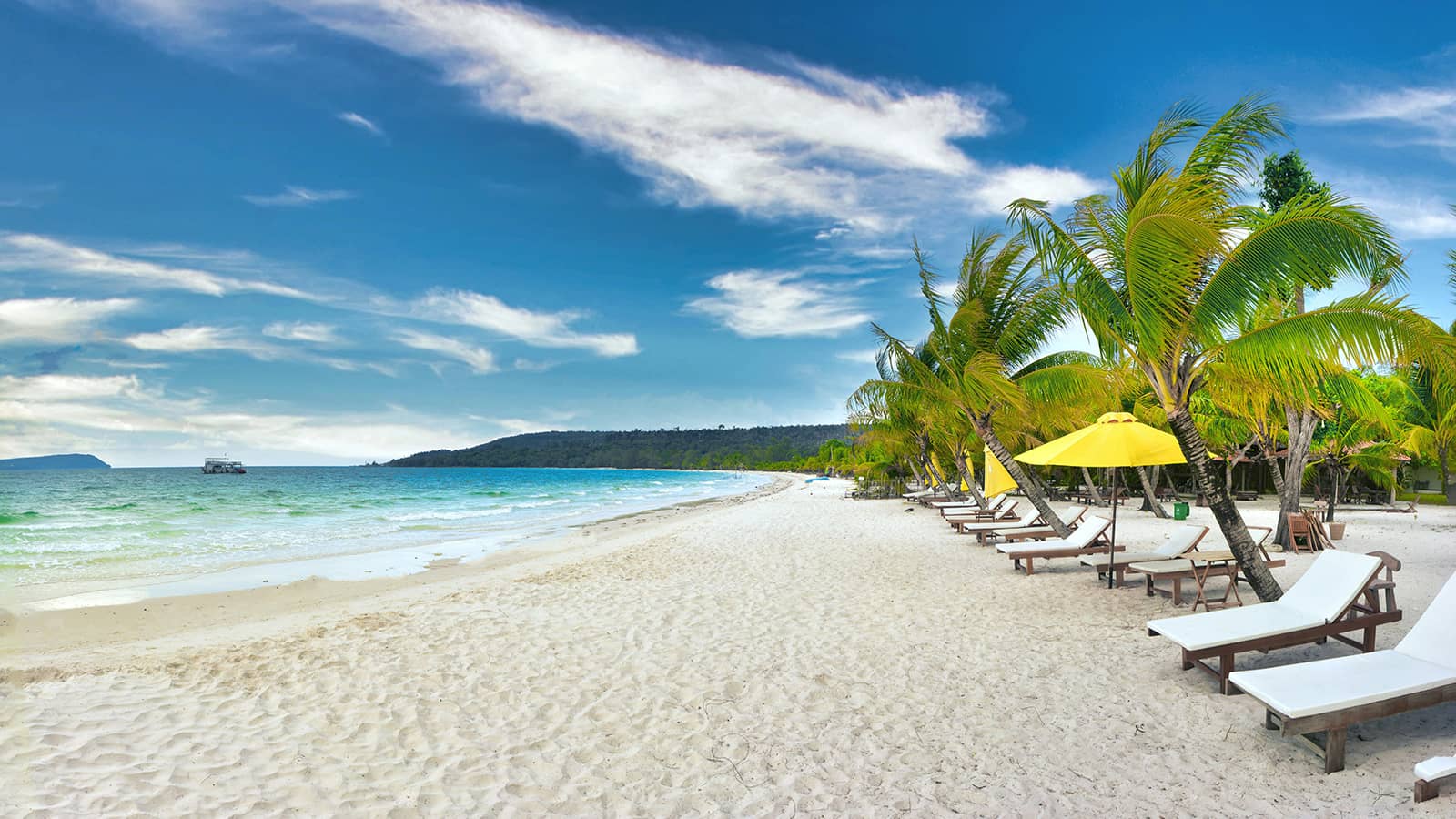
📷 Featured image by Hanny Naibaho on Unsplash.