On this page
- The Working Day Starts Around UTC+8
- The Visa Behind the Routine: DE Rantau Requirements and Timing
- Internet and Phone: Staying Online All Day
- Where You Sleep: Long-Term Rental Costs in 2026
- Money and Banking: Paying for Daily Life
- Tax Residency: What Your Calendar Adds Up To
- Health Insurance and Clinic Visits
- Getting Around Between Tasks
- 2026 Budget Reality: Monthly Costs by Tier
- Frequently Asked Questions
Most guides to Malaysia for remote workers promise a beach, a laptop and a cheap lifestyle, then skip the paperwork that keeps your days running smoothly. In 2026 the real questions are practical. Will your visa cover the length of your stay? Will your tax status change? Will your rental include working internet? This article walks through a typical day and shows the logistics behind each part of it, so you know what to expect before you book a one-way ticket.
The Working Day Starts Around UTC+8
Malaysia sits at UTC+8, the same as Singapore, Perth and Beijing. This shapes your whole day. If you work with Europe, your calls land in mid-afternoon to late evening (UK is 7–8 hours behind). If you serve US clients, expect early-morning or late-night calls, since New York is 12–13 hours behind.
Most nomads who stay long term build a split routine. They wake around 6:30 am, before the heat builds, and eat breakfast from a roadside stall. A banana-leaf parcel of nasi lemak costs RM4–8. You open it to coconut-rich steam, sambal with a slow chilli burn, and crunchy anchovies. Deep work runs until lunch. Then comes the part many newcomers underestimate: the afternoon downpour. In most regions, heavy rain arrives between 3 pm and 5 pm for much of the year. Plan calls and uploads around it, and keep your laptop bag waterproof.
Evenings are gentler. As the call to prayer drifts across the city around 7:15–7:30 pm and satay grills start to smoke, the heat drops to a comfortable 28–30°C.
The Visa Behind the Routine: DE Rantau Requirements and Timing
Entering as a tourist is fine for a short test run. Most nationalities get 30–90 days visa-free, and you must complete the Malaysia Digital Arrival Card (MDAC) online before arrival. But tourist status does not legally cover remote work for a longer stay. The proper route is the DE Rantau Nomad Pass, run by the Malaysia Digital Economy Corporation (MDEC) with the Immigration Department of Malaysia.
Here is what you need in 2026:
- Income: at least USD 24,000 a year (roughly RM100,000–105,000, depending on the exchange rate), shown through contracts or bank statements.
- Work type: remote work in digital or tech-related fields, such as software, marketing, design, content, or digital services. Check that your job fits the eligible categories.
- Documents: a passport valid for at least 12 months, a work contract or client agreements, recent bank statements (usually three months), a clean criminal record where requested, and a CV or portfolio.
- Fees: expect about RM1,000 for the main applicant, with lower fees for dependants. Confirm current fees on the MDEC portal, since they can change.
- Validity: 3 to 12 months, with a one-time renewal for up to 12 more months.
- Processing: roughly 2–4 weeks once your documents are complete. Incomplete applications cause most delays.

Partners and children can apply as dependants. Apply before you travel, and do not assume you can convert a tourist stamp into a nomad pass without leaving the country.
Internet and Phone: Staying Online All Day
Connectivity is better than most newcomers expect. Malaysia has widespread fibre in cities and a growing 5G network. A prepaid SIM or eSIM with generous data costs about RM30–60 a month, and you can buy one at the airport on arrival. Show your passport for registration.
For home internet, fibre plans from the major providers run RM99–RM189 a month for 300 Mbps to 1 Gbps. Many furnished rentals include wifi in the rent, so ask the landlord before signing. Standalone fibre contracts often require a 12 to 24 month commitment and a local ID, which short-stay foreigners usually can’t provide.
Your backup plan matters more than your main plan. Carry a second SIM from a different network. Keep a phone hotspot ready for rain-related outages, which are short but do happen. Run a speed test during a viewing, not after you move in.
Where You Sleep: Long-Term Rental Costs in 2026
Rent is your biggest monthly cost, and it varies a lot by city. These are typical 2026 ranges for a furnished one-bedroom condo on a 3–12 month lease:
- Kuala Lumpur: RM2,200–4,500 a month. Studios start around RM1,600, and high-end serviced apartments reach RM6,000 or more.
- Penang (George Town and island): RM1,800–3,500. Heritage shophouse rooms and newer condos are priced differently.
- Langkawi: RM1,500–3,000. Supply is smaller, and prices rise in the December–February peak season.
- Kota Kinabalu: RM1,500–3,000. Good value for the size, though fewer short-term furnished listings.
Landlords usually ask for a security deposit of two months’ rent plus a half-month utility deposit, paid upfront. Electricity runs RM100–250 a month if you use air-conditioning daily. Many landlords prefer 6- or 12-month leases, so a 1–3 month stay usually means a short-term platform at a 20–40% premium. A practical approach: book a short-term place for your first two to four weeks, then negotiate a longer lease in person once you’ve seen the building.

Money and Banking: Paying for Daily Life
Malaysia is cashless-friendly. Most vendors accept card payments, and many hawker stalls take DuitNow QR scans. Local e-wallets such as Touch ‘n Go eWallet can be set up with a passport and a local number, and they work for transit, parking and small shops.
Opening a Malaysian bank account as a foreigner is possible but not instant. Banks typically want a valid pass that lasts at least 6 months, proof of address, and sometimes a letter from the company or sponsor. Plan on one or two bank visits. Most nomads get by with a multi-currency account such as Wise, plus a card with low foreign-transaction fees, and only open a local account if they stay beyond six months.
For rent, many landlords still prefer a local bank transfer. If you don’t have a local account yet, ask whether they accept international transfers or payment through the rental platform.
Tax Residency: What Your Calendar Adds Up To
This is where your day-to-day choices matter most. Under Malaysian rules, you become a tax resident if you spend 183 days or more in the country in a calendar year. In practice the Inland Revenue Board (LHDN) counts 182 days, and the thresholds also have shorter-stay exceptions. Residents pay progressive rates from 0% up to 30%, with personal reliefs. Non-residents pay a flat 30% on Malaysian-sourced income.
Many nomads earn money from foreign clients, which can change the picture. In recent years, foreign-sourced income received by resident individuals has generally been exempt under certain conditions, but these rules have been tied to specific periods and eligibility criteria. Confirm the 2026 position with a Malaysian tax adviser before assuming anything, and check what your home country expects of you as well.
If you need a tax file, register through LHDN’s MyTax portal (e-Daftar). You’ll need your passport, your pass details, and your Malaysian address. You’ll receive a Tax Identification Number (TIN). Returns for individuals are generally due by 30 April for employment income and 30 June for business income, and e-filing is the standard method.
The simplest habit: keep a log of your entry and exit dates from day one.

Health Insurance and Clinic Visits
Malaysia’s private healthcare is high quality and affordable by international standards, but foreigners pay full price. A GP visit at a private clinic costs RM50–150. A specialist consultation costs RM150–400. A private hospital room starts around RM300–600 a night, and serious treatment gets expensive fast.
Visa rules and personal safety both point the same way: get insurance before you arrive. In 2026, typical monthly premiums look like this:
- Local private plans (under 40, outpatient and inpatient): roughly RM150–400
- International nomad plans with Malaysia coverage (30s–40s): roughly RM400–1,200
- Older applicants or plans with high limits: higher, and often with waiting periods
Check three points before buying: pre-existing conditions, emergency evacuation cover, and whether the plan accepts direct billing at private hospitals. Direct billing means you don’t pay upfront and claim later.
Getting Around Between Tasks
You rarely need a car. In Kuala Lumpur, the MRT, LRT and monorail now connect more of the city than in 2024, with the Putrajaya MRT line in operation and the Shah Alam LRT line expected to open in stages around 2026. Fares are low, usually RM1–7 per trip, and a Touch ‘n Go card or a bank card tap works at the gates.
E-hailing through Grab is the everyday workaround. Short city rides cost RM8–20, with surge pricing during rain and evening rush hour. Rain-hour traffic is slow, so leave extra time before a call or appointment.
For travel between cities, the ETS train from KL to Butterworth (for Penang) takes about four hours and costs roughly RM60–100, depending on class. Budget airlines connect KL with Langkawi and Kota Kinabalu, with fares from RM90 to RM300 if you book early.
2026 Budget Reality: Monthly Costs by Tier
These figures are for one person, including rent, food, transport, internet, and basic health insurance, but excluding visa fees and flights:
- Budget (RM3,500–4,500): a studio or room in a regional city, hawker meals (RM8–15 each), public transport, and local health insurance. Entertainment is minimal.
- Mid-range (RM5,500–8,000): a furnished one-bedroom condo (RM2,500–3,500), a mix of hawker and café meals, regular Grab rides, a gym, and a stronger insurance plan.
- Comfortable (RM9,000–14,000): a modern serviced apartment, international health plan, frequent dining out (coffee costs RM8–14), co-working day passes (RM30–80 a day), and weekend trips.
Compared with Western Europe, Australia or North America, even the comfortable tier is often 30–50% cheaper. Compared with Bali or Thailand, Malaysia costs a bit more in rent but often wins on healthcare, infrastructure and English usage.

Frequently Asked Questions
Can I work remotely in Malaysia on a tourist visa?
Tourist status allows short visits but isn’t designed for working. Immigration rules treat work activity separately, even for remote work. For anything beyond a brief trip, the DE Rantau Nomad Pass is the safer, legal route. Check the latest guidance with Immigration before you travel.
How much income do I need for the DE Rantau pass?
You need to show at least USD 24,000 in annual income, roughly RM100,000–105,000 depending on the exchange rate. Evidence usually includes client contracts, an employment letter, and bank statements. Applicants should also work in an eligible digital or tech-related field.
Will I have to pay Malaysian tax as a digital nomad?
It depends on your days in the country. Spending 183 days or more in a calendar year generally makes you a tax resident, taxed on a progressive scale. Non-residents pay a flat 30% on Malaysian-sourced income. Foreign-sourced income has special rules, so confirm with a local tax adviser.
Is health insurance mandatory for nomads in Malaysia?
It is strongly recommended, and some visa applications or landlords may ask for proof. Private care is excellent but billed at full price to foreigners. Plans range from about RM150 to RM1,200 a month, depending on age, coverage and whether you choose local or international insurance.
Which city is cheapest for a long stay?
Kota Kinabalu and Langkawi are often the cheapest for rent, with furnished one-bedrooms around RM1,500–3,000. Penang is slightly higher, and Kuala Lumpur has the widest range, from RM2,200 to RM4,500 or more. Remember to include transport and internet costs when comparing cities.
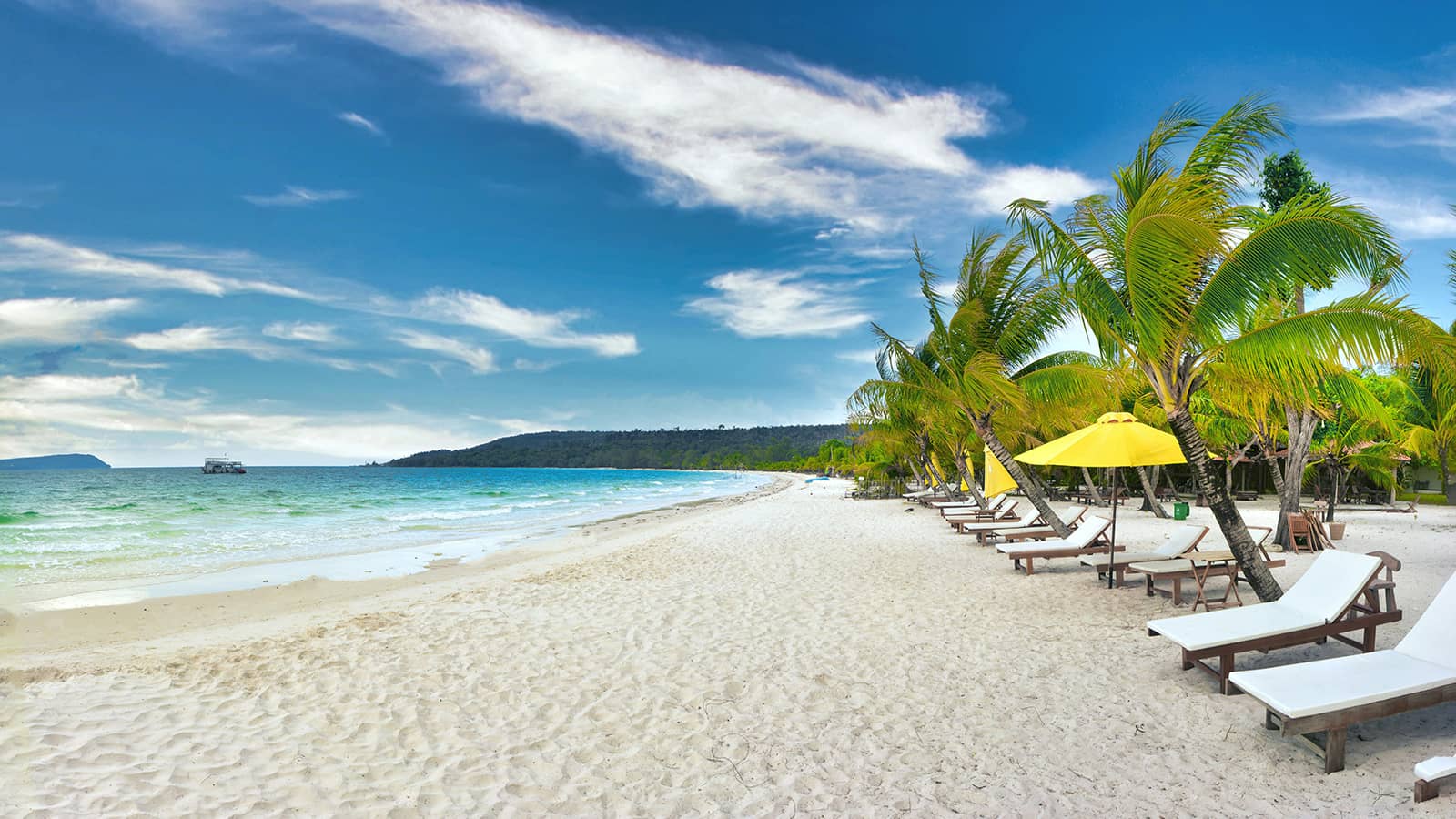
📷 Featured image by Rodeo Project Management Software on Unsplash.