On this page
- Mount Kinabalu Adventure: The Ultimate Challenge
- Island Hopping in Tunku Abdul Rahman National Park
- Cultural Immersion in Mari Mari Cultural Village
- Sunset Markets and Night Food Scene
- Wildlife Encounters at Lok Kawi Wildlife Park
- River Safari Adventures Along Klias River
- Budget Breakdown for Kota Kinabalu Activities
- Frequently Asked Questions
💰 Click here to see Malaysia Budget Breakdown
💰 Prices updated: October, 2026. Budget figures are estimates — always verify before travel.
Exchange Rate: $1 USD = RM4.08
Daily Budget (per person)
Shoestring: RM100.00 – RM180.00 ($24.51 – $44.12)
Mid-range: RM250.00 – RM450.00 ($61.27 – $110.29)
Comfortable: RM500.00 – RM1,000.00 ($122.55 – $245.10)
Accommodation (per night)
Hostel/guesthouse: RM30.00 – RM60.00 ($7.35 – $14.71)
Mid-range hotel: RM110.00 – RM200.00 ($26.96 – $49.02)
Food (per meal)
Budget meal: RM15.00 ($3.68)
Mid-range meal: RM35.00 ($8.58)
Upscale meal: RM100.00 ($24.51)
Transport
Single metro/bus trip: RM2.00 ($0.49)
Monthly transport pass: RM50.00 ($12.25)
Planning your Kota Kinabalu adventure in 2026? You’re not alone in feeling overwhelmed by the sheer variety of experiences this Sabahan capital offers. With new eco-tourism initiatives launched post-pandemic and improved infrastructure connecting the city to its natural wonders, KK has evolved into Southeast Asia’s premier adventure destination that balances urban comfort with wild accessibility.
Mount Kinabalu Adventure: The Ultimate Challenge
Mount Kinabalu dominates the horizon 90 kilometres from Kota Kinabalu, and conquering this 4,095-meter peak remains the ultimate bucket-list experience. The 2026 climbing season has introduced new safety protocols and booking systems through Sabah Parks, making advance reservations essential.
The two-day climb begins at Timpohon Gate, where the crisp mountain air carries the earthy scent of tropical rainforest. Most climbers stay overnight at Laban Rata resthouse at 3,272 meters before the final summit push. The pre-dawn ascent to Low’s Peak rewards you with sunrise views across Borneo’s wilderness that stretch to the South China Sea.
New in 2026, Sabah Parks has introduced eco-friendly mountain huts with improved heating systems and solar power. The Via Ferrata adventure route, suspended along granite cliff faces, now features enhanced safety equipment and smaller group sizes for a more intimate experience.
Training is crucial. Start cardio preparation at least two months before your trip. The climb involves 8-10 hours of hiking over two days, with the summit day beginning around 2:30 AM. Pack warm layers—temperatures drop to 0°C at the summit.
Island Hopping in Tunku Abdul Rahman National Park
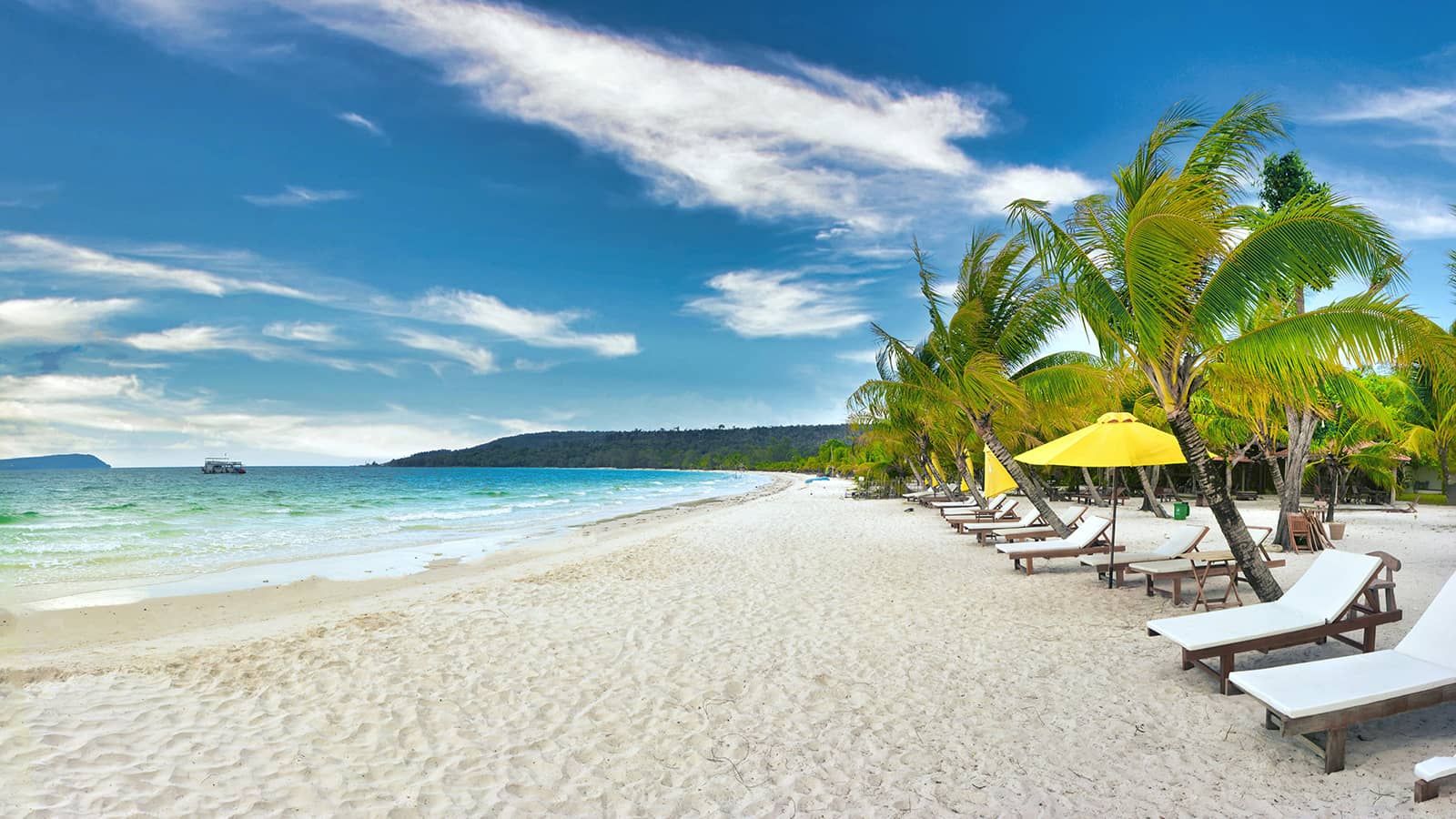
Five tropical islands float just 20 minutes by speedboat from Kota Kinabalu’s Jesselton Point terminal. Tunku Abdul Rahman National Park offers pristine beaches, coral reefs, and jungle trails within sight of the city’s skyline.

Sapi Island provides the best snorkeling with its protected coral gardens teeming with parrotfish and angelfish. The water clarity improved significantly after 2024’s marine conservation efforts, with visibility often exceeding 15 meters. Manukan Island features the longest beaches and established facilities, including restaurants and changing rooms.
For a quieter experience, head to Mamutik Island. This smallest island in the park offers intimate beach picnics and excellent sunset views. The surrounding waters shimmer with bioluminescent plankton during calm evenings, creating an otherworldly swimming experience.
Island hopping packages in 2026 include eco-friendly boats using cleaner fuel systems. Most operators offer half-day trips covering 2-3 islands or full-day adventures with barbecue lunches on secluded beaches. Snorkeling equipment comes standard, but underwater cameras require separate rental.
Best Islands for Different Activities
- Snorkeling: Sapi Island (coral gardens) and Gaya Island (diverse marine life)
- Beach relaxation: Manukan Island (longest beaches, beach volleyball)
- Jungle trekking: Gaya Island (nature trails through primary rainforest)
- Photography: Mamutik Island (dramatic rock formations, sunset shots)
Cultural Immersion in Mari Mari Cultural Village
Twenty minutes from downtown Kota Kinabalu, Mari Mari Cultural Village recreates traditional Sabahan tribal life across five authentic settlements. This isn’t a theme park—it’s a living museum where descendants of Borneo’s indigenous tribes demonstrate ancestral skills passed down through generations.
The Murut tribe house showcases bamboo architecture and traditional hunting techniques. Watch artisans craft blowpipes and demonstrate their accuracy hitting targets from 30 meters away. The sweet aroma of tapai (rice wine) fills the air as tribal members explain fermentation processes using century-old techniques.
The Bajau water village, built on stilts over a man-made lake, offers insights into the “sea gypsy” lifestyle. Children dive for coins while their grandparents weave intricate fishing nets using techniques that predate modern technology by centuries.

New cultural programs launched in 2026 include hands-on workshops where visitors learn traditional crafts. Try your hand at starting fires using bamboo friction, weaving pandanus leaves into baskets, or preparing traditional dishes in bamboo tubes over open flames.
Highlight Experiences
- Traditional dance performances featuring warrior ceremonies and harvest celebrations
- Hands-on cooking classes preparing hinava (raw fish salad) and bamboo chicken
- Craft workshops creating your own souvenirs using traditional techniques
- Storytelling sessions about Sabahan legends and folklore
Sunset Markets and Night Food Scene
When the tropical sun sets over Kota Kinabalu at 7 PM year-round, the city transforms into a foodie paradise. The Gaya Street Sunday Market extends its hours on weekends, while night markets throughout the city serve authentic Sabahan cuisine until midnight.
Central Market’s night food court buzzes with the sizzle of satay grills and the aromatic steam from laksa stalls. The signature dish here is hinava—fresh raw fish marinated in lime juice, chili, and ginger. Local vendors prepare it tableside, the citrus cutting through the tropical humidity while you watch fishing boats return with the day’s catch.
Filipino Market, despite its name, showcases the multicultural fusion that defines Sabahan cuisine. Try tuhau (wild ginger flower salad) with its sharp, cleansing bite that perfectly complements grilled stingray wrapped in banana leaves.
The Night Market at Kiansom opens exclusively after dark, featuring local families running generational stalls. Here, ngiu chap (beef noodle soup) simmers in massive pots while the owners share stories of their recipes’ origins. The broth’s rich, herbal complexity develops over 12-hour cooking processes that begin each morning at dawn.

Wildlife Encounters at Lok Kawi Wildlife Park
Lok Kawi Wildlife Park, 25 minutes south of Kota Kinabalu, serves as both a conservation center and visitor attraction featuring Borneo’s endemic species. The park expanded significantly in 2025, adding new exhibits for sun bears and proboscis monkeys while improving existing enclosures to meet international standards.
The Orangutan exhibit showcases rescue and rehabilitation efforts for these critically endangered primates. Morning feeding sessions offer the best viewing opportunities as the orangutans demonstrate their intelligence solving puzzle feeders and interacting with enrichment activities.
The Malaysian Sun Bear exhibit, the world’s smallest bear species, features a naturalistic habitat with climbing structures and swimming pools. These honey-colored bears are surprisingly playful, often engaging visitors with their curious antics and impressive climbing abilities.
New in 2026, the Nocturnal Animal House uses innovative lighting systems to simulate day-night cycles, allowing visitors to observe typically elusive creatures like slow lorises, binturongs, and various owl species during their active periods.
Educational Programs and Conservation Efforts
- Behind-the-scenes keeper talks explaining rehabilitation processes
- Interactive feeding experiences with deer and other gentle species
- Photography workshops focusing on wildlife conservation storytelling
- School program partnerships supporting environmental education
River Safari Adventures Along Klias River
The Klias River winds through pristine mangrove forests 90 minutes from Kota Kinabalu, offering one of Borneo’s most accessible wildlife experiences. Afternoon river cruises provide encounters with proboscis monkeys, crocodiles, and diverse bird species while supporting local conservation efforts.
The cruise begins around 3 PM when afternoon heat drives animals to seek shelter in riverside vegetation. Proboscis monkeys, endemic to Borneo, gather in family groups along the riverbanks. Males display their distinctive large noses while females care for young with reddish fur that darkens with age.

As twilight approaches, the mangrove ecosystem comes alive. Kingfishers dive for fish while hornbills call from the canopy. The river’s dark water reflects the golden sky as fireflies begin their nightly display, creating a magical atmosphere that justifies the early wake-up call for this day trip.
The experience culminates with a traditional Malay village dinner featuring fresh river fish, tropical fruits, and local specialties prepared by community members who benefit directly from tourism revenue. This sustainable tourism model, strengthened in 2026, ensures authentic experiences while supporting local livelihoods.
What to Expect During River Safari
- 2-3 hour river cruise in covered boats accommodating 8-12 passengers
- Expert local guides explaining mangrove ecology and animal behavior
- Guaranteed proboscis monkey sightings (weather permitting)
- Traditional Malay dinner in authentic village setting
- Return transfer to KK by 9 PM
Budget Breakdown for Kota Kinabalu Activities
Kota Kinabalu offers experiences across all budget ranges, with 2026 prices reflecting post-pandemic tourism recovery and improved infrastructure investments.
Budget Tier (MYR 50-150 per day)
- Island hopping day trip: MYR 80-120 including boat transfers and snorkeling gear
- Night market food tour: MYR 30-50 for full dinner with multiple dishes
- Public bus to Mari Mari Cultural Village: MYR 15 entrance + MYR 10 transport
- Lok Kawi Wildlife Park: MYR 10 entrance (Malaysian residents), MYR 30 (foreigners)
Mid-Range Tier (MYR 200-400 per day)
- Mount Kinabalu day hike (no summit): MYR 250 including guide and permits
- Private island hopping with lunch: MYR 180-250 per person
- Mari Mari Cultural Village with transfers and lunch: MYR 150-200
- Klias River safari with dinner: MYR 180-220 including transfers
Comfortable Tier (MYR 500+ per day)
- Mount Kinabalu summit climb: MYR 800-1200 including accommodation and meals
- Private yacht island hopping: MYR 600-1000 for groups up to 8 people
- Helicopter tours over Mount Kinabalu: MYR 800-1200 per person
- Multi-day Kinabalu Park and Poring Hot Springs: MYR 1000-1500 per person

Frequently Asked Questions
What’s the best time to visit Kota Kinabalu for outdoor activities?
March to September offers the driest weather for Mount Kinabalu climbs and island hopping. However, activities run year-round with appropriate rain gear. Avoid December-January peak rainfall periods for mountain activities.
How many days should I spend in Kota Kinabalu?
Plan minimum 4-5 days to experience major attractions without rushing. This allows for Mount Kinabalu (2 days), island hopping, cultural village, and city exploration. Wildlife enthusiasts should add 2-3 extra days.
Do I need special permits or bookings for activities?
Mount Kinabalu requires advance booking through Sabah Parks (3+ months ahead recommended). Other activities can be booked 1-2 days in advance. Travel agents in KK can arrange same-day island hopping during low season.
Is Kota Kinabalu suitable for families with young children?
Yes, excellent family destination. Island hopping, wildlife parks, and cultural villages work well for ages 6+. Mount Kinabalu summit is physically demanding (12+ recommended), but day hikes suit younger children with proper supervision.
What should I pack for diverse activities around Kota Kinabalu?
Essential items: reef-safe sunscreen, quick-dry clothing, waterproof phone case, insect repellent, and comfortable walking shoes. For Mount Kinabalu: warm layers, headlamp, gloves. Most specialized equipment available for rental locally.
Explore more
The Ultimate Guide to Things to Do in Kota Kinabalu
Kota Kinabalu Travel Guide: Best Things to Do, See & Eat
The Ultimate Guide to Unforgettable Things to Do in Kota Kinabalu