On this page
- Mount Kinabalu and Kinabalu Park Adventures
- Island Hopping in Tunku Abdul Rahman Marine Park
- Kota Kinabalu’s Cultural Heart and Heritage Trail
- Sabah’s Wildlife Encounters Near the City
- Local Markets and Street Food Discoveries
- Sunset Spots and Waterfront Experiences
- Day Trip Destinations from Kota Kinabalu
- Budget Guide for Kota Kinabalu Activities
- Frequently Asked Questions
💰 Click here to see Malaysia Budget Breakdown
💰 Prices updated: October, 2026. Budget figures are estimates — always verify before travel.
Exchange Rate: $1 USD = RM4.08
Daily Budget (per person)
Shoestring: RM100.00 – RM180.00 ($24.51 – $44.12)
Mid-range: RM250.00 – RM450.00 ($61.27 – $110.29)
Comfortable: RM500.00 – RM1,000.00 ($122.55 – $245.10)
Accommodation (per night)
Hostel/guesthouse: RM30.00 – RM60.00 ($7.35 – $14.71)
Mid-range hotel: RM110.00 – RM200.00 ($26.96 – $49.02)
Food (per meal)
Budget meal: RM15.00 ($3.68)
Mid-range meal: RM35.00 ($8.58)
Upscale meal: RM100.00 ($24.51)
Transport
Single metro/bus trip: RM2.00 ($0.49)
Monthly transport pass: RM50.00 ($12.25)
Kota Kinabalu has transformed dramatically since the 2024 completion of the new Sabah International Convention Centre and the expansion of terminal facilities at Kota Kinabalu International Airport. Malaysia’s Gateway to Borneo now handles significantly more direct international flights, making this adventure-packed destination more accessible than ever for travellers seeking both urban comfort and wild Bornean experiences.
Mount Kinabalu and Kinabalu Park Adventures
Mount Kinabalu dominates the horizon 90 kilometres east of Kota Kinabalu, and climbing Malaysia’s highest peak remains the ultimate challenge for many visitors. The mountain’s granite peaks rise to 4,095 metres, offering one of Southeast Asia’s most rewarding multi-day treks.
The classic two-day climb starts at Timpohon Gate within Kinabalu Park. Day one covers 6 kilometres to Laban Rata rest house at 3,272 metres, where climbers spend the night before the pre-dawn summit push. The final ascent to Low’s Peak requires headlamps and warm clothing as temperatures drop to near freezing. Standing on the summit at sunrise, watching the first light illuminate the Crocker Range stretching endlessly below, creates memories that last a lifetime.
Kinabalu Park offers alternatives for non-climbers. The canopy walk suspends visitors 41 metres above the forest floor, providing close encounters with hornbills and long-tailed macaques. The Botanical Garden showcases over 1,000 plant species, including the world’s largest collection of wild orchids and several carnivorous pitcher plant varieties found nowhere else on Earth.
The Poring Hot Springs, 40 kilometres from park headquarters, feature natural thermal pools heated by underground volcanic activity. The butterfly garden here houses over 80 species, including the magnificent Rajah Brooke’s birdwing butterfly with its 17-centimetre wingspan.
Planning Your Kinabalu Adventure
Mountain climbing permits must be booked months ahead through Sabah Parks, especially during peak season from March to August. The new online booking system launched in 2025 requires full payment upfront and non-refundable deposits. Guided climbs cost MYR 500-800 per person for the standard two-day package, excluding accommodation at Laban Rata (MYR 150-300 per night depending on room type).
Island Hopping in Tunku Abdul Rahman Marine Park
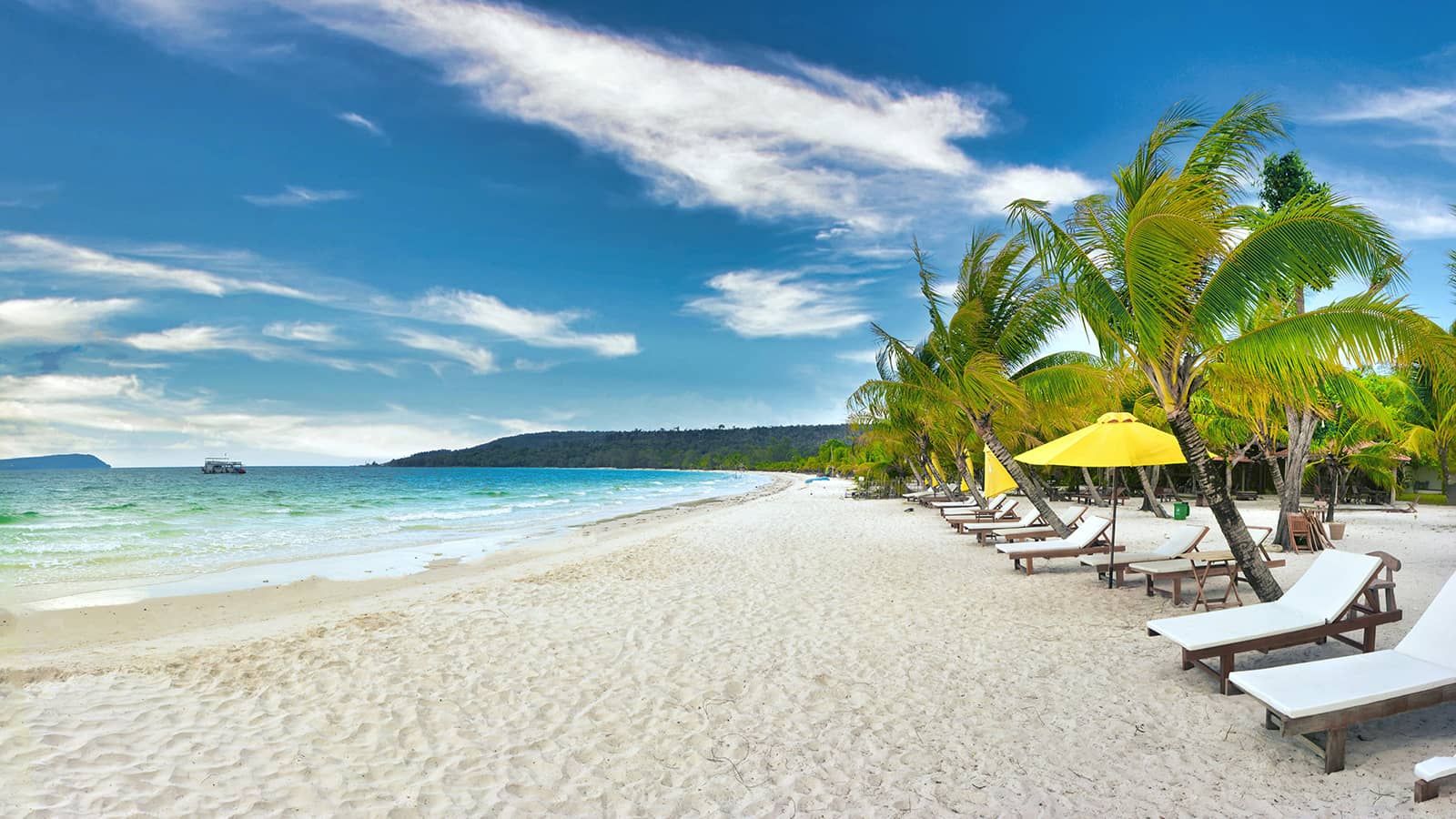
Five tropical islands float just 15 minutes by speedboat from Kota Kinabalu’s Jesselton Point ferry terminal. Tunku Abdul Rahman Marine Park protects coral reefs, pristine beaches, and diverse marine life within sight of the city skyline.
Sapi Island attracts snorkellers with its shallow coral gardens and abundant reef fish. The water clarity reaches 15-20 metres visibility on calm days, revealing parrotfish, angelfish, and occasional reef sharks. The island’s main beach features soft white sand backed by shaded pavilions and basic facilities.
Manukan Island, the largest in the park, offers more extensive facilities including chalets, restaurants, and water sports equipment rental. The island’s nature trails wind through coastal forest where monitor lizards bask in afternoon sunshine and hornbills call from the canopy.
Mamutik Island provides the most secluded experience, with fewer day-trippers and better snorkelling sites along its eastern shores. The coral formations here survived the 2024 bleaching events better than other locations, maintaining vibrant colours and healthy fish populations.
Gaya Island houses several upmarket resorts but also features excellent diving sites accessible to day visitors. The wreck of the Australian Navy ship HMAS Brisbane, deliberately sunk in 2023, now serves as an artificial reef 25 metres underwater off Gaya’s southern tip.
Marine Park Logistics
Speedboat operators at Jesselton Point offer island hopping packages starting from MYR 45 per person for basic transfers. Full-day packages including lunch and snorkelling gear cost MYR 120-180. The marine park conservation fee increased to MYR 15 per adult in 2025, payable at the jetty before departure.

Morning departures between 8:00-9:00 AM provide the best conditions, with calmer seas and fewer crowds. Return boats run until 5:30 PM, giving ample time for island exploration and underwater activities.
Kota Kinabalu’s Cultural Heart and Heritage Trail
The city’s cultural quarter centres around the Sabah State Museum and Heritage Village, where traditional houses from Sabah’s 32 ethnic groups stand reconstructed in authentic detail. The Murut longhouse, built entirely without nails using traditional joinery techniques, showcases the sophisticated architecture of Sabah’s indigenous peoples.
The Atkinson Clock Tower, Kota Kinabalu’s oldest standing structure, survived World War II bombing that destroyed most colonial buildings. Built in 1905, this white wooden tower now anchors the city’s heritage walk, which winds past the Old General Post Office and the restored KTM railway station.
Gaya Street transforms every Sunday morning into a vibrant heritage market. Local vendors sell everything from traditional handicrafts to tropical fruits, while coffee shops prepare kopi-o the old-fashioned way using charcoal-roasted beans. The aroma of fresh curry puffs and steamed dim sum mingles with incense from nearby Chinese temples.
The floating mosque, Masjid Bandaraya, appears to rise directly from Likas Bay during high tide. Completed in 2000 but extensively renovated in 2024, its golden dome and minarets create perfect photo opportunities, especially during the blue hour just after sunset.
Cultural Experiences Beyond Sightseeing
The Sabah Cultural Centre hosts traditional dance performances every Tuesday and Saturday evening. The Sumazau harvest dance, performed by Kadazan-Dusun dancers in elaborate traditional costumes, tells stories of rice cultivation and community celebration through graceful movements that mimic swaying grain stalks.
Mari Mari Cultural Village, 25 kilometres from the city, offers hands-on experiences with five tribal communities. Visitors learn to start fires using bamboo, prepare traditional medicines from forest plants, and try their skills with blowpipes and traditional fishing techniques.

Sabah’s Wildlife Encounters Near the City
Lok Kawi Wildlife Park, 25 kilometres south of Kota Kinabalu, houses Borneo’s iconic species in natural habitat enclosures. The park’s orangutan rehabilitation centre cares for rescued apes, many orphaned by palm oil development. Watching these intelligent primates swing through purpose-built climbing structures brings visitors face-to-face with conservation challenges affecting Borneo’s rainforests.
The Malayan sun bear enclosure, expanded in 2025, provides space for these smallest bear species to demonstrate their remarkable tree-climbing abilities. Sabah’s endemic proboscis monkeys, with their distinctive enlarged noses, inhabit a riverside habitat that mimics their natural mangrove environment.
Klias River, 120 kilometres south of the city, offers evening river safaris to spot wild proboscis monkeys and fireflies. As daylight fades, these endangered primates gather in riverside trees for their evening social activities. After dark, thousands of fireflies create natural Christmas lights in specific mangrove trees, synchronized flashing that scientists still don’t fully understand.
Urban Wildlife Watching
Kota Kinabalu Wetland Centre, right in the city, protects 24 hectares of mangrove habitat where migratory birds rest during their journeys between Asia and Australia. The elevated boardwalk provides close views of egrets, herons, and kingfishers without disturbing their natural behaviour.
Likas Bay hosts one of Southeast Asia’s largest urban bird populations. Early morning walks along the waterfront reveal white-bellied sea eagles, brahminy kites, and dozens of shorebird species feeding in the mudflats exposed at low tide.
Local Markets and Street Food Discoveries
Kota Kinabalu’s food scene centres around several distinct markets, each with its own character and specialities. The Central Market building houses dozens of stalls serving everything from fresh tropical fruits to grilled seafood, with the aromatic blend of chili, garlic, and grilled fish creating an unmistakable sensory experience.
Filipino Market specializes in seafood caught daily by Bajau fishermen. Live mud crabs scuttle in plastic basins while vendors prepare fresh sea urchins, their creamy orange contents served directly from spiny shells. The market’s grilled stingray, marinated in spicy sambal and wrapped in banana leaves, delivers a perfect balance of smoky char and fiery heat.

Night markets rotate through different neighbourhoods each evening. Monday’s Gaya Street market features Kadazan-Dusun specialities like hinava (raw fish salad) and bambangan (wild mango pickle). Wednesday’s Penampang market showcases traditional rice wine (tapai) and various jungle vegetables rarely found elsewhere.
Must-Try Local Dishes
Sabah laksa differs significantly from Peninsular Malaysian versions, featuring a lighter broth made with tamarind and lemongrass rather than coconut milk. Served with thick rice vermicelli, bean sprouts, and hard-boiled eggs, this breakfast favourite costs just MYR 8-12 at local stalls.
Beaufort mee, named after the nearby town, combines fresh egg noodles with prawns, char siu, and a rich soup base made from prawn heads and pork bones. The best versions include wonton dumplings and cost MYR 15-20 at established stalls.
Sunset Spots and Waterfront Experiences
Kota Kinabalu’s position on Borneo’s western coast creates spectacular sunset viewing opportunities almost year-round. The waterfront area along Jalan Tun Fuad Stephens offers unobstructed views across the South China Sea, where the sun dips below the horizon in brilliant orange and purple displays between 6:45-7:15 PM throughout the year.
Signal Hill Observatory provides elevated sunset views 120 metres above sea level. The winding road to the summit passes through residential areas where locals gather on hilltop spots to watch the daily show. The observatory’s viewing platform accommodates dozens of photographers during peak times, especially on weekends.

Tanjung Aru Beach, five kilometres south of the city centre, combines sunset viewing with beachfront dining. The stretch of golden sand faces west, creating perfect conditions for sunset photography. Local vendors set up barbecue stalls along the beach, grilling corn, squid, and chicken satay as the sky transforms through its evening colour spectrum.
Waterfront Activities
The Kota Kinabalu Waterfront has undergone major redevelopment since 2024, with new walking paths, exercise stations, and food courts replacing older concrete structures. The 2-kilometre promenade connects the city centre to Tanjung Aru, passing through the Kompleks Asia City shopping area and several seafood restaurants.
Day Trip Destinations from Kota Kinabalu
The Tip of Borneo, Malaysia’s northernmost point, lies 180 kilometres north via a scenic drive through oil palm plantations and traditional villages. The journey takes 3-4 hours each way, but rewards visitors with dramatic clifftop views where the South China Sea meets the Sulu Sea. Local Rungus villages near the tip offer cultural experiences and traditional handicraft demonstrations.
Kota Belud, 90 kilometres northeast, hosts Sabah’s largest weekly market every Sunday. Known as Tamu Besar, this massive gathering brings together farmers, artisans, and livestock traders from across northern Sabah. Buffalo racing, a traditional sport, takes place in nearby fields during certain seasons.
Tempurung Seaside Lodge and the surrounding Kudat Peninsula offer pristine beaches and excellent snorkelling without the crowds of closer destinations. Kelambu Beach features soft white sand and clear water perfect for swimming, while nearby Simpang Mengayau Beach provides more dramatic rocky coastlines.
Transportation and Timing
Car rental remains the most flexible option for day trips, with rates starting from MYR 120 per day for basic vehicles. Major rental companies operate from the airport and city centre, with 2026 regulations requiring international driving permits for all foreign visitors.

Organized day tours cost MYR 200-350 per person depending on destination and inclusions. These typically include transportation, basic meals, and guide services, making them cost-effective for solo travellers or those preferring hassle-free arrangements.
Budget Guide for Kota Kinabalu Activities
Kota Kinabalu offers activities across all budget ranges, from free sunset watching to luxury island resorts. Understanding current 2026 pricing helps travellers plan effectively for their preferred experience level.
Budget Range (Under MYR 100 per day)
Free activities include heritage walks around the city centre, sunset viewing from Signal Hill or Tanjung Aru Beach, and exploring the Kota Kinabalu Wetland Centre (MYR 5 entry). Local bus transportation costs MYR 1-3 per ride, while street food meals range from MYR 8-15.
Market visits cost nothing beyond food purchases, and swimming at Likas Bay or Tanjung Aru Beach requires no fees. The Sabah State Museum charges MYR 15 for adults, providing hours of cultural education and air-conditioned comfort.
Mid-Range Experiences (MYR 100-300 per day)
Island hopping day trips cost MYR 120-180 including boat transfers, basic lunch, and snorkelling equipment. Mount Kinabalu day hikes (not summit attempts) cost MYR 150-200 including park entry and guide fees. Cultural village visits range from MYR 80-150 per person.
Mid-range restaurants serve excellent seafood meals for MYR 40-80 per person, while organized city tours with transportation cost MYR 150-250 per day.
Comfortable Budget (Over MYR 300 per day)
Mount Kinabalu summit climbs cost MYR 800-1,200 per person for two days including guides, permits, meals, and basic accommodation. Private island hopping with lunch at resort restaurants runs MYR 400-600 per person.
Wildlife river cruises with dinner cost MYR 250-350, while private car and driver services charge MYR 300-500 per day for custom itineraries. Upmarket resort day passes for facilities and dining range from MYR 200-400 per person.

Frequently Asked Questions
What’s the best time to visit Kota Kinabalu?
March through October offers the driest weather and best climbing conditions for Mount Kinabalu. The wettest months, November through February, bring afternoon thunderstorms but fewer crowds and lower accommodation rates.
How many days should I spend in Kota Kinabalu?
Four to five days allows time for island hopping, cultural sites, wildlife experiences, and either Mount Kinabalu climbing or day trip exploration. Two days covers basic highlights but feels rushed for most visitors.
Is Mount Kinabalu climbing suitable for beginners?
The standard route requires good fitness but no technical climbing experience. Most healthy adults can complete the climb with proper preparation, though altitude affects everyone differently above 3,000 metres.
What should I pack for Kota Kinabalu activities?
Waterproof clothing, comfortable walking shoes, reef-safe sunscreen, insect repellent, and layers for varying temperatures. Mountain climbing requires warm clothing, headlamp, and sturdy hiking boots.
Are credit cards widely accepted in Kota Kinabalu?
Major hotels, restaurants, and tour operators accept credit cards, but markets, street food stalls, and local transportation require cash. ATMs are widely available throughout the city centre and major tourist areas.
Explore more
The Ultimate Guide to Unforgettable Things to Do in Kota Kinabalu
The Ultimate Guide to Things to Do in Kota Kinabalu
Kota Kinabalu Travel Guide: Best Things to Do, See & Eat