On this page
- Walk the UNESCO Core Zone Without Getting Lost
- Get on the Malacca River
- Chinese Temples, Mosques, and the Street of Harmony
- Understand the Baba-Nyonya World
- The Colonial Architecture Trail
- Jonker Street: How to Do It Right
- Where to Eat in Malacca: The Real Food Trail
- Museums That Are Actually Worth the Entry
- The Best Sunset and Skyline Views
- Malacca After Dark
- Day Trips Worth the Journey
- 2026 Budget Breakdown
- Frequently Asked Questions
💰 Click here to see Malaysia Budget Breakdown
💰 Prices updated: August, 2026. Budget figures are estimates — always verify before travel.
Exchange Rate: $1 USD = RM4.03
Daily Budget (per person)
Shoestring: RM100.00 – RM200.00 ($24.81 – $49.63)
Mid-range: RM180.00 – RM400.00 ($44.67 – $99.26)
Comfortable: RM450.00 – RM1,300.00 ($111.66 – $322.58)
Accommodation (per night)
Hostel/guesthouse: RM20.00 – RM70.00 ($4.96 – $17.37)
Mid-range hotel: RM100.00 – RM350.00 ($24.81 – $86.85)
Food (per meal)
Budget meal: RM15.00 ($3.72)
Mid-range meal: RM35.00 ($8.68)
Upscale meal: RM100.00 ($24.81)
Transport
Single metro/bus trip: RM2.00 ($0.50)
Monthly transport pass: RM150.00 ($37.22)
Malacca in 2026 has a crowd problem — and most visitors walk straight into it. Every Saturday and Sunday, Jonker Street becomes a slow-moving wall of tourists, the smell of durian and grilled corn mixing with exhaust from trishaws blasting K-pop. If that’s the only version of Malacca you see, you’re missing the city entirely. The real Malacca — quiet temple courtyards, crumbling Portuguese ruins, riverside kampung houses — is right there, half a street away. This list cuts through the noise and gives you 25 genuinely worthwhile things to do, whether you have one day or four.
Walk the UNESCO Core Zone Without Getting Lost
The historic centre of Malacca is compact — you can cover the main UNESCO sites on foot in a morning. Start at Dutch Square (Dataran Dutch), the terracotta-red heart of colonial Malacca, early in the day before the tour buses arrive. The square is quiet before 9am, the red buildings reflecting clean morning light, and you can actually take in the architecture without negotiating around selfie sticks.
From there, climb St. Paul’s Hill. The path up is shaded and takes about five minutes. At the top, the roofless ruins of St. Paul’s Church frame the sky — the white-washed walls pocked with old Dutch tombstones, moss creeping into the inscriptions. It smells faintly of old stone and wet earth after rain. This is one of the most atmospheric spots in Malacca, and it’s free.
Walking down the southern slope brings you to Porta de Santiago, the lone surviving gate of A Famosa fortress, built by the Portuguese in 1511. The gate looks small now — you’ll wonder how a fortress this reduced held strategic significance — but standing under the carved stonework with the hill rising behind you makes the age of the thing land properly.
- Best time: 8–10am to avoid crowds and heat
- Dutch Square to Porta de Santiago: roughly 15-minute walk
- Entry to St. Paul’s Church ruins: free
- Wear flat shoes — the hill path has uneven stone steps

Get on the Malacca River
The Malacca River Cruise is a 45-minute boat ride that most travellers dismiss as a tourist trap. That’s a mistake. The river is the original spine of the city — traders from China, India, and Arabia moved goods along this waterway for centuries — and seeing Malacca from the water gives you a completely different geography.
The cruise runs from two jetties: Quayside at the southern end and the Kampung Morten jetty further north. Boats run daily from around 9am to 11pm. The evening ride, departing around 8pm, is the better choice — the riverside shophouses are lit up, the murals glow under floodlights, and the temperature drops to something comfortable. Tickets cost around MYR 30 for adults in 2026.
Along the banks, look out for the riverside murals by local and international artists — some are new additions since 2024, including a large-scale piece near Jalan Kampung Pantai depicting the old spice trade. Several sections of the riverbank have been upgraded with better walkways, making the stretch between Hang Tuah jetty and the Quayside worth walking as well as cruising.
If you want something more active, kayaking on the Malacca River is available through operators near the Kampung Morten area. Sessions run in the early morning (6–8am) when the water is still and the light is golden. Prices start from around MYR 45 per person.
Chinese Temples, Mosques, and the Street of Harmony

Jalan Tukang Emas — popularly called the Street of Harmony — runs a short stretch in Chinatown and packs in three active places of worship within metres of each other. This is not a museum exhibit. All three are still in daily use.
Cheng Hoon Teng Temple, founded in 1646, is the oldest functioning Chinese temple in Malaysia. Step inside and the air is thick with incense smoke, spirals of joss hanging from the rafters like chandelier coils. The carved timber roof beams are extraordinary — hand-painted and inlaid without a single nail. Dress modestly and move quietly; worshippers are present throughout the day.
A few steps down, the Kampung Kling Mosque shows a Malaccan architectural style found nowhere else: a Sumatran-influenced tiered roof sitting above a building with Portuguese and Dutch tile details. Across the street, Sri Poyyatha Vinayagar Moorthi Temple, built in 1781, is one of the oldest Hindu temples in the country — small, vivid with fresh flower garlands on the Ganesh statue at the entrance.
Spend an unhurried hour here. This street explains the layered cultural history of Malacca more clearly than any museum.
Understand the Baba-Nyonya World
The Peranakan culture of Malacca — the descendants of Chinese traders who married local Malay women — produced one of the most distinctive domestic aesthetics in Southeast Asia. The best place to encounter it properly is the Baba & Nyonya Heritage Museum on Jalan Tun Tan Cheng Lock.
The museum occupies three joined 19th-century townhouses belonging to the Chan family. Entry is by guided tour only (runs every 30–45 minutes, MYR 20 for adults in 2026), and the guide makes a real difference — pointing out the coded symbolism in the floor tiles, explaining why certain rooms were designed to keep women hidden from male visitors, and walking you through the extraordinary collection of beaded slippers, carved furniture, and Nyonya porcelain. Allow 1–1.5 hours.

Jalan Tun Tan Cheng Lock itself is worth a slow walk. This is Malacca’s Millionaires’ Row — a continuous terrace of ornate Peranakan shophouses, many still privately owned. The architectural detail on the facades is dense: Dutch tiles, Chinese wood carvings, and Art Deco touches layered over decades. Early morning or late afternoon gives the best light for taking it in.
The Colonial Architecture Trail
Christ Church, the salmon-pink Dutch Reformed church on Dutch Square completed in 1753, is still an active Anglican church. Step inside to see the ceiling beams made from single lengths of timber — no joints — and the handmade pew inscriptions in Dutch and Portuguese. Entry is free during visiting hours (typically 9am–12pm and 2–4:30pm, closed Sunday mornings for services).
The Stadthuys next door — the oldest surviving Dutch building in Asia — now houses the History and Ethnography Museum (MYR 15 adults). The collection is dense but genuinely informative about the Portuguese, Dutch, and British periods. The building itself, with its thick walls and deep-set windows, is worth the entry alone.
Across the river, the Villa Sentosa in Kampung Morten is a traditional Malay wooden house that has been in the same family for generations. The family opens it to visitors voluntarily — there’s no fixed charge, but a donation of MYR 5–10 is expected and appropriate. The interior is a time capsule: old photographs, heirloom ceramics, hand-painted furniture. This visit is easy to overlook on travel itineraries and consistently surprises people who make the effort.
Jonker Street: How to Do It Right
Jonker Street (Jalan Hang Jebat) is the tourist spine of Malacca’s Chinatown. On weekday afternoons, it’s walkable and pleasant — antique shops, art galleries, batik studios, and old kopitiam operating at a normal pace. On Friday and Saturday nights, it becomes the Jonker Walk Night Market, and the street transforms completely.

For shopping, the better finds are on the side streets branching off Jonker: Jalan Hang Kasturi and Jalan Tokong have independent shops selling Peranakan ceramics, vintage maps, handmade batik, and genuine antiques at prices that don’t carry the Jonker Street premium. Budget MYR 30–150 for quality craft items; anything priced below MYR 20 in the main drag is almost certainly mass-produced.
The Jonker Walk Night Market (Friday to Sunday, from around 6pm) is best entered from the northern end, walking south. That direction puts the food stalls in front of you first and the crowds are thinner on arrival. By 9pm on a Saturday, the street is packed shoulder-to-shoulder. Come earlier, leave earlier, and you’ll enjoy it far more.
Where to Eat in Malacca: The Real Food Trail
Malacca’s food scene doesn’t need another paragraph about its history. What you need are addresses.
Capitol Satay on Jalan Bunga Raya is the place for satay celup — skewers of raw ingredients you cook yourself in a bubbling peanut sauce broth at your table. It opens for dinner only and queues form by 6:30pm. Go on a weekday if possible, or arrive at opening time. Budget around MYR 40–60 per person.
For morning coffee, Kafe Seng Huat near Jalan Hang Jebat is a decades-old kopitiam that hasn’t been renovated for Instagram. The kopi-o is thick and almost bitter, served in a ceramic cup with a saucer. The toast is charcoal-grilled, spread with kaya that smells of pandan and coconut. Breakfast here costs MYR 6–10.
Medan Portugis (Portuguese Square) in the Ujong Pasir area is where the Eurasian-Portuguese community runs open-air seafood restaurants. The debal curry here — pungent, sour, and deeply spiced — is unique to this community. Dinner for two with drinks runs MYR 80–120. Take a Grab; it’s about 4km from Dutch Square.

For hawker food, Glutton Street (Jalan Merdeka) near the town centre is the local choice after dark. Char kway teow, rojak, cendol, and grilled stingray stalls line the street from around 6pm. Malacca’s cendol — coconut milk, palm sugar, and pandan jelly served over ice — has a particular richness that stands out from other states.
The weekend Pasar Malam at Taman Kota Laksamana draws more local families than tourists and has better value food across the board.
Museums That Are Actually Worth the Entry
Malacca has more museums per square kilometre than almost anywhere else in Malaysia. Most are forgettable. These three are not.
The Maritime Museum (Muzium Samudera) on the waterfront is built inside a full-scale replica of the Flor de la Mar, a Portuguese carrack that sank off Malacca in 1511 carrying an enormous cargo of looted treasure. The exterior is striking; the exhibits inside cover Malaccan maritime trade with decent detail. Entry MYR 10, allow 45–60 minutes.
The Proclamation of Independence Memorial (Muzium Proklamasi Kemerdekaan) on Jalan Kota occupies a former colonial club building where Tunku Abdul Rahman formally announced Malayan independence in 1956. The dioramas are old-fashioned, but the building itself — a graceful 1912 colonial structure — and the archive photographs are genuinely moving. Entry MYR 5.
The Cheng Ho Cultural Museum on Jalan Quayside tells the story of the Chinese admiral Zheng He’s multiple voyages to Malacca in the early 15th century. It’s a well-produced museum with multilingual exhibits, scale models of the treasure fleet, and good context on why Malacca mattered to the Ming Dynasty’s diplomatic network. Entry MYR 15.
The Best Sunset and Skyline Views
The Taming Sari Revolving Tower on Jalan Merdeka is a gyro tower that rises to around 80 metres and rotates slowly as it climbs. It’s unambiguously touristy and costs MYR 30 per adult. That said, the 360-degree view of Malacca at sunset — the old town to one side, the Strait of Malacca to the other — is genuinely impressive, and the ride takes about 7 minutes. Worth it once.

The better free option is St. Paul’s Hill at dusk. The western face of the ruins faces the strait. At around 6:30–7pm, the light turns the stone walls amber and you can see container ships moving on the water beyond the reclaimed land. Bring water; the hill gets warm in the late afternoon even as the sun drops.
Several rooftop bars and cafes in the Jonker area have opened since 2024. The Stable Rooftop near Jalan Hang Kasturi and a few newer spots along the riverbank offer drinks from MYR 15–22 with river views. Nothing in Malacca reaches Kuala Lumpur rooftop-bar heights, but the low skyline and the river light in the evening are quietly beautiful.
Malacca After Dark
The Malacca River Night Cruise (departures from 8pm) is calmer than the day and genuinely atmospheric — the decorated bridges and illuminated murals reflect in the dark water as the boat moves slowly upstream.
For something off the standard tourist track, ghost tours of Malacca have become a proper industry in 2026. Several operators run 1.5–2 hour walking tours through the old colonial district after dark, stopping at St. Paul’s Hill ruins, the old fort grounds, and various abandoned colonial buildings. Whether you believe in any of it is beside the point — the history of the sites covered is genuinely dark and interesting. Tours run around MYR 50–70 per person; most operators meet near Dutch Square.
The bar strip along Jalan Hang Jebat and the river area has a handful of live music venues — mostly indie and acoustic acts on weekends. Nothing in Malacca stays open past 2am in any meaningful volume; this is a city that goes home relatively early. The energy peaks between 8–11pm.

Day Trips Worth the Journey
Malacca’s location in the middle of the peninsula gives you several solid day-trip options.
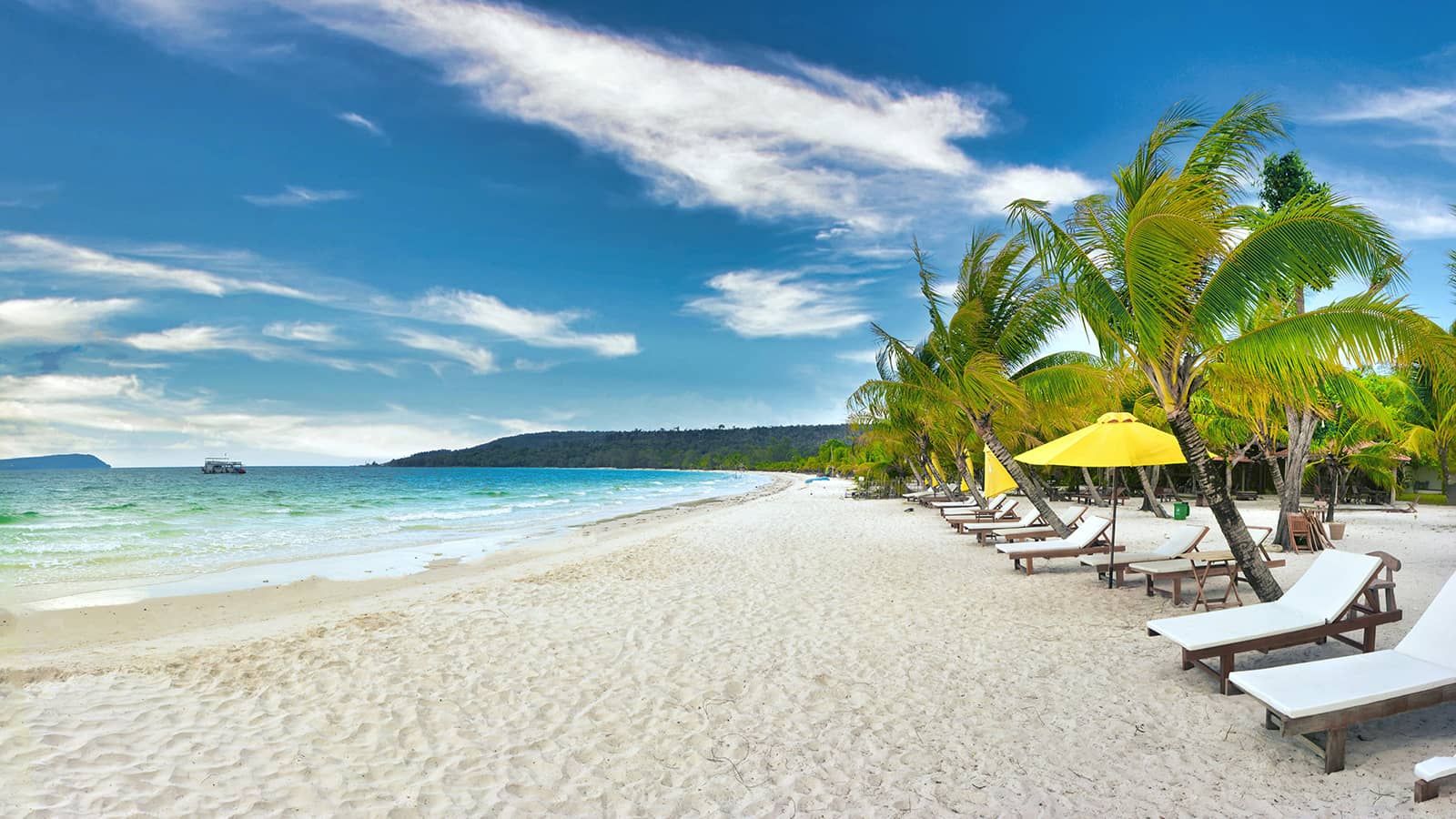
Pulau Besar is a small island about 45 minutes by ferry from Umbai jetty (roughly 10km southeast of Malacca city). The island has clean beaches, a handful of Malay shrines, and almost no development. Day-trippers can rent snorkelling gear and swim in clear, shallow water. Ferry schedules run twice daily in 2026 — morning and early afternoon. The return journey must be planned carefully. Ferries cost around MYR 20–25 return.
Tanjung Bidara Beach is about 30km north of Malacca, a low-key stretch of beach popular with local families. There’s no resort development — just simple food stalls, calm water, and some shade. Grab or a rented scooter gets you there in 40 minutes. Good for a half-day trip to decompress from the old town crowds.
Air Keroh, about 15km northeast of the city centre, has the Malacca Zoo (one of the better state zoos in Malaysia, open until 10pm for a night zoo experience at MYR 40–50) and the Malacca Butterfly and Reptile Sanctuary. Works well as a half-day trip, especially for families.
Merlimau, a small town about 35km south, has a cluster of original Minangkabau-style wooden houses and an old riverside community that hasn’t been touched by tourism development. Getting there requires a car or hired transport. It’s a niche interest but rewards visitors who want to see rural Negeri Sembilan-influenced Malay architecture outside a museum context.
Seremban, the capital of Negeri Sembilan, is about 65km north by road (roughly 1 hour). The town has a well-preserved old quarter and is known for its Minangkabau food scene. Reachable by KTM Komuter from Pulau Sebang/Aeropolis station, which is connected to Malacca Sentral by bus. The 2025 extension of KTM service to stations closer to Malacca Sentral has made this connection easier in 2026.

2026 Budget Breakdown
Malacca is one of the most affordable overnight destinations in Malaysia for what you get. Here’s what realistic daily spending looks like across three tiers.
Budget Traveller (MYR 80–130 per day)
- Accommodation: Hostel dorm or guesthouse in Chinatown, MYR 30–55 per night
- Meals: Kopitiam breakfast, hawker lunch and dinner, MYR 20–35 per day
- Transport: Walking plus occasional Grab, MYR 10–15
- Entry fees: Selective — St. Paul’s Hill (free), Christ Church (free), Maritime Museum (MYR 10)
Mid-Range Traveller (MYR 200–350 per day)
- Accommodation: Boutique hotel or heritage guesthouse, MYR 120–200 per night
- Meals: Mix of kopitiam, sit-down restaurants, Medan Portugis dinner, MYR 60–90 per day
- Activities: River cruise (MYR 30), Baba & Nyonya Museum (MYR 20), Taming Sari Tower (MYR 30)
- Transport: Grab for longer distances, MYR 20–30
Comfortable Traveller (MYR 450–700+ per day)
- Accommodation: Restored heritage hotel or 4–5 star property near the historic centre, MYR 280–500 per night
- Meals: Restaurant dining with wine or cocktails, MYR 120–180 per day
- Activities: Private heritage walking tour, river kayaking, ghost tour
- Transport: Private car hire for day trips, MYR 150–250
Entry fees across Malacca’s main attractions are low by Malaysian standards. A full day of museums and heritage sites with lunch costs MYR 60–80 all-in for a budget traveller.
Frequently Asked Questions
How many days do you need in Malacca?
Two full days covers the main attractions comfortably — one day for the UNESCO heritage zone, temples, and museums; one day for the river, Baba-Nyonya culture, and evening food trail. A third day works well if you plan a day trip to Pulau Besar or Air Keroh. One day is possible but rushed.

Is Malacca worth visiting in 2026?
Yes, but timing matters. Weekday visits are dramatically better than weekends in terms of crowd levels. The city’s heritage core is genuinely extraordinary — a compressed layer of Portuguese, Dutch, British, Chinese, and Malay history in walkable distance. That hasn’t changed. What has changed is that visitor numbers have increased since 2024, making early starts more important.
How do you get from Kuala Lumpur to Malacca?
The most practical option in 2026 is still bus from TBS (Terminal Bersepadu Selatan) in KL. Operators like Transnasional and Starmart run services every 30–60 minutes; journey time is roughly 2–2.5 hours depending on traffic. Tickets cost MYR 12–18. There is no direct train to Malacca city centre — the nearest KTM station (Pulau Sebang/Aeropolis) requires an additional bus connection to Malacca Sentral.
What is the best area to stay in Malacca?
For most travellers, staying within or just adjacent to the Chinatown and UNESCO heritage zone gives the best experience. You can walk to the main sights, reach Jonker Street on foot, and join the river easily. Hotels near Dutch Square and along Jalan Tun Tan Cheng Lock put you in the heart of things. Avoid staying in the modern commercial areas near Mahkota Parade unless you have a specific reason.
Is Malacca safe for solo travellers?
Malacca is considered one of the safer cities in Malaysia for solo travel, including solo women travellers. The tourist zone is well-lit, busy in the evenings, and has a consistent police presence around Dutch Square and Jonker Street. Standard urban precautions apply — keep bags close in the night market crowds, use Grab rather than unmarked taxis, and stay on the main streets after midnight in Chinatown.
Explore more
The Ultimate Malacca Day Trip from Kuala Lumpur Guide
📷 Featured image by Job Savelsberg on Unsplash.