On this page
- What Makes Langkawi Different from Every Other Malaysian Island
- Best Areas to Base Yourself
- Unmissable Experiences and Attractions
- Where to Eat in Langkawi
- Getting Around the Island
- Day Trips from Langkawi
- Nightlife and Evening Entertainment
- Shopping in Langkawi
- Where to Stay in Langkawi by Budget
- Best Time to Visit Langkawi
- Practical Tips for 2026
- Daily Budget Breakdown
- Frequently Asked Questions
💰 Click here to see Malaysia Budget Breakdown
💰 Prices updated: August, 2026. Budget figures are estimates — always verify before travel.
Exchange Rate: $1 USD = RM4.03
Daily Budget (per person)
Shoestring: RM100.00 – RM200.00 ($24.81 – $49.63)
Mid-range: RM180.00 – RM400.00 ($44.67 – $99.26)
Comfortable: RM450.00 – RM1,300.00 ($111.66 – $322.58)
Accommodation (per night)
Hostel/guesthouse: RM20.00 – RM70.00 ($4.96 – $17.37)
Mid-range hotel: RM100.00 – RM350.00 ($24.81 – $86.85)
Food (per meal)
Budget meal: RM15.00 ($3.72)
Mid-range meal: RM35.00 ($8.68)
Upscale meal: RM100.00 ($24.81)
Transport
Single metro/bus trip: RM2.00 ($0.50)
Monthly transport pass: RM150.00 ($37.22)
Langkawi has always been easy to love, but 2026 brings a few new wrinkles worth knowing before you book. The island’s duty-free status remains one of Southeast Asia’s best-kept open secrets, yet flight seat prices have climbed noticeably since early 2025, and the tourist arrival tax introduced for Langkawi-bound visitors now applies at the ferry terminals as well as the airport. None of this should stop you — Langkawi is still genuinely spectacular — but arriving without a plan means paying more and seeing less than the island deserves.
What Makes Langkawi Different from Every Other Malaysian Island
Langkawi is not Penang, and it is not the Perhentians. It sits in the Andaman Sea off the northwest coast of Malaysia, close enough to Thailand that the horizon sometimes holds Thai fishing boats. The archipelago covers 99 islands, though most visitors never leave the main island of Pulau Langkawi. What separates it from everywhere else in Malaysia is the combination of a UNESCO Global Geopark designation, genuine duty-free shopping, and a landscape that swings between white-sand beaches, ancient rainforest, and mangrove waterways — all within a 30-minute drive of each other.
The visitor profile in 2026 has shifted slightly. Post-pandemic European and Middle Eastern tourist numbers have recovered strongly, and the island now draws a meaningful crowd of Indian and Korean travellers alongside the traditional mix of Malaysians, Singaporeans, and Australians. The result is a food and accommodation scene that has widened considerably. You can eat extraordinary fresh seafood for MYR 25 or spend MYR 400 on an omakase dinner at a resort — and both experiences feel entirely natural on this island.
Best Areas to Base Yourself
Pantai Cenang
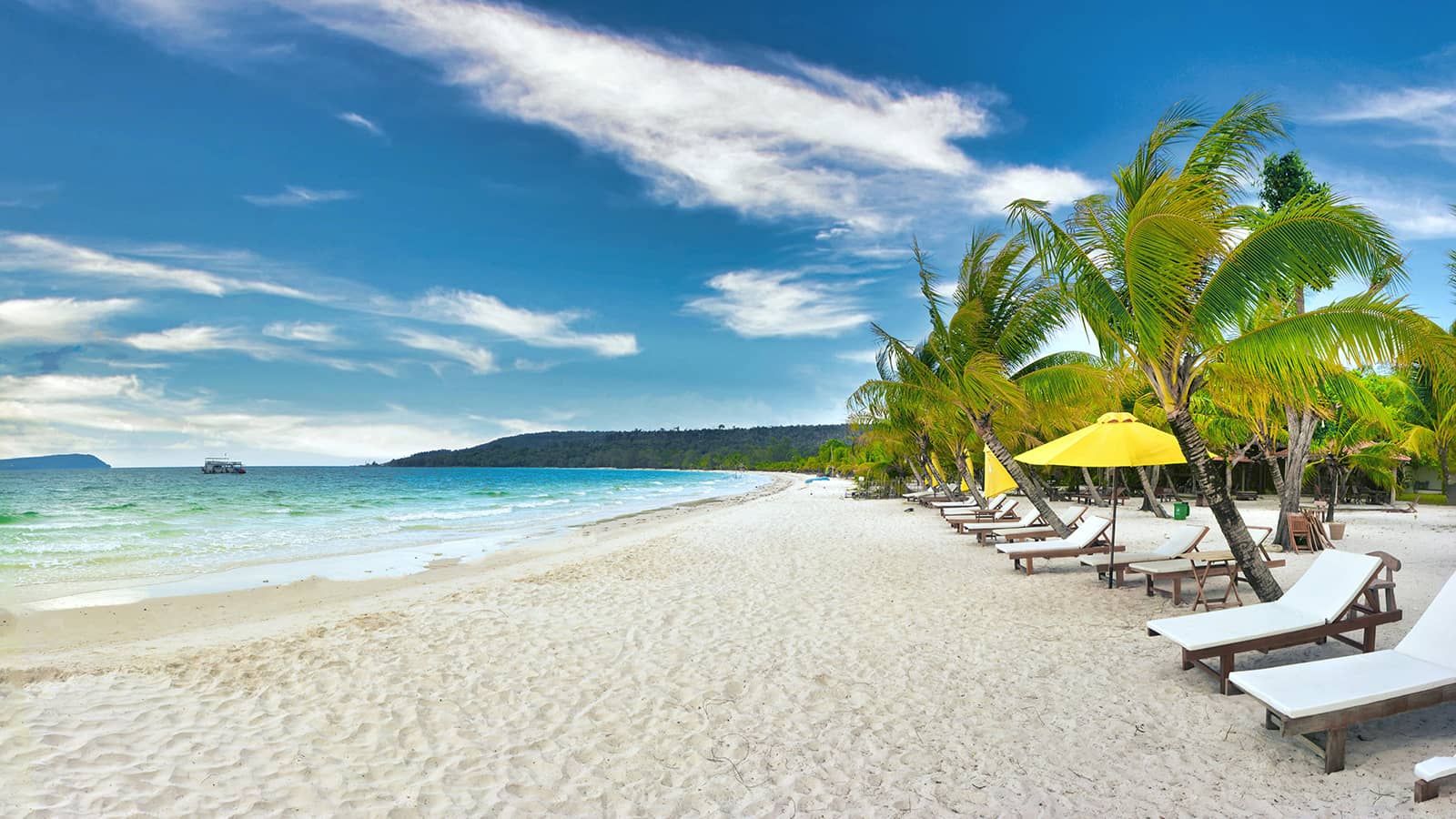
This is where most first-time visitors land, and for good reason. Pantai Cenang is the island’s busiest beach strip — a 2-kilometre stretch of guesthouses, restaurants, massage parlours, and bars facing a wide, swimmable beach. The water is calm most of the year and the sunsets here are genuinely world-class. It suits budget travellers, couples on a first beach holiday, and families who want convenience. The trade-off is noise: the main road runs parallel to the beach and carries steady traffic until midnight.

Kuah Town
Kuah is the island’s main town and the arrival point for ferries from Penang and Kuala Perlis. It’s practical rather than pretty — think duty-free malls, local kopitiams, and a working port. Staying here makes sense if you’re arriving by ferry, doing serious duty-free shopping, or want local food prices without tourist markup. It’s not a beach destination but it’s cheaper and more authentically Malaysian than the west coast strips.
Tanjung Rhu
On the island’s northeast, Tanjung Rhu is where people go when they want to feel like they have Langkawi to themselves. The beach here is longer, quieter, and fringed by casuarina trees. The mangrove estuary nearby feeds into the Kilim Geoforest. Accommodation is mostly in the higher price bracket — the Four Seasons has its address here — but a few mid-range options exist if you look early. Suits couples, nature lovers, and anyone prioritising peace over party.
Teluk Datai
The northwest corner is the island’s most remote and most forested patch. Teluk Datai is home to two of Malaysia’s most celebrated luxury resorts and a beach that rarely sees more than a handful of people. If you’re spending MYR 1,500 or more per night on accommodation, this is where that money buys something genuinely special. Not suitable for budget or mid-range travellers.
Unmissable Experiences and Attractions
Langkawi SkyCab and SkyBridge
The cable car rises 700 metres up Gunung Mat Cincang, and the view from the top platform across the Andaman Sea and into Thailand is one of the defining images of Malaysian tourism. The SkyBridge — a curved pedestrian bridge suspended in the mist — hangs off the mountain just below the peak. Go early (it opens at 9:30am) to beat cloud cover and the midday queues. Tickets in 2026 run around MYR 85 for adults including the bridge access. The gondolas sway noticeably — genuinely not suitable if you have a serious fear of heights.

Kilim Karst Geoforest Park
The mangrove boat tours through Kilim are Langkawi at its most primeval. Guides thread narrow wooden boats through channels so tight that mangrove roots brush the sides, past monitor lizards doing their slow, prehistoric survey of the water’s edge, and into bat caves where the ammonia smell hits before the darkness does. The whole experience takes about three hours. Arrange through a guesthouse or at the Kilim jetty — rates hover around MYR 60–80 per person in a shared group.
Telaga Tujuh Waterfalls
Seven connected pools cascade down the rainforest hillside near Pantai Cenang. The lower pools are easy to reach on a short forest walk, and on weekday mornings you may have them almost entirely to yourself. The upper pools require scrambling over slippery rocks — wear shoes you don’t mind getting wet. No entrance fee as of 2026.
Eagle Square and the Langkawi Eagle Feeding
The giant eagle statue in Kuah is a selfie landmark, but the real eagle spectacle happens at Padang Matsirat on certain mornings when boats throw fish into the water and white-bellied sea eagles dive to catch them mid-air. Operators run this as part of island-hopping tours. Witnessing a 2-metre wingspan bird drop out of the sky at speed, talons extended, is the kind of thing that stays with you.
Langkawi Geopark Museum
Small, well-designed, and often overlooked. The museum near Kuah explains why Langkawi’s geology is genuinely ancient — some rock formations here are 550 million years old, making them among the oldest in Southeast Asia. A good rainy-day option and free to enter.
Where to Eat in Langkawi
Pantai Cenang Night Market (Pasar Malam)
The Wednesday night market along Jalan Pantai Cenang is the best cheap eat on the island. Stalls line the road selling grilled corn rubbed with butter and chilli, skewers of chicken and lamb satay dripping over charcoal, and fresh coconut hacked open on the spot. The smell of char and coconut cream hangs in the warm air and draws people off the beach like a signal. Budget MYR 15–25 for a full feed.
Yasmin Restaurant, Kuah
Locals eat here, which tells you everything. Yasmin serves Malay rice-and-lauk style lunches — choose your dishes from a spread of curries, stir-fries, and sambal from the bain-marie counter. Prices are honest: a full plate with three dishes and a drink costs around MYR 12–16. It’s a no-frills, fluorescent-lit room that fills up fast by noon.
Red Tomato, Pantai Cenang
For Western comfort food done properly — grilled fish, pasta, wood-fired pizza — Red Tomato is a reliable anchor on the Cenang strip. Prices are fair for a beach restaurant (MYR 25–45 per main), the portions are generous, and it’s one of the few spots on the strip that doesn’t feel like a tourist trap.
Seafood at Ikan Bakar Karim’s, Padang Matsirat
Drive 10 minutes inland from Cenang and you find a string of no-fuss seafood restaurants serving grilled fish, giant prawns, and clams cooked in butter and garlic. Karim’s is the most consistent. Order by weight at the fresh fish counter, pick your cooking style, and expect to pay MYR 40–70 for two people eating well.

Kopitiam Breakfasts
For breakfast, skip the resort buffet and find any kopitiam in Kuah or Padang Matsirat. A kopi-o (black coffee), two half-boiled eggs, and two slices of kaya toast costs MYR 6–8 and keeps you going until lunch. The eggs arrive in a small ceramic bowl — crack them in, add a dash of soy sauce and white pepper, and eat them with the toast dunked in.
Getting Around the Island
This is the one area where Langkawi catches visitors off-guard. The island has no meaningful public transport. There are no buses worth taking, and Grab operates here but with unpredictable driver availability outside of Pantai Cenang and Kuah. The practical answer for most visitors is to rent a car or scooter on Day 1 and keep it for the duration.
Car rental in 2026 runs MYR 80–120 per day for a basic compact from local operators near the airport and along Pantai Cenang. International chains like Hertz and Avis operate at the airport at MYR 130–180 per day. Scooter rental is MYR 35–50 per day and gives you maximum flexibility on the island’s quiet roads, though the Langkawi-Kuah dual carriageway can feel fast if you’re not a confident rider.
The airport (LGK) is 20 minutes from Pantai Cenang by taxi (fixed rate MYR 25–35) or Grab (MYR 20–28 depending on surge). Ferry arrivals at Kuah Jetty connect to Pantai Cenang by fixed-rate taxi at MYR 30–40.
Driving in Langkawi is genuinely easy — it’s one of the few places in Malaysia where a first-time visitor feels comfortable behind the wheel within an hour. Roads are well-maintained, traffic is light outside Kuah, and distances are short. The full island circuit takes under two hours without stops.

Day Trips from Langkawi
Pulau Payar Marine Park
Malaysia’s only marine park accessible from the Andaman Sea. Snorkelling over the coral reef here puts you among reef sharks, schools of yellowtail, and sea turtles if the timing is right. Day trips depart from Kuah Jetty at around 8am and return by 3pm. Costs MYR 150–200 per person including equipment and lunch. The reef has recovered well since coral bleaching restrictions were enforced more strictly from 2023 onward.
Kilim Geoforest by Kayak
Rather than the standard motor boat tour, several operators now offer half-day kayaking routes through the mangrove channels. This is the quieter, slower version — you hear the birds, the water, and nothing else. MYR 120–150 per person including guide. Departs from Kilim Jetty at 8am. Book a day ahead.
Penang (Overnight Recommended)
The Langkawi-Penang ferry runs twice daily in 2026, departing from Kuah Jetty. The crossing takes 2.5–3 hours each way and costs MYR 70–90 per person one way. Penang makes more sense as a two-night side trip than a day trip, but it’s entirely feasible as a long day if you take the early ferry and return on the evening service. Georgetown alone is worth the trip.
Northern Beaches and Waterfalls Loop
A self-drive half-day loop covering Tanjung Rhu beach, the Kilim mangrove viewpoint, Durian Perangin waterfall (a local favourite, less visited than Telaga Tujuh), and the Langkawi Craft Cultural Complex. Budget 4–5 hours and bring a towel for the falls.
Nightlife and Evening Entertainment
Langkawi’s duty-free status makes the evening scene interesting — beer and spirits cost a fraction of what you’d pay in Kuala Lumpur or Penang, which means bars here are genuinely affordable and attract a mixed crowd of tourists and expats who’ve quietly settled on the island.

The Pantai Cenang strip is the main action. By 9pm the bar terraces fill up, acoustic guitarists set up outside the busier spots, and the air carries the combined smell of sunscreen, grilled chicken, and Anchor beer. It’s casual and convivial rather than clubby — most venues close by 1am or 2am.
Yellow Café, one of the island’s oldest watering holes, remains the most reliably fun spot on the strip — cheap beers, a mixed local and tourist crowd, and live music most nights from around 10pm. The roof terrace at Cliff Restaurant above Pantai Tengah gives you a different experience entirely: quieter, darker, with a view over the Strait of Malacca and cocktails priced around MYR 35–55.
For something more local, the area around Kuah has a string of small karaoke lounges and kedai makan that stay open late with beer towers at the table. It’s unpretentious and genuinely cheap.
Shopping in Langkawi
The duty-free status is real and worth using. Alcohol is the obvious win — a litre of Johnnie Walker Black Label that would cost MYR 200+ in KL goes for around MYR 75–90 here. Wine, gin, and rum prices are similarly stripped back. You’re allowed to bring out a limited quantity when leaving Malaysia (2 litres per adult), which most visitors don’t bother to worry about for personal use amounts.
Kuah Jetty Square is the main duty-free hub — a cluster of malls selling chocolate, alcohol, perfume, electronics, and Malaysian handicrafts. The chocolate shops are popular with Malaysian domestic tourists who stock up on imported brands at prices below peninsula retail. The electronics deals are less compelling than they used to be in the pre-online-shopping era.
For more interesting shopping, the Langkawi Craft Cultural Complex near Telaga Harbour stocks genuine Malay batik, hand-woven fabrics, wood carvings, and pewterware. Prices are fixed and quality is reliable. The night market along Pantai Cenang (Wednesday and Saturday) carries the usual tourist market mix of sarongs, beachwear, and handmade jewellery at negotiable prices.

Telaga Harbour Park near Pantai Kok has a small strip of boutique shops selling locally designed resort wear and Langkawi-branded artisan goods — higher prices, better quality than the market stalls.
Where to Stay in Langkawi by Budget
Budget (MYR 60–150 per night)
Pantai Cenang has the highest concentration of budget guesthouses and hostels. AB Motel and Casa Fina Fine Homes are long-standing options that offer clean rooms, walking distance to the beach, and honest prices. Dorm beds in backpacker hostels run MYR 35–60 per night. Avoid booking very cheap rooms on the main road — the traffic noise is real.
Mid-Range (MYR 150–450 per night)
This is where Langkawi’s value is strongest. The Frangipani Langkawi Resort and Spa near Pantai Cenang offers beachfront rooms with a pool and breakfast at around MYR 280–380 per night in shoulder season. Meritus Pelangi Beach Resort along Pantai Cenang is a step up in quality at MYR 350–450 and has some of the island’s best beach frontage. For a quieter location, Casa del Mar near Pantai Cenang gives you a boutique feel at the same price point.
Luxury (MYR 700–2,500+ per night)
The Four Seasons Langkawi at Tanjung Rhu and The Datai Langkawi at Teluk Datai are in a different category entirely — both are regularly cited among Asia’s best resort hotels. The Datai sits inside a 10-million-year-old rainforest and has its own private beach. For central luxury with slightly more manageable rates, The Westin Langkawi and Vivanta Rebak Island (a private island resort accessible by boat) offer strong alternatives at MYR 700–1,200 per night.
Best Time to Visit Langkawi
Langkawi sits on the opposite side of the Malaysian peninsula from the east coast islands, which means its weather pattern runs on a different schedule. The dry season runs November through July, with the most reliable weather between December and March. January and February are peak months — expect full resorts, higher prices, and the best snorkelling visibility at Pulau Payar.

The wet season runs roughly August through October. Langkawi receives serious rainfall in August and September — not constant rain, but heavy afternoon downpours that can wash out water activities for days at a time. Prices drop significantly (20–35%) and the island feels noticeably quieter. Some smaller restaurants and tour operators reduce their hours.
Malaysian school holidays (June, late November, and early January) push domestic tourist numbers up sharply. If you’re visiting in June, book accommodation at least six weeks ahead. The island also gets busy during the Langkawi International Maritime and Aerospace Exhibition (LIMA), which runs every two years — next edition is in 2027, so 2026 avoids that particular crunch.
For the best balance of weather, price, and manageable crowds, April and November are the sweet spots. April sits at the end of the dry season with lighter tourist numbers; November catches the very beginning of the dry season just as prices haven’t yet climbed to peak rates.
Practical Tips for 2026
Tourist Tax: Malaysia’s tourist accommodation tax (MYR 10 per room per night) applies in Langkawi. As of January 2026, ferry terminal operators also collect a MYR 5 arrival fee for non-Malaysian passengers arriving at Kuah Jetty. Have small bills ready.
MyTravelPass: The updated MyTravelPass digital platform now consolidates ferry bookings, some tour operator ticketing, and national park entry across Malaysia including Langkawi’s geopark sites. Download it before you arrive — it speeds up entry at the Kilim Geoforest and Pulau Payar.
Water: Don’t drink from the tap. Langkawi’s water supply is treated but taste and mineral content vary by area. Bottled water is cheap — MYR 1–1.50 for 1.5 litres in any convenience store. Most mid-range and above accommodation provides complimentary drinking water.

Cash vs Cashless: The island is more cashless than it used to be — QR payment (DuitNow, Touch ‘n Go) works at most restaurants and shops. But smaller hawker stalls, market vendors, and some guesthouses remain cash only. Keep MYR 100–200 in cash on hand at all times.
Safety: Langkawi is one of Malaysia’s safest tourist destinations. Petty theft is rare but not impossible on crowded beach strips. Lock your scooter, don’t leave valuables on the beach, and be aware that the sea can have rip currents on the western beaches during the wetter months — look for flag warnings.
Language: English is widely understood in all tourist areas. In Kuah and inland villages, basic Malay phrases go a long way and are genuinely appreciated.
SIM Cards: Pick up a Maxis, Celcom, or U Mobile tourist SIM at the airport for MYR 30–50 covering 30 days of data. Coverage across the island is solid 4G, with 5G reaching the main Cenang–Kuah corridor.
Daily Budget Breakdown
Budget Traveller (MYR 100–180 per day)
- Accommodation: MYR 50–90 (hostel dorm or basic guesthouse)
- Food: MYR 25–40 (hawker stalls, kopitiams, night market)
- Transport: MYR 15–30 (scooter rental split with a travel partner)
- Activities: MYR 20–40 (waterfalls are free; budget for one paid attraction)
- Sundries/Drinks: MYR 10–20
Mid-Range Traveller (MYR 300–550 per day)
- Accommodation: MYR 180–350 (mid-range resort with pool, breakfast included)
- Food: MYR 60–100 (mix of hawker meals and proper restaurant dinners)
- Transport: MYR 40–60 (car rental)
- Activities: MYR 60–100 (mangrove tour, SkyCab, island hopping)
- Sundries/Drinks: MYR 30–50 (duty-free beers help here)
Comfortable/Luxury Traveller (MYR 800–2,500+ per day)
- Accommodation: MYR 600–2,000+ (Four Seasons, The Datai, or boutique luxury)
- Food: MYR 150–300 (resort dining, fine seafood dinners)
- Transport: MYR 80–150 (private transfers, resort boats)
- Activities: MYR 100–300 (private charters, spa treatments, diving)
- Sundries/Drinks: MYR 100–200

Frequently Asked Questions
Do I need a visa to visit Langkawi in 2026?
Langkawi follows standard Malaysian visa rules — most Western, Australian, and Southeast Asian passport holders receive a 30-day visa-on-arrival or visa-free entry. Citizens of India, China, and some South Asian countries should check the latest Malaysian Immigration Department rules before travel, as reciprocal visa arrangements have expanded since 2024 but vary by nationality.
How many days should I spend in Langkawi?
Three to four days covers the key attractions comfortably — the SkyCab, mangrove tour, best beaches, and a day of relaxed beach time. Five to seven days allows for the slower pace the island rewards: kayaking, day trips to Pulau Payar, exploring lesser-known northern beaches, and eating your way through the night markets without rushing.
Is Langkawi suitable for families with young children?
Yes, it’s one of Malaysia’s most family-friendly destinations. The beaches on the west coast (Pantai Cenang, Pantai Tengah) have calm, shallow water ideal for young swimmers. The cable car and eagle-feeding excursions hold up well for children over 5. Most mid-range and luxury resorts have dedicated kids’ pools and activity programmes.
Can I drink alcohol freely in Langkawi?
Yes. Langkawi is duty-free and alcohol is freely available in restaurants, bars, supermarkets, and convenience stores across the island. This is notably different from much of peninsular Malaysia where alcohol is more restricted or heavily taxed. Prices are the lowest in Malaysia — expect to pay MYR 8–12 for a 330ml beer at a bar.
What is the best way to get to Langkawi from Kuala Lumpur?
Flying is the most practical option — AirAsia and Malaysia Airlines both operate multiple daily flights from KL International Airport (KLIA/KLIA2) to Langkawi (LGK). Flight time is under an hour and tickets can be found for MYR 80–200 one way if booked ahead. The alternative is taking the train north to Alor Setar or Arau on KTM Intercity, then a bus or taxi to Kuala Perlis, and the ferry to Langkawi — total journey around 6–7 hours and cheaper, but significantly slower.
Explore more
What to Buy in Malaysia: The Ultimate Souvenir & Gift Guide
Malaysia Travel Essentials: Your Ultimate First-Timer’s Guide
📷 Featured image by Polina Kuzovkova on Unsplash.