On this page
- Getting to Langkawi in 2026
- Getting Around the Island
- Where to Stay — Matching the Area to Your Travel Style
- Money, SIMs, and Duty-Free Realities
- 2026 Budget Reality
- Beach Basics — Which Ones Are Worth It
- Beyond the Beach — What Most First-Timers Miss
- Eating in Langkawi — Where Locals Actually Eat
- When to Go and What to Know Before You Arrive
- Frequently Asked Questions
Langkawi has been on the tourist radar for decades, but first-time visitors in 2026 still arrive with outdated expectations — expecting pristine empty beaches they saw in a 2019 Instagram post, or assuming they can get around without a vehicle. The island has changed. Tourism numbers bounced back hard post-pandemic, infrastructure has improved in some areas and lagged in others, and the duty-free situation confuses almost everyone. This guide cuts through the noise so you land knowing exactly what you’re dealing with.
Getting to Langkawi in 2026
The fastest way in is by air. Langkawi International Airport (LGK) sits near Padang Matsirat on the northwest side of the island. AirAsia and Malaysia Airlines run multiple daily flights from Kuala Lumpur (KUL), with flight time around 55 minutes. Firefly connects Langkawi from Subang (SZB), which is a better option if you’re staying on the KL city side — the Subang airport is far less chaotic than KLIA.
New in 2026, Batik Air added a direct Langkawi–Singapore route, cutting out the previous need to transit through KL. Return fares hover around MYR 450–700 depending on how far in advance you book. Thai AirAsia also runs a Langkawi–Bangkok (Don Mueang) service, which has made the island a genuine option for travellers doing a broader Southeast Asia loop without flying back through KL.
If you’re coming from Penang or the Kedah mainland, the ferry is the scenic and affordable option. The Penang–Langkawi ferry (from Swettenham Pier, Georgetown) runs twice daily and takes about 2.5 hours. Fares are roughly MYR 70–85 one way. From Kuala Kedah or Kuala Perlis on the mainland, the crossing is shorter — about 1.5 hours and 45 minutes respectively — and costs between MYR 25–45. Ferries fill up fast during school holidays and long weekends, so book tickets online through Langkawi Ferry Service or Tropical Charters in advance.

Getting Around the Island
This is where most first-timers get caught out. Langkawi has no public bus network worth relying on. There is a limited bus route (Bas Murah) but schedules are sparse and coverage is patchy. If you plan to explore freely — and you should — you need your own wheels.
Renting a car is the most comfortable option. Rates from local operators near the airport and in Pantai Cenang start from around MYR 80–120 per day for a basic Perodua Axia or Myvi. International chains like Hawk and Kasina are more expensive but include better insurance coverage. Driving is on the left, roads are generally well-maintained, and Google Maps works reliably across the island.
Motorbikes and scooters are cheaper — MYR 35–60 per day — and are the preferred option for solo travellers or couples who want maximum flexibility. You’ll need a valid licence. Most rental shops don’t check seriously, but if you’re involved in an accident without the appropriate endorsement, your travel insurance will likely not cover you.
Grab operates in Langkawi but coverage is inconsistent, particularly outside of Pantai Cenang and Kuah. Metered taxis exist but prices are fixed-zone rather than metered, and negotiating can be tedious. For airport transfers, expect to pay MYR 25–40 to Pantai Cenang depending on your starting point and the driver’s mood. Ride the Grab app first — if there’s a driver available, take it.
Where to Stay — Matching the Area to Your Travel Style
Langkawi is not a small island — it’s 478 square kilometres — so where you base yourself genuinely matters.

Pantai Cenang
This is the tourist heartland: duty-free shops, beachside restaurants, budget guesthouses, and mid-range resorts all crammed into a 3-kilometre strip. It’s convenient but noisy, particularly after 10pm when the beachfront bars pick up. Good for first-timers who want walking access to food, the beach, and the Underwater World Langkawi. Less good if you’re after peace.
Pantai Tengah
Five minutes south of Cenang, calmer and slightly more upscale. The beach here is narrower but less crowded. A decent middle-ground if you want proximity to Cenang without the full circus.
Kuah Town
The main town and ferry hub. Practical rather than pretty. Stay here if you’re arriving by ferry and want easy early access to the terminal, or if you’re primarily visiting for duty-free shopping. Very few tourists stay here by choice.
Datai Bay and Tanjung Rhu (North)
The quiet, exclusive end of the island. The Datai Langkawi and Four Seasons are up here. If you’re spending MYR 1,500+ per night, the isolation is the point. Budget and mid-range options are scarce in this area.
Pantai Kok
On the west coast, close to the cable car. Fewer options but a good base if your priority is the interior and western coastline. The sunsets from here are genuinely something — the sky turns deep orange and pink over the Andaman Sea, and you can hear the jungle behind your room well into the night.
Money, SIMs, and Duty-Free Realities
Langkawi is a duty-free island, which sounds better than it is for most travellers. Alcohol and cigarettes are where you’ll see real savings. A 1.5-litre bottle of Johnnie Walker Black at a duty-free shop in Kuah or Cenang runs around MYR 90–110, compared to MYR 180+ in Kuala Lumpur. Cigarettes are similarly discounted. Chocolate, perfume, and cosmetics are duty-free too, but price differences versus mainland Malaysia are often minor — check before you bulk-buy.

Electronics are not duty-free in any meaningful way for tourists. Don’t expect laptop or phone bargains.
ATMs are widely available in Kuah and Pantai Cenang. Most accept Visa and Mastercard. Smaller restaurants and guesthouses still prefer cash — carry at least MYR 200–300 on you at any point. Contactless payment (DuitNow QR, Touch ‘n Go eWallet) is accepted at most mid-range restaurants and convenience stores, but don’t rely on it universally.
For SIM cards, grab a tourist SIM at the airport on arrival. Celcom, Maxis, and Digi all sell prepaid tourist packages for MYR 30–50 that include 30–50GB of data for 30 days. Coverage is solid across the main tourist areas. Deep jungle and northern coastline can be patchy.
2026 Budget Reality
Langkawi is cheaper than Bali for comparable experiences, but more expensive than mainland Malaysia. Here’s what you’re actually looking at:
Budget Traveller (MYR 150–250 per day)
- Guesthouse or basic chalet in Pantai Cenang: MYR 60–100 per night
- Meals at hawker stalls and local coffee shops: MYR 8–15 per meal
- Scooter rental: MYR 40 per day
- Entry fees, cable car: MYR 30–55
- Alcohol from duty-free shops (to self-cater): MYR 20–30 per day
Mid-Range Traveller (MYR 400–700 per day)
- 3-star resort or boutique hotel: MYR 200–400 per night
- Mix of local restaurants and beachside dining: MYR 30–60 per meal
- Car rental: MYR 100 per day
- Island-hopping tour: MYR 45–70 per person
- Occasional cocktails at beach bar: MYR 25–40 per drink
Comfortable Traveller (MYR 1,000–2,500+ per day)
- 4–5 star resort (Westin, St. Regis, Datai): MYR 700–2,500+ per night
- Private dining and resort restaurants: MYR 100–250 per meal
- Private speedboat charters: MYR 500–1,200 per half day
- Spa treatments: MYR 200–500 per session
Note that service tax rules were updated in 2025 — restaurants and hotels now apply a flat 8% service tax in addition to SST, which has quietly pushed dining and accommodation bills higher than the menu prices suggest. Always check whether prices are quoted inclusive or exclusive of tax.

Beach Basics — Which Ones Are Worth It
Langkawi has 35 islands, and the main island has a string of beaches. Not all are equal.
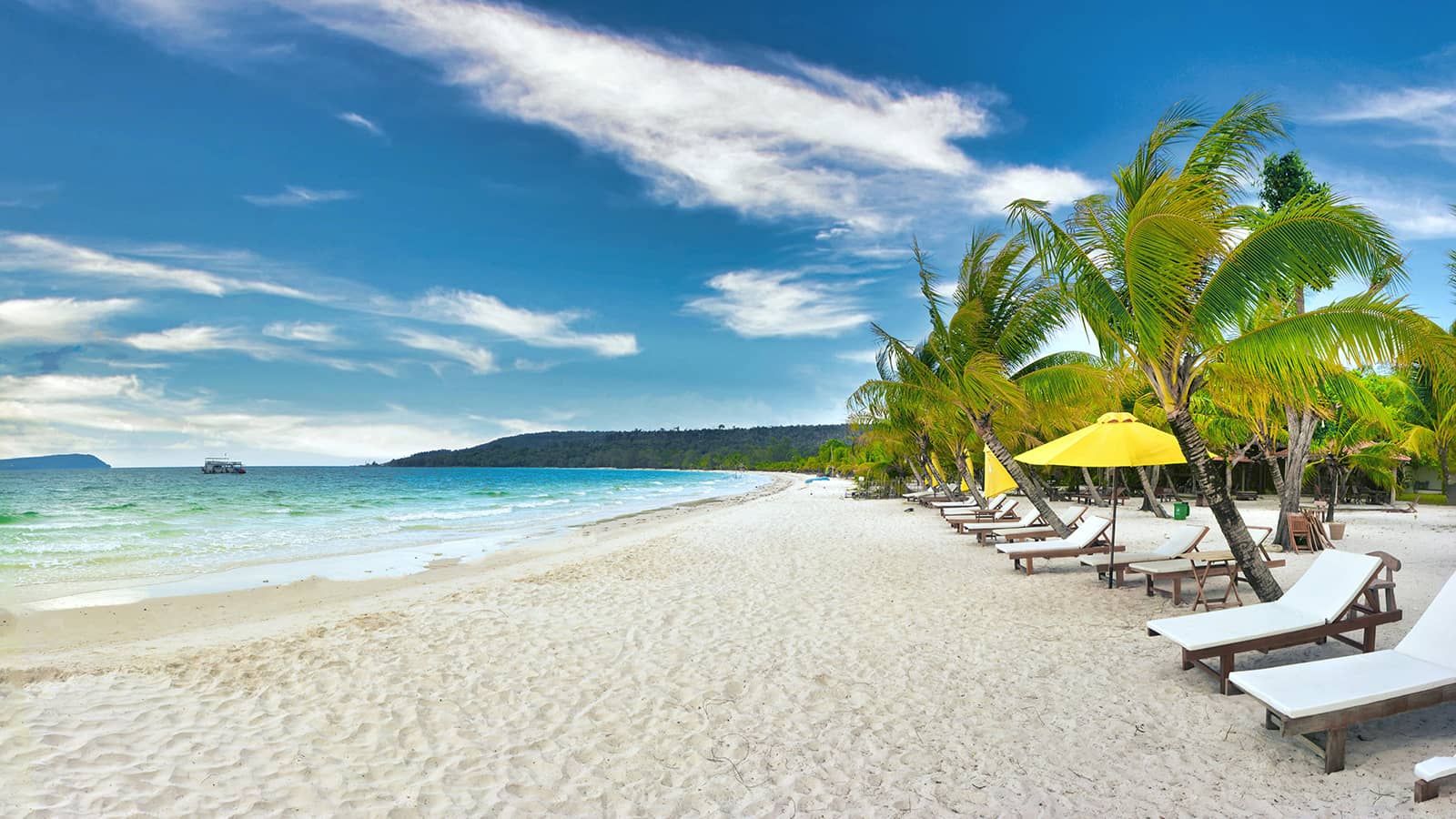
Pantai Cenang is the busiest and most accessible. The water is calm and warm, the sand is clean enough, and you’re never far from food or a drink. Jet skis and banana boats operate here, which some people love and others find annoying.
Tanjung Rhu in the northeast is where the serious beach lovers go. The sand is powder-white, the water is clearer, and at low tide you can wade out to small sandbanks. Getting there requires a car and about 40 minutes from Cenang, but it’s worth every minute of the drive.
Pantai Pasir Tengkorak is a public beach tucked between the cable car area and the north coast. It’s rarely crowded mid-week and has basic facilities. Locals come here on weekends.
Datai Bay is stunning but largely monopolised by the luxury hotels. There’s a public section but it’s small and you’ll feel the resort’s invisible boundary.
Skip Cenang Beach at sunset if you want a quiet moment — it turns into a selfie-stick parade. Drive 20 minutes north to Pantai Kok instead. The light hits the water differently there, and the mangrove silhouettes along the edge of the bay create a scene that actually takes your breath away.
Beyond the Beach — What Most First-Timers Miss
The Langkawi Cable Car (SkyCab) at Oriental Village is the one “big” attraction almost everyone does. At 708 metres, the top station gives you views across the Thai islands on a clear day. The Skybridge — a curved suspension bridge hanging off the peak — reopened in 2025 after a two-year refurbishment and is genuinely impressive. Go on a weekday morning to beat the queues. Cable car tickets run MYR 55 for adults in 2026.

The mangrove kayaking and boat tours through Kilim Karst Geoforest Park are underrated. The park covers the northeast corner of the island and includes limestone formations, bat caves, eagle feeding grounds, and thick mangrove channels where the water is so still it reflects the canopy perfectly. Half-day tours run MYR 100–180 per person depending on group size. Cheaper if you book through your guesthouse rather than through agents in Cenang.
Langkawi’s UNESCO Global Geopark status (one of the first in Southeast Asia) means the geology here is genuinely remarkable — 550-million-year-old rock formations, sea caves at Gua Cherita, and the twin waterfalls at Temurun. Temurun Falls is only impressive after rain, but when it’s flowing it’s a 200-metre drop into a jungle pool.
Island hopping to the surrounding islands — particularly Pulau Dayang Bunting (the lake island) and Pulau Beras Basah — runs MYR 45–70 per person for a half-day group tour. The lake on Dayang Bunting is freshwater surrounded by limestone cliffs, and you can swim in it. That’s a hard experience to replicate anywhere else in Malaysia.
Eating in Langkawi — Where Locals Actually Eat
The tourist strip in Pantai Cenang has plenty of international restaurants and beach bars, but the honest food is elsewhere.
Pekan Kuah night market (Pasar Malam) runs on specific evenings near the ferry terminal area — check locally for current schedule as it shifts seasonally. Grilled fish, nasi campur, and freshly fried pisang goreng for under MYR 15 a head. The air smells of charcoal and coconut oil, and the tables are plastic and perfect.
For breakfast, look for local coffee shops (kedai kopi) in Kuah town or around Padang Matsirat. Roti canai with dhal, teh tarik, and nasi lemak are all available from early morning for MYR 5–10 total. These places have no English menus and no tourist pricing.

If you want seafood with a view and don’t mind paying more, the restaurants along Jalan Pantai Cenang do adequate but tourist-priced fish and prawn dishes. For better quality at fair prices, ask your guesthouse owner where they eat — most will point you to a specific spot in the back streets of Cenang or Tengah that doesn’t bother with TripAdvisor.
Alcohol is widely available across Langkawi due to duty-free status — unlike much of mainland Malaysia where you’ll hunt for it. Most restaurants in the tourist areas serve beer and basic cocktails. A bottle of Tiger or Heineken runs MYR 10–15, which is cheap by Malaysian standards.
When to Go and What to Know Before You Arrive
Langkawi’s weather follows the southwest monsoon. The dry season runs roughly November to April, when the skies are mostly clear and the sea is calm enough for island hopping and snorkelling. May to October brings increasing rain and rougher seas — the west coast in particular can get heavy swells. That said, rain in Langkawi is rarely all-day — you’ll get intense afternoon downpours that clear by evening, especially June through August.
Peak season is December to February when domestic Malaysian tourists, Europeans, and Australians all converge simultaneously. School holiday periods (including Hari Raya, Chinese New Year, and mid-year June–July break) push accommodation prices up sharply and put pressure on popular spots. If you’re flexible, March and April offer good weather and slightly lower prices before the monsoon arrives.
A few practical things worth knowing before you land:
- Langkawi is a majority-Muslim island. Dress modestly when away from the beach — cover shoulders and knees in towns, markets, and any religious sites.
- Jellyfish appear seasonally, particularly around March–May near some beaches. Ask locally before swimming.
- There is a 2-litre alcohol and 200-cigarette duty-free limit for those leaving the island to the Malaysian mainland — customs occasionally checks ferries and domestic flights.
- Mosquitoes are active, especially near mangroves and at dusk. Bring repellent or buy it at any pharmacy on the island.
- The island operates on Malaysian Standard Time (UTC+8) and power sockets are the UK three-pin type — same as the rest of Malaysia.

Frequently Asked Questions
Do I need a visa to visit Langkawi?
Langkawi follows standard Malaysian visa rules — it’s not a separate visa zone. Most Western passport holders get 90 days visa-free. Check the Immigration Malaysia website for your specific nationality. Entry from Thailand by boat (Satun or Ko Lipe) is popular and usually straightforward for most nationalities with valid passports.
Is Langkawi good for families with young children?
Yes, genuinely. The beaches on the west coast have calm, shallow water suitable for children. Underwater World Langkawi, Skytrex Adventure, and the island-hopping tours are all kid-friendly. The duty-free alcohol focus can feel odd but doesn’t dominate the family experience. Book accommodation with a pool if you have toddlers — guaranteed entertainment.
How many days should I spend in Langkawi?
Four to five days is the sweet spot for a first visit. Three days is workable if you focus on one or two areas. Seven days risks boredom unless you’re deliberately going slow — Langkawi is an island, not a city with unlimited activities. Use extra time for a day trip to the surrounding smaller islands or a night in Kuala Kedah on the mainland.
Is it safe to rent a scooter in Langkawi without experience?
Not recommended. Langkawi roads are generally quiet but include sharp hillside bends, potholes in side streets, and occasional stray dogs. If you’ve never ridden a motorbike, this is not the place to learn. Rent a car instead — even a basic Perodua is affordable, air-conditioned, and significantly safer for navigating the island’s varied terrain.
Can I drink the tap water in Langkawi?
Technically treated, but most visitors and locals stick to bottled or filtered water. Bottled water (600ml) costs MYR 1.50–2.50 at convenience stores. Most guesthouses and hotels provide a refillable dispenser or complimentary bottles. Bring a reusable bottle and refill it — single-use plastic waste is a visible problem on the island and reducing it is genuinely appreciated locally.
Explore more
Langkawi Like a Local: Uncovering the Island’s Best-Kept Secrets & Must-See Sights
Langkawi Adventures: The Best Things to Do on Malaysia’s Island Paradise
What to Do in Langkawi: Your Ultimate Guide to Malaysia’s Jewel Island
📷 Featured image by Eirik Skarstein on Unsplash.