On this page
- The DE Rantau Visa: Your Legal Gateway to Staying Long-Term
- Tax Residency and What It Actually Costs You
- Finding a Place to Live: Realistic Rental Costs in 2026
- Health Insurance and the Malaysian Healthcare System
- The Real Cost of Living Month to Month (2026 Budget Reality)
- What Life Actually Feels Like Day to Day
- Frequently Asked Questions
Malaysia keeps appearing on digital nomad shortlists, and in 2026 it deserves its place there — but not for the romanticised reasons you read about in lifestyle blogs. The reality is more practical, occasionally frustrating, and ultimately rewarding if you go in with accurate expectations. The biggest pain point right now is confusion: visa rules updated in late 2024, tax treatment for remote workers shifted, and rental costs in Kuala Lumpur climbed sharply. This guide cuts through the noise and tells you exactly what to expect when you decide to base yourself in Malaysia for one month to a full year.
The DE Rantau Visa: Your Legal Gateway to Staying Long-Term
Malaysia’s DE Rantau digital nomad visa remains the correct legal route for remote workers in 2026. It is not a tourist visa extension hack. It is a purpose-built residence pass issued by the Malaysia Digital Economy Corporation (MDEC) that lets you live and work remotely from Malaysia for up to 12 months, with the option to renew for a second year.
To qualify in 2026, you must meet all of the following:
- Minimum income: USD 24,000 per year (approximately MYR 113,000 at current rates) for employed applicants, or USD 60,000 per year for self-employed or freelance applicants
- Employer or client location: Your income must come from outside Malaysia — you cannot use this visa to work for a Malaysian company
- Health insurance: Valid coverage with a minimum of MYR 150,000 per incident, covering Malaysia (more on this below)
- Clean criminal record: A background clearance certificate from your home country, issued within the past 12 months
- Passport validity: At least 14 months remaining from the date of application
The application is submitted online through the DE Rantau portal. Processing time in 2026 averages 4 to 6 weeks from a complete application. Incomplete submissions — missing the employment letter format or using an insurance policy that does not explicitly name Malaysia as a covered territory — are the most common reasons for delays. Read the checklist twice before submitting.
The application fee is MYR 1,000 per applicant. Dependents (spouse and children under 18) can be added at MYR 500 each. Once approved, you collect your DE Rantau pass at an Immigration Department office in Malaysia, which requires an in-person appointment.

If you are already in Malaysia on a tourist visa (which grants 90 days for most Western passport holders), you cannot convert it to a DE Rantau pass from inside the country. You must apply before arrival or exit and re-enter once approved. This is a firm rule that caught many nomads off guard in 2025 and has not changed.
Tax Residency and What It Actually Costs You
Malaysia’s 183-day rule is the number that matters most for your finances. Spend 183 days or more in Malaysia within a calendar year and you become a Malaysian tax resident. Spend fewer days and you are a non-resident for tax purposes. The difference is significant.
Non-residents are taxed at a flat rate of 30% on any Malaysia-sourced income. If your income comes entirely from overseas clients or employers, it does not constitute Malaysia-sourced income and is currently not taxed in Malaysia — but this only holds if you are structured correctly and your income genuinely originates abroad.
Tax residents are taxed on a progressive scale ranging from 0% on the first MYR 5,000 of chargeable income up to 30% on income above MYR 2 million. For most nomads earning between MYR 100,000 and MYR 200,000 annually, effective tax rates land between 12% and 18% after personal reliefs are applied.
Here is the critical 2026 update: Malaysia’s Inland Revenue Board (LHDN) significantly tightened enforcement of the foreign-sourced income rules starting January 2025. If your income is remitted into a Malaysian bank account — even if it originates overseas — LHDN now expects you to be able to document its foreign source clearly. Keep records of client contracts, invoices, and proof of payment from overseas entities. The days of assuming foreign income is automatically invisible to Malaysian tax authorities are over.
To register as a taxpayer, visit the nearest LHDN office or register online through MyTax at mytax.hasil.gov.my. You will need your passport, DE Rantau pass, and Malaysian address. Your Income Tax Number (ITN) is issued within 3 to 5 working days online or on the spot at the office. You will need this ITN to open certain bank accounts and to file your return if you cross the 183-day threshold.
Always consult a Malaysian tax professional if your situation involves dual residency, significant income amounts, or if your home country has a tax treaty with Malaysia. Malaysia has treaties with over 70 countries, and these treaties can significantly affect what you actually owe on both ends.

Finding a Place to Live: Realistic Rental Costs in 2026
Rental prices across Malaysia’s main nomad cities rose between 15% and 25% from 2023 to 2026, driven by increased foreign interest and post-pandemic urban migration. Here is what you can expect to pay monthly in 2026 for a furnished apartment:
Kuala Lumpur
- Studio or 1-bedroom in city centre (KLCC, Bukit Bintang, Mont Kiara): MYR 2,800 – MYR 5,500
- 1-bedroom in mid-range areas (Cheras, Kepong, Sri Petaling): MYR 1,400 – MYR 2,200
- 2-bedroom for a couple or solo with a home office room: MYR 3,200 – MYR 7,000 depending on location
Penang (Georgetown and surrounds)
- Studio or 1-bedroom: MYR 1,800 – MYR 3,500
- 2-bedroom with sea view or heritage area: MYR 3,000 – MYR 5,500
Langkawi
- 1-bedroom near Pantai Cenang or Kuah: MYR 1,500 – MYR 2,800
- Long-term rental with basic furnishings, away from tourist zones: MYR 900 – MYR 1,600
Kota Kinabalu (Sabah)
- 1-bedroom city centre: MYR 1,600 – MYR 2,800
- 2-bedroom with sea view in newer developments: MYR 2,500 – MYR 4,500
Most landlords in Malaysia will ask for a 2-month security deposit plus a half-month utility deposit upfront. Leases are typically 12 months minimum, though some landlords offer 6-month terms at a slight premium. Platforms like PropertyGuru and iProperty list the majority of available rentals. For short initial stays before you commit to a lease, serviced apartments on Airbnb or direct booking sites typically run MYR 150 to MYR 350 per night for a decent one-bedroom unit.
Health Insurance and the Malaysian Healthcare System
Malaysia has a two-tier healthcare system. Government hospitals offer heavily subsidised treatment — outpatient visits for foreigners are currently MYR 60 per consultation — but wait times are long and the quality varies significantly outside of major urban centres. Private hospitals in Kuala Lumpur, Penang, and Kota Kinabalu are genuinely excellent, comparable to private facilities in Europe or Australia, but without insurance the costs are substantial.
A standard private GP consultation runs MYR 80 to MYR 150. An emergency room visit at a private hospital starts at MYR 500 before any treatment. A one-night hospital stay in a private ward begins around MYR 800 to MYR 1,500 depending on the facility and room type. Specialist consultations range from MYR 200 to MYR 500.
The DE Rantau visa already requires a minimum of MYR 150,000 coverage per incident, but treating that as a ceiling rather than a floor would be a mistake. In practice, international health insurance plans that most nomads use in 2026 offer MYR 500,000 to unlimited annual coverage. Reputable providers operating in Malaysia include AXA, Cigna, Allianz Care, and Pacific Cross.
Approximate annual premiums for a healthy adult aged 25–40 in 2026:

- Basic plan (MYR 150,000 coverage, inpatient only): MYR 3,500 – MYR 5,500 per year
- Comprehensive plan (unlimited or MYR 500,000+, inpatient and outpatient): MYR 8,000 – MYR 16,000 per year
For applicants over 45 or with pre-existing conditions, premiums increase meaningfully. Get quotes from at least three providers and read the policy exclusions carefully — some budget plans exclude mental health treatment, which is a significant gap for long-term stays.
The Real Cost of Living Month to Month (2026 Budget Reality)
Here is an honest monthly breakdown for a solo digital nomad in Kuala Lumpur in 2026. Penang runs about 10–15% lower. Langkawi and Kota Kinabalu vary depending on your lifestyle.
Budget Tier (MYR 4,000 – MYR 6,000/month)
- Rent: MYR 1,400 – MYR 1,800 (mid-range area, 1-bedroom)
- Food: MYR 600 – MYR 900 (hawker stalls, mamak restaurants, occasional grocery cooking)
- Transport: MYR 200 – MYR 350 (Rapid KL MRT/LRT monthly pass at MYR 100 plus occasional Grab rides)
- Internet (home fibre + mobile data): MYR 150 – MYR 200
- Health insurance (pro-rated monthly): MYR 300 – MYR 460
- Utilities: MYR 150 – MYR 250
- Miscellaneous (entertainment, personal care): MYR 400 – MYR 600
Mid-Range Tier (MYR 7,000 – MYR 10,000/month)
- Rent: MYR 2,800 – MYR 4,000 (city centre or well-located area, modern building)
- Food: MYR 1,200 – MYR 1,800 (mix of sit-down restaurants, cafes, cooking at home)
- Transport: MYR 400 – MYR 600 (car rental or rideshare-heavy)
- Internet and utilities: MYR 350 – MYR 500
- Health insurance: MYR 600 – MYR 900
- Leisure and travel within Malaysia: MYR 800 – MYR 1,500
Comfortable Tier (MYR 11,000 – MYR 18,000/month)
- Rent: MYR 4,500 – MYR 7,000 (premium KL condo, KLCC area, Mont Kiara, or Penang seafront)
- Dining, lifestyle, gym membership: MYR 3,000 – MYR 5,000
- Comprehensive health insurance and private clinic access: MYR 1,000 – MYR 1,400
- All other expenses: MYR 2,500 – MYR 4,000
The MRT network expansion completed in 2025 — specifically the Putrajaya Line Phase 2 extension and the new Subang Jaya connectivity — has genuinely improved getting around KL without a car. For nomads who choose their apartment based on MRT proximity, monthly transport costs drop significantly compared to 2023 figures.
What Life Actually Feels Like Day to Day
This is the part travel guides usually get wrong by being too positive or too cautious. The honest answer is that daily life in Malaysia as a remote worker is comfortable in ways that take time to appreciate and frustrating in specific ways that nobody warns you about.
The food reality is as good as people claim. Walking out to a hawker centre at 7am and eating a bowl of rich, smoky char kway teow for MYR 8 — noodles wok-fried over intense flame with the faint sweetness of soy and the punch of fresh bean sprouts — is genuinely part of your morning. Meals at hawker stalls and mamak restaurants remain affordable even as restaurant prices have risen. Cooking at home is cheaper but optional, not necessary for a reasonable budget.

The infrastructure has improved. High-speed fibre internet (100Mbps to 500Mbps plans from Unifi, Maxis, or TIME) costs MYR 89 to MYR 199 per month. Connection is generally stable in urban areas. Rural Sabah and interior Sarawak are exceptions — speeds drop and reliability suffers once you leave town.
The friction comes in specific places: bureaucracy moves slowly at government offices, English is widely spoken but formal processes still require navigating Malay-language documents, and banking can be genuinely difficult for foreigners. Opening a local bank account without permanent residency requires patience — CIMB and Maybank both accept DE Rantau pass holders as of 2026, but expect to visit the branch in person more than once. Digital banks like GXBank and Boost Bank are easier to open but have transfer limits that become inconvenient.
The heat is not abstract — it is 31 to 35°C most days with high humidity, and that shapes your schedule whether you plan for it or not. Most experienced nomads in Malaysia settle into working in air-conditioned spaces through the hottest midday hours and saving outdoor activities for early morning or after 5pm when the air cools slightly and the city starts to breathe again.
Social integration depends entirely on your effort. There are established communities of long-term foreign residents in Kuala Lumpur and Penang, and groups organise regular meetups. Malaysians are generally easy to talk to and genuinely hospitable, but the nomad bubble is real — it takes deliberate choices to spend time outside of it.
Frequently Asked Questions
Can I apply for the DE Rantau visa while already in Malaysia on a tourist visa?
No. As of 2026, you must apply from outside Malaysia or before your entry. You cannot convert a tourist stamp to a DE Rantau pass from within the country. Once approved, you enter Malaysia using your DE Rantau approval letter and collect the pass at an Immigration Department office.
Do I need to pay Malaysian tax on income I earn from overseas clients?
If your income is genuinely foreign-sourced and you are not a Malaysian tax resident (fewer than 183 days in the calendar year), it is generally not subject to Malaysian tax. However, LHDN now scrutinises remittances more closely. Keep thorough documentation of foreign contracts and payment sources. Consult a licensed Malaysian tax advisor for your specific situation.

Is Malaysia’s healthcare good enough that I do not need private insurance?
Public hospitals are functional and affordable but not appropriate for serious or time-sensitive medical needs as a foreigner. Private hospitals are excellent but expensive without coverage. Health insurance is not optional — it is a DE Rantau visa requirement, and it is the right call regardless of visa type.
How long does DE Rantau visa processing actually take in 2026?
With a complete, correctly formatted application, expect 4 to 6 weeks. Incomplete applications — most commonly missing compliant insurance documentation or incorrectly formatted employment letters — can add 4 to 8 weeks. MDEC’s pre-check service is available before fee payment and reduces rejection risk significantly.
Which Malaysian city is most practical for a first-time long-term stay?
Kuala Lumpur is the most practical starting point — the immigration office, best-connected airport (KLIA), largest hospital network, and most established expat infrastructure are all there. Penang suits people who want a slower pace with strong food culture. Kota Kinabalu appeals to those prioritising nature access. Langkawi is genuinely peaceful but logistically limited for serious work needs.
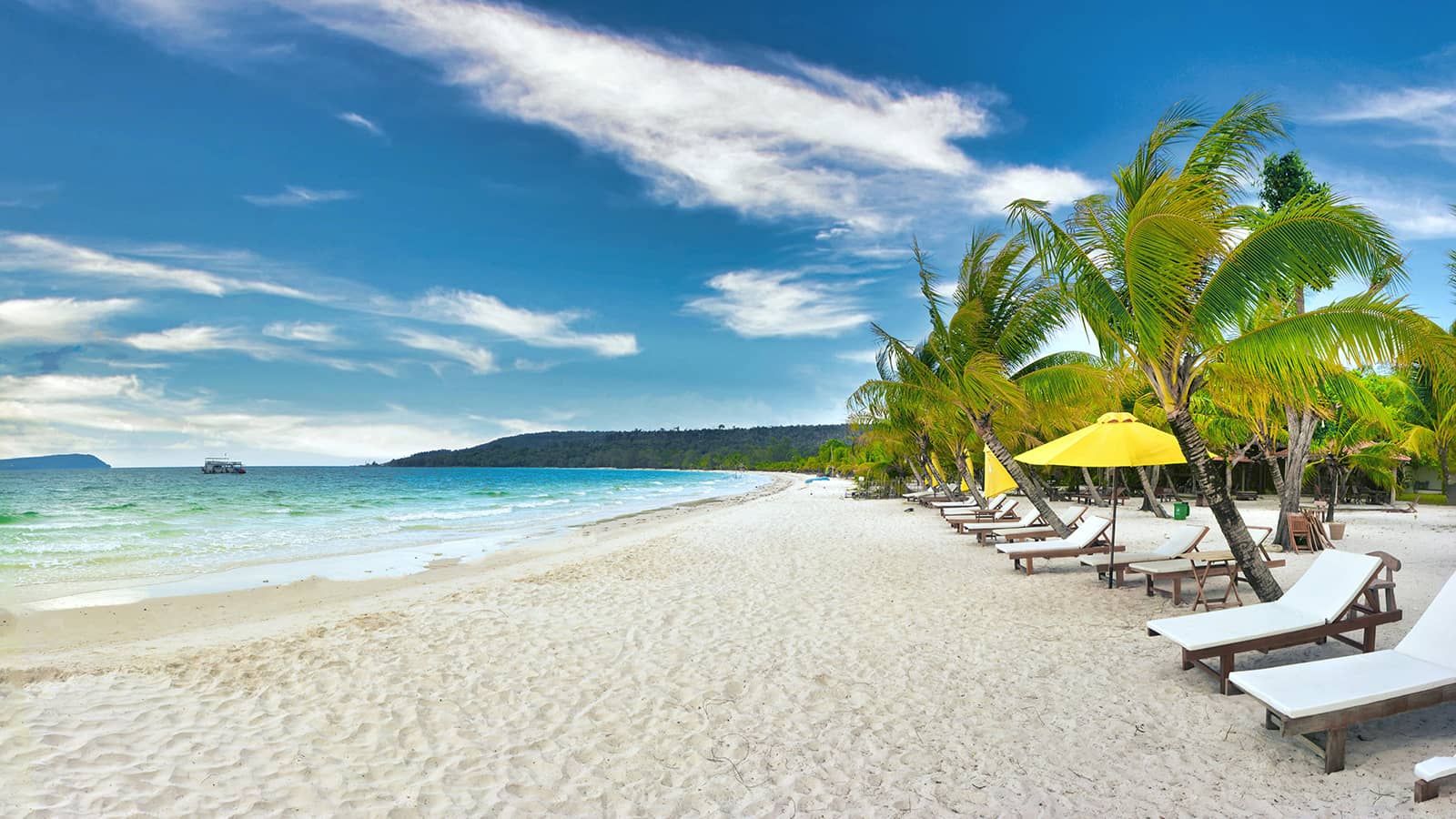
📷 Featured image by Nifty Leather on Unsplash.