On this page
- Tunku Abdul Rahman Marine Park: Five Islands, Five Different Experiences
- Tanjung Aru: The Mainland Sunset Beach
- Nexus Resort & Karambunai: The Long Northern Stretch
- Mengalum Island: For Serious Snorkelers and Divers
- The Tip of Borneo: Kudat’s Dramatic Clifftop Beaches
- Where to Eat at KK’s Beaches
- Snorkeling and Diving: What’s Actually Worth Your Time
- Getting to the Beaches: Ferries, Boats, and Transport in 2026
- Best Time to Visit KK’s Beaches
- Budget Breakdown: What a Beach Day in KK Costs in 2026
- Practical Beach Tips for KK in 2026
- Frequently Asked Questions
💰 Click here to see Malaysia Budget Breakdown
💰 Prices updated: October, 2026. Budget figures are estimates — always verify before travel.
Exchange Rate: $1 USD = RM4.08
Daily Budget (per person)
Shoestring: RM100.00 – RM180.00 ($24.51 – $44.12)
Mid-range: RM250.00 – RM450.00 ($61.27 – $110.29)
Comfortable: RM500.00 – RM1,000.00 ($122.55 – $245.10)
Accommodation (per night)
Hostel/guesthouse: RM30.00 – RM60.00 ($7.35 – $14.71)
Mid-range hotel: RM110.00 – RM200.00 ($26.96 – $49.02)
Food (per meal)
Budget meal: RM15.00 ($3.68)
Mid-range meal: RM35.00 ($8.58)
Upscale meal: RM100.00 ($24.51)
Transport
Single metro/bus trip: RM2.00 ($0.49)
Monthly transport pass: RM50.00 ($12.25)
Planning a beach day in Kota Kinabalu in 2026 involves more logistics than most travel blogs admit. The marine park fees went up again this year, boat schedules to the islands have shifted since the new Jesselton Point terminal upgrades, and a handful of popular snorkeling sites are under temporary coral restoration restrictions. None of that should put you off — KK’s beaches are genuinely among Southeast Asia’s best — but knowing the real situation before you book saves you money and frustration on the ground.
Tunku Abdul Rahman Marine Park: Five Islands, Five Different Experiences
The five islands of Taman Tunku Abdul Rahman sit between 3 and 8 kilometres off the KK waterfront, and the difference between them is significant enough that choosing the right one actually matters.
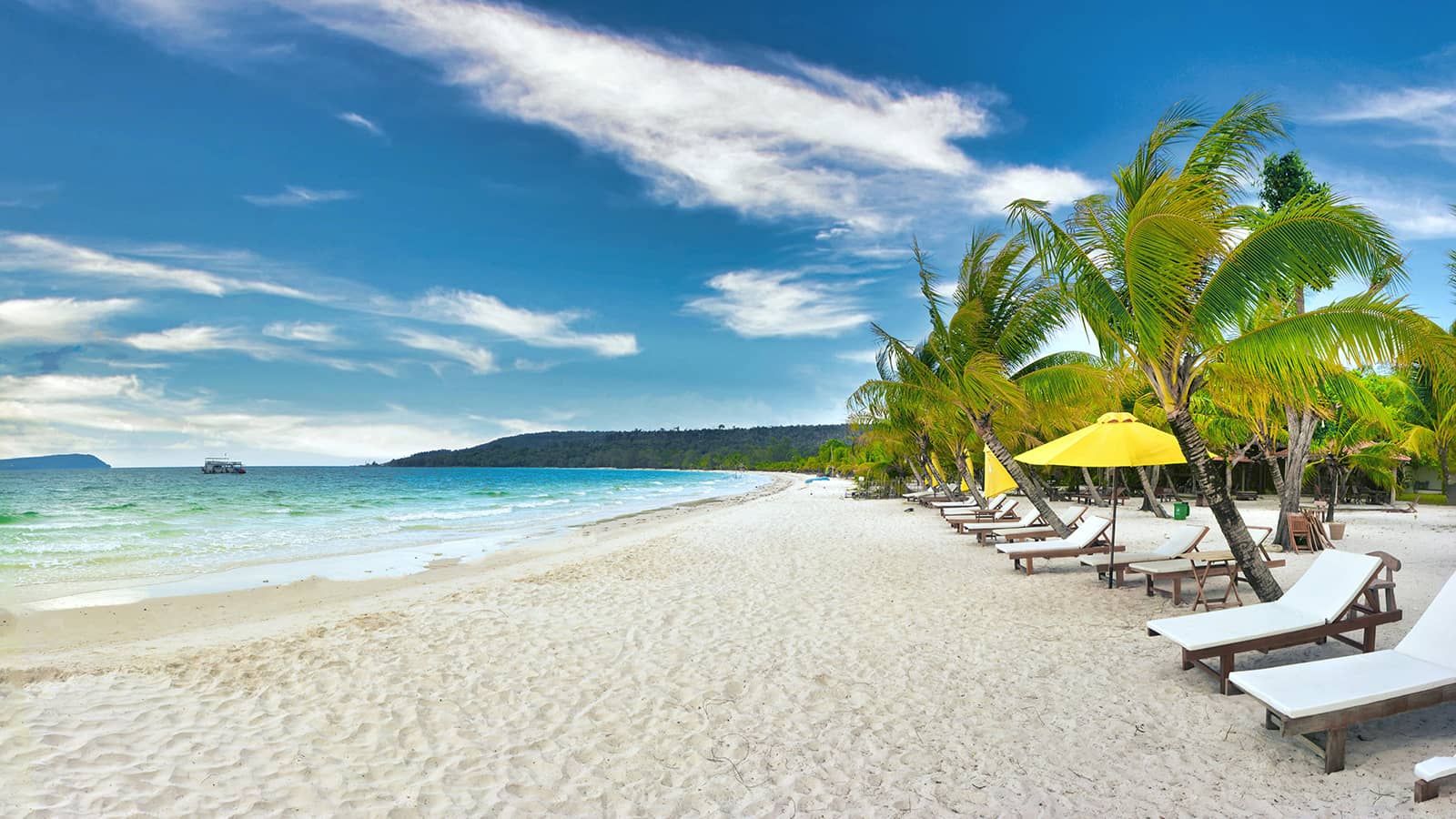
Pulau Sapi is the closest and most visited. The water is clear turquoise, the beach is powdery, and the facilities — changing rooms, food stalls, snorkel rental — are functional without being polished. It gets crowded by 10am on weekends. Arrive on the first boat (around 7:30am from Jesselton Point) if you want the beach to yourself for an hour.
Pulau Manukan is the largest island and the most developed. It has a resort, a swimming pool, chalets, and a proper restaurant. The beach on the western side is excellent for swimming, and the snorkeling around the southern tip is consistently good. Day-trippers are welcome without a resort booking.
Pulau Mamutik is the smallest island and often the quietest. The reef just offshore is in better shape than Sapi’s, making it the better snorkeling pick for casual swimmers who don’t want to go far. The beach itself is narrow but the water is calm.
Pulau Sulug is the least visited — boats go there less frequently and the facilities are minimal. That’s its appeal. If you want to feel like you have a tropical island to yourself on a weekday, this is it.
Pulau Gaya is the largest in the park and the most ecologically complex. Most day boats don’t land on the main beach — they go to Police Beach on the eastern side. The jungle interior has hiking trails that almost nobody uses. The snorkeling at Sapi Gap (between Gaya and Sapi) is the best in the park, with reef sharks and turtles occasionally spotted.
Tanjung Aru: The Mainland Sunset Beach
Tanjung Aru is KK’s local beach — the one where families spread out on weekend evenings, hawker stalls fire up satay and grilled corn, and the entire stretch turns orange-pink during what locals call one of Borneo’s best sunsets. The smell of char and coconut husk smoke from the food stalls drifts across the sand as the sun drops behind the South China Sea — it’s a genuinely atmospheric hour to be here.
The beach runs for about 3 kilometres and is divided into three areas. First Beach is closest to the road, most accessible, and gets the food stall action. Second Beach is quieter and better for a longer walk. Third Beach, near the Shangri-La Tanjung Aru Resort, is where the water is cleanest for swimming.
Don’t come here expecting resort-quality water clarity. Tanjung Aru is a social beach more than a swimming beach — the water near shore is murky by island standards. But as a place to watch the sun go down with a cold drink and a plate of grilled seafood, it’s hard to beat anything in Sabah.
Getting here is straightforward. The KK City Bus Route 16 stops on Jalan Mat Salleh near the beach entrance. A Grab from the city centre costs around MYR 10–15 depending on traffic.
Nexus Resort & Karambunai: The Long Northern Stretch
About 30 kilometres north of the city, Karambunai Beach stretches for nearly 2 kilometres in a long, relatively undisturbed arc. The Nexus Resort anchors the southern end of this beach and manages access to much of it, but the beach itself is technically public land in Malaysia — you can walk in through the resort grounds as a day visitor if you’re respectful about it, or access the northern end via a local road through Kampung Karambunai.
The appeal here is space and calm. There are no hawker stalls, no boat touts, no crowds. The sand is coarser than the islands, the water colour less dramatic, but on a clear morning with the Crocker Range mountains visible inland and no one else around, it feels like a different Malaysia entirely.
The resort itself offers a day pass (check directly for 2026 rates, which were around MYR 100–150 with food and beverage credit included) that gives you access to their pool, beach chairs, and facilities. Worth it if you want comfort without island boat logistics.

Mengalum Island: For Serious Snorkelers and Divers
Mengalum sits roughly 50 kilometres west of KK and requires a dedicated effort to reach — a speedboat ride of 90 minutes to two hours depending on sea conditions. It’s not a day trip option for everyone, and that self-selection process is exactly what keeps it special.
The reef systems around Mengalum are significantly healthier than anything in the marine park closer to KK. Visibility regularly exceeds 15–20 metres on calm days. Bumphead parrotfish, Napoleon wrasse, and reef sharks are common sightings. The island itself has a basic resort offering accommodation, meals, and dive packages — there are no day-trip boat services independently, so you book through a dive operator or the resort directly.
Most KK dive operators run multi-day packages to Mengalum. Expect to pay MYR 800–1,500 for a two-night package including accommodation, meals, and two to three dives per day. It’s a commitment, but the underwater experience justifies it for anyone serious about marine life.
The Tip of Borneo: Kudat’s Dramatic Clifftop Beaches
Technically this is a two-hour drive north of KK rather than a beach in the city itself, but the Tip of Borneo at Tanjung Simpang Mengayau deserves mention in any honest conversation about Sabah’s best coastal scenery. Two oceans — the South China Sea and the Sulu Sea — meet here, and the visual result is a churning, deep-blue meeting of waters beneath dramatic limestone cliffs.
The nearby beaches at Bak-Bak and Pantai Kelambu are the real swimming spots — calmer, sandy, and very lightly visited. Pantai Kelambu in particular is one of those places where you’ll find locals from Kudat town having a weekend picnic but virtually no tourist infrastructure at all.
Getting there without a car is genuinely difficult. The most practical option is renting a car in KK (MYR 150–250 per day in 2026 for a basic sedan) or joining a day tour that’s been offered by several KK operators since 2024. The drive itself is beautiful — paddy fields, proboscis monkey territory around Kota Belud, and the gradual shift to the drier, more open landscapes of Kudat District.
Where to Eat at KK’s Beaches
Food quality varies dramatically depending on which beach you’re at, and knowing where to look saves you both money and disappointment.
At the islands: Pulau Manukan has the best island food — their grilled fish and cold coconut water at the beach-side restaurant are reliable. On Sapi and Mamutik, stick to the packaged snacks and instant noodles at the stalls, or better yet, pack your own. The cooked food at the smaller island stalls is hit-and-miss.

At Tanjung Aru: The hawker stalls at First Beach are the real draw. Uncle Yap’s grilled corn is a landmark in itself — charred, brushed with butter and chilli powder, the kernels smoky and slightly sweet. The seafood stalls further along sell grilled stingray wrapped in banana leaf, grilled squid on skewers, and cold fresh coconut. Prices are KK-local, not tourist-inflated: a full meal costs MYR 15–30 per person.
At Karambunai: Outside the resort, options are limited. The nearest town with food stalls is Menggatal. If you’re heading to Karambunai independently, pack food or plan to eat at the resort.
Back in KK after the islands: The waterfront area around Jesselton Point has several decent seafood restaurants. Welcome Seafood Restaurant on Jalan Haji Saman is consistently good for a post-beach dinner — order the butter prawns and the stir-fried water spinach with belacan.
Snorkeling and Diving: What’s Actually Worth Your Time
The marine park islands offer casual snorkeling accessible to complete beginners. Mamutik and the Sapi Gap channel between Gaya and Sapi are the strongest spots. Rental gear at the island stalls costs around MYR 20–30 for mask, snorkel, and fins.
For anything beyond beginner snorkeling — for reef diversity, fish density, and underwater visibility — you need to go further. Mengalum (as mentioned above) is the serious option. Layang-Layang, the remote atoll roughly 300 kilometres northwest of KK, is world-class for hammerhead sharks and open-ocean diving but requires flying in and is well beyond day-trip territory.
Several reputable operators run trips from KK. Borneo Dream, Scuba Junkie, and Crystal Dive are well-established names that have been operating for over a decade. For marine park snorkeling trips, the boat operators at Jesselton Point are regulated and licensed — look for the Sabah Tourism Board decal on the vessels.
In 2026, new coral restoration markers have been placed at several sites in the marine park — small buoys indicating areas where coral gardening projects are active. Snorkelers and divers are asked not to anchor or stand in these zones. The markers are visible and the boat operators brief passengers before departure.
Getting to the Beaches: Ferries, Boats, and Transport in 2026
The main departure point for the marine park islands is Jesselton Point Ferry Terminal, about 10 minutes’ walk from KK’s city centre. After a renovation completed in late 2025, the terminal is more organised — dedicated lanes for different islands, a covered waiting area, and digital screens showing boat schedules. Boats depart roughly every 30 minutes from 7:30am to 4:00pm, though the last return boat from most islands leaves at 5:00pm.
Return boat tickets to the nearest islands (Sapi, Mamutik, Manukan) cost MYR 30–40 per person through licensed operators. Prices to Sulug and Gaya are slightly higher. The conservation fee is separate (MYR 30 for foreigners, MYR 10 for Malaysians).
For Tanjung Aru, take Grab (MYR 10–15 from the city) or the No. 16 city bus (MYR 1.50). For Karambunai, Grab is your best option unless you rent a car — expect MYR 40–60 each way.
Best Time to Visit KK’s Beaches
Sabah’s weather follows a drier period roughly from March to September, with May, June, and July offering the most consistently calm seas and strong underwater visibility. This is peak season — boats fill up, island beaches get crowded, and accommodation in KK costs more.
October through February brings the northeast monsoon influence, with more frequent rain and choppier seas. Boat trips to the islands still run most days, but rough-water cancellations happen in November and December. If you’re coming purely for beach and snorkeling, avoid those months unless you’re flexible with your schedule.
April is an underrated time — the crowds from Chinese New Year (usually February) have cleared, the seas are calming down from the monsoon, and hotel rates are mid-range. Visibility is improving and the islands aren’t yet at their July peak capacity.
The Sabah Fest cultural festival, held annually in May, adds an interesting layer to a KK trip without crowding the beaches specifically.
Budget Breakdown: What a Beach Day in KK Costs in 2026
Budget Tier (MYR 80–130 per day)
- Return boat to Sapi or Mamutik: MYR 35–40
- Marine park conservation fee: MYR 30
- Snorkel rental: MYR 20–25
- Lunch at island stall: MYR 15–20
- Grab to/from Jesselton Point: MYR 15–20
Mid-Range Tier (MYR 180–280 per day)
- Snorkeling day tour (includes boat, gear, marine park fee, light lunch): MYR 150–200
- Transport: MYR 20–30
- Dinner at Tanjung Aru or waterfront restaurant: MYR 50–80
Comfortable Tier (MYR 400–700+ per day)
- Private speedboat charter to multiple islands: MYR 300–500
- Resort day pass at Nexus Karambunai: MYR 100–150
- Dive trip with equipment: MYR 250–400
- Fine dining dinner: MYR 100–200
Practical Beach Tips for KK in 2026
Reef-safe sunscreen is now effectively mandatory at the marine park. Sabah Parks rangers at Jesselton Point check and confiscate sunscreens containing oxybenzone and octinoxate before you board. Bring a mineral-based product (zinc oxide or titanium dioxide) or buy one at the Guardian pharmacy near the waterfront. Regular SPF 50 mineral sunscreens are available for MYR 25–45.
Jellyfish season around the islands runs approximately November to February. Stings are generally not dangerous but can be uncomfortable. Ask the boat operator about conditions on the day.
Valuables on the islands are best left at your guesthouse or hotel. Locker facilities at the islands are limited. Waterproof phone pouches (sold at the night market in KK for MYR 8–15) are practical.
Water and food. Bring extra drinking water — island stall prices for bottled water range from MYR 3–6 per bottle. Tap water in KK is not recommended for drinking without boiling or filtering.
Tipping is not customary in Malaysia but appreciated at sit-down restaurants. Rounding up or leaving MYR 5–10 on a restaurant bill is plenty. At beach stalls and hawker setups, no tip is expected.
Safety. KK is generally safe for travellers. The eastern Sabah waters (Semporna, Sandakan direction) have had historical advisories for kidnapping risk — this doesn’t apply to the Tunku Abdul Rahman Marine Park, which is directly off KK’s western coast and has never had such incidents.
Frequently Asked Questions
Which island near Kota Kinabalu is best for snorkeling?
Pulau Mamutik has the best reef of the closest islands, with calm shallow water suitable for beginners. For more serious snorkeling with better visibility and fish diversity, the Sapi Gap between Pulau Gaya and Pulau Sapi is the top choice within the marine park. Mengalum Island, further out, is the best overall but requires a dedicated trip.
How do I get to the islands from Kota Kinabalu city centre?
Walk or take a short Grab ride to Jesselton Point Ferry Terminal, about 10 minutes from the city centre. Buy your boat ticket and conservation pass at the counters there. Boats depart regularly from 7:30am. The whole process from arrival at the terminal to boarding takes about 20–30 minutes if you arrive with the paperwork sorted.
Is Tanjung Aru Beach good for swimming?
It’s decent for a casual splash but the water clarity near shore doesn’t compare to the islands. The main appeal of Tanjung Aru is the sunset atmosphere, the hawker food, and the long stretch for walking. Third Beach, near the Shangri-La resort end, has cleaner water than the central section closer to the hawker stalls.
What is the marine park fee in Kota Kinabalu in 2026?
In 2026, the Sabah Parks conservation fee is MYR 30 for foreign visitors and MYR 10 for Malaysian citizens. This is separate from your boat ticket. You pay it at the Jesselton Point terminal before boarding. Children under 6 are generally exempt — confirm current rates at the Sabah Parks counter on the day.
When should I avoid visiting KK’s beaches?
November through January brings the northeast monsoon with rougher seas and frequent boat cancellations to the islands. Rain is more likely and underwater visibility drops significantly. Unless you’re flexible about rescheduling, these months carry more risk of losing a planned beach day. March to September is the reliably good window.