On this page
- April’s Weather Patterns Across Malaysia’s Regions
- What to Pack for Malaysia’s April Heat and Humidity
- Timing Your Activities Around April’s Climate
- Regional Destinations for April Travel
- Health and Comfort Strategies for April Travel
- Budget Considerations for April Weather
- Frequently Asked Questions
April sits squarely in Malaysia’s hot season, bringing intense tropical heat and rising humidity that catches many travelers off guard. While this month offers fewer crowds and lower accommodation rates before the peak tourist season, the climate demands specific preparation and smart travel strategies to stay comfortable.
April’s Weather Patterns Across Malaysia’s Regions
April marks the transition period between Malaysia’s northeast monsoon season and the southwest monsoon, creating distinct weather patterns across the country. Temperatures typically range from 24°C to 33°C, with humidity levels climbing above 80% throughout most regions.
Peninsular Malaysia experiences its driest period in April, with minimal rainfall on the west coast. Kuala Lumpur averages only 6-8 rainy days during the month, making it ideal for city exploration despite the heat. The east coast, including Terengganu and Kelantan, sees similarly dry conditions with intense sunshine that can feel overwhelming by midday.
East Malaysia tells a different story. Sabah and Sarawak enter their wet season transition, experiencing afternoon thunderstorms and higher humidity. Kota Kinabalu typically records 12-15 rainy days in April, though most rainfall occurs in short, intense bursts during late afternoon or evening hours.
The heat intensifies throughout the month, with the hottest days usually occurring in the final week of April. Urban areas like Kuala Lumpur and George Town experience the heat island effect, pushing daytime temperatures several degrees higher than surrounding rural areas.
What to Pack for Malaysia’s April Heat and Humidity
Packing for Malaysia’s April climate requires prioritizing breathability and sun protection over style. The combination of heat and humidity means your clothes will likely feel damp within minutes of stepping outside air-conditioned spaces.
Choose lightweight, loose-fitting clothing made from natural fibers like cotton or linen. Synthetic materials trap heat and moisture, making you feel sticky and uncomfortable. Pack at least twice as many shirts as you normally would—you’ll want to change frequently, especially during midday activities.

Sun protection becomes critical in April’s intense UV conditions. A wide-brimmed hat protects your face and neck, while UV-blocking sunglasses reduce glare from concrete and water surfaces. Sunscreen with SPF 30 or higher requires reapplication every two hours, particularly after sweating or swimming.
Your footwear needs to handle both heat and sudden downpours. Closed shoes become unbearably hot, while flip-flops offer no support for walking on hot pavement. Breathable walking sandals with good grip work best for most situations. Pack a light rain jacket or compact umbrella—April’s afternoon storms arrive quickly and intensely.
Electronics require extra protection from humidity and heat. Store cameras and phones in sealed bags when transitioning between air-conditioned spaces and outdoor heat to prevent condensation damage. Portable battery packs drain faster in high temperatures, so bring backup power sources.
Timing Your Activities Around April’s Climate
April’s heat demands strategic timing to maximize comfort and minimize sun exposure. The golden rule involves scheduling outdoor activities during the cooler bookends of each day while retreating to air-conditioned spaces during peak heat hours.
Early morning offers the most pleasant outdoor conditions, with temperatures around 25-27°C and slightly lower humidity. Plan temple visits, nature walks, and photography sessions between 6:00 AM and 9:00 AM. Many hawker stalls and wet markets operate during these hours, allowing you to experience local food culture in comfortable conditions.
The period from 11:00 AM to 4:00 PM brings punishing heat that makes outdoor sightseeing genuinely unpleasant. Use these hours for indoor attractions like museums, shopping malls, spa treatments, or afternoon rest periods in your accommodation. The aromatic spice-laden air of covered markets like Kuala Lumpur’s Central Market becomes a refuge during these peak heat hours.

Late afternoon and evening hours from 5:00 PM onward offer renewed opportunities for outdoor exploration. Sunset timing around 7:30 PM provides beautiful golden hour lighting for photography, while night markets come alive as temperatures drop to more tolerable levels.
Beach activities require particular timing consideration. Morning beach visits avoid the strongest UV radiation, while evening sessions coincide with spectacular sunsets. Midday beach time demands constant shade-seeking and frequent hydration breaks.
Regional Destinations for April Travel
Highland destinations provide natural relief from April’s oppressive heat. The Cameron Highlands maintain temperatures 8-10°C cooler than coastal areas, making them perfect for hiking and outdoor activities that would be unbearable elsewhere. Genting Highlands offers similar temperature relief plus indoor entertainment options.
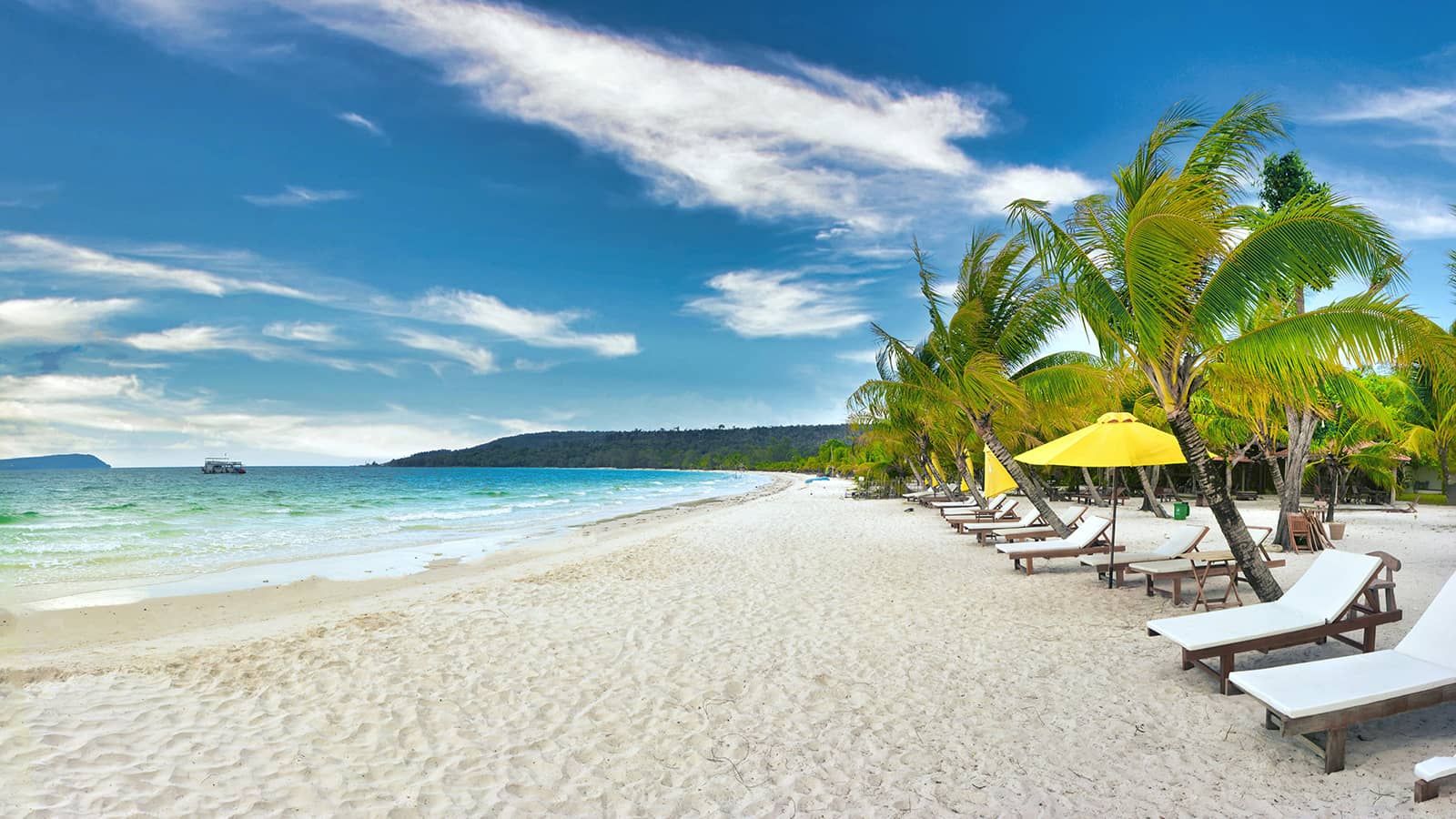
Coastal areas excel for water-based activities but require careful timing. Langkawi’s beaches remain accessible throughout April, with crystal-clear waters perfect for snorkeling and diving. The tingling sea spray provides natural cooling as you explore island beaches, though midday sun exposure requires vigilant protection.
Urban destinations like Kuala Lumpur and George Town offer extensive air-conditioned infrastructure but intensify heat through concrete absorption. These cities work best for travelers comfortable moving between indoor attractions, shopping centers, and covered food courts during peak heat hours.
East coast destinations like Cherating and Kuantan experience some of their driest, sunniest weather in April. While this eliminates rain concerns, the intense sunshine makes beach activities challenging without proper preparation and timing.
Borneo’s destinations in Sabah and Sarawak see more variable weather in April, with afternoon storms providing cooling relief but limiting outdoor adventure activities. Mount Kinabalu’s higher elevations offer cooler temperatures for trekking enthusiasts willing to handle occasional rainfall.

Health and Comfort Strategies for April Travel
Malaysia’s April heat and humidity pose genuine health risks that require proactive management. Understanding these challenges and implementing prevention strategies ensures your trip remains enjoyable rather than becoming a survival exercise.
Dehydration develops rapidly in April’s conditions, often before you realize you’re thirsty. Drink water continuously throughout the day, aiming for clear or very light yellow urine as your hydration indicator. Avoid alcohol during daytime hours—it accelerates dehydration and impairs your body’s heat regulation.
Heat exhaustion symptoms include dizziness, nausea, excessive sweating, and fatigue. Recognize these early warning signs and immediately move to air-conditioned spaces, remove excess clothing, and consume cool fluids. The transition from air-conditioning to outdoor heat can trigger these symptoms within minutes.
Your accommodation choice significantly impacts comfort levels. Hotels and guesthouses with reliable air-conditioning become essential rather than luxury items in April. Budget accommodations with only fans often prove unbearable during the hottest parts of the day.
Skin care requires extra attention in April’s harsh conditions. The combination of sun, sweat, and humidity can trigger rashes, sunburn, and fungal infections. Shower frequently, use antifungal powder in problem areas, and apply moisturizer to prevent skin cracking from air-conditioning exposure.
Budget Considerations for April Weather
April’s climate significantly impacts travel costs, with both savings opportunities and unexpected expenses that affect your overall budget planning for 2026.
Accommodation rates drop substantially in April as demand decreases before peak season. Budget guesthouses with air-conditioning average MYR 40-60 per night, compared to MYR 80-120 during cooler months. Mid-range hotels offer rooms for MYR 120-200, while comfortable resorts average MYR 250-400 per night.
Transportation costs vary by mode and timing. Air-conditioned buses and trains command premium prices during hot weather, with Kuala Lumpur to Penang bus fares ranging from MYR 35-55. Grab rides become more expensive during peak heat hours as demand surges for air-conditioned transport.

Food and beverage expenses increase significantly due to higher consumption needs. Budget an additional MYR 15-25 per day for extra drinks, cold treats, and dining in air-conditioned restaurants rather than outdoor food courts. A simple coconut water costs MYR 3-5, while fresh fruit juices range from MYR 4-8.
Activity costs shift toward indoor attractions and experiences. Museum entries average MYR 5-15, shopping mall entertainment centers charge MYR 20-40, and spa treatments range from MYR 80-200. These indoor alternatives often cost more than outdoor sightseeing but provide necessary heat relief.
Health and comfort items add unexpected expenses. Sunscreen, cooling towels, electrolyte supplements, and extra clothing changes can add MYR 50-100 to your packing list. Quality sunscreen alone costs MYR 25-40 for travel-sized bottles.
Frequently Asked Questions
Is April a bad time to visit Malaysia?
April offers advantages like fewer crowds and lower prices, but requires preparation for intense heat and humidity. Choose destinations and activities strategically, prioritize early morning and evening timing, and budget for air-conditioning to stay comfortable.
What’s the average temperature in Malaysia during April?
April temperatures range from 24°C to 33°C across Malaysia, with humidity levels above 80%. Highland areas like Cameron Highlands stay 8-10°C cooler, while urban areas feel hotter due to concrete heat absorption.
Does it rain much in Malaysia in April?
Peninsular Malaysia experiences minimal rainfall in April, with only 6-8 rainy days monthly. East Malaysia sees more frequent afternoon storms, particularly in Sabah and Sarawak, though most rain occurs in short, intense bursts.
What should I pack for Malaysia in April?
Pack lightweight cotton clothing, wide-brimmed hat, strong sunscreen, breathable walking sandals, cooling towels, and rain protection. Bring twice as many shirts as usual since you’ll change frequently due to sweating and humidity.
How do I stay cool while exploring Malaysia in April?
Schedule outdoor activities for early morning (6-9 AM) and evening (after 5 PM), seek air-conditioned spaces during peak heat, drink water continuously, and use cooling accessories like wet towels around your neck for instant relief.
Explore more
Your April 2026 Guide to Malaysia’s Urban Adventures and Tropical Escapes
Staying Cool in Malaysia: Your April 2026 Travel Guide
Malaysia in April: Discovering the Best of the East Coast Islands
📷 Featured image by Kelvin Zyteng on Unsplash.