On this page
- Hidden Peninsular Malaysia: States Beyond the Capital’s Shadow
- East Malaysia Adventures: Borneo’s Wild Heart
- Adventure Sports Across Regional Malaysia
- Cultural Immersion in Traditional Villages
- Malaysia’s Regional Food Trail: Flavours Beyond KL
- Budget Planning for Regional Malaysia Adventures
- Getting Around Malaysia
- Frequently Asked Questions
💰 Click here to see Malaysia Budget Breakdown
💰 Prices updated: October, 2026. Budget figures are estimates — always verify before travel.
Exchange Rate: $1 USD = RM4.08
Daily Budget (per person)
Shoestring: RM100.00 – RM180.00 ($24.51 – $44.12)
Mid-range: RM250.00 – RM450.00 ($61.27 – $110.29)
Comfortable: RM500.00 – RM1,000.00 ($122.55 – $245.10)
Accommodation (per night)
Hostel/guesthouse: RM30.00 – RM60.00 ($7.35 – $14.71)
Mid-range hotel: RM110.00 – RM200.00 ($26.96 – $49.02)
Food (per meal)
Budget meal: RM15.00 ($3.68)
Mid-range meal: RM35.00 ($8.58)
Upscale meal: RM100.00 ($24.51)
Transport
Single metro/bus trip: RM2.00 ($0.49)
Monthly transport pass: RM50.00 ($12.25)
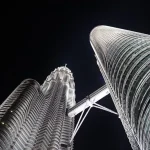
Kuala Lumpur’s gleaming towers and bustling streets offer just a glimpse of Malaysia’s diversity. In 2026, improved interstate transportation and new eco-tourism initiatives have made exploring beyond the capital easier than ever. While KL captivates first-time visitors, Malaysia’s true magic lies in its regional adventures — from Sarawak’s Ancient rainforests to Kelantan’s traditional crafts villages, each state offers experiences impossible to find elsewhere.
Hidden Peninsular Malaysia: States Beyond the Capital’s Shadow
Peninsular Malaysia’s eleven states each harbour distinct personalities shaped by geography, history, and culture. Pahang, the peninsula’s largest state, stretches from Cameron Highlands’ misty tea plantations down to Tioman Island’s crystal waters. The contrast hits you immediately — stepping off the bus in Tanah Rata at 1,500 metres elevation, the cool mountain air carries scents of strawberry farms and eucalyptus, a world away from tropical humidity.
Kelantan preserves Malaysia’s most traditional Malay culture. In Kota Bharu, morning markets buzz with vendors speaking Kelantanese dialect while selling local specialties like ayam percik and keropok lekor. The state’s silverwork and batik traditions remain alive in villages like Kampung Kraftangan, where artisans demonstrate techniques passed down through generations.
Terengganu’s coastline offers 244 kilometres of beaches, but Redang and Perhentian Islands steal attention for good reason. Between March and October, these islands provide Malaysia’s clearest waters for snorkelling and diving. The recently expanded ferry services from Kuala Besut and Merang have improved access significantly since 2024.
Johor’s southern position creates unique attractions. Desaru Coast has evolved into a major resort destination, while Kluang’s coffee culture and Muar’s riverine charm offer quieter alternatives to Singapore’s urban intensity.
East Malaysia Adventures: Borneo’s Wild Heart
Sabah and Sarawak occupy the northern third of Borneo island, containing some of Southeast Asia’s most pristine wilderness. These states feel like different countries compared to Peninsular Malaysia — the scale, wildlife, and indigenous cultures create adventures impossible elsewhere in the region.

Mount Kinabalu dominates Sabah’s landscape, its 4,095-metre summit attracting climbers worldwide. The two-day ascent through multiple climate zones reveals Borneo’s biodiversity — from dipterocarp forests at the base to alpine meadows near Low’s Peak. The experience of watching sunrise from Malaysia’s highest point, surrounded by clouds stretching to the Philippines, justifies the challenging climb and MYR 400+ permit fees.
Sarawak’s Mulu National Park protects 52,000 hectares of pristine rainforest and the world’s largest cave chambers. The Deer Cave’s evening bat exodus — over 3 million bats spiralling into the sunset sky — ranks among nature’s most spectacular displays. Walking through these caverns, the echo of your footsteps and the musty, earthy smell of centuries-old limestone create an otherworldly atmosphere.
Sepilok Orangutan Rehabilitation Centre in Sabah provides close encounters with Asia’s great apes. Watching young orangutans swing through the canopy during feeding time offers powerful reminders of conservation’s importance. The nearby Bornean Sun Bear Conservation Centre adds another layer to wildlife experiences.
Long-established longhouses along Sarawak’s rivers welcome overnight visitors. Staying in Iban communities like those near Betong involves sleeping on raised platforms, sharing meals of jungle vegetables and river fish, and learning about traditional crafts and beliefs from elders who maintain ancestral knowledge.
Adventure Sports Across Regional Malaysia
Malaysia’s diverse geography creates natural playgrounds for outdoor enthusiasts. Each region offers distinct adventure opportunities shaped by local terrain and climate patterns.
Whitewater rafting reaches its peak on Pahang’s Pahang River and Sabah’s Kiulu River. The Pahang’s Class III-IV rapids challenge experienced rafters, while Kiulu’s gentler Class I-II waters suit families and beginners. Sabah’s rafting season runs year-round, unlike Pahang’s March-September window.

Rock climbing enthusiasts head to Langkawi’s limestone cliffs or Batu Caves’ challenging overhangs. Langkawi’s coastal climbing combines sea views with technical routes, while indoor gyms in Ipoh and Kuching provide year-round training options with equipment rental.
Jungle trekking varies dramatically by location. Taman Negara’s ancient rainforest offers multi-day expeditions with river crossings and canopy walks. The 40-metre-high walkway system sways gently underfoot while hornbills call from surrounding trees. Contrast this with Cameron Highlands’ mossy forest trails, where temperatures rarely exceed 25°C and mist creates mystical walking conditions.
Diving and snorkelling peak around Sipadan, repeatedly voted among the world’s top dive sites. This volcanic island’s drop-off walls attract massive schools of barracuda, hammerhead sharks, and sea turtles. Advanced certification and strict daily visitor limits (120 divers) make Sipadan exclusive but unforgettable.
Seasonal Considerations for Adventure Sports
Monsoon seasons significantly impact outdoor activities. East coast adventures work best March through October, while west coast activities continue year-round with occasional afternoon downpours. Borneo’s equatorial climate means adventure sports operate continuously, though river levels fluctuate based on rainfall.
Cultural Immersion in Traditional Villages
Authentic cultural experiences happen in villages where traditional lifestyles persist alongside modern conveniences. These communities offer insights into Malaysia’s diverse heritage through hands-on participation rather than passive observation.
Malacca’s Kampung Morten preserves traditional Malay architecture and customs within the historic city. Staying in century-old wooden houses with intricate carvings and learning traditional cooking techniques provides intimate cultural exchange. The village’s position along the Malacca River creates a peaceful setting despite urban proximity.
Sarawak’s cultural villages represent the state’s ethnic diversity through living museums where Iban, Bidayuh, Orang Ulu, and other indigenous groups demonstrate traditional crafts, music, and dances. Participating in sape (traditional guitar) lessons or learning to weave pandan baskets creates lasting memories and cultural understanding.

Chinese heritage villages in Perak and Selangor maintain dialects, architecture, and customs from specific mainland Chinese regions. Taiping’s old town preserves Hakka traditions, while Kuala Selangor’s fishing villages showcase Hokkien maritime culture through boat-building techniques and seafood preparation methods.
Indian heritage appears strongest in plantation areas where Tamil communities maintain temples, classical arts, and festival traditions. Batu Caves’ annual Thaipusam procession draws hundreds of thousands, but smaller temple festivals throughout the year offer more intimate cultural participation.
Malaysia’s Regional Food Trail: Flavours Beyond KL
Regional Malaysian cuisine reflects local ingredients, cultural influences, and cooking traditions that vary dramatically across states. Food adventures beyond KL reveal flavours unavailable in the capital’s cosmopolitan food scene.
Penang’s hawker culture reaches legendary status for good reason. Air Itam’s assam laksa, with its tangy fish broth and fresh mint garnish, creates an explosion of sweet, sour, and umami flavours that define the island’s culinary identity. Georgetown’s char kway teow, wok-fried over fierce flames until slightly charred, delivers smokiness impossible to replicate elsewhere.
Sarawak’s cuisine incorporates jungle ingredients and indigenous techniques. Sibu’s kampua mee features bouncy noodles tossed with lard and dark soy, while Kuching’s sarawak laksa combines coconut milk, galangal, and fresh prawns for a completely different interpretation than Penang’s version. The state’s pepper farms produce some of the world’s finest black pepper, transforming simple stir-fries into aromatic masterpieces.
Kelantan’s traditional Malay cuisine emphasizes fresh herbs, coconut milk, and palm sugar. Nasi kerabu’s blue rice (coloured with butterfly pea flowers) pairs with fresh ulam (herb salad) and spicy budu (fermented anchovy sauce). Local markets in Kota Bharu offer the freshest ingredients and most authentic preparations.
Johor’s proximity to Singapore creates unique fusion dishes. Mee rebus Johor features thick, spicy gravy unlike versions elsewhere in Malaysia. The state’s Pontian district produces exceptional wonton noodles, while coastal areas specialize in fresh seafood preparations influenced by both Malay and Chinese techniques.

Budget Planning for Regional Malaysia Adventures
Regional travel costs vary significantly based on destination remoteness, accommodation choices, and activity types. Understanding 2026 price ranges helps plan realistic budgets for different travel styles.
Budget Traveller (MYR 80-120 daily)
Hostels and budget guesthouses: MYR 25-45 per night. Local bus transportation: MYR 15-40 between states. Hawker food and local restaurants: MYR 8-15 per meal. Basic activity costs: MYR 20-50 for park entries, simple treks, or cultural site visits.
Mid-Range Traveller (MYR 200-350 daily)
Three-star hotels and quality guesthouses: MYR 80-150 per night. Express bus or train travel: MYR 30-80 between destinations. Restaurant meals and occasional fine dining: MYR 25-60 per meal. Guided tours and moderate activities: MYR 100-250 for day trips, adventure sports, or cultural experiences.
Comfortable Traveller (MYR 500+ daily)
Resort accommodation and luxury hotels: MYR 300-800+ per night. Private transport or domestic flights: MYR 150-400 between destinations. Fine dining and resort meals: MYR 80-200+ per meal. Premium experiences: MYR 400-1,000+ for multi-day treks, exclusive wildlife tours, or luxury cultural programs.
Getting Around Malaysia
Malaysia’s transportation infrastructure improvements since 2024 have significantly enhanced regional connectivity. The electric train service (ETS) now connects KL to Johor Bahru via a southern extension completed in late 2025, cutting travel time to under 4 hours. Northern ETS routes to Penang operate with improved frequency — departures every 2-3 hours during peak periods.
Express bus networks remain the most flexible option for reaching smaller destinations. Companies like Transnasional and KKKL Express operate modern, air-conditioned coaches with Wi-Fi and power outlets. Online booking through platforms like BusOnlineTicket.com allows advance reservations, crucial during Malaysian school holidays and festival periods.

Domestic flights connect major regional hubs efficiently. Malaysia Airlines, AirAsia, and Firefly serve routes between KL and Kota Kinabalu, Kuching, Kota Bharu, and other regional airports. Budget carriers frequently offer promotional fares below MYR 200 for advance bookings, sometimes cheaper than express bus tickets for longer routes.
Car rental provides maximum flexibility for exploring rural areas and multiple destinations. Malaysian highways are well-maintained and signposted in multiple languages, though toll charges add MYR 50-100+ for longer journeys. Sabah and Sarawak require separate consideration due to limited overland connections, with flying remaining the primary option from Peninsular Malaysia.
Frequently Asked Questions
How long should I budget for a comprehensive regional Malaysia trip?
Allow minimum 2-3 weeks to experience both Peninsular and East Malaysia meaningfully. This includes 7-10 days for Peninsular states, 10-14 days for Sabah and Sarawak, plus travel time. Shorter trips of 7-10 days can cover either Peninsular OR East Malaysia thoroughly.
What’s the best time to visit different regions of Malaysia?
March-October suits east coast Peninsula and islands. West coast and Borneo work year-round, though November-February brings heavy rains. Cameron Highlands and hill stations remain pleasant throughout the year due to elevation and cooler temperatures.
Do I need special permits or vaccinations for regional travel?
No special permits required for domestic travel. Yellow fever vaccination needed only if arriving from infected countries. Consider Japanese encephalitis vaccination for extensive rural/jungle travel. Malaria prophylaxis recommended for remote Borneo areas — consult travel medicine clinic.
How reliable is internet connectivity in rural Malaysia?
4G coverage reaches most populated areas including small towns. Rural areas and jungle locations have spotty or no connectivity. Purchase local SIM cards from Maxis, Celcom, or Digi for best coverage. Many accommodations offer Wi-Fi, though speeds vary significantly.
Can I use credit cards throughout regional Malaysia?
Major towns and tourist areas accept credit cards widely. Rural areas, small villages, hawker stalls, and local transport often require cash. ATMs available in all state capitals and most district centers. Carry sufficient ringgit cash for rural excursions and local food experiences.
Explore more
Best Islands in Malaysia: Your Ultimate Guide to Tropical Paradise
Malaysia’s Secret Spots: Explore Untouched Regions Beyond The Crowds
Go Beyond Kuala Lumpur: Discover Malaysia’s Best Off-the-Beaten-Path Destinations