On this page
- Why Penang Still Surprises First-Timers in 2026
- George Town: The Heritage Core You’ll Keep Returning To
- Street Art, Murals & the Living Canvas of George Town
- Penang’s Best Beaches: Beyond Batu Ferringhi
- Where to Eat in Penang: Hawker Centres, Kopitiams & Night Markets
- Hill, Temple & Nature Experiences Worth the Effort
- Getting Around Penang in 2026
- Day Trips from Penang
- Penang After Dark: Night Markets, Rooftop Bars & Live Music
- Shopping in Penang: Batik, Antiques & Local Finds
- Where to Stay in Penang by Budget
- Best Time to Visit Penang
- Practical Tips for Penang in 2026
- 2026 Budget Breakdown for Penang
- Frequently Asked Questions
💰 Click here to see Malaysia Budget Breakdown
💰 Prices updated: August, 2026. Budget figures are estimates — always verify before travel.
Exchange Rate: $1 USD = RM4.03
Daily Budget (per person)
Shoestring: RM100.00 – RM200.00 ($24.81 – $49.63)
Mid-range: RM180.00 – RM400.00 ($44.67 – $99.26)
Comfortable: RM450.00 – RM1,300.00 ($111.66 – $322.58)
Accommodation (per night)
Hostel/guesthouse: RM20.00 – RM70.00 ($4.96 – $17.37)
Mid-range hotel: RM100.00 – RM350.00 ($24.81 – $86.85)
Food (per meal)
Budget meal: RM15.00 ($3.72)
Mid-range meal: RM35.00 ($8.68)
Upscale meal: RM100.00 ($24.81)
Transport
Single metro/bus trip: RM2.00 ($0.50)
Monthly transport pass: RM150.00 ($37.22)
Penang in 2026 is simultaneously easier and harder to navigate than ever. Easier, because the Rapid Penang bus network has been significantly upgraded and the George Town ferry terminal is more tourist-friendly. Harder, because the island’s rising profile — and the Instagram crowd that follows it — means popular spots get genuinely crowded before 9am on weekends. This guide cuts through the noise to help you spend your time on what actually matters, whether you have two days or two weeks.
Why Penang Still Surprises First-Timers in 2026
Most people arrive expecting street art and laksa. What they don’t expect is the layered complexity of an island that packs Malay kampung life, Chinese clan houses, Little India, colonial architecture, fishing villages, and hill jungle into a space roughly 293 square kilometres. Penang isn’t a theme park version of Malaysian culture — it’s the real thing, still functioning, still lived in.
George Town’s historic core became a UNESCO World Heritage Site in 2008, but the city hasn’t turned into a museum. Shophouses that were derelict in 2010 are now boutique hotels, but the row next door still has a grandmother making ang ku kuih on a charcoal stove. That tension between preservation and daily life is what gives Penang its energy. The salt air off the strait, the clatter of temple drums mixing with Tamil film music from a provision shop — you feel like something real is happening around you at all times.
In 2026, Penang is also increasingly well-connected. Firefly and AirAsia now operate direct routes from several secondary Malaysian cities, and the Penang International Airport upgrade completed in late 2025 has reduced congestion significantly. Getting here is no longer the logistical headache it once was for travellers coming from East Malaysia or Singapore.
George Town: The Heritage Core You’ll Keep Returning To
George Town is the reason most people come to Penang, and it consistently delivers. The UNESCO zone covers roughly 109 hectares and holds the largest collection of pre-war shophouses in Southeast Asia. Walking it feels like flipping through an architecture textbook — Art Deco facades, Straits Eclectic ornament, Moorish arches, and pure southern Chinese shophouse vernacular all within a few streets of each other.

Start at Fort Cornwallis, the largest standing fort in Malaysia, built by the British East India Company in the 1780s. It’s not a dramatic ruin — it’s well-maintained and the grounds are pleasant in the early morning before heat sets in. From there, walk south along the Esplanade and you’re immediately into the civic heart of colonial George Town: the town hall, city hall, and the padang in between.
The clan jetties along Weld Quay are genuinely worth your time. Six wooden jetty villages extend over the water, each historically occupied by a different Chinese clan — Chew, Ong, Lee, Tan, Lim, and Mixed. The Chew Jetty is the largest and most visited, but walk to the end and you’ll find families still living the way their grandparents did, with laundry strung between houses and fishing boats tied at the back.
Khoo Kongsi, the ornate clan house on Cannon Square, is one of the finest in all of Malaysia. The main hall’s gilded carvings, painted murals, and dragon-wrapped columns take real craftsmanship to appreciate. Entry is MYR 15 in 2026. Give it at least 45 minutes.
The Armenian Street corridor — Lebuh Armenian, Lebuh Cannon, and the surrounding lanes — is where you’ll find the densest concentration of restored heritage buildings, boutique cafés, and street art. It can feel crowded by 10am on weekends. Come before 8:30am or after 5pm for a completely different experience.
Street Art, Murals & the Living Canvas of George Town

Penang’s street art scene started with Lithuanian artist Ernest Zacharevic’s iron rod sculptures and wall murals commissioned in 2012. By 2026, the city has expanded far beyond his original works into a genuinely diverse urban art landscape covering dozens of walls, lanes, and unexpected corners.
Zacharevic’s originals — Children on Bicycle, Little Children on a Chair, Boy on Motorbike — remain the most photographed and are worth seeing, but they’re always busy. The real pleasure now is in hunting the newer murals that don’t appear in every listicle. The lane beside the 1881 Chung Keng Quee clan association building has a long mural sequence that most tourists walk past entirely.
The Hin Bus Depot on Jalan Gurdwara is Penang’s most important arts hub in 2026. What started as a creative cluster in a converted 1930s bus depot has matured into a proper arts precinct with galleries, rotating exhibitions, a weekend market, independent food stalls, and artist studios. It’s free to enter, and the quality of work shown here — painting, sculpture, ceramics, installation — is consistently strong. Check their Instagram or website before visiting to catch any special exhibitions.
Straits Quay in Tanjung Tokong has a smaller but growing public art installation programme along its waterfront boardwalk, worth combining with an afternoon at the nearby Sri Thandayuthapani Temple complex.
Penang’s Best Beaches: Beyond Batu Ferringhi
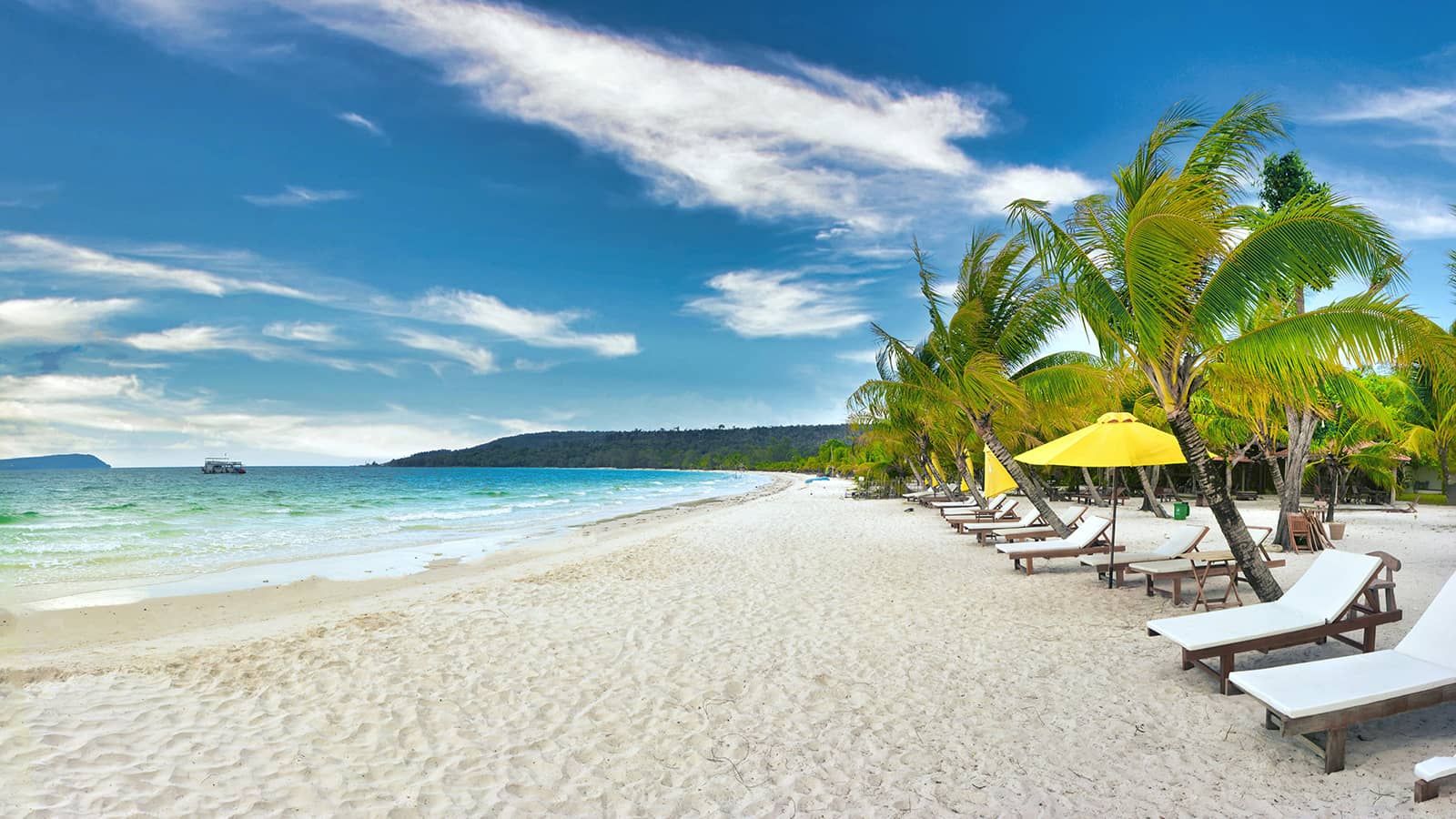
Batu Ferringhi is Penang’s most famous beach strip and the most convenient for visitors staying in George Town — about 25 minutes by Grab. The beach itself is decent: clean enough, with calm water most of the year. The stretch of resort hotels, beach bars, and the famous night market makes it genuinely lively in the evenings. But it’s not the island’s best beach.

For cleaner water and fewer crowds, head to Pantai Kerachut, accessible via the Penang National Park. This is the northwest corner of the island, and reaching it requires a 2.5-kilometre jungle trek through primary rainforest or a short boat ride from Pantai Merambong. The beach is pristine white sand, protected, and home to a green turtle nesting site. No food stalls, no vendors — bring water and snacks. The trek through the park costs nothing beyond the MYR 5 park entry fee.
Teluk Bahang, at the western end of the north coast road, has a working fishing village atmosphere and a sheltered bay that’s particularly calm for swimming from March to October. It’s also the gateway to the national park and within walking distance of the Entopia butterfly farm (formerly Penang Butterfly Farm, rebranded 2023) if you’re travelling with children.
Monkey Beach — properly called Pantai Kerachut’s neighbour, Teluk Duyung — is accessible from Pantai Kerachut or by boat from Teluk Bahang. It gets its name from the long-tailed macaques that gather at the shoreline. Bring sealed food containers; these macaques are bold.
On the south coast, Gertak Sanggul is a quiet fishing village beach that almost no tourists visit. The water is murky compared to the north coast, but the atmosphere — fishing boats, mangroves, a handful of seafood restaurants — is genuinely local. Take Rapid Penang Bus 401 from Komtar.
Where to Eat in Penang: Hawker Centres, Kopitiams & Night Markets
Penang’s food reputation is fully deserved, and the best of it happens at hawker centres, old kopitiams, and market stalls — not restaurants. The trick is knowing which ones.

New Lane Hawker Centre (Lorong Baru) on Jalan Macalister is one of the most consistent evening hawker centres in the city. It fills up completely by 7pm. Arrive at 6pm, secure a table, and order progressively as vendors set up around you. The char kway teow stall at the entrance corner has had a queue every night for twenty years.
Gurney Drive Hawker Centre is the most famous and the most tourist-heavy, but it’s famous for good reason. The fried oyster (o-chien) here is exceptional — the eggs are fresh, the batter is light, and the wok heat is fierce. Go for the seafood-focused stalls along the middle row. Expect to pay slightly more than other hawker centres: most dishes MYR 8–14.
Red Garden Food Paradise on Leith Street is the go-to for visitors staying in the heritage zone who don’t want to Grab across town at night. It’s lively, well-lit, and has a wide range of Chinese hawker dishes. The popiah stall (fresh spring rolls assembled to order) and the carrot cake stall are both excellent.
Sri Weld Food Court inside the Penang Ferry Terminal building is a genuinely local lunch spot — office workers, ferry passengers, and market vendors. Prices are the cheapest in central George Town. The economy rice (nasi campur) stalls here let you choose from twenty-plus dishes heaped on a banana leaf.
For kopitiams, Toh Soon Café in the lane off Campbell Street is the archetype — a tiny alley café with charcoal-toasted bread, half-boiled eggs, and thick local coffee. The space is atmospheric in a way that feels unperformed: the smoke from the charcoal grill drifts through the narrow passage, and the coffee arrives in a simple ceramic cup, dark and strong with condensed milk pooled at the bottom.

The Chowrasta Market on Jalan Penang is part fresh produce market, part hawker centre, and worth visiting for the dried goods, spices, and preserved fruits on the ground floor as much as for the food stalls upstairs. Get there before 11am.
Hill, Temple & Nature Experiences Worth the Effort
Penang Hill (Bukit Bendera) sits at 833 metres and offers a genuine escape from coastal heat. The funicular railway runs approximately every half hour from the base station in Air Itam. In 2026, online ticketing has become the default — walk-up queues on weekends can run over an hour. Book same-day tickets via the official Penang Hill Corporation website. Return fare: MYR 30 for adults.
At the top, the temperature drops noticeably — sometimes 5°C cooler than George Town below. There’s a mosque, a Hindu temple, a small David Brown’s restaurant for colonial-era atmosphere (and reasonable prices for the altitude), and walking trails. The Moon Gate trail to the Habitat nature centre is the most rewarding: elevated walkways through undisturbed hill forest, with gibbons occasionally audible in the canopy.
Kek Lok Si Temple in Air Itam is the largest Buddhist temple in Malaysia and dramatically photogenic — seven tiers of pagoda rising above a complex of prayer halls, gardens, and a giant bronze Goddess of Mercy statue. It’s genuinely impressive in scale. Avoid Saturdays and Sundays if possible; midweek mornings are far calmer and the incense smoke and chanting carry differently through the cooler air.
The Penang National Park (Taman Negara Pulau Pinang) at Teluk Bahang is one of the world’s smallest national parks by area but punches well above its weight. Mangrove boardwalks, meromictic lake (Tasik Merimbun — a rare lake where fresh and salt water don’t mix), beach access, and primary forest trails make it ideal for half-day nature trips. Rangers are based at the park office; guided walks can be arranged for MYR 50–80 depending on group size.

Getting Around Penang in 2026
George Town’s historic core is walkable — most major heritage sites sit within a roughly 2-kilometre radius. Outside that zone, you’ll need transport.
Grab remains the dominant rideshare option and works reliably across the island. A trip from George Town to Batu Ferringhi typically costs MYR 18–28 depending on time of day. To Penang Hill base station from Georgetown: MYR 12–18.
Rapid Penang buses were significantly upgraded in 2025 with new air-conditioned vehicles on the main routes and improved frequency on Routes 101 (George Town to Batu Ferringhi), 201 (George Town to Ayer Itam), and 401 (George Town to Balik Pulau, south coast). The Rapid Penang app now shows real-time tracking. Base fare: MYR 1.40 for central zone trips.
The free CAT (Central Area Transit) bus still runs its loop around George Town’s inner city. It’s genuinely free, air-conditioned, and useful for getting between Komtar, the ferry terminal, Little India, and Gurney Drive without paying for a Grab.
Bicycle rental is practical in the flat heritage zone. Several shops near Armenian Street rent bikes for MYR 10–15 per day. Avoid cycling on Penang Hill roads — it’s dangerous and largely prohibited on the main access routes.
Penang-Butterworth ferry still runs from the Penang Ferry Terminal (Pengkalan Raja Tun Uda) to Butterworth on the mainland — a 15-minute crossing that costs MYR 1.20 (Penang to Butterworth is free). The ferry is functional transportation, not a tourist cruise, but the views of George Town from the water at sunset are genuinely striking.
The Penang Second Bridge (Sultan Abdul Halim Muadzam Shah Bridge) connects the south of the island to Batu Kawan on the mainland. Most visitors using private cars or long-distance buses cross here now. Toll from Batu Kawan to Penang: MYR 7.00.

Day Trips from Penang
Butterworth & Seberang Perai — Cross on the ferry (15 minutes, essentially free) for a dose of completely untouristed mainland Malaysia. Butterworth itself has a developing food scene and a cluster of old kopitiams that rival George Town’s without the crowds. Not a conventional tourist destination — that’s the point. Half day is sufficient.
Taiping, Perak — About 1.5 hours south by car or via KTM Komuter from Butterworth. Malaysia’s rainiest town has the country’s oldest public park (Taman Tasik Taiping, established 1880), a good zoo known for its nocturnal programme, and some of the best preserved colonial architecture outside George Town. A full day works well here.
Ipoh, Perak — 1.5 to 2 hours south by ETS train from Butterworth station. Ipoh has undergone genuine creative revival since 2019 and in 2026 is one of Malaysia’s most underrated city destinations. The old town around Jalan Bandar Timah has incredible heritage kopitiams (Foh San dim sum, Nam Heong white coffee origin), cave temples, street art, and the famous Concubine Lane shophouse quarter. A full day or overnight stay is ideal.
Langkawi — Accessible by ferry from Swettenham Pier in about 2.5 to 3 hours, or by direct flight in 45 minutes. Langkawi is very different from Penang — duty-free, resort-oriented, quieter. Best for adding a beach-focused extension to a Penang trip. Spend at least 2 nights to make the ferry worthwhile.
Balik Pulau — On Penang island itself but feels like a different world. This agricultural heartland on the southwest coast is where durian orchards, nutmeg farms, and fishing villages define the landscape. Drive or take Bus 401. Stop at the Balik Pulau town market for fruit, visit the Titi Kerawang waterfall, and eat at the outdoor seafood restaurants along the coast road. Half day from George Town.
Penang After Dark: Night Markets, Rooftop Bars & Live Music

Batu Ferringhi Night Market runs every night along the beach road — a kilometre of stalls selling batik, sunglasses, fake watches, handmade crafts, and snacks. It’s touristy, it knows it’s touristy, and it’s still fun. Haggling is expected and prices start at about twice the target figure. Best visited after 8pm when it’s fully set up.
The Upper Penang Road bar strip (Jalan Penang upper section, near Northam Road) has the densest concentration of craft beer bars and cocktail spots in George Town. Constant, a craft beer bar in a converted shophouse, carries local Malaysian craft labels alongside imports. The vibe is relaxed and genuinely mixed — locals, expats, tourists. Most bars open from 5pm and close around midnight on weekdays, 2am on weekends.
For rooftop drinks, Gravity Sky Bar at the Wyndham Grand Bangsar (above the Gurney area) offers the best unobstructed view of the Penang Strait and the mainland mountains beyond. Expect cocktails from MYR 35–55. Sunset is the optimal time; arrive by 6:30pm for the best light.
Live music in Penang is healthier in 2026 than it’s been in a decade. The The Beer Factory on Penang Road hosts live bands Thursday through Saturday — mostly local indie and blues acts. Hin Bus Depot runs occasional evening music events tied to art openings, usually announced a week in advance via their social media.
The Esplanade (Padang Kota Lama) waterfront comes alive on weekend nights with families, food trucks, and occasional open-air performances. It’s free, pleasant, and gives a window into how locals actually spend their evenings — away from the tourist bar circuit.
Shopping in Penang: Batik, Antiques & Local Finds
Chowrasta Bazaar on Jalan Penang is the most authentic market shopping in George Town. The ground floor is all dried goods, nuts, spices, and preserved tropical fruits — good for bringing home Penang-specific products like nutmeg jam and assam boi (preserved plums). The upper floors have fabric, household goods, and tailors who’ve been in their stalls for thirty years.

Lebuh Campbell and Jalan Penang are the main commercial shopping streets for mid-range retail, jewellery, and textiles. The density of sari shops and Indian textile merchants between Little India and Chowrasta is remarkable — this is where locals come for wedding fabric.
For batik and craft, Yahong Art Gallery in Batu Ferringhi specialises in Malaysian batik paintings and has been operating since 1973. Prices range from MYR 80 for small prints to several thousand for large original batik canvases. Quality and provenance are transparent here, which matters in a market full of mass-produced imitations.
Prangin Mall and Gurney Plaza are the mainstream shopping mall options — international brands, cinema, supermarket. Gurney Plaza’s basement level has a good food court and a well-stocked Cold Storage supermarket. Neither mall is particularly interesting for visitors but both are useful for practical needs.
Antique hunters should walk Jalan Pintal Tali and the surrounding back streets of the heritage zone — a cluster of shops selling Chinese porcelain, old clocks, colonial-era furniture, and curiosities. Prices require negotiation and provenance claims should be treated with healthy scepticism, but genuine finds exist for patient buyers.
Where to Stay in Penang by Budget
Staying in George Town’s UNESCO zone puts you within walking distance of most heritage and food attractions. It’s the default choice for first-time visitors and still the right one for most people.
Budget (MYR 80–180/night): The heritage zone has a strong hostel scene in restored shophouses. Ryokan Penang on Lebuh Armenian is a popular mid-range hostel with private rooms. Segaris Art Space & Stay near Penang Hill suits travellers willing to be further from the city centre in exchange for a creative environment and better air quality.

Mid-range (MYR 200–450/night): Boutique hotels in converted shophouses dominate this tier. Seven Terraces on Stewart Lane is one of the finest heritage hotel conversions in Malaysia — nine suites with antique furnishings in an 1880s terrace block. Muntri Grove offers spacious serviced apartments in the heart of the heritage zone. Clove Hall, a colonial bungalow in a garden setting, suits travellers who want quiet without leaving the city.
Comfortable/Luxury (MYR 500–1,200+/night): Eastern & Oriental Hotel (E&O) on Lebuh Farquhar is the grande dame of Penang hotels — open since 1885 and still delivering. The seafront suites are worth the price for the private veranda view over the Malacca Strait. Wyndham Grand Penang Gurney targets business travellers and families wanting full-service amenities near Gurney Drive.
For beach holidays, resorts cluster along Batu Ferringhi: Hard Rock Hotel and Shangri-La Rasa Sayang are the most established. The Rasa Sayang’s garden wing pools set among mature tropical planting are genuinely beautiful, though the room premium over George Town hotels is significant.
Best Time to Visit Penang
Penang sits on the northwest coast of Peninsular Malaysia and its weather follows a distinct pattern from east-coast states. The dry season runs roughly from November to March when the northeast monsoon pushes rain to the east coast and leaves Penang relatively clear. February is typically the driest month and also coincides with Chinese New Year — George Town’s clan associations throw some of the most elaborate CNY celebrations in Malaysia.
The southwest monsoon from May to September brings occasional rain but rarely shuts things down — Penang’s showers tend to come in intense bursts followed by sunshine. The worst period for beach activities is October, when squalls can be frequent and the sea gets choppy.
Peak tourist season runs from December to January and again during Malaysian school holidays (June and August). Hotel prices during peak December–January can be 40–60% higher than shoulder rates. Book accommodation at least six weeks in advance for this period.
The George Town Festival in July–August is the best cultural event to time your visit around — a month-long programme of international and local arts, performance, and exhibitions spread across heritage buildings throughout the city. In 2026, the festival has expanded its programming to include more Malay and Tamil performance arts, addressing criticism from previous years that it skewed too heavily toward visual art.
The Thaipusam festival at the Nattukotai Chettiar Temple (Waterfall Temple) in January–February is extraordinary to witness — devotees carrying kavadi (elaborate ritual frameworks) in procession through the city streets. It runs simultaneously with the more famous Batu Caves celebration in KL but is significantly more intimate and accessible here.
Practical Tips for Penang in 2026
Safety: George Town is very safe by any measure. The main concerns are petty theft (phone snatching from motorcycles has occurred on quiet heritage streets at night — keep phones pocketed when walking alone after dark) and traffic. Jalan Penang and Jalan Macalister carry heavy vehicle traffic and the roads are not pedestrian-friendly. Use the CAT bus instead of walking along major arteries.
Language: Penangites speak Penang Hokkien as a community language but English is extremely widely spoken — more so than most Malaysian cities. Ordering food, navigating transport, and asking for directions in English works without difficulty. Knowing a few Hokkien words (hoeh = good, siap liao = already finished) goes down extremely well with older hawker stall vendors.
SIM cards: Available at Penang International Airport arrivals hall — Maxis, Celcom, and Digi all have counters. A 30-day tourist SIM with 30GB data costs MYR 30–50 in 2026. The airport counters charge standard rates; no need to seek out city-centre shops.
Water: Don’t drink tap water directly. Bottled water is available everywhere from MYR 1–2.50. Many heritage cafés now serve filtered water as standard, particularly newer establishments in the UNESCO zone.
Tipping: Not customary at hawker centres or kopitiams. At restaurants with table service, rounding up the bill or leaving MYR 5–10 on larger meals is appreciated but not expected. Tipping is becoming more common at upscale restaurants and bars; some now include a discretionary service charge.
Dress codes: Cover shoulders and knees when visiting temples and mosques — including Kek Lok Si and the Kapitan Keling Mosque. Sarongs are usually available to borrow at mosque entrances.
Penang Time: Things move at their own pace. Hawker stall queues don’t get faster if you look impatient, and traffic in George Town’s narrow one-way streets can stack up unpredictably. Build buffer time into your itinerary, especially in the mornings when delivery trucks clog heritage streets.
2026 Budget Breakdown for Penang
Penang remains one of Malaysia’s most affordable city destinations, though costs have risen moderately since 2023 due to fuel subsidy rationalisation and increased tourist demand for accommodation.
Budget traveller (MYR 120–220/day): Hostel bed or budget guesthouse (MYR 60–90), hawker centre meals three times a day (MYR 8–14 per meal), Rapid Penang buses for transport, one or two paid attractions. Eminently achievable without sacrificing quality — Penang’s best food is at its cheapest venues.
Mid-range traveller (MYR 350–600/day): Boutique shophouse hotel (MYR 200–350/night), mix of hawker meals and sit-down restaurants, Grab rides alongside bus use, entry to major heritage sites and Penang Hill, a cooking class or guided heritage walk (MYR 80–150). This is the sweet spot for most independent travellers.
Comfortable traveller (MYR 800–2,000+/day): Heritage boutique hotel or resort (MYR 500–1,200+/night), restaurant dinners alongside hawker lunches, private guided tours, spa treatments (MYR 150–350 for a full session at better spas). The E&O Hotel’s colonial-era tiffin sets (MYR 120–180 per person) and Rasa Sayang sunset cocktails are the kind of splurge that makes sense once, not every day.
Key costs at a glance (2026):
- Hawker meal: MYR 6–14
- Teh tarik (pulled milk tea): MYR 2–3.50
- Penang Hill funicular return: MYR 30 (adult)
- Kek Lok Si entry (pagoda lift): MYR 2 donation suggested, lift MYR 5
- George Town heritage walking tour (guided): MYR 80–130
- Grab: George Town to Batu Ferringhi MYR 18–28
- Rapid Penang bus (most routes): MYR 1.40–3.50
- Beer at a shophouse bar: MYR 16–24
- Massage (60 min, mid-range spa): MYR 90–150
Frequently Asked Questions
How many days do I need in Penang?
Three full days covers George Town’s heritage core, one beach, and Penang Hill without feeling rushed. Five to six days allows you to add the national park, a day trip to Ipoh or Taiping, and proper time in the food scene. One week is ideal for first-time visitors who want depth rather than highlights.
Is Penang worth visiting if I’ve already been to Kuala Lumpur?
Completely different experience. Kuala Lumpur is a modern ASEAN megacity; Penang is a living heritage city with a distinct culture, dialect, and culinary tradition. The street-level daily life in George Town — the clan houses, kopitiams, jetty villages — has no equivalent in KL. Most travellers who do both wish they’d allocated more time to Penang.
What is the best way to get from KL to Penang?
ETS train from KL Sentral to Butterworth takes approximately 4 hours and costs MYR 85–100 (Premier class). From Butterworth, take the ferry (15 minutes, essentially free) to George Town. Flying takes 55 minutes and often costs MYR 80–150 one way, but airport transfer times make the total journey comparable. The train is more comfortable for families and those with luggage.
Is Penang safe for solo female travellers?
George Town is considered very safe for solo female travellers by Southeast Asian standards. The UNESCO heritage zone has consistent foot traffic from morning until late evening. Standard precautions apply — avoid displaying expensive jewellery, keep phone pocketed in quiet lane areas at night, and use Grab rather than unmarked taxis. The local community is generally watchful and neighbourly.
Can I visit Penang on a day trip from Kuala Lumpur?
Technically possible but genuinely not recommended. The return journey alone (ETS train or flight) eats 2–3 hours each way. You’d have perhaps 5–6 hours in Penang — barely enough to walk the heritage core and eat properly. Stay at minimum one night. The city reveals itself slowly and the mornings, when hawker stalls first open and streets are still quiet, are when it’s at its best.
📷 Featured image by Yusdi Hassan on Unsplash.