On this page
- Day 1: Central KL Food Trail and Iconic Landmarks
- Day 2: Heritage Districts and Street Food Adventures
- Day 3: Modern KL and Local Market Discoveries
- Essential Food Neighborhoods
- Transportation Tips for Food-Focused Sightseeing
- Budget Breakdown: 3 Days of Eating and Exploring
- Frequently Asked Questions
💰 Click here to see Malaysia Budget Breakdown
💰 Prices updated: October, 2026. Budget figures are estimates — always verify before travel.
Exchange Rate: $1 USD = RM4.08
Daily Budget (per person)
Shoestring: RM100.00 – RM180.00 ($24.51 – $44.12)
Mid-range: RM250.00 – RM450.00 ($61.27 – $110.29)
Comfortable: RM500.00 – RM1,000.00 ($122.55 – $245.10)
Accommodation (per night)
Hostel/guesthouse: RM30.00 – RM60.00 ($7.35 – $14.71)
Mid-range hotel: RM110.00 – RM200.00 ($26.96 – $49.02)
Food (per meal)
Budget meal: RM15.00 ($3.68)
Mid-range meal: RM35.00 ($8.58)
Upscale meal: RM100.00 ($24.51)
Transport
Single metro/bus trip: RM2.00 ($0.49)
Monthly transport pass: RM50.00 ($12.25)
Planning three days in Kuala Lumpur means juggling must-see landmarks with the city’s incredible food scene. With Malaysia’s new tourism push in 2026 drawing bigger crowds to popular spots, timing your visits around meal breaks at local eateries has become the smartest way to experience KL without the tourist masses.
Day 1: Central KL Food Trail and Iconic Landmarks
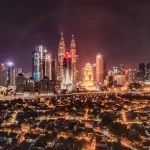
Start your first morning early at the Petronas Twin Towers observation deck, arriving when it opens at 9 AM to beat the crowds. The aromatic waft of fresh roti canai and teh tarik from nearby mamak stalls signals it’s time for your first proper Malaysian breakfast.
Walk five minutes to Medan Pasar for authentic local breakfast. Restoran Yusoof Dan Zakhir serves flaky roti canai with dhal curry that locals queue for daily. The crispy exterior gives way to soft, buttery layers perfect for sopping up the spiced lentil curry.
After breakfast, explore the KLCC Park surrounding the towers. The redesigned park features new walking paths and improved shade structures added in 2025. Take photos from various angles before the afternoon haze sets in.
For lunch, head to Kampung Baru, KL’s last traditional Malay village in the city center. Warung Pak Su serves nasi lemak wrapped in banana leaf with sambal that delivers a perfect balance of sweet, spicy, and umami. The coconut rice steams gently as you unwrap it, releasing that distinctive pandan aroma.
Spend your afternoon at the Islamic Arts Museum Malaysia and nearby National Mosque. The museum’s air conditioning provides welcome relief while you explore Southeast Asia’s finest collection of Islamic art.
As evening approaches, make your way to Jalan Alor for dinner. This pedestrian street transforms after 6 PM into KL’s most famous outdoor food court. Try Lok Lok at Wong Ah Wah for perfectly charred chicken satay, or head to Kim Lian Kee for their legendary hokkien mee with that distinctive dark soy flavor.

Evening Wind-Down
End Day 1 with drinks at Heli Lounge Bar for panoramic city views, or explore the night markets around Bukit Bintang. The street comes alive with food vendors selling everything from fresh fruit to grilled seafood.
Day 2: Heritage Districts and Street Food Adventures
Begin Day 2 in Chinatown before 9 AM when vendors are setting up and the morning light filters through the shophouse awnings. Start with dim sum at Yook Woo Hin, a century-old teahouse where har gow (shrimp dumplings) arrive steaming hot with translucent wrappers.
Explore Central Market and the surrounding streets, checking out traditional craft shops and art galleries. The heritage buildings house everything from batik workshops to antique stores.
Walk to Little India via Masjid Jamek, KL’s oldest mosque situated at the confluence of the Klang and Gombak rivers. The architecture provides excellent photo opportunities with the modern city skyline as backdrop.
In Little India, lunch at Vishal Food & Catering for authentic banana leaf rice. The array of vegetarian and meat curries arrives on a fresh banana leaf, eaten traditionally with your right hand. The tangy rasam soup cleanses your palate between bites of spicy rendang and crispy papadum.
Spend your afternoon at Merdeka Square and the Sultan Abdul Samad Building. The colonial architecture contrasts beautifully with KL’s modern skyline. The Royal Selangor Club nearby offers a glimpse into colonial history.
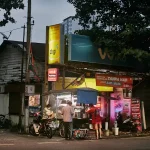
For evening snacks, explore the back alleys of Chinatown. Petaling Street’s night market officially opens at 6 PM, but the real food action happens in the surrounding lanes. Look for char kuey teow being wok-fried over roaring flames at street-side stalls.

Dinner at Restaurant Kin Kin for their famous chili pan mee. This spicy noodle soup with minced pork and crispy anchovies represents old-school Chinese Malaysian comfort food at its finest.
Day 3: Modern KL and Local Market Discoveries
Your final day starts at KL Sentral, Malaysia’s transportation hub completely renovated in 2025. The new food court on Level 2 features 30 local vendors serving regional specialties from across Malaysia.
Take the ERL train to Salak Tinggi for a side trip to the Islamic Civilization Park, then return for lunch in Bangsar. This trendy neighborhood offers upscale Malaysian fusion cuisine alongside traditional favorites.
Visit Bangsar Village for contemporary Malaysian dishes at Village Park Restaurant, famous for their nasi lemak that uses premium coconut milk and house-made sambal. The version here elevates the humble dish with quality ingredients and precise technique.
Spend your afternoon at the National Gallery and nearby Taman Tugu, KL’s newest urban park featuring native Malaysian flora. The park opened in 2023 and provides an excellent escape from city heat.
For your final dinner, head to Changkat Bukit Bintang for the night food scene. This entertainment district features everything from high-end restaurants to street-side satay vendors. The smell of grilling meat and lemongrass fills the evening air as locals and tourists mingle over cold beer and spicy food.
Late Night Options
KL’s mamak culture means many restaurants stay open 24 hours. Restoran Pelita serves excellent roti tisu (paper-thin roti) and hot teh tarik until dawn. These late-night spots provide authentic local atmosphere without tourist markup.
Essential Food Neighborhoods
KLCC and Bukit Bintang
Suria KLCC’s food court offers clean, air-conditioned dining with quality local dishes. For street food atmosphere, explore the lanes behind Pavilion KL where vendors set up portable stalls each evening.

Jalan Alor remains the most tourist-friendly street food destination. Prices run higher than local neighborhoods, but food quality stays consistent and vendors speak multiple languages.
Chinatown and Masjid India
Petaling Street’s surrounding areas hide exceptional local eateries. Morning congee at Restoran Soong Kee combines silky rice porridge with fresh fish and preserved egg. The broth simmers for hours, creating that perfect creamy consistency.
Masjid India’s food scene centers around Indian Muslim cuisine. Nasi briyani vendors line Jalan TAR, serving fragrant rice with tender mutton curry and cooling cucumber raita.
Kampung Baru and Chow Kit
These neighborhoods offer the most authentic local prices and flavors. Kampung Baru’s weekend night market features traditional Malay kuih (desserts) and grilled fish wrapped in banana leaves.
Chow Kit’s morning wet market transforms into a food paradise by lunch time. Look for economy rice stalls where you point to various dishes and pay by plate count.
Transportation Tips for Food-Focused Sightseeing
KL’s expanded MRT system now connects most major food districts efficiently. The Kajang Line extension completed in 2024 links Chinatown directly to Bangsar, cutting travel time between food neighborhoods.
Purchase a MyCity pass for unlimited LRT, MRT, and monorail travel. The 3-day pass costs MYR 35 and includes discounts at participating restaurants near transit stations.
Grab remains the most convenient option for late-night food hunting when public transport reduces frequency. Most rides within central KL cost MYR 8-15, and drivers usually know the best food spots if you ask.
Walking between food stops in the same neighborhood saves money and helps work up appetite. Central KL’s covered walkways protect from afternoon rain and heat. The Circle Line phase 1 opened in early 2026, connecting Bangsar directly to Mont Kiara and offering new food discovery opportunities in previously hard-to-reach neighborhoods.

Budget Breakdown: 3 Days of Eating and Exploring
Budget Level (MYR 150-200 per day)
Accommodation in Chinatown hostels or budget hotels near public transport. Meals at local food courts, street vendors, and neighborhood kopitiam. Transportation via public transit only.
Breakfast: MYR 8-12 (roti canai, local coffee)
Lunch: MYR 15-25 (economy rice, noodle soup, banana leaf rice)
Dinner: MYR 20-35 (street food combinations, local restaurant)
Snacks and drinks: MYR 10-15
Attraction entries: MYR 25-40 (selective paid attractions)
Transport: MYR 15-20 (public transit passes)
Mid-Range (MYR 300-450 per day)
Accommodation in 3-star hotels near KLCC or Bukit Bintang. Mix of street food and mid-range restaurants. Occasional Grab rides for convenience.
Meals total: MYR 80-120
Accommodation upgrade: MYR 150-200
Mixed transportation: MYR 25-40
Additional attractions and shopping: MYR 45-90
Comfortable (MYR 600+ per day)
Upscale hotels in prime locations. Fine dining experiences alongside street food exploration. Private transport and premium attraction access.
This tier includes rooftop dining at Marini’s on 57, high-tea at the Majestic Hotel, and guided food tours with local experts. All major attractions with express passes.
Frequently Asked Questions
What’s the best time to visit KL’s street food areas?
Evening hours between 6-9 PM offer the most variety as vendors set up dinner service. Morning breakfast spots operate 7-11 AM. Many famous stalls close by 3 PM, so plan accordingly.
Are street food vendors safe for tourists in 2026?
KL’s street food maintains high safety standards. Look for busy stalls with high turnover, hot cooking temperatures, and local customer queues. Avoid pre-prepared items sitting at room temperature.
How much should I budget for food per day?
Street food meals cost MYR 8-15, mid-range restaurant dishes MYR 25-45, and upscale dining MYR 80-150 per person. Budget MYR 50-70 daily for authentic local eating experiences.
Which food areas are most accessible by public transport?
Chinatown, KLCC, and Bukit Bintang connect directly via LRT/MRT stations. Little India sits walking distance from Masjid Jamek station. Bangsar and Mont Kiara require short taxi rides from nearest stations.
Do I need to speak Malay to order street food?
Most vendors in tourist areas speak basic English. Learning numbers in Malay helps with ordering quantities. Point-and-order works perfectly at most stalls. Download translation apps for backup communication.
Explore more
Kuala Lumpur Itinerary: The Perfect 3 Days in KL for First-Timers
Kuala Lumpur Bucket List: 20 Must-Do Things in KL for First-Timers
Unforgettable Things to Do in Kuala Lumpur: Your Ultimate KL Bucket List
📷 Featured image by Umar Al Farouq on Unsplash.