On this page
- Hidden Island Retreats: Secluded Tropical Escapes Beyond Tourist Radar
- Ancient Cave Systems and Underground Adventures
- Authentic Peranakan Heritage Towns
- Wild Borneo: Remote Rainforest Lodges and River Expeditions
- Traditional Fishing Villages and Coastal Hideaways
- Highland Tea Estates and Cool Climate Sanctuaries
- Planning Your Off-the-Beaten-Path Journey: Transport and Budget
- Frequently Asked Questions
💰 Click here to see Malaysia Budget Breakdown
💰 Prices updated: October, 2026. Budget figures are estimates — always verify before travel.
Exchange Rate: $1 USD = RM4.08
Daily Budget (per person)
Shoestring: RM100.00 – RM180.00 ($24.51 – $44.12)
Mid-range: RM250.00 – RM450.00 ($61.27 – $110.29)
Comfortable: RM500.00 – RM1,000.00 ($122.55 – $245.10)
Accommodation (per night)
Hostel/guesthouse: RM30.00 – RM60.00 ($7.35 – $14.71)
Mid-range hotel: RM110.00 – RM200.00 ($26.96 – $49.02)
Food (per meal)
Budget meal: RM15.00 ($3.68)
Mid-range meal: RM35.00 ($8.58)
Upscale meal: RM100.00 ($24.51)
Transport
Single metro/bus trip: RM2.00 ($0.49)
Monthly transport pass: RM50.00 ($12.25)
While Instagram feeds overflow with shots of Kuala Lumpur’s Petronas Towers and Penang’s street art, Malaysia’s most extraordinary experiences lie hidden in places where tour buses fear to tread. In 2026, as overtourism grips popular Asian destinations, savvy travellers are discovering Malaysia’s secret corners—pristine islands where you might be the only visitor, Ancient caves that archaeologists still explore, and Peranakan shophouses where three generations still craft traditional kuih behind wooden shutters.
Hidden Island Retreats: Secluded Tropical Escapes Beyond Tourist Radar
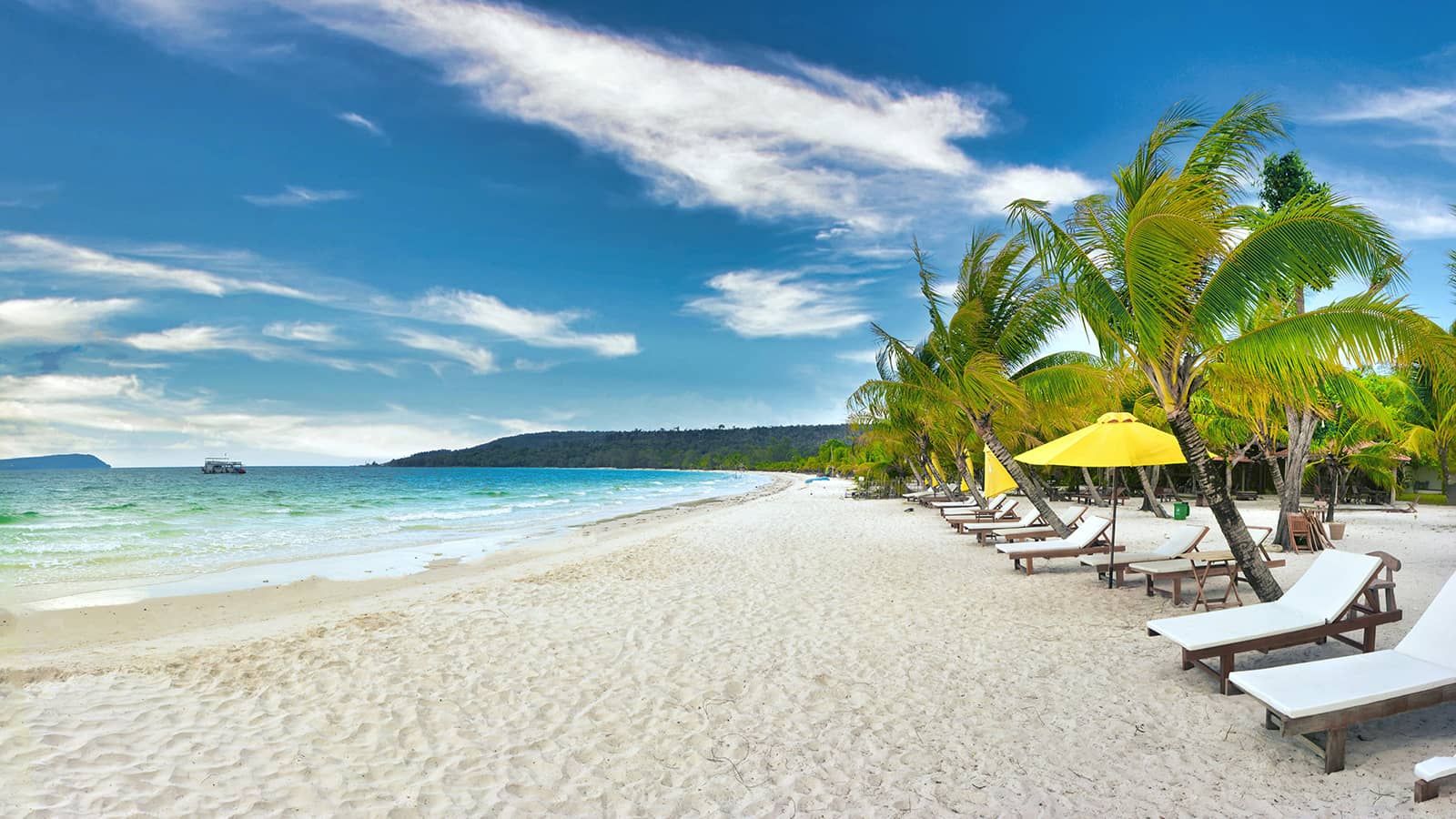
Forget overcrowded Langkawi—Malaysia’s true island gems remain virtually untouched. The Perhentian Kecil’s northern tip offers crystalline waters where baby sharks glide through coral gardens, but Pulau Kapas delivers the same pristine experience with a fraction of the crowds. This small island off Terengganu’s coast wraps visitors in the gentle sound of waves lapping white sand beaches, where the only footprints are yours and the occasional monitor lizard’s.
Pulau Sibu, accessible via a 30-minute boat ride from Tanjung Leman in Johor, provides an even more secluded escape. The island’s handful of chalets face emerald waters so clear you can spot parrotfish from your balcony. Local operators like Sibu Island Resort arrange night diving sessions where bioluminescent plankton create underwater fireworks with every movement.
For the ultimate isolation, venture to the Anambas Islands, technically Indonesian but easily accessed from Malaysia’s east coast. These 255 pristine islets offer world-class diving sites where manta rays cruise past untouched coral walls, and the only sounds after sunset are fruit bats rustling in coconut palms.
Ancient Cave Systems and Underground Adventures
Malaysia’s limestone karst landscape conceals subterranean worlds that make famous attractions like Batu Caves seem pedestrian. The Clearwater Cave system in Sarawak’s Mulu National Park extends over 200 kilometres underground, creating cathedral-sized chambers where ancient stalactites drip mineral symphonies in absolute darkness.

Gua Tempurung in Perak offers four different adventure levels, from gentle walks through illuminated chambers to hardcore caving expeditions that require squeezing through passages barely wider than your shoulders. The “Golden Flowstone” tour reveals calcite formations that shimmer like frozen waterfalls when headlamp beams catch their surfaces.
In Kelantan, Gua Ikan near Dabong remains largely unexplored by tourists despite housing prehistoric fish fossils embedded in limestone walls. Local guides from Kampung Rening lead torch-lit expeditions through passages where fruit bats create moving shadows against ancient rock art.
The newest discovery, Gua Kastil in Pahang’s remote highlands, opened to adventurous visitors only in 2025. This multi-chamber system requires rappelling down 40-metre shafts into vast underground lakes where blind cave fish have evolved unique adaptations to lightless environments.
Authentic Peranakan Heritage Towns
While George Town and Malacca draw heritage seekers, smaller Peranakan settlements preserve centuries-old traditions without tourist veneer. Taiping in Perak showcases rows of traditional shophouses where third-generation goldsmiths still craft intricate nyonya jewellery using techniques passed down through oral tradition.
The morning fish markets fill with the melodic cadences of Hokkien and Teochew dialects as elderly aunties select fresh pomfret for their famous assam fish curry. The aroma of slow-simmered rendang daging wafts from narrow five-foot ways where families have operated the same recipes for over a century.
In Kuala Kangsar, royal Peranakan heritage takes centre stage around the Sultan’s palace complex. Traditional kuih makers still wrap pulut tai tai in fragrant pandan leaves, creating jewel-toned rice cakes that taste of coconut milk and time itself. The town’s silver workshops produce intricate betel nut sets and ceremonial tepak sirih that local royalty still commission for state functions.

Sekinchan in Selangor combines Peranakan heritage with agricultural tourism. Rice paddies stretch to the horizon, interrupted only by traditional courtyard houses where families still practice ancestral customs. During harvest season, golden rice fields create a patchwork landscape that photographers dream about but rarely discover.
Wild Borneo: Remote Rainforest Lodges and River Expeditions
Malaysian Borneo harbours some of the planet’s oldest rainforests, where orangutans swing through canopies and hornbills announce dawn with prehistoric calls. The Danum Valley Conservation Area in Sabah offers immersion experiences at research stations where scientists study ecosystem connections between soil microbes and towering dipterocarp trees.
Canopy walkways suspend visitors 40 metres above the forest floor, where the sweet scent of blooming orchids mingles with earthy decomposition from the forest floor below. Night walks reveal a nocturnal world where slow lorises hunt insects with enormous eyes and flying squirrels glide between emergent trees.
Along the Kinabatangan River, floating lodges provide front-row access to proboscis monkey colonies and saltwater crocodile territories. Early morning river cruises catch orangutans feeding on wild figs while rhinoceros hornbills call from towering strangler vines.
For serious adventure seekers, the Heart of Borneo expedition connects three countries via jungle trekking and river navigation. Starting from Malaysia’s Maliau Basin, known as the “Lost World of Sabah,” expeditions traverse pristine watersheds where new species discoveries happen annually.
Traditional Fishing Villages and Coastal Hideaways
Malaysia’s coastline reveals traditional fishing communities where wooden boats painted in brilliant blues and reds bob alongside modern trawlers. In Cherating, traditional fishing families still practice age-old net-mending techniques while sea turtle conservation projects operate just metres away.
The village’s morning fish markets showcase the night’s catch—silver pomfret, ruby red snappers, and occasionally massive stingrays that require two men to carry. Local warung serve the freshest ikan bakar, where whole fish grilled over coconut husks arrive with sambal belacan that brings tears to your eyes and joy to your palate.

Further north, Kuala Besut serves as the gateway to the Perhentian Islands, but the village itself deserves exploration. Traditional boat builders craft wooden vessels using techniques unchanged for generations, while their wives weave fishing nets in the shade of coconut palms.
On Sabah’s east coast, the Bajau Laut sea nomads of Semporna maintain floating villages connected by wooden walkways. These traditional boat dwellers have lived entirely on the ocean for centuries, developing extraordinary diving abilities and intimate knowledge of marine ecosystems that modern science is only beginning to understand.
Highland Tea Estates and Cool Climate Sanctuaries
Beyond the crowded Cameron Highlands, Malaysia conceals mountain sanctuaries where cool mists carry the earthy fragrance of fresh tea leaves and morning dew clings to terraced hillsides. The BOH Tea Garden’s remote Sungei Palas estate offers sunrise tours where workers still hand-pick premium leaves as golden light floods the valleys below.
At 1,500 metres elevation, temperatures hover around 18°C even during Malaysia’s hottest months, creating perfect conditions for high-altitude agriculture. Traditional Tudor-style bungalows converted into guesthouses provide accommodation where colonial-era fireplaces actually serve a purpose.
Genting Highlands beyond the theme parks reveals hiking trails through montane forests where pitcher plants trap insects in elaborate evolutionary schemes. The cooler climate supports temperate vegetables and strawberry farms that supply peninsular Malaysia’s major cities.
In Pahang’s remote Fraser’s Hill, mist-shrouded jungle paths lead to bird-watching blinds where over 270 species congregate. The mountain’s colonial-era rest houses maintain old-world charm with afternoon tea service overlooking valleys that disappear into cloud forests.
Planning Your Off-the-Beaten-Path Journey: Transport and Budget

Reaching Malaysia’s hidden destinations requires strategic planning and realistic budgeting. In 2026, improved rural road networks and new bus services have made remote areas more accessible, though rental cars remain the most flexible option for multi-destination exploration.
Transportation Costs (2026 rates):
- Car rental: MYR 80-150 per day including insurance
- Domestic flights to Sabah/Sarawak: MYR 200-400 return
- Bus transportation to rural areas: MYR 15-45 per journey
- Boat transfers to remote islands: MYR 30-80 return
Accommodation Ranges:
- Budget guesthouses and homestays: MYR 40-80 per night
- Mid-range eco-lodges and heritage hotels: MYR 120-250 per night
- Comfortable jungle resorts and private island retreats: MYR 300-600 per night
Food costs vary dramatically by location. Remote island resorts often charge MYR 40-60 per meal, while village warungs serve authentic dishes for MYR 8-15. Smart travellers mix accommodation levels, splurging on unique experiences like rainforest canopy suites while balancing budgets with local homestays.
The new KTM ETS services connect Kuala Lumpur to northern peninsular destinations in half the previous time, making day trips to places like Taiping viable from the capital. Similarly, upgraded rural 4G networks mean even remote locations offer reliable connectivity for digital nomads.
Frequently Asked Questions
When is the best time to visit Malaysia’s remote destinations?
March to September offers the driest conditions for most regions, though Borneo’s climate varies by coast. East coast destinations are best avoided during monsoon season (November to February), while west coast areas remain accessible year-round with afternoon showers.
Do I need special permits for remote areas like Danum Valley?
Yes, several conservation areas require advance booking and permits. Danum Valley, Maliau Basin, and some cave systems need reservations 2-4 weeks ahead through official operators. Your accommodation provider typically handles permit arrangements as part of package deals.
How reliable is internet connectivity in off-the-beaten-path locations?
Rural 4G coverage expanded significantly in 2025-2026, reaching most inhabited areas. However, expect slower speeds and occasional dead zones in jungle lodges and remote islands. Download offline maps and entertainment before departing major cities.

Are these destinations suitable for families with children?
Many hidden gems welcome families, particularly island retreats and highland destinations. However, challenging cave expeditions and jungle treks may require minimum age restrictions. Research specific activities and choose accommodations with family-friendly facilities and shallow water access.
What vaccinations or health precautions are needed for remote Malaysian destinations?
Standard Southeast Asian vaccines (Hepatitis A/B, Typhoid, Japanese Encephalitis) are recommended. Remote jungle areas may require malaria prophylaxis—consult a travel medicine clinic 4-6 weeks before departure. Comprehensive travel insurance covering medical evacuation is essential for isolated locations.
Explore more
Best Islands in Malaysia: Your Ultimate Guide to Tropical Paradise
Beyond Kuala Lumpur: Your Guide to Malaysia’s Best Regional Adventures
Malaysia’s Secret Spots: Explore Untouched Regions Beyond The Crowds
📷 Featured image by Alice Artistry on Unsplash.