On this page
- What Makes Langkawi Different From Every Other Malaysian Island
- The Best Areas to Base Yourself (and Who Each Suits)
- Top Experiences and Attractions Worth Your Time
- Where to Eat in Langkawi: Hawker Stalls, Night Markets, and Seafood Spots
- Getting Around the Island Without a Headache
- Day Trips and Nearby Islands Worth the Boat Ride
- Langkawi After Dark: Sundowners, Live Music, and Night Markets
- Shopping the Duty-Free Way: What to Buy and Where
- Where to Stay: Accommodation by Budget and Area
- When to Go: Weather Windows, Festivals, and Crowd Patterns
- Practical Tips for 2026: SIM Cards, Safety, Cash, and Island Realities
- Langkawi Budget Breakdown: What to Expect to Spend Daily
- Frequently Asked Questions
💰 Click here to see Malaysia Budget Breakdown
💰 Prices updated: August, 2026. Budget figures are estimates — always verify before travel.
Exchange Rate: $1 USD = RM4.03
Daily Budget (per person)
Shoestring: RM100.00 – RM200.00 ($24.81 – $49.63)
Mid-range: RM180.00 – RM400.00 ($44.67 – $99.26)
Comfortable: RM450.00 – RM1,300.00 ($111.66 – $322.58)
Accommodation (per night)
Hostel/guesthouse: RM20.00 – RM70.00 ($4.96 – $17.37)
Mid-range hotel: RM100.00 – RM350.00 ($24.81 – $86.85)
Food (per meal)
Budget meal: RM15.00 ($3.72)
Mid-range meal: RM35.00 ($8.68)
Upscale meal: RM100.00 ($24.81)
Transport
Single metro/bus trip: RM2.00 ($0.50)
Monthly transport pass: RM150.00 ($37.22)
Langkawi has a bit of a reputation problem — not because it’s bad, but because too many travelers arrive expecting a polished Bali-style resort island and leave wishing they’d done more research. In 2026, the island is navigating a sharp rise in regional tourism, with direct flights from Bangkok, Singapore, and Kuala Lumpur busier than ever following AirAsia’s expanded route network out of Subang. Ferry connections from Penang and Kuala Perlis are also running more frequent schedules. The result: more competition for the best guesthouses, pricier seafood at tourist-facing spots, and a few beaches that feel crowded by 11am on weekends. Plan smart and Langkawi still delivers something genuinely special.
What Makes Langkawi Different From Every Other Malaysian Island
Langkawi is an archipelago of 99 islands off the northwest coast of Peninsular Malaysia, sitting in the Andaman Sea right on the Thai border. That geography matters. The water here is calmer and greener than the east coast islands, the jungle is older and denser, and the whole place carries a different energy — slower, rawer, and far less manufactured than somewhere like Tioman or the Perhentians.
The duty-free status is the other defining factor. Langkawi has held federal duty-free designation for decades, which keeps alcohol prices dramatically lower than anywhere else in Malaysia and draws weekend shoppers from the mainland. But it’s also genuinely wild in places — the mangrove forests in the north are among the best in Southeast Asia, the UNESCO Global Geopark designation covers ancient geology you can actually see and touch, and the interior rainforest is home to populations of langur monkeys, hornbills, and sea eagles that don’t require a jungle lodge to find.
The island rewards people who rent a car or motorbike and explore independently. The tourist bubble around Pantai Cenang is real, but it’s only a fraction of what’s here.

The Best Areas to Base Yourself (and Who Each Suits)
Pantai Cenang
The most developed stretch on the island, running along the southwest coast. You get the widest choice of restaurants, bars, guesthouses, and beach clubs all within walking distance. The sand is decent and the sunsets face west, which means spectacular evening skies. This is where solo travellers, backpackers, and couples on shorter trips tend to land. The main road gets noisy at night from bar traffic — ask for rooms away from the street.
Pantai Tengah
Immediately south of Cenang, separated by a small rocky headland. Slightly calmer, slightly more grown-up. A good mix of mid-range resorts and local guesthouses. Close enough to walk to Cenang’s restaurants and nightlife without sleeping above them. Families and couples on 5–7 night trips tend to prefer this end.
Kuah Town
The island’s main town on the southeast coast. Practical rather than pretty — this is where the ferry terminal sits, where locals actually live and shop, and where you’ll find the cheapest food. Not a great base for beach time, but useful if you’re arriving by ferry and spending just one night before moving on.
Tanjung Rhu and the North
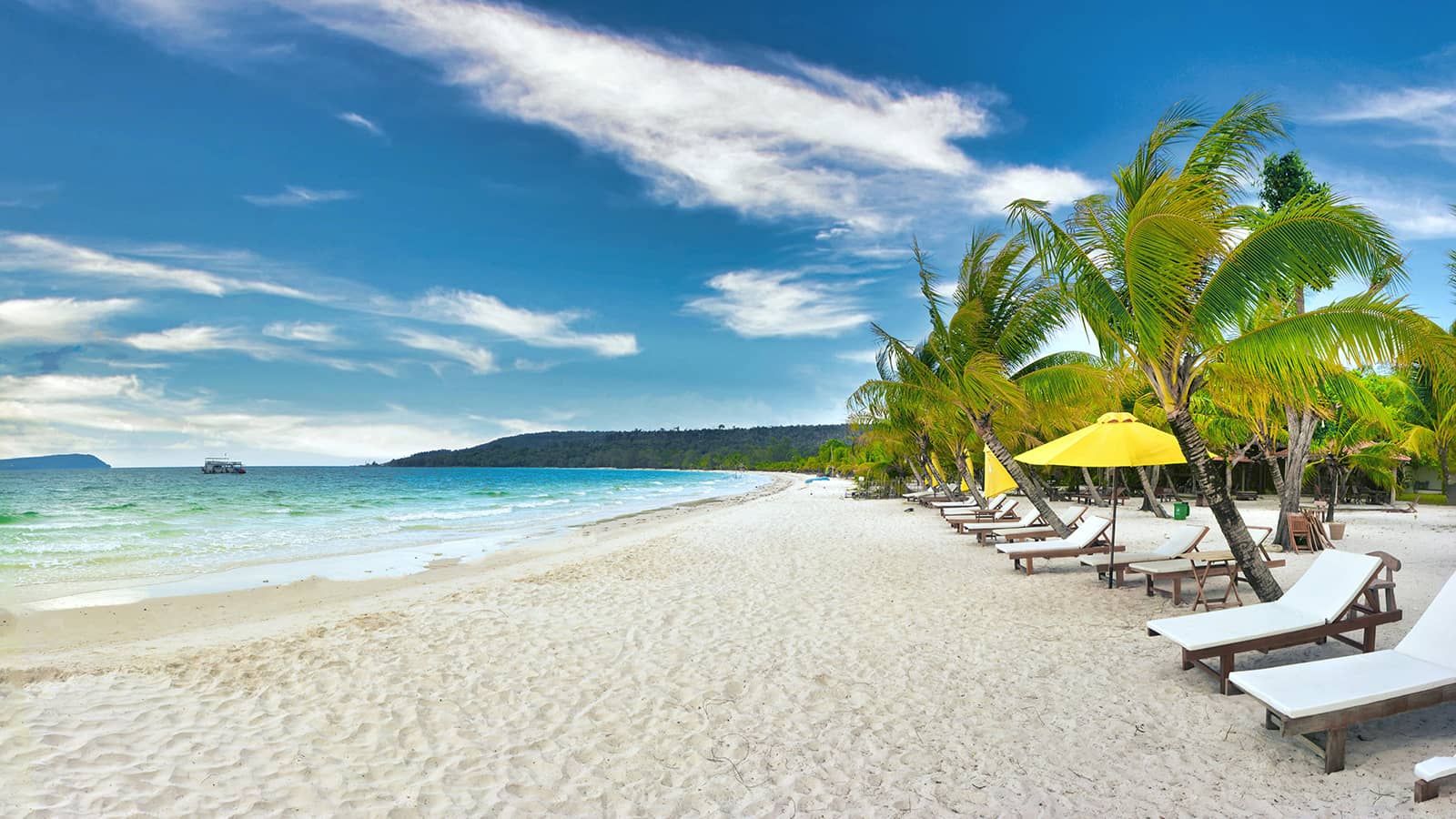
The quietest, most beautiful part of the island. Long, near-empty beaches backed by limestone cliffs and casuarina trees. The water in the Tanjung Rhu lagoon turns translucent at low tide. There’s limited budget accommodation up here — this end of the island suits couples and families staying at the larger resorts. Expect a 35–40 minute drive to Cenang for dinner.
Pantai Kok and Burau Bay
West-facing, jungle-backed, and home to some of the island’s larger resort properties. Close to the cable car and Oriental Village. Not a walk-to-dinner kind of area — you’ll need wheels.
Top Experiences and Attractions Worth Your Time

Langkawi Cable Car and Sky Bridge
The gondola ride up Gunung Mat Cincang is one of the steepest cable car ascents in the world — the cabin tilts noticeably as it climbs through jungle canopy and into the mist. At the top station, the 125-metre curved Sky Bridge hangs over the ridge with views across the islands to Thailand on clear mornings. Go before 9:30am to beat tour groups. Entry to the cable car costs MYR 55 for adults in 2026; the Sky Bridge is an additional MYR 10.
Kilim Karst Geoforest Park Mangrove Tour
Three to four hours on a boat through limestone cave passages, mangrove channels, and open lagoons. Eagles — the island’s emblem — circle overhead while guides toss fish scraps to bring them diving close to the water. The smell of the mangrove at low tide, earthy and briny with a faint sweetness from flowering mangrove blooms, is one of those sensory details that stays with you. Book through licensed operators out of Kilim Jetty rather than resort desks to pay closer to MYR 80–100 per person instead of MYR 150.
Langkawi Geopark Trail (Machincang Cambrian Geoforest)
For visitors who want something more active, the trails through Machinchang’s lower slopes take you past 550-million-year-old sandstone formations. This is genuinely old rock — older than anything you’ll encounter on most holidays. The terrain is muddy after rain, so go with closed shoes.
Datai Bay and the Nature Reserve
Even if you’re not staying at The Datai resort, the bay at the island’s northwest tip is one of the finest beaches in Malaysia. Access to the beach itself is technically via the resort, but the nature trail through the primary rainforest above is open to guided groups. Hornbill calls echo through the canopy here in the early morning.

Pantai Pasir Tengkorak
A local favourite that most resort-based tourists skip. This small, government-run beach north of Pantai Kok has calm water, shade trees, and almost no development. Free entry. Bring your own food and water.
Where to Eat in Langkawi: Hawker Stalls, Night Markets, and Seafood Spots
Eating in Langkawi runs the full range from excellent to overpriced tourist trap, and the gap between the two is wider than on most Malaysian islands. Here’s where to actually eat.
Jalan Pantai Cenang Food Strip
The main drag has plenty of options, but skip the laminated-menu places facing the beach. The better spots sit just off the road or slightly inland. Look for Wonderland Food Store near the southern end — long queues of locals at lunch are a reliable indicator. Nasi campur plates run MYR 8–12.
Kuah Jetty Market Area
The cluster of open-air stalls around the ferry terminal and along Jalan Teluk Baru is where local Langkawi residents eat. Roti canai with dhal in the morning costs MYR 2.50. The kopitiam near the roundabout opposite the eagle statue does a strong teh tarik and decent char kway teow for MYR 7.
Pekan Kuah Night Scene
Kuah town’s evening food options along Jalan Persiaran Putra are underused by tourists. Malay-style grilled fish wrapped in banana leaf, ayam percik glazed with spiced coconut cream, and fresh coconut juice alongside — this is Langkawi eating at its most honest and affordable.
Ulu Melaka Seafood Area
For fresh seafood without Cenang Beach pricing, the cluster of restaurants in Ulu Melaka (inland, near the Makam Mahsuri area) offers whole grilled stingray, butter prawns, and steamed fish at genuinely local prices. Expect MYR 40–70 for two people with rice and vegetables.

Thursday Night Market (Pasar Malam), Kuah
Runs every Thursday near the Kuah esplanade. Grilled corn, pisang goreng, curry puffs, and local kuih at street prices. The compressed heat and sweet smoke of a charcoal grill beside a row of banana-leaf-wrapped rice parcels — this is the real Langkawi food experience, not the beach club menus.
Weekend Market at Padang Matsirat
Saturday mornings near the airport area bring out a smaller but excellent local market. Fresh tropical fruit, homemade dodol, and coconut-based snacks. Worth timing a morning drive around.
Getting Around the Island Without a Headache
This is the most practical decision you’ll make in Langkawi: there is no functioning public bus network for tourists, Grab operates but with limited driver availability outside central Cenang, and taxis use fixed zone rates that feel steep on a tight budget. Your real options are:
Car Rental
The best option for families or anyone doing more than beach-and-bar. In 2026, small automatic cars rent for MYR 80–120 per day through local operators at the airport or Kuah ferry terminal. Book ahead in peak season. An international driving licence is required for foreign nationals.
Motorbike Rental
MYR 35–50 per day for a 125cc automatic scooter. The roads outside Cenang are quiet and well-maintained. This is by far the most enjoyable way to move around the island — stopping at beaches, cutting through jungle roads, and reaching places no tour bus gets to. Wear a helmet; police checkpoints do happen.
Grab and Taxis
Grab availability improved slightly in 2025 after driver incentives were reintroduced, but waits of 15–25 minutes are normal outside Cenang. Fixed-rate taxis from the airport to Cenang cost MYR 25–30 via the coupon system at the arrivals hall.

Airport and Ferry Transfers
Langkawi International Airport sits very close to the main Cenang beach area — about 3 kilometres. Taxis use the fixed coupon system. Ferries dock at Kuah Jetty on the southeast coast; a taxi from Kuah to Cenang costs a fixed MYR 25. There is no direct public bus connection.
Day Trips and Nearby Islands Worth the Boat Ride
Island Hopping: Pulau Dayang Bunting and Pulau Singa Besar
The standard island-hopping tour from Telaga Harbour or Cenang Beach covers the freshwater lake on Dayang Bunting (Pregnant Maiden Lake — a large freshwater lake inside a limestone island, surrounded by jungle), the eagle feeding point, and a snorkel stop. Half-day, MYR 45–65 per person on a shared boat. Full-day private charters run MYR 350–600.
Pulau Payar Marine Park
The only designated marine park near Langkawi, about 45 minutes south by speedboat. Coral coverage has improved since the 2024 conservation restrictions reduced diver numbers. Decent snorkelling with reef fish and the occasional reef shark. Book a full-day trip (MYR 200–280 per person including lunch) through the Langkawi Coral operator at Kuah Jetty rather than hotel desks.
Koh Lipe, Thailand (Day Trip)
With a valid passport, it’s possible to take a speedboat from Telaga Harbour to Thailand’s Koh Lipe — about 45 minutes. Multiple operators run this crossing in the dry season (November–April). Bring your passport, expect a MYR 150–200 return fare, and budget for Thai baht on arrival. The Thai immigration post on Koh Lipe handles the crossing informally but officially — make sure your stamp is correct.
Alor Setar Day Trip (Mainland)
Take the ferry from Kuah to Kuala Perlis (about 1.5 hours), then a bus or taxi to Alor Setar. The state capital of Kedah has excellent Malay food, a striking royal town square, and the Muzium DiRaja (Royal Museum). A full-day round trip is achievable but long — best for travellers extending to 7+ nights.

Langkawi After Dark: Sundowners, Live Music, and Night Markets
Langkawi’s duty-free status makes it the most affordable place in Malaysia to drink. Beer that costs MYR 20–25 in Kuala Lumpur runs MYR 8–12 here. That single fact shapes the entire nightlife scene.
Cenang Beach Bars
The beachfront bars along Cenang — Babylon Bar, Yellow Cafe, and a handful of newer spots that rotate in and out — run fire shows, live acoustic sets, and cold Tiger by the bucket. The scene picks up around 9pm and runs to midnight or 1am. It’s not Koh Samui, but it’s genuinely good fun.
Sunset Bar at Telaga Harbour
The marina at Telaga Harbour on the west coast is the more mellow, slightly upscale after-dark option. Gin and tonics facing moored yachts at sunset, with the silhouette of Thai islands on the horizon. Live jazz plays on weekend evenings at some of the marina-side restaurants.
Rooftop Options
Several of the mid-range hotels along Cenang now operate rooftop bars. Views aren’t dramatic (Langkawi’s coastline is flat), but the open-air setting and cheap drinks make them worth stopping at for a pre-dinner hour.
Night Markets by Day of Week
- Monday: Kedawang Night Market
- Tuesday: Padang Lalang Night Market
- Wednesday: Bohor Tempoyak Night Market
- Thursday: Kuah Night Market (the largest)
- Friday: Jalan Makam Night Market
- Saturday: Ayer Hangat Night Market
- Sunday: Pantai Cenang area stalls (informal, smaller)
Shopping the Duty-Free Way: What to Buy and Where
Langkawi’s duty-free status covers alcohol, tobacco, and selected goods. This genuinely affects prices — a bottle of Johnny Walker Black Label that costs MYR 180 in KL is MYR 75–90 here. Chocolate, perfume, and certain electronics are also priced lower, though the deals on electronics are less dramatic than they used to be given online pricing in 2026.

Kuah Town Duty-Free Shops
The cluster of duty-free outlets along Jalan Persiaran Putra near the Kuah waterfront is the main shopping zone. Zara Duty Free and Zon Duty Free are the largest. Alcohol selection is the main draw. Most carry decent selections of single malts, gin, and wine at meaningfully lower prices than anywhere on the Malaysian mainland.
Cenang Beach Area Shops
More tourist-facing: batik sarongs, beach gear, locally made coconut shell crafts, and the usual Southeast Asia souvenir run. Quality varies wildly. The better craft shops are found slightly inland off the main strip. Budget MYR 15–40 for decent locally made handicrafts.
Langkawi Fair and Kompleks Kraf
The craft complex near Kuah has government-backed local producers selling genuine Kedah batik, handwoven textiles, and woodwork. Prices are fixed, which removes haggling but also removes scams. A good place to buy something made by an actual local craftsperson.
What to Note on Duty-Free Limits
Malaysian customs allows returning mainland travellers to bring 1 litre of alcohol and a limited quantity of tobacco from Langkawi without declaring it. Anything beyond that is technically dutiable on the ferry or flight back to the mainland. In practice, enforcement is inconsistent, but know the rules.
Where to Stay: Accommodation by Budget and Area
Budget (MYR 60–150 per night)
Hostels and simple guesthouses cluster along the Cenang-Tengah strip. Look for air-conditioned private rooms with en-suite in the MYR 80–130 range at spots like AB Motel and the smaller family-run guesthouses just off the main Cenang road. These book out fast in December–February, so reserve 3–4 weeks ahead in peak season.
Mid-Range (MYR 200–500 per night)
This tier is where Langkawi delivers excellent value. Boutique hotels along Tengah beach and the inland roads near Cenang give you private pools or beach access, air conditioning, and decent breakfasts without resort pricing. Casa Del Mar on Cenang is one of the island’s best mid-range properties, sitting directly on the beach at around MYR 350–450 per night in 2026. The Cliff in Tengah is another consistently good option.

Comfortable and Luxury (MYR 700–2,500+ per night)
The top end of Langkawi is genuinely world-class. The Datai Langkawi in the north sits inside primary rainforest above one of Southeast Asia’s finest beaches — rooms start around MYR 1,800 in high season. Four Seasons Langkawi at Tanjung Rhu has overwater villas with direct sea access at prices that rival the Maldives. Bon Ton Resort near Cenang offers heritage Malay stilted wooden houses in a smaller, more intimate setting at MYR 700–1,000.
When to Go: Weather Windows, Festivals, and Crowd Patterns
Best Weather: November to April
Langkawi’s dry season runs from November through to April. This is when the sea is calm, boat trips run reliably, and the skies stay clear long enough for the cable car to be worth taking. December and January bring the heaviest tourist numbers — European and Australian visitors in particular. January also sees Chinese New Year nearby, which affects ferry bookings from Penang.
Shoulder Season: May and October
Transitional months with lower prices and fewer crowds. Rain showers are intermittent rather than all-day, and the sea is usually still workable for snorkelling and island hopping in May. October is wetter and some boat operators scale back. Worth it for the 20–30% reduction in accommodation rates.
Wet Season: June to September
Langkawi’s monsoon is milder on the west coast than the east coast islands get theirs — the island stays open year-round unlike Perhentian or Tioman, which close entirely. Expect afternoon downpours of 1–2 hours, rough sea conditions (some tours cancel), and significantly cheaper accommodation. The interior rainforest is spectacular in the wet season for birdwatching and waterfalls at full flow.

Festivals to Time Around
- Langkawi International Maritime and Aerospace (LIMA) Exhibition: Biennial event held in odd-numbered years at Mahsuri International Exhibition Centre — next edition 2027. When it runs, hotel prices spike dramatically across the whole island.
- Hari Raya Aidilfitri: Domestic travel surges; book ferries and accommodation very early if your trip overlaps.
- Langkawi Food Festival: Typically held in March–April; check LADA’s 2026 calendar for updated dates.
Practical Tips for 2026: SIM Cards, Safety, Cash, and Island Realities
SIM Cards and Mobile Data
Pick up a tourist SIM at Langkawi Airport arrivals or any of the phone shops in Kuah town. Celcom and Maxis both have reasonable coverage across the main tourist areas, though signal drops in the north and deep jungle. A 30-day tourist data SIM costs MYR 30–50 and includes sufficient data for navigation, Grab, and social media without issues.
Cash and Cards
ATMs are available in Kuah, along the Cenang strip, and at the airport. Most restaurants and shops in tourist areas accept cards, but the night markets, local stalls, and smaller guesthouses are cash-only. Carry MYR 100–150 in small notes when you’re heading away from central Cenang. The island’s duty-free shops all take cards.
Safety
Langkawi is one of Malaysia’s safest tourist destinations. Petty theft is uncommon but not unheard of — don’t leave valuables on the beach. Ocean currents on the west coast can be surprisingly strong outside the calm season; respect the flag warning system at beaches. Yellow flags mean swim with caution; red flags mean don’t enter the water.
Water and Food Safety
Don’t drink tap water. Bottled water is cheap and universally available (MYR 1.50–2 for 1.5 litres). The food safety record at established hawker stalls and markets is good — high turnover keeps things fresh. Stick to cooked food from busy stalls rather than anything left sitting out in heat.

Religious and Cultural Respect
Langkawi is a Muslim-majority island. Dress modestly when visiting local markets, mosques, and town areas — shoulders and knees covered. Beach cover-ups are fine on tourist beaches. The island’s population is primarily Malay with Chinese Malaysian and Indian Malaysian communities; greetings in basic Malay (Terima kasih for thank you, Selamat pagi for good morning) go a long way.
Langkawi Budget Breakdown: What to Expect to Spend Daily
Budget Traveller: MYR 120–200 per day
- Accommodation: MYR 70–100 (guesthouse or hostel private room)
- Food: MYR 25–40 (local stalls, night markets, kopitiam)
- Transport: MYR 35–50 (motorbike rental)
- Activities: MYR 15–30 (beaches, free trails, one paid activity)
Mid-Range Traveller: MYR 350–600 per day
- Accommodation: MYR 200–400 (boutique hotel or mid-range resort)
- Food: MYR 80–120 (mix of local restaurants and one nicer dinner)
- Transport: MYR 80–120 (car rental)
- Activities: MYR 60–100 (mangrove tour, cable car, island hopping)
Comfortable/Luxury Traveller: MYR 1,000–3,000+ per day
- Accommodation: MYR 700–2,500 (Four Seasons, Datai, or Bon Ton)
- Food: MYR 200–400 (resort dining, fine seafood restaurants)
- Transport: MYR 150–300 (private transfers or car hire with driver)
- Activities: MYR 200–500 (private boat charters, resort spa, golf)
Alcohol being duty-free meaningfully reduces bar spending compared to KL or Penang — factor this into your calculations if drinking is part of your trip.
Frequently Asked Questions
How many days do you need in Langkawi?
Three full days covers the highlights — cable car, mangrove tour, beaches, and some evening market time. Five to seven days lets you slow down, explore the north coast, do an island-hopping day trip, and actually decompress. Anything under two nights feels rushed and doesn’t justify the flight or ferry cost.
Is Langkawi worth visiting during the rainy season?
Yes, with adjusted expectations. The monsoon on Langkawi’s west coast is milder than east coast islands, and the island never fully closes. Rain typically falls in afternoon bursts rather than all day. Accommodation prices drop 20–40%, crowds thin significantly, and the jungle is at its most lush. Some boat tours cancel in rough conditions.
Do you need a car or can you get by without one in Langkawi?
You can survive without one if you’re staying in central Cenang and only plan beach-and-bar activities. For anything beyond that — exploring the north coast, reaching good local food spots, visiting waterfalls — a car or motorbike is genuinely necessary. Grab is available but unreliable outside tourist zones in 2026.
Is Langkawi good for families with young children?
Very good. The calm west coast beaches are safe for children in the dry season, the cable car is a hit, the island-hopping tours work well for older kids, and the duty-free chocolate situation makes everyone happy. The larger resorts at Tengah and Datai Bay have strong children’s programming. Traffic is light enough that motorbike family outings are manageable.
What is the easiest way to get to Langkawi from Kuala Lumpur?
Flying is the easiest — AirAsia and Malaysia Airlines both operate multiple daily flights from KL International Airport (KLIA) and Subang Airport to Langkawi International Airport, with flight time around 55 minutes. Fares range from MYR 80–300 depending on how far ahead you book. The overland-plus-ferry route via Kuala Perlis takes 5–6 hours and costs MYR 50–80 but is a reasonable option for travellers exploring the northwest coast on the way.
Explore more
The Ultimate Langkawi Food Guide: Where to Eat & Drink
25 Unforgettable Things to Do in Langkawi for Every Traveler
15 Essential Langkawi Day Trips & Excursions for First-Time Visitors
Where to Stay in Langkawi: Best Areas & Hotels for Your Budget
Getting to Langkawi & Getting Around: Your Complete Transport Guide
Discover Langkawi’s Best Beaches: Sun, Sand & Secluded Coves
Langkawi’s Best Cheap Eats: Delicious Dining on a Budget
Langkawi Food Guide: Must-Try Dishes & Best Restaurants
Where to Party in Langkawi: Your Ultimate Guide to After-Dark Fun
Langkawi on a Budget: How to Travel Malaysia’s Jewel Island Affordably
📷 Featured image by srihari kapu on Unsplash.