On this page
- Langkawi’s Pristine Beaches and Island Adventures
- Penang’s Cultural Heritage and Street Food Scene
- Tioman’s World-Class Diving and Marine Life
- Perhentian Islands’ Backpacker Paradise and Snorkeling
- Redang’s Crystal Waters and Turtle Sanctuaries
- Pangkor’s Relaxed Charm and Historic Sites
- Kapas Island’s Untouched Beauty and Budget Appeal
- Sabah and Sarawak’s Remote Island Escapes
- Best Times to Visit and Weather Patterns
- Island-Hopping Itineraries and Transportation
- Budget Breakdown for Island Travel in 2026
- Frequently Asked Questions
💰 Click here to see Malaysia Budget Breakdown
💰 Prices updated: October, 2026. Budget figures are estimates — always verify before travel.
Exchange Rate: $1 USD = RM4.08
Daily Budget (per person)
Shoestring: RM100.00 – RM180.00 ($24.51 – $44.12)
Mid-range: RM250.00 – RM450.00 ($61.27 – $110.29)
Comfortable: RM500.00 – RM1,000.00 ($122.55 – $245.10)
Accommodation (per night)
Hostel/guesthouse: RM30.00 – RM60.00 ($7.35 – $14.71)
Mid-range hotel: RM110.00 – RM200.00 ($26.96 – $49.02)
Food (per meal)
Budget meal: RM15.00 ($3.68)
Mid-range meal: RM35.00 ($8.58)
Upscale meal: RM100.00 ($24.51)
Transport
Single metro/bus trip: RM2.00 ($0.49)
Monthly transport pass: RM50.00 ($12.25)
Malaysia’s 878 islands scattered across the South China Sea and Straits of Malacca offer some of Southeast Asia’s most spectacular tropical getaways, yet many travelers struggle to choose which ones deserve their limited vacation time. With new ferry routes launched in 2025 and improved infrastructure across multiple islands, 2026 presents the perfect opportunity to explore these paradise destinations that range from UNESCO World Heritage sites to untouched coral sanctuaries.
Langkawi’s Pristine Beaches and Island Adventures
Langkawi stands as Malaysia’s flagship island destination, where 99 islands form an archipelago of limestone cliffs, emerald rainforests, and powder-soft beaches. The main island pulses with activity around Pantai Cenang, where beach bars serve ice-cold Tiger beer as the sun melts into the Andaman Sea, while the northern coastline of Tanjung Rhu offers secluded stretches perfect for romantic sunset walks.
The island’s cable car system, upgraded in 2024 with new panoramic gondolas, whisks visitors 700 metres above sea level to witness breathtaking views across the Straits of Malacca. At the summit, the curved Sky Bridge spans 125 metres across a dramatic valley, creating one of Malaysia’s most Instagram-worthy moments.
Adventure seekers gravitate toward the Kilim Karst Geoforest Park, where mangrove tours reveal limestone caves adorned with stalactites and hidden lagoons accessible only by kayak. Eagle feeding sessions showcase Langkawi’s famous brahminy kites swooping down to snatch fish from boat wake, their wings spanning nearly two metres.
Penang’s Cultural Heritage and Street Food Scene
Though technically an island connected by bridge, Penang delivers an urban island experience unlike anywhere else in Malaysia. Georgetown’s UNESCO World Heritage zone buzzes with the aroma of char kway teow sizzling on hawker stall flames and the sweet fragrance of cendol shaved ice topped with palm sugar syrup.

The island’s street art scene transforms colonial-era shophouses into open-air galleries, while clan houses and temples showcase the multicultural heritage that earned Penang its World Heritage status. Penang Hill’s funicular railway, operational since 1923, provides cool mountain air and panoramic views across the island’s northern coastline.
Food enthusiasts discover why Penang earned recognition as Malaysia’s culinary capital through dishes found nowhere else. Assam laksa’s tangy tamarind broth paired with thick rice noodles creates the perfect balance of sour and spicy, while Penang rojak combines fruits and vegetables with a sweet-spicy shrimp paste dressing that locals guard their family recipes for.
Tioman’s World-Class Diving and Marine Life
Pulau Tioman emerges from the South China Sea like a sleeping dragon, its jungle-covered peaks rising 1,000 metres above coral reefs that Jacques Cousteau once ranked among the world’s most beautiful. The island’s volcanic origins created underwater landscapes of dramatic drop-offs, swim-through caves, and coral gardens that support over 180 fish species.
Diving sites around Tioman cater to every experience level. Coral Island’s shallow reefs perfect for beginners teem with clownfish, parrotfish, and blue tangs, while advanced divers explore Tiger Reef’s 30-metre wall dives where reef sharks patrol the blue water beyond the coral edge.
The island’s Duty Free status means diving equipment, underwater cameras, and resort amenities cost significantly less than mainland Malaysia. Village life centers around traditional fishing boats called kolek, their bright colors reflecting in Tekek Bay’s crystal-clear waters as fishermen return with the day’s catch.
Perhentian Islands’ Backpacker Paradise and Snorkeling
The Perhentian Islands split into two distinct personalities connected by a 20-minute boat ride. Perhentian Kecil attracts budget travelers with beach huts starting at MYR 40 per night and a party atmosphere that keeps Long Beach alive until dawn, while Perhentian Besar offers family-friendly resorts and quieter beaches ideal for romantic getaways.

Snorkeling around both islands reveals underwater gardens where green and hawksbill turtles glide gracefully between staghorn corals. Shark Point delivers exactly what its name promises – reef sharks cruise the deeper waters while snorkelers observe safely from the surface, watching these magnificent predators patrol their territory.
The islands operate on island time, where electricity runs from solar panels and generators, creating a digital detox environment that forces visitors to disconnect from constant connectivity. Fresh grilled fish served on banana leaves paired with coconut rice creates the perfect beach dinner as fishing boats return silhouetted against pink sunset skies.
Redang’s Crystal Waters and Turtle Sanctuaries
Pulau Redang protects some of Malaysia’s most pristine marine ecosystems within its Marine Park boundaries, where fishing and collecting marine life face strict prohibition. The result creates underwater visibility that frequently exceeds 30 metres, revealing coral formations and marine life with startling clarity.
Green turtles return to Redang’s beaches annually between April and September, creating magical encounters as these ancient creatures lumber ashore to nest. Turtle watching tours operate under strict guidelines to minimize disturbance, allowing visitors to witness egg-laying ceremonies that have continued unchanged for millions of years.
The island’s limited accommodation options focus on eco-friendly resorts that integrate with the natural environment. Solar power, rainwater collection, and waste management programs ensure tourism development maintains the pristine conditions that make Redang special.
Pangkor’s Relaxed Charm and Historic Sites
Pulau Pangkor offers Malaysia’s most accessible island escape, located just four hours from Kuala Lumpur with frequent ferry connections from Lumut. The island’s laid-back atmosphere reflects its fishing village heritage, where traditional wooden boats line beaches between luxury resorts and budget guesthouses.
Dutch colonial ruins scattered across the island tell stories of 17th-century trading posts and fortifications built to control the lucrative tin trade. The Dutch Fort, constructed in 1670, provides historical context while offering elevated views across the Straits of Malacca where trading ships once anchored.

Local seafood restaurants serve incredibly fresh catches grilled over charcoal fires, their smoky aroma mixing with sea breezes as waves lap against nearby shores. The island’s compact size makes motorcycle rental the perfect way to explore hidden coves and fishing villages in a single afternoon.
Kapas Island’s Untouched Beauty and Budget Appeal
Pulau Kapas remains Malaysia’s best-kept island secret, where development stays deliberately minimal to preserve the natural environment. White sand beaches stretch between granite boulders and coconut palms, creating postcard-perfect scenes without the crowds found on more famous islands.
Accommodation options focus on simple beach chalets and backpacker hostels that prioritize location over luxury amenities. The island’s small size means every beach is within walking distance, while snorkeling sites lie just meters from shore where coral reefs support diverse marine life.
Day trips from nearby Marang make Kapas accessible for travelers on tight schedules, while the 15-minute boat ride from the mainland creates an immediate sense of escape. Local boat operators often spot dolphins during transfers, adding unexpected wildlife encounters to the journey.
Sabah and Sarawak’s Remote Island Escapes
Malaysian Borneo’s islands offer dramatically different experiences from Peninsular Malaysia’s tropical paradises. Sipadan Island, accessible only to certified divers through strict permit systems, provides world-class diving among barracuda tornados and hammerhead sharks in pristine waters that Jacques Cousteau called “an untouched piece of art.”
Mabul Island combines luxury diving resorts with traditional stilt village communities, where macro photography enthusiasts discover bizarre creatures like mandarin fish and frogfish among artificial reefs created from sunken structures. The cultural exchange between resort guests and local Bajau sea gypsies adds authentic human connections to underwater adventures.

In Sarawak, Satang Island protects critical turtle nesting habitat while offering eco-tourism experiences that fund conservation programs. Overnight stays in research station dormitories provide front-row seats to turtle nesting activities while supporting scientific research efforts.
Best Times to Visit and Weather Patterns
Malaysia’s island destinations experience two distinct monsoon seasons that significantly impact travel conditions. The Southwest Monsoon affects the west coast islands (Langkawi, Pangkor, Penang) from May through October, bringing afternoon thunderstorms but generally calm seas and good diving visibility.
East coast islands (Perhentian, Redang, Tioman, Kapas) face closure during the Northeast Monsoon from November through February when rough seas make ferry transport dangerous and most resorts shut down completely. The dry season from March through October provides perfect conditions with minimal rainfall and excellent underwater visibility.
Peak season rates apply during school holidays (June-August, December-January) when domestic tourism peaks. The shoulder seasons of March-May and September-November offer the best balance of favorable weather, lower prices, and smaller crowds for island hopping adventures.
Island-Hopping Itineraries and Transportation
The new Malaysia Island Pass, launched in 2025, provides significant savings for multi-island adventures with ferry connections between major destinations. The pass covers Langkawi-Penang-Pangkor routes on the west coast and Perhentian-Redang-Tioman connections on the east coast, valid for 30 days with unlimited travel between designated islands.
West coast island hopping works year-round, starting from Langkawi’s duty-free shopping and adventure activities, continuing to Penang’s cultural heritage and street food scene, then finishing at Pangkor’s relaxed beaches. This route takes 7-10 days with 2-3 nights per island.
East coast adventures require dry season timing but reward travelers with world-class diving and snorkeling. The classic route connects Perhentian’s backpacker scene, Redang’s turtle sanctuaries, and Tioman’s diving sites over 10-14 days, with ferry connections operating April through October.

Budget Breakdown for Island Travel in 2026
Budget Tier (MYR 80-150 per day): Beach huts and hostels provide basic accommodation with shared bathrooms from MYR 30-60 per night. Local warung meals cost MYR 8-15, while ferry tickets between islands range from MYR 25-45. Snorkeling gear rental adds MYR 20 per day, making this tier perfect for backpackers and budget-conscious travelers.
Mid-Range Tier (MYR 200-400 per day): Private bungalows with air conditioning and ensuite bathrooms cost MYR 80-150 per night. Resort buffet meals average MYR 40-60, while guided diving trips run MYR 120-180 for two dives with equipment. Airport transfers and speedboat charters add convenience at moderate cost increases.
Comfortable Tier (MYR 500+ per day): Luxury beach resorts offer infinity pools, spa services, and gourmet dining from MYR 300-800 per night. Private island transfers via helicopter or luxury speedboat eliminate wait times, while personalized diving instruction and underwater photography services create premium experiences worth the investment.
Frequently Asked Questions
Do I need a visa to visit Malaysian islands?
Most visitors receive 90-day visa exemption on arrival. Check current requirements at Malaysian consulates as some nationalities require advance visa applications, particularly for extended stays exceeding 30 days.
Can I drink tap water on Malaysian islands?
Stick to bottled water on all islands as infrastructure varies significantly. Most resorts provide complimentary bottled water, while local shops sell 1.5-liter bottles for MYR 3-5 throughout all island destinations.
What vaccines do I need for island travel?
No special vaccinations required for Malaysian islands beyond routine immunizations. Consider hepatitis A/B and typhoid vaccines for extended stays, particularly if visiting remote islands with limited medical facilities.
Is it safe to swim and snorkel around Malaysian islands?
Generally very safe within designated swimming areas and marine parks. Follow local guidance regarding currents and seasonal conditions, particularly during monsoon transitions when weather can change rapidly without warning.
Can I use credit cards on Malaysian islands?
Major islands accept credit cards at resorts and established restaurants, but bring sufficient cash for local boats, street food, and smaller accommodations. ATMs available on larger islands but may have limited cash during peak periods.
Explore more
Beyond Kuala Lumpur: Your Guide to Malaysia’s Best Regional Adventures
Malaysia’s Secret Spots: Explore Untouched Regions Beyond The Crowds
Go Beyond Kuala Lumpur: Discover Malaysia’s Best Off-the-Beaten-Path Destinations
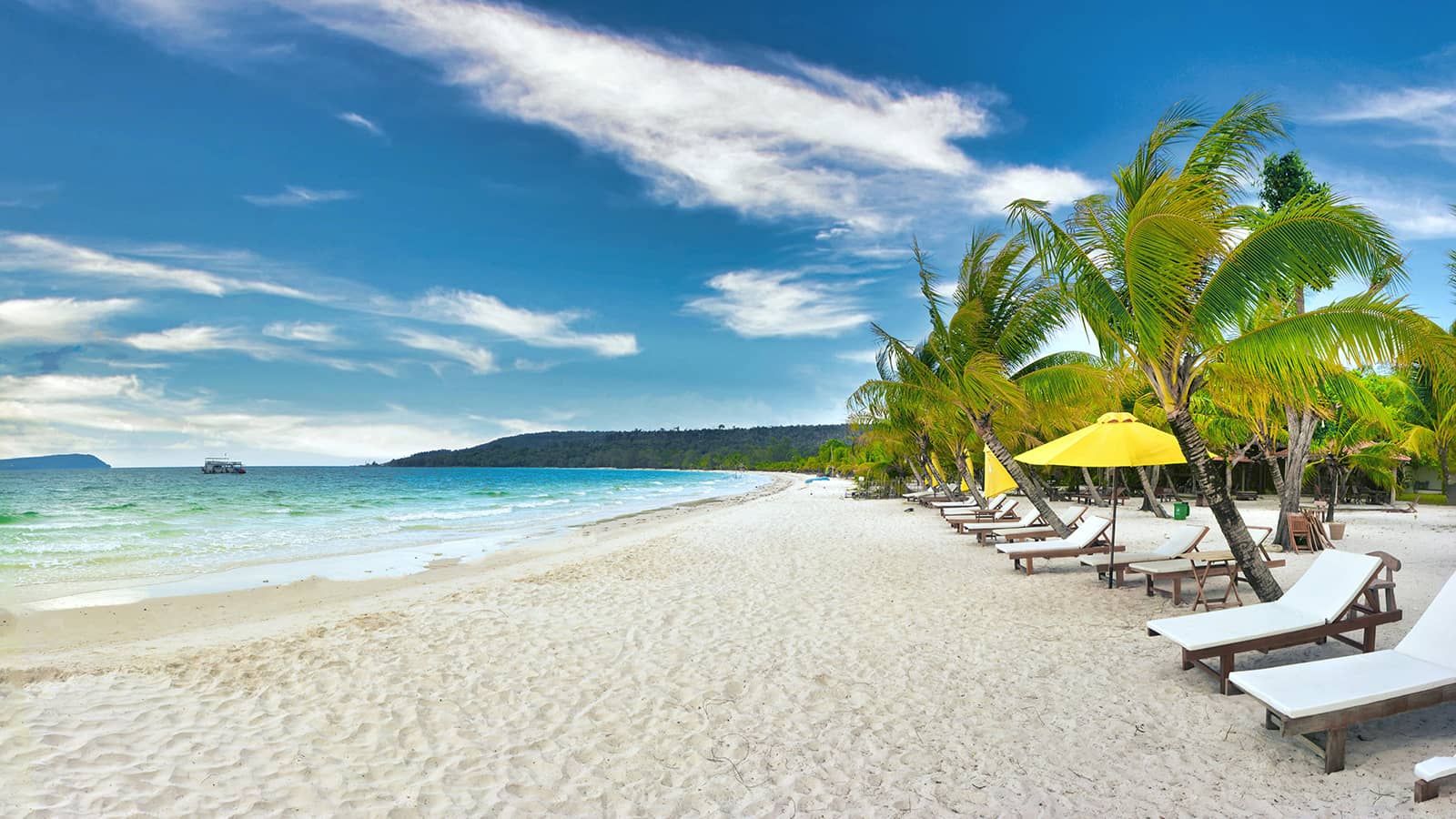
📷 Featured image by Yves Cedric Schulze on Unsplash.