On this page
- Perhentian Islands: Marine Paradise in the South China Sea
- Diving the Perhentians: Underwater Treasures
- Perhentian Logistics: Reaching the Islands
- Taman Negara: Earth’s Oldest Rainforest
- Trekking Routes and Rainforest Trails
- Wildlife Encounters in Ancient Forest
- Accommodation: Beach Chalets to Jungle Lodges
- Optimal Timing for Both Destinations
- Combining Perhentians and Taman Negara
- Essential Gear and Practical Considerations
- Budget Breakdown: Daily Costs by Experience Level
- Frequently Asked Questions
💰 Click here to see Malaysia Budget Breakdown
💰 Prices updated: October, 2026. Budget figures are estimates — always verify before travel.
Exchange Rate: $1 USD = RM4.08
Daily Budget (per person)
Shoestring: RM100.00 – RM180.00 ($24.51 – $44.12)
Mid-range: RM250.00 – RM450.00 ($61.27 – $110.29)
Comfortable: RM500.00 – RM1,000.00 ($122.55 – $245.10)
Accommodation (per night)
Hostel/guesthouse: RM30.00 – RM60.00 ($7.35 – $14.71)
Mid-range hotel: RM110.00 – RM200.00 ($26.96 – $49.02)
Food (per meal)
Budget meal: RM15.00 ($3.68)
Mid-range meal: RM35.00 ($8.58)
Upscale meal: RM100.00 ($24.51)
Transport
Single metro/bus trip: RM2.00 ($0.49)
Monthly transport pass: RM50.00 ($12.25)
Malaysia’s wild heart beats strongest in two places that couldn’t be more different: beneath the crystal waters surrounding the Perhentian Islands and within the ancient canopy of Taman Negara. While Langkawi draws the cruise ship crowds and Mount Kinabalu challenges serious climbers, these twin gems offer something increasingly rare in 2026 — authentic wilderness experiences where nature still calls the shots.
Perhentian Islands: Marine Paradise in the South China Sea
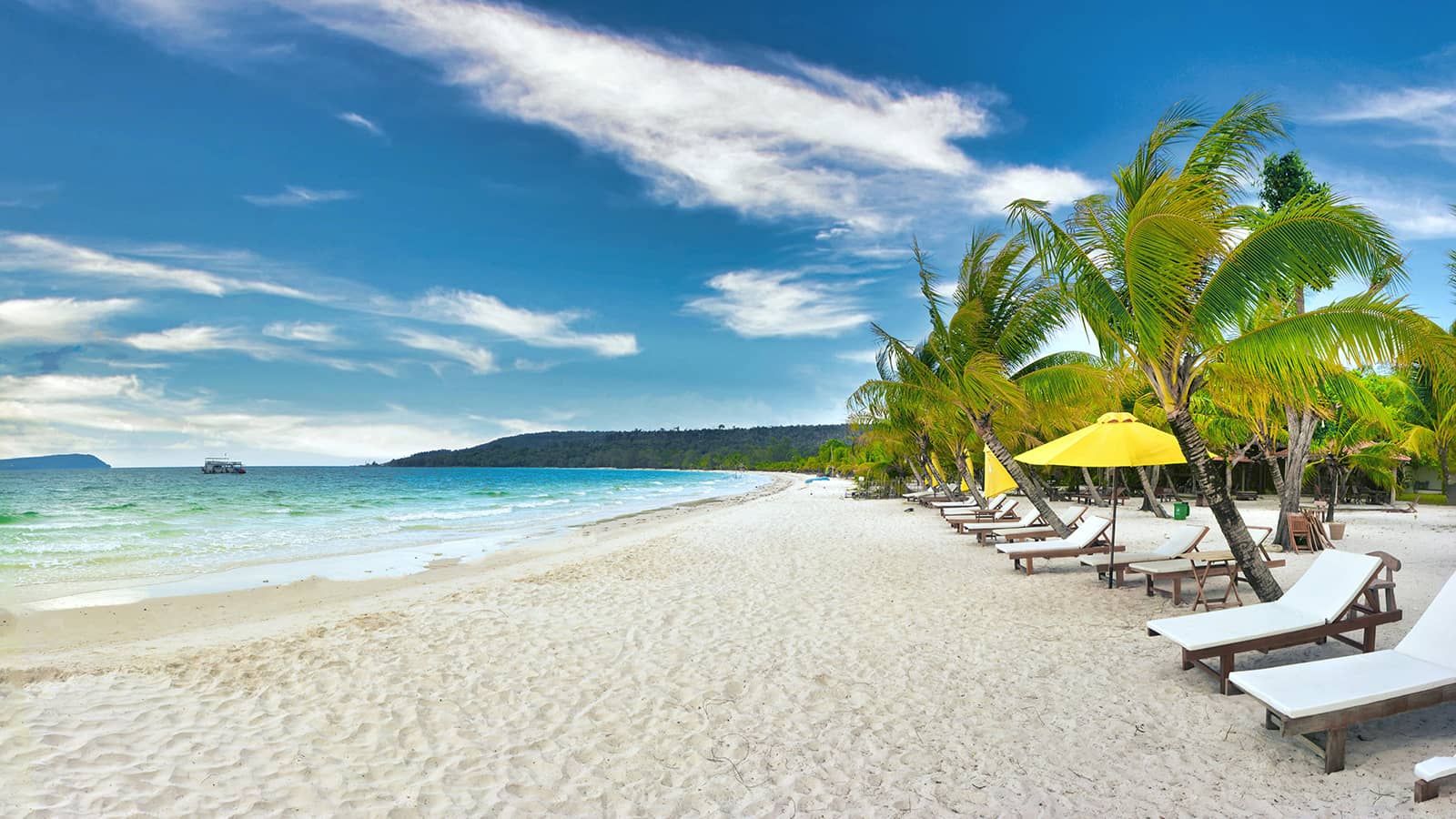
Perhentian Besar and Perhentian Kecil float like emerald jewels 20 kilometres off Terengganu’s coast, their pristine reefs bouncing back remarkably from the coral bleaching events of the early 2020s. The smaller island, Kecil, pulses with backpacker energy around Long Beach and Coral Bay, while Besar maintains a quieter rhythm punctuated by the call to prayer from its fishing village.
The islands shut down completely during northeast monsoon season (November through February), when waves crash over the beaches and dive boats stay moored. This annual rest period has become their secret weapon — coral systems regenerate while tourist pressure disappears entirely.
Malaysian Marine Parks Department’s strict limits now cap daily visitors at 2,000 across both islands, a regulation that took effect in 2025. Advanced booking through licensed operators has become essential, especially during March through October peak season. The morning dive boats queue up at Kuala Besut jetty before dawn, their engines warming as dive masters check equipment and count heads.
The water temperature holds steady at 27-29°C year-round, with visibility ranging from 15 metres on cloudy days to an exceptional 30 metres when conditions align. Afternoon storms can roll in quickly between April and September, sending snorkelers racing back to shore as lightning forks across the horizon.

Local fishing boats still operate from both islands, their colourful hulls pulled up on beaches beside modern dive vessels. Fishermen cast nets at sunrise, their silhouettes dark against the coral-pink sky, while fruit bats emerge from their roosts in the coconut palms overhead.
Diving the Perhentians: Underwater Treasures
Sugar Wreck site off Perhentian Kecil remains the crown jewel of local diving, its 1940s cargo ship now home to massive grouper, schools of barracuda, and hunting white-tip reef sharks. The wreck sits at 18 metres, making it perfect for Advanced Open Water divers ready to explore swim-throughs where angelfish glide past rusted portholes.
Temple of the Sea, a seamount between the two islands, offers the region’s most reliable big fish encounters. The underwater pinnacle rises from 35 metres to just 12 metres below the surface, creating natural upwelling that attracts everything from tiny nudibranchs to cruising grey reef sharks. The site’s deep sections require Advanced certification, but intermediate divers can work the shallower coral gardens where mandarin fish dart between brain coral formations.
Tokong Laut’s three distinct dive zones cater to different experience levels. The shallow reef at 8-12 metres teams with juvenile fish species — perfect for new divers practicing their buoyancy while schools of yellow snappers swirl around them. The wall section drops to 25 metres, where larger species hunt in the blue water beyond the reef edge.
Night diving reveals an entirely different ecosystem. Coral polyps extend their feeding tentacles, creating a underwater garden that glows under dive lights. Hunting moray eels emerge from crevices while sleeping parrotfish hover motionless in their protective mucus cocoons. The sensory shift from day to night diving proves dramatic — the reef’s daytime symphony of fish calls gives way to the subtle sounds of crustaceans and the gentle whoosh of your own breathing apparatus.

Dive centres cluster around the main beaches on both islands. Quiver Dive Centre on Kecil’s Coral Bay offers PADI courses from Open Water through Divemaster, with multi-day packages including accommodation at their beach-side chalets. Turtle Bay Divers operates from Long Beach, specializing in small-group advanced dives and underwater photography courses.
Certification courses run year-round, with Open Water programs taking 3-4 days including confined water sessions in the sheltered bays. Advanced Open Water can be completed in 2 days, with deep, navigation, night, and fish identification specialty dives available at most centres. Prices for Open Water certification range from MYR 1,200-1,500 including equipment, while fun dives cost MYR 110-130 per dive with gear.
Equipment rental runs MYR 50 per day for full gear, though most regular divers bring their own masks, fins, and snorkels. Wetsuits aren’t essential given the warm water, but many divers prefer 3mm suits for multiple daily dives or extended bottom times.
Perhentian Logistics: Reaching the Islands
Kuala Besut serves as the sole gateway to the Perhentians, its concrete jetty crowded with speedboats and their captains calling out destinations. The fishing town transforms each morning into organized chaos as boats load passengers, dive gear, and supplies for the 45-minute crossing to either island.
Getting to Kuala Besut from Kuala Lumpur requires either flying to Kota Bharu (1.5 hours flight time) followed by a 2-hour taxi ride, or taking the overnight bus directly to Kuala Besut (8-9 hours). Malaysia Airlines and AirAsia operate daily KL-Kota Bharu flights from MYR 180-320 depending on booking timing, while bus tickets through companies like Transnasional cost MYR 45-65 for VIP coaches with reclining seats and air conditioning.
Boat schedules depend entirely on weather and passenger loads, with the first departures typically leaving around 8:30 AM and the last returns from the islands by 4:30 PM. Rough seas can cancel service with little notice — the boat operators make safety calls based on wave height and wind conditions each morning.

Round-trip boat transfers cost MYR 70 per person, with luggage transported free up to reasonable limits. Dive gear and large backpacks pose no problems, but the boats fill quickly during peak season. Purchasing boat tickets in advance through your accommodation often guarantees space on preferred departure times.
Inter-island transfers between Besar and Kecil run regularly throughout the day for MYR 15-20 one-way. Water taxis can be arranged for MYR 40-50, useful when carrying dive gear or arriving at less convenient times.
The Marine Parks entry fee of MYR 30 for Malaysian residents and MYR 30 for foreign visitors gets collected at Kuala Besut jetty before boarding. Keep your receipt — it’s valid for five days and may be checked on the islands.
Taman Negara: Earth’s Oldest Rainforest
Taman Negara’s 4,343 square kilometres encompass the planet’s oldest tropical rainforest, a living museum that has remained virtually unchanged for 130 million years. Ancient dipterocarp trees tower 60 metres overhead, their massive buttressed trunks creating cathedral-like spaces where shafts of filtered sunlight illuminate the forest floor.
The park straddles three states — Pahang, Kelantan, and Terengganu — with its primary entry point at Kuala Tahan in Pahang. The Tembeling River forms the park’s main artery, its tea-coloured waters carrying boats between the entrance and interior research stations established decades ago by Malaysian and international scientists.
Indigenous Orang Asli communities, primarily the Batek people, have called this forest home for thousands of years. Their traditional knowledge of medicinal plants, animal behavior, and sustainable hunting practices offers visitors insights into rainforest living that no textbook can provide. Guided walks with Orang Asli guides reveal a forest layered with meaning — every tree, stream, and animal track tells a story.

Park regulations implemented in 2025 now require all overnight treks beyond the Kuala Tahan area to use licensed guides. This protects both visitors and the forest itself, as inexperienced trekkers had been creating unauthorized campsites and disturbing sensitive wildlife areas. Day hikes on established trails near the entrance remain self-guided, but venturing deeper requires proper permits and local expertise.
The forest operates on its own schedule, independent of human plans. Dawn brings the territorial calls of siamang gibbons echoing through the canopy, while dusk awakens the nocturnal chorus of frogs, insects, and night birds. The humidity feels like a living thing, wrapping around everything in a warm, oxygen-rich embrace that takes newcomers several days to fully adjust to.
Research stations scattered throughout the park offer glimpses into ongoing scientific work. The Canopy Walk, suspended 45 metres above ground, provides access to the forest’s aerial highway where hornbills, flying squirrels, and countless insect species live out entire lifecycles without ever touching the ground.
Trekking Routes and Rainforest Trails
The Canopy Walk stands as Taman Negara’s most famous feature, though calling it a “walk” understates the experience. The 530-metre suspended bridge system sways gently 45 metres above the forest floor, offering face-to-face encounters with the rainforest’s aerial residents. Red-billed malkohas call from nearby branches while oriental pied hornbills cruise past at eye level, their distinctive casques gleaming in the filtered sunlight.
Bukit Teresek trail provides the perfect introduction to rainforest hiking — a 2-hour return trek through primary forest to a 344-metre summit with panoramic views across the green ocean of treetops. The trail passes massive strangler figs, their roots forming living columns around long-dead host trees, while marker posts identify key plant species and their traditional uses.

Gunung Tahan, Peninsular Malaysia’s highest peak at 2,187 metres, represents the ultimate Taman Negara challenge. The 55-kilometre return trek requires 7-9 days, passing through distinct forest zones from lowland dipterocarp through montane cloud forest. Nights spent in basic shelters or camping under tarps provide intimate forest encounters — the sounds of nocturnal animals moving through the undergrowth just metres from your sleeping bag.
The Tahan trail demands serious preparation and fitness. Stream crossings can become dangerous during heavy rains, while the final summit push involves scrambling over exposed granite faces. Guide fees for the full trek start at MYR 300 per day, plus porter costs for those wanting assistance with heavy packs.
Shorter overnight options include the Tenor trail (2 days) and Yong trail (3 days), both offering deep forest camping without the extreme commitment of Gunung Tahan. These routes pass through areas where Asian elephants create muddy wallows and tigers leave scratch marks on tree trunks — reminders that humans remain visitors in this ancient ecosystem.
Day hikers can explore numerous shorter trails without guides. The Bukit Indah trail (1 hour) leads to limestone caves where fruit bats roost during daylight hours, while the Kemah Keladang trail (4 hours return) follows old logging roads to an abandoned Orang Asli settlement site. These self-guided options require trail maps available at park headquarters for MYR 5.
River-based trekking combines boat transport with forest walking. The Lata Berkoh trail begins with a 2-hour boat ride up the Tahan River to a series of rapids and swimming holes carved into ancient granite. The forest sections involve river crossings and steep climbs, with guides pointing out medicinal plants and animal tracks along the way.

Night walks reveal the forest’s hidden life. Nocturnal mammals like slow lorises and flying squirrels emerge after dark, while countless insect species create a symphony of clicks, chirps, and whistles. The sensory shift proves dramatic — familiar daylight trails become alien landscapes where every rustle could hide a tapir or leopard cat.
Wildlife Encounters in Ancient Forest
Asian elephants move through Taman Negara in family groups, their presence announced by broken branches, muddy footprints, and the occasional trumpet call echoing through the trees. Salt licks scattered throughout the park draw herbivores during dawn and dusk hours, creating natural wildlife viewing opportunities for patient observers.
The Kumbang hide overlooks one such salt lick, its wooden platform positioned 15 metres above a natural clearing where elephants, tapirs, and various deer species gather to consume mineral-rich earth. Overnight stays in the hide require advance booking and considerable patience — animals operate on their own schedules, not tourist timelines.
Tapirs, Malaysia’s national animal, prove surprisingly elusive despite their substantial size. These prehistoric-looking mammals prefer thick secondary forest and stream edges, emerging primarily at night to browse on leaves and fallen fruit. Their distinctive black-and-white coloring provides perfect camouflage in the dappled forest light.
Over 350 bird species call Taman Negara home, from tiny sunbirds that hover at flowering trees to the magnificent great argus pheasant whose haunting calls carry for kilometres through the forest. Hornbills remain the stars — rhinoceros hornbills, oriental pied hornbills, and bushy-crested hornbills cruise between fruiting trees in noisy flocks that can be heard long before they come into view.
Tiger sightings occur rarely but remain possible. Fresh pugmarks in muddy stream beds and claw marks on tree trunks provide evidence of their presence, while camera trap data suggests 25-30 individuals roam the park’s interior. Night walks occasionally reveal the bright eye-shine of leopard cats, civets, and other small predators hunting in the understory.

Primate encounters happen daily for observant trekkers. Long-tailed macaques gather at river edges during afternoon heat, while white-handed gibbons announce territory boundaries with their haunting dawn songs. The rare spectacled langur, with its distinctive orange coloring, prefers the highest forest canopy where they feed on young leaves.
Insect diversity exceeds imagination — stick insects longer than pencils, beetles that glow with bioluminescent light, and moths with wingspans approaching 25 centimetres. Night walks with UV flashlights reveal an entirely different ecosystem where countless species emerge after dark to feed, mate, and hunt.
River cruises on the Tembeling and Tahan rivers provide different wildlife perspectives. Kingfishers flash blue across the water while monitor lizards bask on fallen logs. Evening boat trips often encounter fruit bats streaming from their roosts and the occasional fishing cat hunting along muddy riverbanks.
Snake encounters require respectful distance and guide expertise for proper identification. Reticulated pythons, king cobras, and various pit vipers inhabit the forest, while harmless species like paradise flying snakes and green tree pythons often get mistaken for dangerous varieties by inexperienced visitors.
Accommodation: Beach Chalets to Jungle Lodges
Perhentian accommodation ranges from basic beach chalets with shared bathrooms to luxury eco-resorts with private dive boats. Long Beach on Kecil offers the densest collection of budget options — simple wooden chalets on stilts where the sound of waves lapping the shore provides natural air conditioning and gecko calls serve as your wake-up alarm.
Mama’s Place and Ombak Cafe represent classic backpacker haunts, their beachfront chalets costing MYR 50-80 per night for fan-cooled rooms with mosquito nets and private bathrooms. The social atmosphere peaks during evening hours when travelers gather on beach terraces sharing dive stories and rum punches while fishing boats return with the day’s catch silhouetted against sunset skies.

Mid-range options like Tuna Bay Resort and Coral View Resort provide air-conditioned comfort for MYR 150-250 per night, often including breakfast and snorkeling gear. These properties occupy prime beachfront locations with restaurant terraces extending over the sand, where you can spot reef fish swimming in the shallow water between your feet.
Perhentian Island Resort on Besar’s western shore offers luxury accommodation with private beaches, spa services, and organized dive programs. Rates start at MYR 400 per night for garden-view rooms, rising to MYR 800 for beachfront chalets with private decks overlooking the South China Sea.
Taman Negara accommodation centers around Kuala Tahan village, where floating chalets line the Tembeling River. These traditional structures on stilts provide authentic rainforest ambiance — the sound of flowing water mingles with forest calls while flying foxes pass overhead during evening hours.
Mutiara Taman Negara Resort offers the area’s most comfortable lodging, with air-conditioned chalets featuring private balconies overlooking the river. Rates range from MYR 280 for standard rooms to MYR 450 for premium chalets with forest views. The resort’s restaurant terrace provides excellent wildlife viewing opportunities, especially during evening feeding times when hornbills visit fruiting trees.
Budget travelers can choose from numerous guesthouses in Kuala Tahan village, with basic rooms starting at MYR 40 per night. These family-run operations provide fans, mosquito nets, and shared bathroom facilities, plus the opportunity to interact with local families who’ve lived beside the rainforest for generations.
Camping inside the park requires permits (MYR 1 per person per night) and designated campsites. The experience proves unforgettable — falling asleep to the sounds of nocturnal forest life while stars shine through gaps in the canopy overhead. Camping gear can be rented in Kuala Tahan for MYR 25-40 per day.

Jungle lodges at interior locations like Tahan and Tenor camps provide basic shelter for multi-day trekkers. These consist of raised wooden platforms with corrugated roofs where trekkers spread sleeping bags and cook simple meals. The isolation creates profound connection with the forest environment — no electricity, no phone signal, just the ancient rhythms of one of Earth’s oldest ecosystems.
Optimal Timing for Both Destinations
The Perhentians operate on a strict seasonal schedule dictated by monsoon patterns. Islands and dive operations shut down completely from November through February when northeast monsoon winds drive heavy seas and constant rainfall. Attempting to visit during closure period proves impossible — no boats run and accommodations remain boarded up.
March marks the grand reopening as dive centres return to service and accommodations welcome their first guests after the four-month hiatus. Early season brings advantages: fewer crowds, lower prices, and coral reefs refreshed by their winter rest period. Water visibility reaches its annual peak during March and April before seasonal plankton blooms reduce clarity.
Peak season runs from July through September when Malaysian school holidays and European summer vacations converge. Prices increase 30-50% while popular dive sites become crowded with multiple boat groups. Advanced booking becomes essential during these months, especially for certification courses and quality accommodation.
Taman Negara remains accessible year-round, though seasonal patterns strongly influence the experience. The dry season from March through September provides the most comfortable trekking conditions, with lower humidity, fewer leeches, and reduced rainfall creating easier stream crossings.
Wildlife viewing peaks during different periods for various species. Fruit trees bloom and bear fruit from April through August, attracting hornbills, primates, and other fruit-eating species in spectacular numbers. Salt lick activity increases during dry months when animals concentrate around reliable water sources.
The wet season (October through February) transforms the forest into a different ecosystem. Rivers rise and streams become torrents, while increased humidity supports explosive insect populations. Photography becomes challenging due to frequent rainfall, but the forest’s life forces reach their annual peak.
Festival periods affect both destinations. Chinese New Year (January/February) coincides with Perhentian closure but creates domestic travel peaks that impact Taman Negara accommodation availability. Hari Raya celebrations in late spring can limit transport options and increase local visitor numbers at both locations.
Weather patterns have shifted slightly in recent years due to climate change. Rainfall arrives less predictably, while temperature variations have decreased. These changes particularly affect diving visibility on the Perhentians, where traditional seasonal patterns now show more variation.
Bird migration periods offer spectacular wildlife viewing in Taman Negara. October through December brings Siberian and Chinese species seeking tropical wintering grounds, while March and April see mass movements as birds return to northern breeding areas.
Combining Perhentians and Taman Negara
The 500-kilometre distance between destinations requires careful planning but rewards travelers with Malaysia’s most dramatic ecosystem contrast — from coral gardens teeming with tropical fish to ancient rainforest where tigers still hunt beneath towering trees that witnessed the age of dinosaurs.
Logical routing connects both destinations through Kuala Lumpur, where domestic flights and bus networks converge. Flying KL-Kota Bharu provides the fastest Perhentians access, while buses and trains serve Taman Negara more economically through Kuala Tembeling station.
Two-week itineraries work perfectly for experiencing both locations without rushing. Spend 6-7 days on the Perhentians for diving certification plus leisure time, followed by 5-6 days in Taman Negara covering canopy walks, day treks, and one overnight camping experience. This pacing allows for weather delays and spontaneous extensions when conditions prove particularly favorable.
Transport logistics require advance planning, especially during peak seasons. Book Perhentian boat transfers through accommodation providers to guarantee space, while Taman Negara guide services need reservation 1-2 weeks ahead for popular trails and overnight treks.
Gear considerations differ dramatically between destinations. Diving equipment stays useful only on the Perhentians, while Taman Negara requires hiking boots, rain gear, and insect repellent. Many travelers ship diving equipment home from Kuala Besut rather than carrying it to the rainforest.
Budget allocation varies significantly between locations. Perhentian costs concentrate on diving activities and island accommodation premiums, while Taman Negara expenses focus on guide fees and specialized trekking gear. Daily spending typically runs 40-60% higher on the islands due to limited supplies and remote location markups.
Seasonal timing becomes crucial when combining both destinations. The Perhentians’ closure during monsoon season (November-February) eliminates winter travel options, while Taman Negara’s wet season creates challenging trekking conditions. Optimal combined timing falls between March and October, with April-May and September-October offering the best weather at both locations.
Cultural contrasts prove as striking as environmental differences. Perhentian island life revolves around sea and fishing communities, while Taman Negara connects visitors with indigenous forest cultures and Malaysia’s pre-Islamic heritage. Orang Asli guides share entirely different perspectives on natural resource use compared to coastal fishing families.
Physical demands escalate significantly moving from water-based activities to rainforest trekking. Consider scheduling Perhentian time first for relaxation and fitness building, then tackling more demanding Taman Negara trails when dive-conditioned muscles are ready for forest challenges.
Essential Gear and Practical Considerations
Perhentian packing centers around water activities and beach life. Quick-dry clothing proves essential when moving between air-conditioned boat rides and tropical heat, while reef-safe sunscreen protects both skin and coral systems. Underwater cameras require waterproof housing rated for diving depths, though rental options exist at most dive centres.
Diving gear rental costs MYR 50 per day for complete equipment, but experienced divers often prefer personal masks, fins, and snorkels for fit and hygiene reasons. Wetsuits aren’t necessary in 28°C water, though thin rashguards prevent jellyfish stings and coral scrapes during long diving days.
Taman Negara demands entirely different preparation. Hiking boots with ankle support become essential for muddy trails and stream crossings, while quick-dry pants and long sleeves protect against leeches, thorns, and insects. Rain gear saves entire expeditions when afternoon storms transform trails into rushing streams.
Insect protection requires multiple strategies in the rainforest. DEET-based repellents (25-30% concentration) provide baseline protection, while permethrin-treated clothing adds an extra barrier against mosquitoes, ticks, and chiggers. Leech socks — thin fabric tubes that extend above hiking boots — prevent these bloodsuckers from reaching skin.
Headlamps prove indispensable for both destinations. Night diving on the Perhentians reveals nocturnal marine life, while forest night walks and early morning wildlife viewing require hands-free illumination. Pack extra batteries and backup lights — tropical humidity quickly drains electronic devices.
First aid kits need customization for each environment. Island activities risk cuts from coral and fish spines, requiring antiseptic and waterproof bandages. Forest trekking brings different hazards — leech bites, infected scratches, and potential snake encounters — demanding different medical supplies.
Communication capabilities vary dramatically between locations. Perhentian resorts offer Wi-Fi for MYR 10-20 per day, while forest interior areas have zero cell coverage. Satellite communicators provide emergency contact options for serious trekkers but cost MYR 50-80 per day to rent.
Water safety takes different forms at each destination. Perhentian tap water comes from desalination and rain collection systems of variable quality — bottled water costs MYR 5-8 but ensures safety. Taman Negara streams and rivers require purification tablets or UV sterilizers for drinking, though boiled water stays available at most accommodations.
Cash remains essential at both destinations. Perhentian ATMs exist but frequently run empty during peak periods, while Taman Negara has no banking facilities beyond basic money changers. Bring sufficient Malaysian Ringgit for entire stays, plus emergency reserves for transport delays or extended weather-related delays.
Photography equipment needs weather protection at both locations. Underwater housing for marine photography runs MYR 80-150 per day to rent, while forest conditions require rain covers and silica gel packets to prevent lens fog in high humidity conditions.
Budget Breakdown: Daily Costs by Experience Level
Budget Traveler (MYR 150-220 per day)
Perhentian Islands budget travel centers around basic beach chalets (MYR 50-80 per night) with fan cooling and shared or private bathrooms. Meals at local warung and beach cafes cost MYR 15-25 per dish, with fresh seafood and Malaysian standards like nasi lemak and mie goreng readily available. Fun diving runs MYR 110-130 per dive with equipment, while snorkeling gear rental costs MYR 15 per day.
Taman Negara budget accommodations include floating chalets in Kuala Tahan (MYR 40-60 per night) or camping permits (MYR 1 per night) for those carrying tents. Local restaurant meals range from MYR 8-15, with simple rice and curry dishes providing hearty fuel for forest activities. Self-guided day hikes require only park entry fees (MYR 1 for locals, MYR 1 for foreigners), while canopy walk access costs MYR 5.
Transport expenses vary seasonally but budget travelers can minimize costs through advance booking and flexible timing. Bus travel to both destinations runs MYR 45-65 from Kuala Lumpur, while boat transfers to Perhentians cost MYR 70 return. Local guides for Taman Negara day treks charge MYR 150-200, splitting costs among group members reduces per-person expenses.
Mid-Range Traveler (MYR 350-500 per day)
Mid-range Perhentian stays upgrade to air-conditioned chalets (MYR 150-250 per night) with private bathrooms and often beachfront locations. Restaurant meals expand to include resort dining and specialty seafood dishes (MYR 25-40 per meal), while diving packages with accommodation deals reduce per-dive costs to MYR 90-110.
Taman Negara mid-range options include comfortable resort chalets (MYR 200-350 per night) with forest or river views. Guided overnight treks cost MYR 300-400 per day including guide fees and basic meals, while specialized activities like night walks and wildlife hide stays add MYR 50-100 each.
Transport upgrades include direct flights to Kota Bharu (MYR 180-320) and private boat charters for island transfers (MYR 200-300). Internal transport between destinations benefits from taxi services and private vehicle arrangements that provide flexibility and comfort.
Comfortable Traveler (MYR 600-900 per day)
Luxury Perhentian resorts offer beachfront suites (MYR 400-800 per night) with private decks, spa services, and dedicated dive boat access. Fine dining experiences feature fresh lobster, imported steaks, and wine selections (MYR 60-120 per meal), while private diving guides and boat charters provide exclusive underwater experiences.
Taman Negara luxury involves premium eco-lodges (MYR 500-750 per night) with naturalist guides, specialized wildlife tracking equipment, and gourmet meals featuring local ingredients. Private guide services cost MYR 500-750 per day but provide expert knowledge and customized experiences based on specific interests.
Premium transport includes helicopter transfers to remote locations (MYR 800-1,200) and chartered boats for exclusive island access. These options provide time savings and unique perspectives but require advance arrangements and weather-dependent scheduling.
Additional Costs to Consider
Diving certification courses add significant one-time expenses — PADI Open Water costs MYR 1,200-1,500, while Advanced Open Water runs MYR 800-1,000. Underwater photography courses and specialized diving instruction range from MYR 400-600 per specialty.
Travel insurance becomes essential for both diving and trekking activities. Policies covering diving to 30 metres and wilderness trekking cost MYR 80-150 for two-week coverage, depending on age and medical history. Evacuation coverage proves particularly important for remote Taman Negara locations.
Gear purchases can exceed rental costs for extended stays. Quality diving masks, fins, and snorkels cost MYR 200-400 total, while essential Taman Negara gear like hiking boots, rain jackets, and technical clothing ranges from MYR 400-800 for complete outfitting.
Tips and gratuities follow Malaysian customs — 10% for good restaurant service, MYR 20-50 per day for dive boat crews, and MYR 50-100 per day for Taman Negara guides, depending on group size and service quality. These amounts show appreciation for expertise and ensure future quality service.
Frequently Asked Questions
Can I visit both the Perhentians and Taman Negara during the same trip?
Yes, both destinations complement each other perfectly and can be combined in a 10-14 day itinerary. Plan the Perhentians first for diving and beach relaxation, then move to Taman Negara for trekking. Avoid November-February when the Perhentians close completely during monsoon season.
What diving certification level do I need for the Perhentian Islands?
Open Water certification allows access to most sites including the popular Sugar Wreck at 18 metres depth. Advanced Open Water opens deeper sites like Temple of the Sea’s lower sections. Complete beginners can earn Open Water certification directly on the islands through 3-4 day courses.
Is it safe to trek in Taman Negara without a guide?
Day hikes near Kuala Tahan on marked trails are safe for experienced hikers with proper maps. However, overnight treks and routes beyond the immediate park entrance require licensed guides as of 2025 — both for safety and forest protection reasons.
When is the best weather for visiting both destinations?
March through May and September through October offer optimal conditions. The Perhentians enjoy calm seas and excellent visibility, while Taman Negara has comfortable temperatures and active wildlife. Avoid November-February when monsoons close the islands and create challenging forest conditions.
What budget should I plan for a two-week trip combining both locations?
Budget travelers need MYR 2,100-3,100 total, mid-range travelers should plan MYR 4,900-7,000, while comfortable experiences cost MYR 8,400-12,600. These ranges include accommodation, meals, activities, and transport but exclude international flights and major gear purchases like diving equipment.
Explore more
Best Islands in Malaysia: Your Ultimate Guide to Tropical Paradise
Beyond Kuala Lumpur: Your Guide to Malaysia’s Best Regional Adventures
What to Buy in Malaysia: The Ultimate Souvenir & Gift Guide
Where to Eat in Penang: Top Hawker Centers & Hidden Local Restaurants