On this page
- Northern Peninsular Malaysia: Penang’s Heritage and Langkawi’s Nature
- East Coast Adventures: Terengganu’s Islands and Pahang’s Highlands
- Southern Peninsula: Malacca’s History and Johor’s Modern Appeal
- Malaysian Borneo: Sabah’s Wildlife and Sarawak’s Culture
- Budget Planning for Multi-Region Malaysian Adventures
- Frequently Asked Questions
💰 Click here to see Malaysia Budget Breakdown
💰 Prices updated: October, 2026. Budget figures are estimates — always verify before travel.
Exchange Rate: $1 USD = RM4.08
Daily Budget (per person)
Shoestring: RM100.00 – RM180.00 ($24.51 – $44.12)
Mid-range: RM250.00 – RM450.00 ($61.27 – $110.29)
Comfortable: RM500.00 – RM1,000.00 ($122.55 – $245.10)
Accommodation (per night)
Hostel/guesthouse: RM30.00 – RM60.00 ($7.35 – $14.71)
Mid-range hotel: RM110.00 – RM200.00 ($26.96 – $49.02)
Food (per meal)
Budget meal: RM15.00 ($3.68)
Mid-range meal: RM35.00 ($8.58)
Upscale meal: RM100.00 ($24.51)
Transport
Single metro/bus trip: RM2.00 ($0.49)
Monthly transport pass: RM50.00 ($12.25)
Malaysia’s tourism recovery accelerated dramatically in 2026, with domestic travel surging 40% as Malaysians rediscover their own backyard while international visitors venture beyond the usual Kuala Lumpur-Singapore corridor. The challenge isn’t finding amazing destinations—it’s choosing which incredible regions to prioritize when your time is limited.
Northern Peninsular Malaysia: Penang’s Heritage and Langkawi’s Nature
The northern states offer Malaysia’s most accessible regional diversity, connected by efficient bus networks and short domestic flights from KL’s revamped KLIA2 terminal.
Penang remains the crown jewel, where Georgetown’s UNESCO heritage zone buzzes with morning dim sum sessions at traditional coffee shops. The aromatic waft of char kway teow sizzling over charcoal fires fills Gurney Drive’s hawker stalls by 6 PM, while the Blue Mansion’s indigo walls glow under heritage streetlights. The state’s new Penang Sentral transport hub, completed in early 2026, streamlines connections between the island, mainland Butterworth, and onward destinations.
Two hours north by road, Langkawi’s duty-free status makes it Malaysia’s most affordable beach destination. The cable car to Mount Mat Cincang now operates extended hours until 8 PM, offering sunset views across the Andaman Sea. Pantai Cenang’s beachfront has evolved beyond budget backpacker territory—mid-range resorts with infinity pools and spa facilities cater to families and couples seeking tropical luxury without Maldivian prices.
Kedah’s rice paddies between these destinations offer rural experiences often overlooked by international visitors. The traditional fishing village of Kuala Kedah provides authentic coastal culture without tourist markup pricing, while Alor Setar’s state museum complex showcases northern Malaysian history through interactive exhibits that opened in late 2025.
East Coast Adventures: Terengganu’s Islands and Pahang’s Highlands
The east coast rewards adventurous travelers with Malaysia’s most pristine marine environments and coolest highland retreats. The challenge lies in seasonal timing—monsoon rains from November through February close many island resorts, but create perfect highland weather.

Terengganu’s Perhentian Islands reopen each March with crystal-clear visibility for snorkeling and diving. Long Beach on Perhentian Besar offers family-friendly swimming, while Coral Bay attracts backpackers seeking budget beach huts. The marine park’s turtle nesting season runs April through August—night walks to witness green turtle egg-laying require advance booking through the Department of Marine Parks, which implemented a new online reservation system in 2026.
Redang Island, accessible via Kuala Terengganu’s expanded Sultanah Nur Zahirah Airport, provides upscale beach resort experiences. The island’s house reef produces some of Malaysia’s best beginner diving, with visibility often exceeding 20 meters during calm seasons. Day trips to nearby Pulau Lima combine multiple snorkeling spots with traditional Malay lunch served on pristine white sand beaches.
Inland Pahang balances the coastal heat with Cameron Highlands’ strawberry farms and tea plantations. The winding road from Tapah has been completely resurfaced in 2026, reducing travel time to major hill stations. Tanah Rata serves as the main hub, where morning mist clings to rolling tea estates that stretch toward the Thai border. The region’s new eco-tourism initiatives include guided jungle walks to spot endemic bird species and visits to sustainable farming projects growing everything from passion fruit to herbs for traditional medicine.
Fraser’s Hill, less crowded than Cameron Highlands, maintains its colonial-era charm with Tudor-style architecture and cool mountain air. The resort town’s annual International Bird Race each June attracts ornithologists from across Southeast Asia, seeking to spot rare mountain species like the Malaysian Whistling Thrush.
Southern Peninsula: Malacca’s History and Johor’s Modern Appeal
Southern Malaysia combines UNESCO heritage with cutting-edge development, easily accessed via the North-South Expressway or KTM’s upgraded intercity rail services that now offer WiFi and power outlets in all carriages.

Malacca (Melaka) distills 600 years of Southeast Asian history into a compact city center walkable in half a day. Portuguese, Dutch, British, and Peranakan influences layer the architecture along Heeren Street and Jonker Street. The weekend night market transforms Jonker Street into a food paradise where the tangy sweetness of cendol with coconut milk and palm sugar provides relief from the tropical humidity. Trishaw rides past the ancient Christ Church and Stadthuys offer kitsch appeal, but walking reveals architectural details like carved wooden shophouse facades and Peranakan ceramic tiles.
The state’s coastal areas beyond the city center offer different perspectives. Tanjung Bidara Beach provides local beach culture without tourist development, while the Portuguese Settlement maintains centuries-old fishing traditions alongside seafood restaurants specializing in devil curry and sugee cake.
Johor presents modern Malaysia’s most ambitious development projects. Johor Bahru’s Iskandar Malaysia special economic zone has transformed the state capital into a regional business hub with gleaming shopping malls, international hotels, and improved public transportation. The city’s proximity to Singapore creates unique opportunities—many visitors combine both destinations in extended itineraries.
Beyond the urban development, Johor’s Endau-Rompin National Park protects some of Peninsular Malaysia’s last primary rainforest. Multi-day jungle trekking leads to hidden waterfalls and swimming holes, while night safaris offer chances to spot tapirs, wild boar, and various nocturnal bird species. The park’s new visitor facilities include eco-lodges with solar power and rainwater collection systems.
Malaysian Borneo: Sabah’s Wildlife and Sarawak’s Culture
Malaysian Borneo requires serious commitment—flights from Kuala Lumpur to Kota Kinabalu or Kuching take 2.5 hours and cost significantly more than domestic peninsula travel. The rewards justify the investment: wildlife encounters impossible elsewhere and indigenous cultures maintaining traditional lifestyles.
Sabah centers around Kota Kinabalu, where the morning fish market along the waterfront displays the South China Sea’s incredible marine diversity. Mount Kinabalu, Southeast Asia’s highest peak at 4,095 meters, challenges serious hikers with a two-day climb requiring permits booked months in advance. The mountain’s lower elevations offer day hiking through cloud forests where pitcher plants and orchids thrive in the misty environment.

Sandakan provides access to Sepilok Orangutan Rehabilitation Centre, where rescued orangutans learn survival skills before release into protected forest reserves. The nearby Rainforest Discovery Centre features canopy walks suspended 25 meters above the forest floor, offering eye-level views of hornbills and other tropical bird species.
Kinabatangan River wildlife cruises reveal Borneo’s iconic species in their natural habitat. Evening boat trips spot proboscis monkeys with their distinctive large noses, pygmy elephants bathing in muddy riverbanks, and occasionally Bornean orangutans building nests in riverside trees. The crisp morning air carries the calls of over 200 bird species that inhabit the riverine forests.
Sarawak’s capital Kuching blends Chinese shophouses, Malay kampungs, and modern waterfront development along the Sarawak River. The city’s cat museum celebrates the state’s feline-themed identity with exhibits ranging from ancient Egyptian artifacts to contemporary cat art. Day trips reach traditional longhouses where Iban communities demonstrate rice wine production and handicraft weaving using techniques passed down through generations.
Mulu National Park, accessible via small aircraft from Miri, contains the world’s largest cave chamber by volume. The Deer Cave evening bat exodus sees millions of bats streaming out in massive spirals visible for kilometers across the rainforest canopy.
Budget Planning for Multi-Region Malaysian Adventures
Regional travel costs vary dramatically depending on accommodation choices, transportation methods, and dining preferences. Understanding price tiers helps optimize spending across different regions and experiences.
Budget Backpacker Tier (MYR 80-120 daily):
Hostel dormitories cost MYR 25-40 in major cities, slightly less in smaller towns. Local bus transportation between cities averages MYR 15-30 for 3-4 hour journeys. Hawker center meals range MYR 8-15, with morning coffee and toast around MYR 5. Island accommodation in basic beach huts starts at MYR 35-50 per night.

Mid-Range Comfort (MYR 200-350 daily):
Three-star hotels with air conditioning and private bathrooms cost MYR 80-150 outside KL and major tourist zones. Express bus services with reclining seats add MYR 10-20 to standard fares. Restaurant meals in air-conditioned establishments cost MYR 20-40, while hotel breakfast buffets average MYR 25-35. Mid-range island resorts charge MYR 150-250 for beachfront rooms.
Comfortable Luxury (MYR 500+ daily):
Four and five-star accommodation ranges MYR 250-600 depending on location and season. Domestic flights between regions cost MYR 150-400 return when booked in advance. Fine dining experiences in heritage hotels or contemporary restaurants cost MYR 80-150 per person. Luxury eco-lodges in national parks or premium island resorts start around MYR 400 nightly.
Additional costs include national park entrance fees (MYR 10-30), museum admissions (MYR 5-15), and activity fees like boat tours (MYR 50-150) or guided jungle walks (MYR 80-200). Travel insurance covering adventure activities costs approximately MYR 30-50 for two weeks.
Seasonal pricing significantly affects accommodation rates—Chinese New Year, Hari Raya, and school holiday periods see 50-100% increases in popular destinations. The shoulder seasons of March-May and September-November offer the best value for money across most regions.
Frequently Asked Questions
How many days do I need to explore Malaysia’s main regions properly?
Allow minimum 10-14 days to experience three different regions meaningfully. This covers 3-4 days each in northern Peninsula, east coast, and either southern Peninsula or Malaysian Borneo, plus travel time between destinations.
What’s the best time of year to visit multiple Malaysian regions?
March through May and September through November offer optimal weather across most regions. Avoid November-February for east coast islands due to monsoons, but this period provides excellent highland weather and lower accommodation rates elsewhere.

Do I need advance bookings for accommodation outside Kuala Lumpur?
Popular destinations like Penang, Cameron Highlands, and Langkawi require advance booking during weekends and holidays. Smaller towns and off-season periods allow walk-in bookings, but booking 3-7 days ahead ensures better room choices and rates.
Is it safe to drive between different Malaysian states?
Yes, the highway system is well-maintained and clearly signposted in English and Bahasa Malaysia. Exercise normal caution during night driving and heavy rainfall. International driving permits are required for foreign visitors renting vehicles.
What’s the most cost-effective way to see Malaysian Borneo from Peninsular Malaysia?
Fly directly to either Kota Kinabalu (Sabah) or Kuching (Sarawak) rather than attempting overland travel through Brunei. Budget 4-6 days minimum to justify flight costs, focusing on one state rather than trying to cover both Sabah and Sarawak in a short trip.
Explore more
Best Islands in Malaysia: Your Ultimate Guide to Tropical Paradise
East Coast Malaysia Itinerary: Beaches, Culture & Island Hopping Adventures
Malaysia’s Secret Spots: Explore Untouched Regions Beyond The Crowds
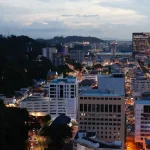
📷 Featured image by Muhammad Faiz Zulkeflee on Unsplash.