On this page
- 10-Day East Coast Route: Kuala Lumpur to Kuala Terengganu
- Terengganu’s Hidden Gems: Beyond the Tourist Trail
- Pahang’s Adventure Coast: From Cherating to Kuantan
- Kelantan Cultural Immersion: Markets, Crafts & Local Life
- Island Hopping Logistics: Redang, Perhentian & Lang Tengah
- East Coast Food Trail: Regional Specialities You Can’t Miss
- 2026 Budget Breakdown: What Your Trip Will Actually Cost
- Frequently Asked Questions
💰 Click here to see Malaysia Budget Breakdown
💰 Prices updated: October, 2026. Budget figures are estimates — always verify before travel.
Exchange Rate: $1 USD = RM4.08
Daily Budget (per person)
Shoestring: RM100.00 – RM180.00 ($24.51 – $44.12)
Mid-range: RM250.00 – RM450.00 ($61.27 – $110.29)
Comfortable: RM500.00 – RM1,000.00 ($122.55 – $245.10)
Accommodation (per night)
Hostel/guesthouse: RM30.00 – RM60.00 ($7.35 – $14.71)
Mid-range hotel: RM110.00 – RM200.00 ($26.96 – $49.02)
Food (per meal)
Budget meal: RM15.00 ($3.68)
Mid-range meal: RM35.00 ($8.58)
Upscale meal: RM100.00 ($24.51)
Transport
Single metro/bus trip: RM2.00 ($0.49)
Monthly transport pass: RM50.00 ($12.25)
The Malaysian east coast remains one of Southeast Asia’s best-kept secrets, but 2026 brings new challenges for travellers. The East Coast Rail Link (ECRL) Phase 1 now connects Kuala Lumpur directly to Kuantan in just 90 minutes, while monsoon season patterns have shifted slightly later into the year. Planning your east coast adventure requires understanding these changes alongside the region’s incredible diversity of experiences.
10-Day East Coast Route: Kuala Lumpur to Kuala Terengganu
Start your journey from KL Sentral on the new ECRL service to Kuantan (MYR 45, departing hourly from 6am). This beats the old 4-hour bus journey and drops you right in Pahang’s coastal capital. Spend two days exploring Kuantan’s revitalised riverfront and nearby Cherating Beach before taking the coastal highway north.
The drive from Kuantan to Kuala Terengganu covers 250 kilometres of stunning coastline. Stop overnight in Kemaman for fresh seafood at the night market, where grilled stingray with sambal costs just MYR 12. The aroma of charcoal-grilled fish mixed with spicy chilli paste creates an unforgettable sensory memory of east coast dining.
Kuala Terengganu serves as your base for days 4-7. The city’s traditional boat-building industry operates from Pulau Duyong, where craftsmen still construct wooden boats using centuries-old techniques. Visit during morning hours to watch artisans shaping timber hulls while the call to prayer echoes across the Terengganu River.
Reserve your final three days for island hopping from Kuala Terengganu’s Shahbandar Jetty. The Perhentian Islands offer the best snorkelling, while Redang provides luxury resorts and protected marine parks. Lang Tengah remains the quietest option for those seeking pristine beaches without crowds.
Terengganu’s Hidden Gems: Beyond the Tourist Trail
While most visitors rush to the islands, Terengganu’s mainland treasures deserve equal attention. The Crystal Mosque in Kuala Terengganu showcases modern Islamic architecture, but the real discovery lies in Kampung Losong’s traditional houses. These century-old wooden structures on stilts represent authentic Malay architecture before modern development transformed the region.

Drive 45 minutes inland to Tasik Kenyir, Southeast Asia’s largest man-made lake. The 2026 upgrade to the lake’s floating pontoons now includes solar-powered charging stations for electric vehicles and boats. Rent a houseboat for MYR 400 per night and wake up to mist rising from emerald waters surrounded by primary rainforest.
The town of Marang, 20 kilometres south of Kuala Terengganu, operates as a fishing village frozen in time. Local fishermen still use traditional nets and wooden boats painted in bright blues and yellows. The morning fish market opens at 5am when boats return with their catch, creating a bustling scene of auctioneers and buyers negotiating over fresh mackerel and snappers.
Terengganu’s batik industry centres around Kampung Chendering, where workshops welcome visitors to try hand-printing techniques. The process involves applying hot wax to fabric before dyeing, creating intricate patterns that reflect local flora and geometric Islamic designs. Finished pieces range from MYR 80 for simple scarves to MYR 500 for elaborate wall hangings.
Pahang’s Adventure Coast: From Cherating to Kuantan
Cherating Beach has evolved beyond its backpacker roots while maintaining its laid-back atmosphere. The 12-kilometre stretch of golden sand now features upscale eco-resorts alongside traditional chalets. Surf season runs from November to March, with consistent waves reaching 1-2 metres perfect for beginners and intermediates.
The Cherating Turtle Sanctuary operates nightly tours during nesting season (May to September). Green and hawksbill turtles return to these beaches where they hatched decades earlier. Tours cost MYR 25 and include witnessing actual egg-laying when conditions permit. The experience of watching a 100-kilogram turtle laboriously digging her nest in moonlit sand creates lasting memories.

Kuantan’s transformation accelerated after ECRL completion. The new Kuantan Port expansion handles increased cruise ship traffic, while the city centre features improved pedestrian areas and cycle paths. The Sultan Ahmad Shah State Mosque dominates the skyline with its four minarets visible from the airport.
Adventure seekers should explore Sungai Lembing, 42 kilometres northwest of Kuantan. This former tin mining town offers cave exploration, canopy walks, and river tubing. The old mining tunnels extend 2 kilometres underground, maintaining constant temperatures around 24°C even during Malaysia’s hottest months. Guided tours include safety equipment and cost MYR 35 per person.
Kelantan Cultural Immersion: Markets, Crafts & Local Life
Kelantan represents Malaysia’s most traditional state, where Islamic culture blends seamlessly with local customs. Kota Bharu’s central market, Pasar Siti Khadijah, operates from a distinctive blue-roofed building where women dominate as vendors. The market opens at 5am with the freshest produce arriving from rural villages throughout the state.
Traditional crafts flourish in villages surrounding Kota Bharu. Kampung Kraftangan showcases silverwork, woodcarving, and songket weaving. Master craftsmen demonstrate techniques passed down through generations, creating intricate silver jewellery using simple tools and raw silver wire. Finished pieces start at MYR 150 for simple bracelets and reach MYR 2,000 for elaborate ceremonial items.
Kelantan’s unique dialect and cultural practices distinguish it from other Malaysian states. The local language incorporates Thai influences due to historical trade connections. Traditional shadow puppet shows (wayang kulit) still perform at cultural centres, accompanied by gamelan orchestras and storytellers who narrate ancient Hindu epics adapted for local audiences.
Visit during Ramadan to experience the state’s famous bazaars. Temporary food stalls line major streets selling regional specialities like ayam percik (grilled chicken in coconut sauce) and nasi dagang (rice cooked in coconut milk). The combination of turmeric-tinted rice with fish curry creates aromatic clouds that fill entire neighbourhoods during evening iftar preparations.

Island Hopping Logistics: Redang, Perhentian & Lang Tengah
Island access from the mainland requires careful timing and advance planning. Ferry services operate from March to October, with daily departures from Kuala Terengganu’s Shahbandar Jetty and Kuala Besut for different island groups. The 2026 season introduces new high-speed catamarans that reduce travel time by 40% while maintaining competitive pricing.
Perhentian Islands split into Perhentian Besar (larger, family-friendly) and Perhentian Kecil (smaller, backpacker-oriented). Both islands maintain strict environmental regulations prohibiting motorised water sports and limiting daily visitor numbers. Snorkelling gear rents for MYR 15 per day, while guided diving trips cost MYR 120 for two dives including equipment.
Redang Island offers the most developed infrastructure with luxury resorts and protected marine parks. The island’s house reef provides excellent snorkelling directly from beaches, while boat trips to nearby Pulau Pinang reveal pristine coral gardens teeming with tropical fish. Accommodation ranges from budget chalets at MYR 80 per night to beachfront villas exceeding MYR 800.
Lang Tengah remains the quietest alternative with only four resorts and minimal development. The island’s small size means you can walk the entire perimeter in 90 minutes, discovering secluded coves and monitoring stations where marine biologists study coral regeneration projects. Day trips from Redang cost MYR 80 including snorkelling stops and beach time.
Ferry Schedules and Booking Tips
Morning departures typically offer calmer seas and better visibility for snorkelling. Book ferry tickets online through operators’ websites or purchase at jetties, but expect limited availability during Malaysian school holidays (March, June, August, December). Return tickets include island transfers and cost MYR 70-90 depending on destination and season.
East Coast Food Trail: Regional Specialities You Can’t Miss
East coast cuisine differs significantly from west coast Malaysian food, emphasising fresh seafood and coconut-based preparations. Keropok lekor, Terengganu’s signature fish crackers, are hand-rolled and fried fresh at roadside stalls. The chewy texture and subtle fish flavour pair perfectly with spicy chilli sauce that locals consume at breakfast, lunch, and dinner.

Nasi dagang represents Kelantan and Terengganu’s breakfast staple. Unlike regular white rice, this dish uses glutinous rice cooked in coconut milk with fenugreek, creating a slightly yellow colour and rich flavour. Traditional accompaniments include fish curry, hard-boiled eggs, and pickled vegetables. The best versions appear at morning markets where vendors prepare small batches ensuring maximum freshness.
Laksa Terengganu differs dramatically from Penang or Johor versions. This white-coloured soup uses fish stock and coconut milk instead of spicy tamarind broth. Fresh herbs like Vietnamese mint and bean sprouts add texture, while a squeeze of lime provides acidity. Authentic bowls cost MYR 8-12 at local coffee shops, particularly those near fishing ports where ingredients arrive daily.
Seafood barbecue reaches its peak along east coast beaches. Fishermen grill their catch directly on charcoal fires, seasoning with local spices and coconut oil. Whole fish, prawns, and squid develop smoky flavours that complement the natural sweetness of ultra-fresh seafood. Prices vary by catch and season but expect MYR 25-40 for a complete grilled fish dinner.
2026 Budget Breakdown: What Your Trip Will Actually Cost
Budget Traveller (MYR 150-200 per day):
- Accommodation: Budget guesthouses and chalets (MYR 40-60)
- Transportation: Local buses and shared taxis (MYR 30-50)
- Meals: Street food and local restaurants (MYR 35-45)
- Activities: Beach access, basic snorkelling gear rental (MYR 20-30)
Mid-Range Traveller (MYR 300-450 per day):
- Accommodation: 3-star hotels and resort chalets (MYR 120-180)
- Transportation: Private car rental with driver (MYR 80-120)
- Meals: Mix of local and tourist restaurants (MYR 60-80)
- Activities: Guided tours, snorkelling trips, cultural experiences (MYR 80-120)

Comfortable Traveller (MYR 600-900 per day):
- Accommodation: 4-5 star resorts and luxury chalets (MYR 300-500)
- Transportation: Private vehicle or ECRL first class (MYR 100-150)
- Meals: Resort dining and upscale local restaurants (MYR 120-180)
- Activities: Diving certification, private island trips, spa treatments (MYR 150-250)
Additional 2026 Costs
Marine park entry fees increased to MYR 30 for adults (MYR 15 for children) to fund conservation efforts. Tourist tax at registered accommodations costs MYR 3-10 per night depending on star rating. Ferry surcharges during peak season (Malaysian school holidays) add MYR 20-30 to standard ticket prices.
The new East Coast Tourist Card, launched in early 2026, offers discounts on attractions and dining for MYR 89. Valid for 30 days, it includes free museum entries, 15% restaurant discounts, and priority ferry booking. Purchase online or at major hotels and tourist information centres.
Frequently Asked Questions
When is the best time to visit the east coast?
March to October offers the driest weather and calmest seas. Monsoon season (November-February) brings heavy rains and rough conditions that close most islands to tourism.
How do I get from Kuala Lumpur to the east coast?
The new ECRL train reaches Kuantan in 90 minutes for MYR 45. Alternatively, buses to Kuala Terengganu take 5-6 hours and cost MYR 35-45 depending on operator.
Which east coast islands are best for beginners?
Redang offers calm waters and easy beach access for snorkelling. Perhentian Besar provides family-friendly facilities, while Perhentian Kecil suits budget travellers seeking a social atmosphere.
Do I need advance bookings for island accommodation?
Yes, especially March-April and June-August when Malaysian school holidays create high demand. Many islands have limited accommodation options that fill quickly during peak periods.
What should I pack for an east coast trip?
Reef-safe sunscreen, quick-dry clothing, waterproof phone case, and comfortable walking shoes. Snorkelling gear is available for rent, but bringing your own ensures better fit and hygiene.
Explore more
Go Beyond Kuala Lumpur: Discover Malaysia’s Best Off-the-Beaten-Path Destinations
Beyond Kuala Lumpur: Your Guide to Malaysia’s Best Regional Adventures
Best Islands in Malaysia: Your Ultimate Guide to Tropical Paradise
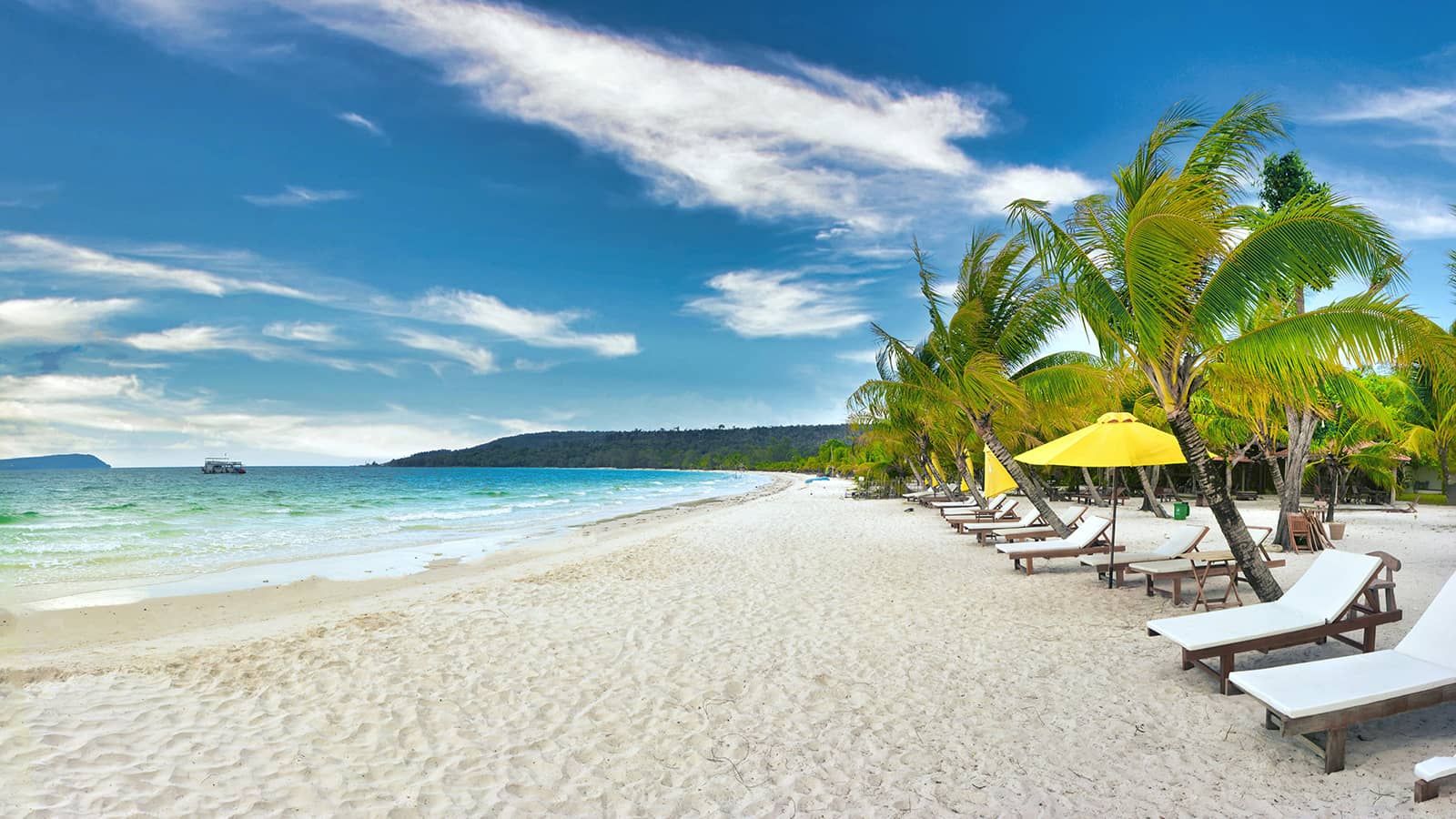
📷 Featured image by Adrian Chin on Unsplash.